By Loch Monster Electric · Oct 23, 2025 · 8 min read
Why Are My Lights Flickering? Causes, Dangers, and Fixes for Minnesota & Wisconsin Homes
Updated: Oct 23, 2025
Flickering lights aren't just a nuisance — they're often an early sign of electrical issues. Learn what causes light flicker in Minnesota and Wisconsin homes, from loose bulbs to wiring or panel problems, and when to call a licensed electrician.
Many homeowners shrug it off as just another quirk of an older house. Flickering lights are often an early warning of deeper electrical issues. Across Minnesota and Western Wisconsin — where many homes are 40, 60, or even 100 years old — aging wiring, overloaded circuits, and outdated panels are common culprits. If ignored, that harmless flicker can lead to fire risks, damaged appliances, or even higher insurance costs.
Why Are My Lights Flickering In My House?
Not every flicker is a code violation or fire hazard. In many cases, it’s caused by simple, everyday issues. These aren’t always emergencies, but they’re worth checking before they turn into something more serious.
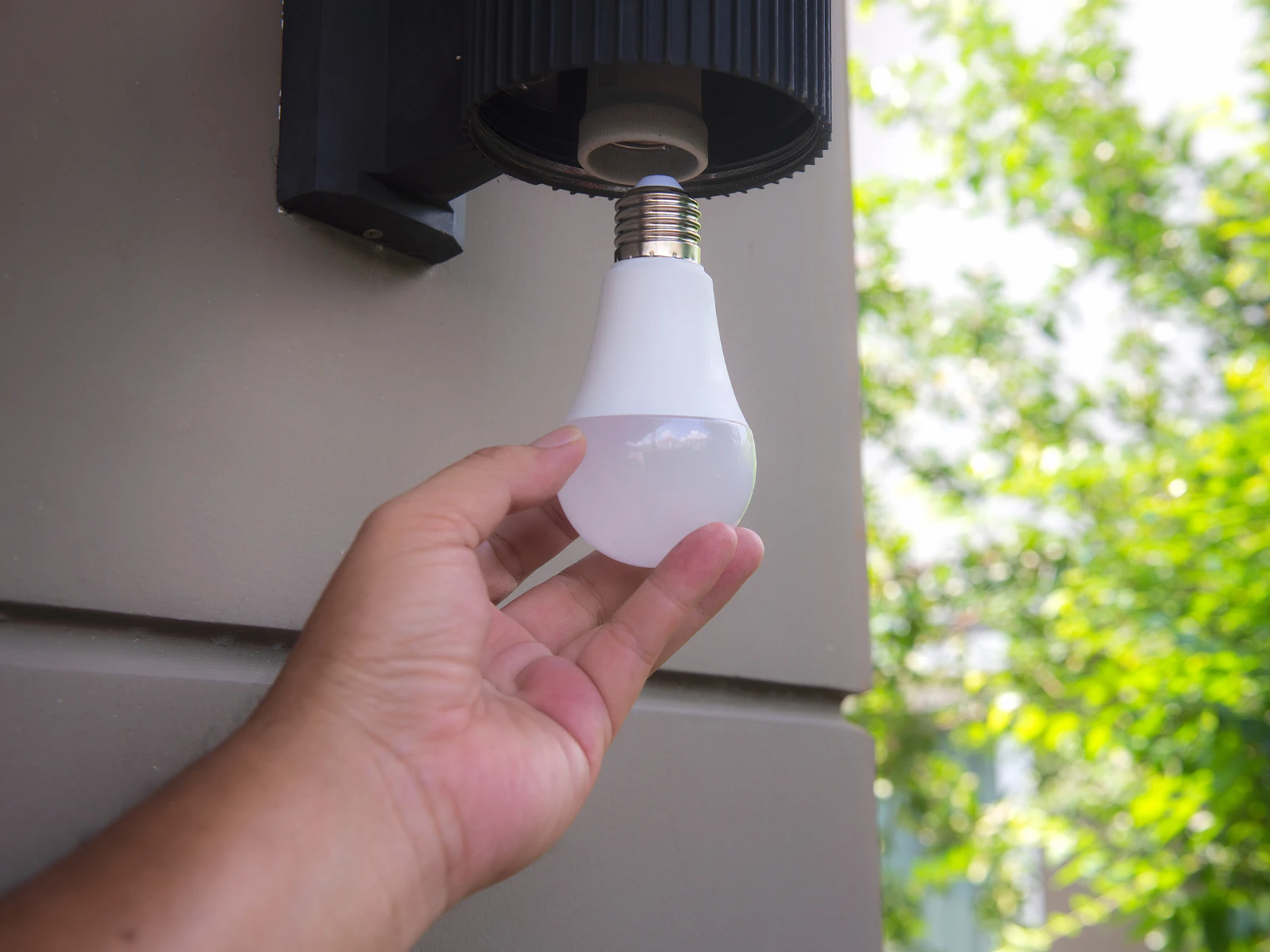
Loose Or Faulty Light Bulbs
Each tiny break in contact can spark (arc) inside the socket, wearing it down over time or even melting part of the fixture.
Homeowner Fix (Step-By-Step)
Replacing old or loose bulbs is one of the simplest fixes for flickering lights—especially when switching from incandescent to quality LED bulbs.
Turn Off The Power to the fixture in question at the breaker.
Wait for the bulb to cool completely before touching it.
Gently twist the bulb clockwise until it snugs firmly into the socket.
If it continues to flicker, replace the bulb before calling an electrician.
Inspect the socket for burn marks. If you see scorching, stop — call us.
Incompatible Dimmer Switches
Dimmer switches regulate how much power flows to a bulb. But not all dimmers work the same way. Older dimmers were designed only for incandescent bulbs, which use a heated filament and draw electricity in a steady, predictable way.
LEDs and CFLs work differently — they use drivers and electronics to regulate power. When you pair a modern LED bulb with an old dimmer, the mismatch creates small voltage fluctuations that your eye sees as flicker, strobing, or pulsing. Over time, that mismatch can shorten bulb life or cause faint buzzing from the fixture.
This is especially common in homes built or remodeled before 2010, when LEDs weren’t yet standard.
How to check your switch at home:
Remove the dimmer faceplate (usually one or two screws).
Look for the label, brand, or model number printed on the dimmer body.
If the label does not say things like “LED compatible,” “CL dimmer,” or “ELV dimmer,” it’s likely built for incandescent bulbs only.
If you’re not comfortable removing the plate, you can often identify old dimmers visually: they’re usually bulkier sliders or round knobs, whereas most LED-compatible models are slimmer with updated labeling.
What to look for in the store:
In the dimmer section, look for packaging that clearly says “LED compatible” or “Dimmable LED” support.
Common brands like Lutron (Caseta, Diva, Maestro CL) or Leviton Decora Smart/CL are widely available at Home Depot, Menards, or Lowe’s and work with most LEDs.
If your lights are on a dimmer circuit, make sure your bulbs are marked “dimmable” as well—non-dimmable LEDs will flicker no matter what switch you use.
Pro tip: Most bulb manufacturers (Philips, GE, Cree, Feit) publish a “dimmer compatibility list” on their websites. If you’re not sure, check your bulb brand online and cross-reference with the dimmer model before buying.
Aging or Low-Quality Bulbs
Loch Monster Electric serves homeowners across the Twin Cities metro. Give us a call at 763-292-1191 and we'll diagnose the cause and fix it right the first time.
Not all LED bulbs are created equal. Cheaper LEDs—especially bulk or no-name brands often sold online—use low-quality drivers (the small internal circuit that regulates voltage). When that driver can’t keep voltage steady, the light flickers, pulses, or glows faintly even when switched off.
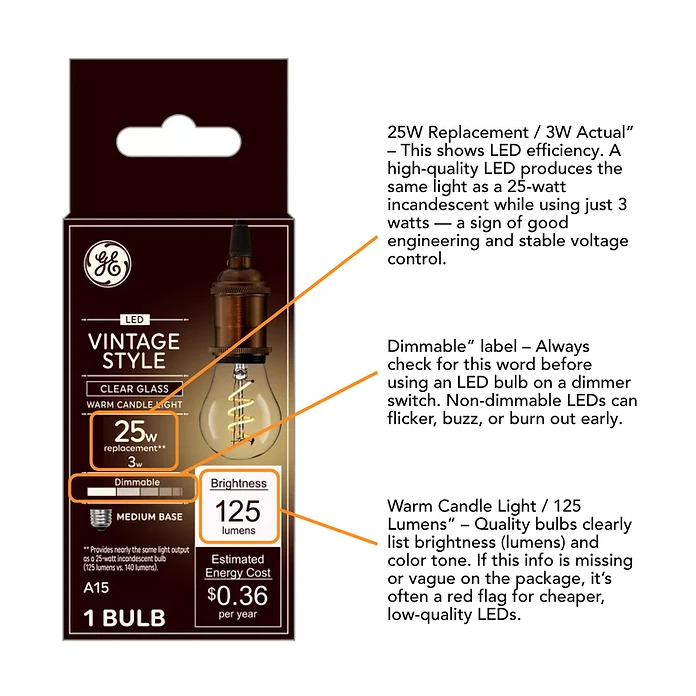
A quality LED bulb clearly lists wattage, lumens, and dimmer compatibility. Look for packaging like this — with clear labeling and energy certifications — to avoid flicker and premature failure.
High-quality bulbs from reputable brands like Philips, GE, Cree, Feit, or Sylvania are designed to handle small voltage changes without visible flicker. That’s especially important in older homes, where power fluctuations are common — a reality for many Minnesota and Wisconsin homeowners.
You might notice bad LEDs flicker when:
Appliances cycle on (fridge, furnace, air conditioner)
The lights are first turned on or dimmed
The bulb stays faintly lit after you switch it off
How to fix it:
Replace the bulb with a brand-name, Energy Star–rated, or UL-listed LED. These meet higher safety and performance standards. To see which bulbs meet those standards, visit EnergyStar.gov’s certified light bulb list — it breaks down efficiency, color quality, and longevity for major brands. If the flicker continues after swapping the bulb, the issue may be with the circuit, dimmer, or wiring rather than the bulb itself..0
Tip: Avoid mixing old and new bulb types on the same circuit. Combining CFLs, incandescents, and LEDs can create inconsistent loads that cause flicker even if each bulb works fine individually.
When Flickering Lights Point to Bigger Electrical Problems
So far, we’ve covered the easy fixes—bulbs, dimmers, and switches. But what if you’ve tried all of those and the lights still flicker? That’s when the problem may lie deeper within your electrical system.
In many Minnesota and Western Wisconsin homes—especially older properties in Stillwater, River Falls, Baldwin, and St. Paul—aging wiring, loose connections, or overloaded circuits can make lights dim, pulse, or flicker unpredictably. It might start as a nuisance, but persistent flickering is often an early warning sign of wiring degradation, breaker failure, or voltage fluctuations that put your home at risk.
These aren’t issues to ignore. Electrical problems that cause flickering lights can overheat conductors, melt insulation, and, in severe cases, spark house fires. According to the National Fire Protection Association (NFPA), electrical failures and malfunctions are a leading cause of home fires in the U.S. each year — responsible for thousands of incidents, injuries, and property losses nationwide. Below are some of the most common system-level culprits behind flickering lights—and how to spot them.
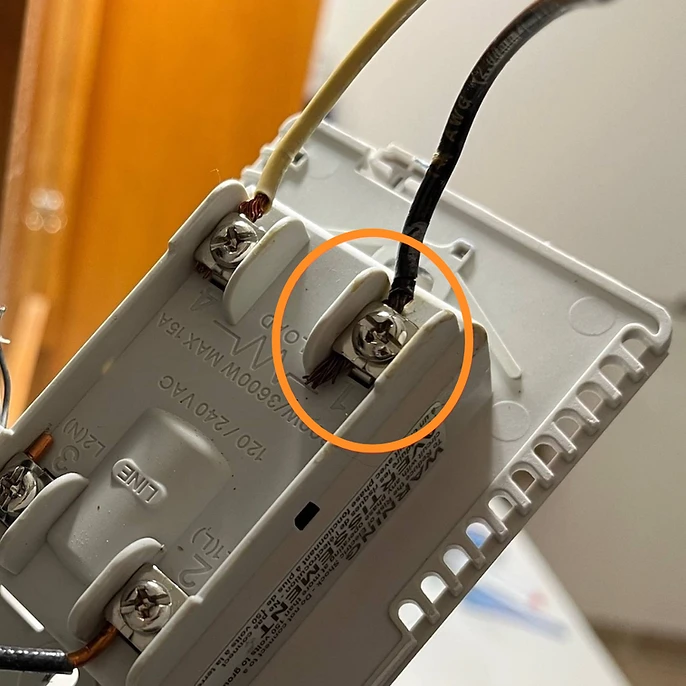
Loose or Damaged Wiring A loose or poorly seated wire under a terminal screw can cause arcing — tiny electrical sparks that generate heat and damage insulation over time. Always have a licensed electrician inspect connections like this before they become a fire hazard.
Loose or deteriorating wiring is one of the most dangerous — and most common — causes of flickering lights. When a connection inside a switch, outlet, junction box, or light fixture becomes loose, electricity has to “jump” across small gaps instead of flowing smoothly. That jump is called arcing, and every arc generates heat. Over time, it can scorch insulation, melt wire coatings, or even ignite nearby materials.
In homes built before the 1970s, especially those with knob-and-tube or aluminum wiring, these issues are more likely. Aluminum expands and contracts as it heats and cools, loosening screws and connectors over time. Knob-and-tube, on the other hand, lacks a grounding wire altogether, making it unsafe by modern standards.
What you might notice:
Lights dim or flicker across multiple rooms, not just one fixture.
Warm, buzzing, or slightly smoky outlets or switches.
A faint burning smell near outlets or light fixtures.
What to do
Turn off power to the affected circuit at your electrical panel. Do not jiggle or tighten outlets or fixtures yourself—it can worsen a bad connection. Instead, call a licensed electrician to inspect your system. A professional can test connections, trace problem circuits, and confirm whether rewiring is needed.
If your home still uses aluminum or knob-and-tube wiring, you can learn more about how these systems impact safety and insurance in our guide: Home Rewiring in Minnesota & Western Wisconsin: What Every Homeowner Should Know
Overloaded Circuits or Electrical Panel Problems
You may also notice dimming when multiple appliances share the same circuit — like a microwave, vacuum, or space heater. The culprit may be circuit overload or an undersized electrical panel. When too many devices draw power from the same circuit, voltage drops momentarily, causing lights to blink or dim.
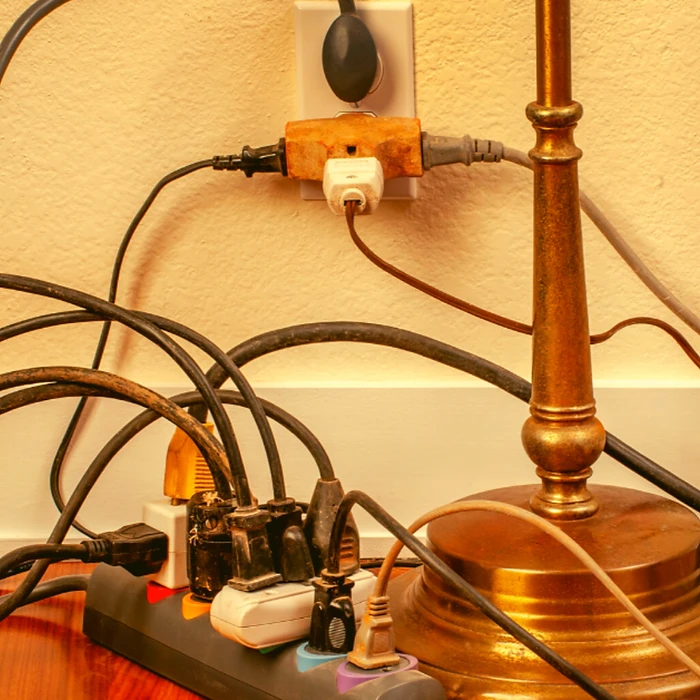
Too many plugs, not enough circuits — overloading outlets and power strips like this can cause flickering lights, tripped breakers, or even electrical fires. Each circuit in your home can only handle a limited load before voltage drops or wiring overheats.
That’s common in older homes across Minnesota and Western Wisconsin, where 60-amp or 100-amp panels were never designed to handle today’s electrical demands — from furnaces and sump pumps to EV chargers and home offices. If your home's electrical demand has increased, you may need an electrical panel upgrade.
Signs of an Overloaded or Failing Panel
Lights flicker or dim when appliances cycle on or off.
Circuit breakers trip frequently or feel hot to the touch.
A humming or buzzing sound near your breaker box.
Scorch marks, rust, or moisture near the electrical panel.
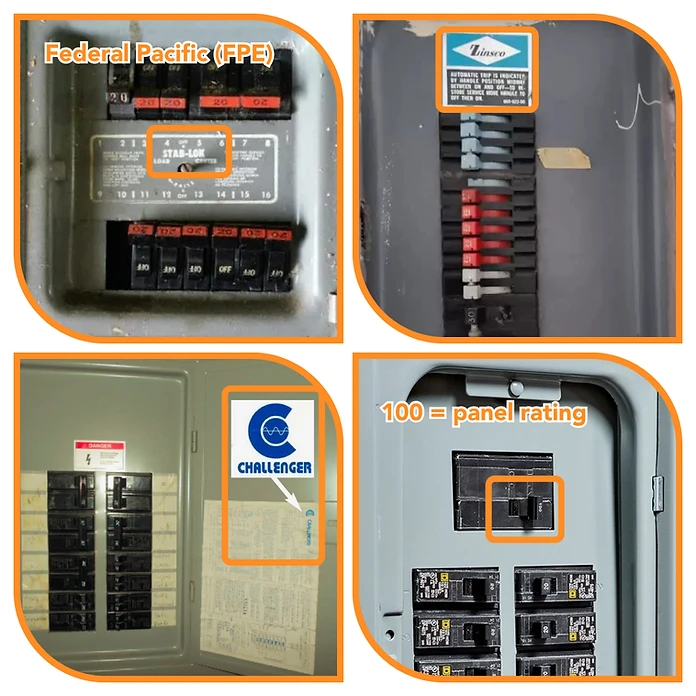
These symptoms can indicate that your panel’s bus bar or breakers are wearing out—or worse, that your home still uses a recalled or obsolete electrical panel, such as Federal Pacific (FPE) or Zinsco. Panels like these are known fire hazards — and many insurers refuse to cover homes that still have them.
What Homeowners Can Do
Check your panel’s label. If you see brand names like Federal Pacific (FPE), Zinsco, or Challenger, your panel may need replacement.
Note the amperage. A label inside the door will show your main breaker rating (e.g., 60A, 100A, 200A). Anything under 150A in a full-sized home may be undersized.
Call a licensed electrician to inspect for heat damage, loose lugs, or outdated wiring feeding into the panel.
Learn more: If your home still has an older or recalled electrical panel, check out our detailed guide: Electrical Panel Recalls & Replacements: Is Your Home at Risk? A flicker caused by an overloaded panel isn’t just inconvenient—it’s your home signaling that its electrical infrastructure is struggling to keep up. Addressing it early prevents more serious issues like arcing, overheating, or even electrical fires.
Utility or Service Connection Problems
When every light in your house flickers at once, even briefly, the issue often lies beyond your individual circuits. This type of widespread flicker points to a problem with your main service connection—the point where power enters your home from the electrical grid—or the neutral connection that balances voltage between incoming lines.
Why It Happens (and Why It Matters)
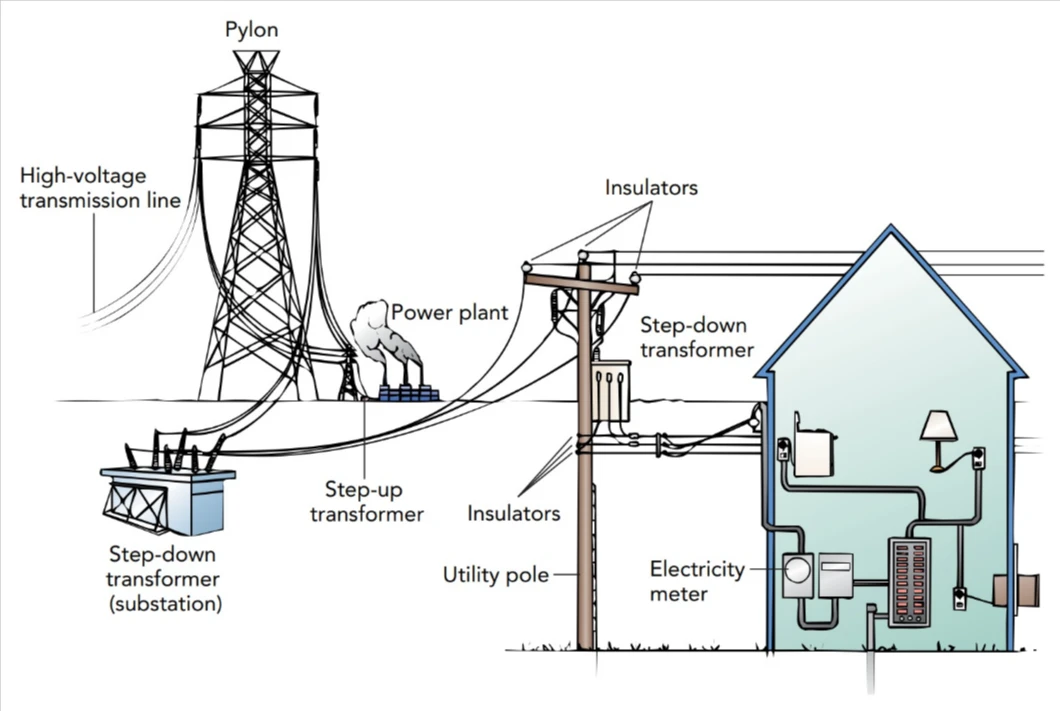
Power flows from the utility grid through transformers and service lines before entering your home’s electrical panel. If any connection along this path — especially the service drop or neutral wire — becomes loose or corroded, it can cause whole-house flickering or voltage fluctuations.
Your home’s electrical system relies on two “hot” wires and one neutral wire coming from the transformer on the utility pole or underground service. If that neutral becomes loose or corroded, voltage can fluctuate wildly between circuits. One side of the house may dim while the other brightens. Over time, those swings can fry electronics or motors and cause visible light flicker throughout your home.
Extreme weather in Minnesota and Wisconsin—especially ice, wind, and freeze-thaw cycles—can also loosen connections in meter sockets or overhead lines, particularly in properties around Hudson, River Falls, and rural areas outside the Twin Cities.
What You Might Notice:
Lights flicker or surge across the whole home, not just one circuit.
Appliances behave erratically or buzz when the lights flicker.
Flicker worsens during storms, high winds, or when neighboring houses experience power issues.
What to Do
Observe the pattern. If lights flicker throughout the home or you notice appliances behaving oddly, the issue may be at the meter or service line—not inside your wiring.
Call your utility company first. Report the flickering and request a service inspection. They can check for loose neutrals, damaged drop lines, or voltage irregularities at the transformer.
If the utility says everything checks out, call an electrician. A licensed electrician can inspect your meter socket, main lugs, and grounding system—areas the utility doesn’t service but that are critical to stable voltage.
Safety Tip: Never remove your meter cover or service panel yourself. These parts remain energized even when your breakers are off.
If you’ve had repeated flickering or dimming that seems to involve the whole home, this is one of those cases where a quick call can prevent long-term damage or even a potential fire hazard.
Persistent or widespread flickering is one of the clearest early warning signs of wiring or panel issues in older Minnesota and Western Wisconsin homes. The longer it’s ignored, the higher the risk of heat buildup, arcing, and even fire.
Examples of recalled or outdated panels (FPE, Zinsco, Challenger) and where to check your panel’s amp rating.
Examples of recalled or outdated panels (FPE, Zinsco, Challenger) and where to check your panel’s amp rating.
Call a professional if you notice any of the following:
Lights flicker or dim across multiple rooms or throughout the house.
Outlets or switches feel warm, buzz, or smell faintly smoky.
You hear crackling, sizzling, or popping sounds behind walls or at fixtures.
Breakers trip frequently or won’t reset easily.
Flickering worsens when appliances turn on or off (microwaves, dryers, vacuums).
Your panel is labeled Federal Pacific (FPE), Zinsco, or Challenger, or rated under 150 amps.
Even if the flicker stops, the problem almost never fixes itself.
If you’re in a historic neighborhood like Stillwater, Baldwin, or St. Paul, or live in an older home in River Falls, Hudson, or New Richmond, a quick electrical inspection can prevent much larger (and more expensive) repairs later.
Pro tip: Never try to tighten connections or open an electrical panel yourself— these components stay live even when breakers are off. Always leave it to a licensed professional.
According to the U.S. Consumer Product Safety Commission (CPSC), an average of 17,700 residential fires each year are caused by electrical distribution systems like wiring and lighting — resulting in roughly 160 deaths and 620 injuries annually. Regular inspections by a licensed electrician can prevent many of these hazards before they start.
Don’t Ignore the Flicker — Call Loch Monster Electric
Flickering lights aren’t just a nuisance — they’re your home’s way of saying something’s wrong. Whether it’s loose wiring, a failing panel, or a problem at the service connection, catching it early keeps your family safe and your electrical system reliable.
At Loch Monster Electric, we specialize in identifying and fixing the causes behind flickering lights across Minnesota and Western Wisconsin — from St. Paul and Woodbury to Hudson, River Falls, and Baldwin.
Every inspection and repair is led by a licensed Master Electrician, ensuring your wiring and panel meet modern safety and code standards. We use transparent time-and-materials pricing, handle permits and inspections, and never pressure you into unnecessary work — just honest, legendary service.
If your lights have been flickering, dimming, or buzzing, don’t wait — a small issue can quickly become a safety risk.
Call Loch Monster Electric today to schedule your electrical inspectionor request service. We’re your local, licensed team serving homeowners, HOAs, and businesses across Minnesota and Western Wisconsin — committed to keeping your lights steady, your wiring safe, and your power reliable.
Frequently Asked Questions
That’s usually a sign of a momentary voltage drop or circuit overload. High-demand appliances like microwaves or space heaters can briefly pull power from the same circuit your lights are on. If it happens often, the circuit may be overloaded or your panel may be undersized.
Large HVAC systems draw a surge of current when starting up. If your lights dim or flicker when the AC, heat pump, or furnace kicks in, it’s a sign that the circuit or main panel is under strain. While occasional dimming is normal, frequent flicker means your electrical system may need balancing or an upgraded breaker.
They can be. While a loose bulb or bad dimmer is harmless, persistent flickering across multiple rooms can signal loose wiring, a failing breaker, or a problem with your electrical service connection—all potential fire hazards.
Yes. Many older dimmer switches aren’t compatible with modern LED technology. Always choose LED-compatible dimmers (marked “CL” or “ELV”) and use dimmable LED bulbs to avoid flicker.
Absolutely. Loose or damaged wiring is one of the most common—and dangerous—sources of flickering lights. When connections degrade, electricity arcs between gaps, generating heat and increasing fire risk. If you notice flickering in multiple rooms or smell burning near outlets, call an electrician immediately.
If lights flicker across multiple rooms, you hear buzzing or crackling at outlets, or the flicker worsens when appliances run, it’s time to call a licensed electrician. These issues can’t be safely fixed without proper testing and inspection.
It depends on the cause. Replacing a bulb or dimmer is inexpensive, but if the issue involves wiring, your panel, or service connection, costs vary by project. Loch Monster Electric uses time-and-materials pricing and always provides transparent estimates before work begins.
Written by
Loch Monster Electric
Licensed Electrical Contractor · MN EA807591 · WI 1443-EC
Loch Monster Electric is a licensed and insured electrical contractor serving homeowners, businesses, and HOAs across Minnesota and Wisconsin. Our electricians handle everything from residential service-panel upgrades and EV charger installations to commercial tenant buildouts and HOA common-area safety lighting. These guides share practical, code-aware insights drawn from our day-to-day work in the field.
Reviewed for technical accuracy by a licensed Master Electrician.
Is Your Outlet Not Working? Here's What Loch Monster Electric Will Check First
Wondering why your outlets suddenly stopped working? This guide walks Twin Cities homeowners through the first troubleshooting steps, including checking GFCI outlets, resetting circuit breakers, and identifying common causes of dead outlets. Learn when it's safe to fix the problem yourself, when Minnesota electrical code requires a licensed electrician, and the warning signs that mean it's time to stop troubleshooting and call a professional.
What Pushes Your Twin Cities Thermostat Installation Cost Up or Down?
This guide breaks down what really drives thermostat installation cost for Twin Cities homeowners, covering furnace, boiler, and heat pump wiring, the C-wire factor, multi-zone systems, and wall type.
How to Pick the Right Smart Thermostat for a Minnesota Winter
A Minnesota electrician's guide to picking a smart thermostat before winter. Covers furnace and boiler compatibility, cold-snap recovery, humidity sensing, and geofencing limits in outer suburbs, plus wiring tips for Twin Cities homes and when to call a licensed electrician.
Is Your Outlet Not Working? Here's What Loch Monster Electric Will Check First
Wondering why your outlets suddenly stopped working? This guide walks Twin Cities homeowners through the first troubleshooting steps, including checking GFCI outlets, resetting circuit breakers, and identifying common causes of dead outlets. Learn when it's safe to fix the problem yourself, when Minnesota electrical code requires a licensed electrician, and the warning signs that mean it's time to stop troubleshooting and call a professional.
WHERE MINNESOTA & WISCONSIN LIVE, WORK & MANAGE—WE'RE THERE
If you've got an emergency—sparking wires, no power, or something that just doesn't feel right—call our 24/7 emergency line. We'll get someone out as soon as possible.