
Why Your GFCI Keeps Tripping (And What It Costs to Fix)
Updated: Sep 8, 2026
Learn the three most common reasons a GFCI keeps tripping: true ground faults, worn-out GFCI devices and wiring issues common in older Twin Cities homes. This guide also explains the difference between GFCI and AFCI protection, common inspection findings, DIY troubleshooting, Minnesota code considerations and when professional electrical repairs are necessary.
A GFCI (Ground Fault Circuit Interrupter) outlet is designed to protect you from electric shock, so when it trips, it's usually doing exactly what it was built to do. While an occasional trip isn't always a cause for concern, a GFCI that keeps tripping repeatedly is a sign that something needs attention.
A GFCI typically trips for one of three reasons: it has detected a genuine ground fault, the GFCI device itself has become worn or faulty, or there's a wiring issue such as a shared neutral or other circuit fault. A true ground fault should never be ignored because it indicates electricity may be flowing somewhere it shouldn't, creating a potential shock hazard.
For homeowners across Minneapolis, St. Paul and the surrounding metropolitan area, understanding why your GFCI keeps tripping can help you decide whether a simple reset is enough or if it's time to call a licensed electrician.
If your GFCI keeps tripping after basic troubleshooting or you're concerned about electrical safety, contact Loch Monster Electric (LME) at 763-292-1191 to schedule an inspection with a licensed Twin Cities electrician.
Cause 1 — True Ground Faults: The Trip You Should Never Ignore
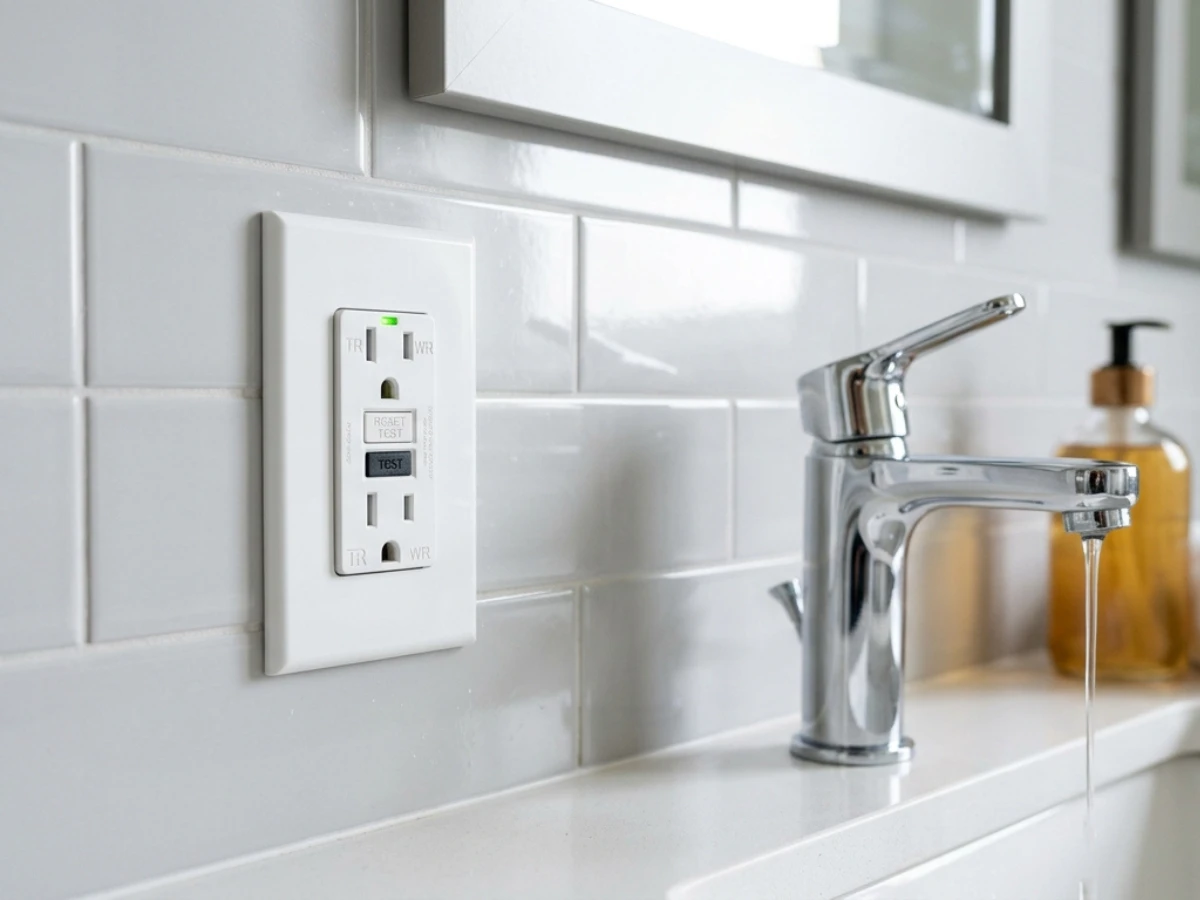
The most important job of a GFCI is to detect ground faults.
A ground fault occurs when electrical current leaves its intended path and travels somewhere unexpected: through water, metal, damaged insulation, or in the worst-case scenario, a person.
Unlike a standard circuit breaker that protects wiring from excessive current, a GFCI is designed to protect people from electric shock. It constantly compares the electricity leaving the outlet with the electricity returning. If even a small difference is detected, it disconnects power in a fraction of a second.
Common causes of ground faults include:
- Damaged appliance cords
- Water entering outdoor receptacles
- Moisture inside bathroom outlets
- Aging dishwashers and garbage disposals
- Sump pumps operating in damp basements
- Extension cords exposed to rain or snow
- Cracked insulation caused by Minnesota's freeze-thaw cycles
If your GFCI only trips when a particular appliance is plugged in, stop using that appliance until it has been inspected or repaired. The outlet is doing exactly what it was designed to do.
Persistent tripping with the same appliance is a safety issue and not simply an inconvenience.
Cause 2 — Nuisance Tripping: When the GFCI Device Itself Has Failed
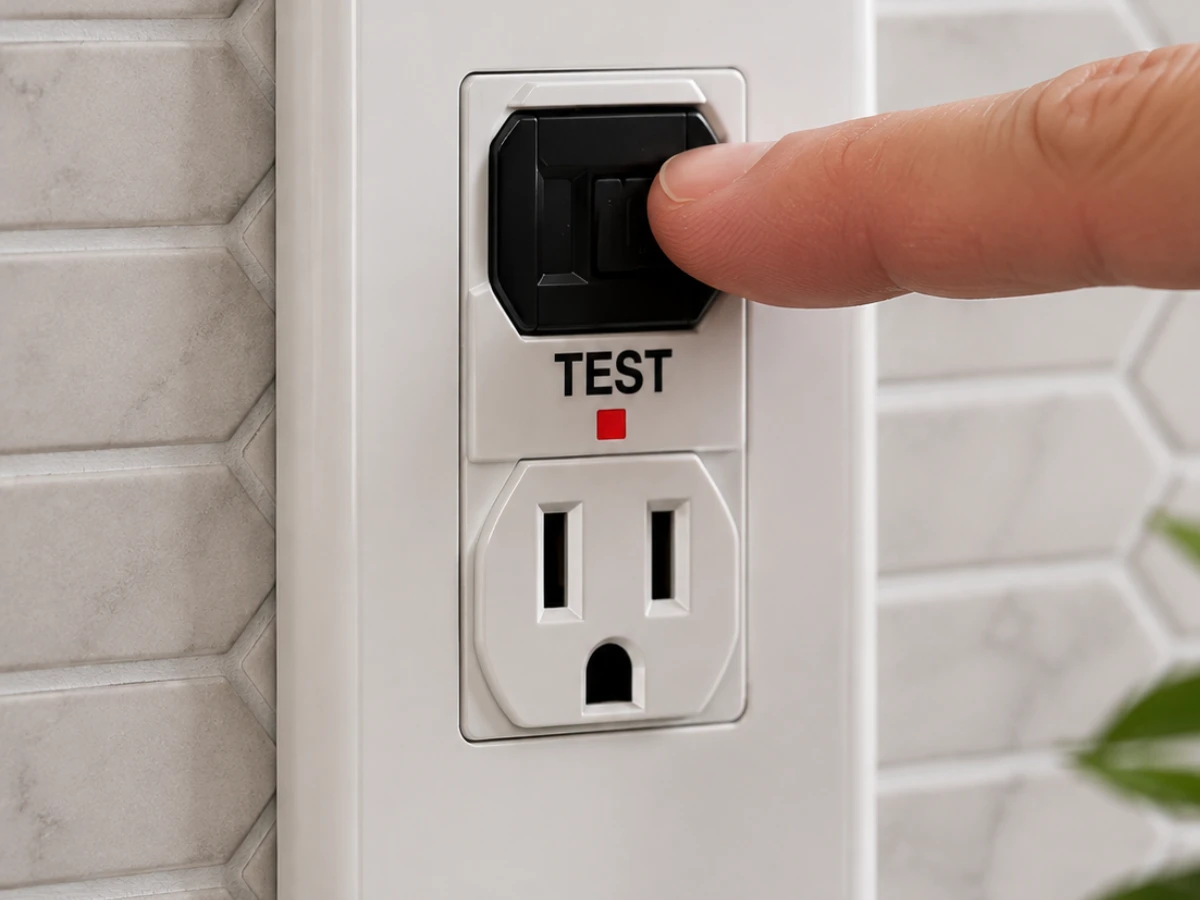
Sometimes nothing is plugged into the outlet, yet it still trips.
In many cases, the GFCI itself has simply worn out.
Like any safety device, GFCIs don't last forever. Their internal sensing electronics gradually degrade over time, particularly in areas exposed to humidity, temperature fluctuations and frequent testing.
Older homes throughout the Twin Cities often still contain original GFCI outlets installed decades ago. While many continue to function, older devices are more likely to develop nuisance tripping or fail the built-in Test/Reset function.
Signs that the outlet itself may be failing include:
- Tripping with nothing connected
- Random trips without any obvious cause
- The RESET button won't stay engaged
- The TEST button no longer works correctly
- Frequent trips despite replacing appliances
Replacing a worn GFCI outlet is often a straightforward solution.
If your outlet fails the Test/Reset check or continues tripping after basic troubleshooting, it may be time to consider professional GFCI and AFCI (Arc-Fault Circuit Interrupter) installation to ensure your home's electrical protection remains up to current safety standards.
Cause 3 — Shared Neutrals, Overloads, and Older Wiring Configurations
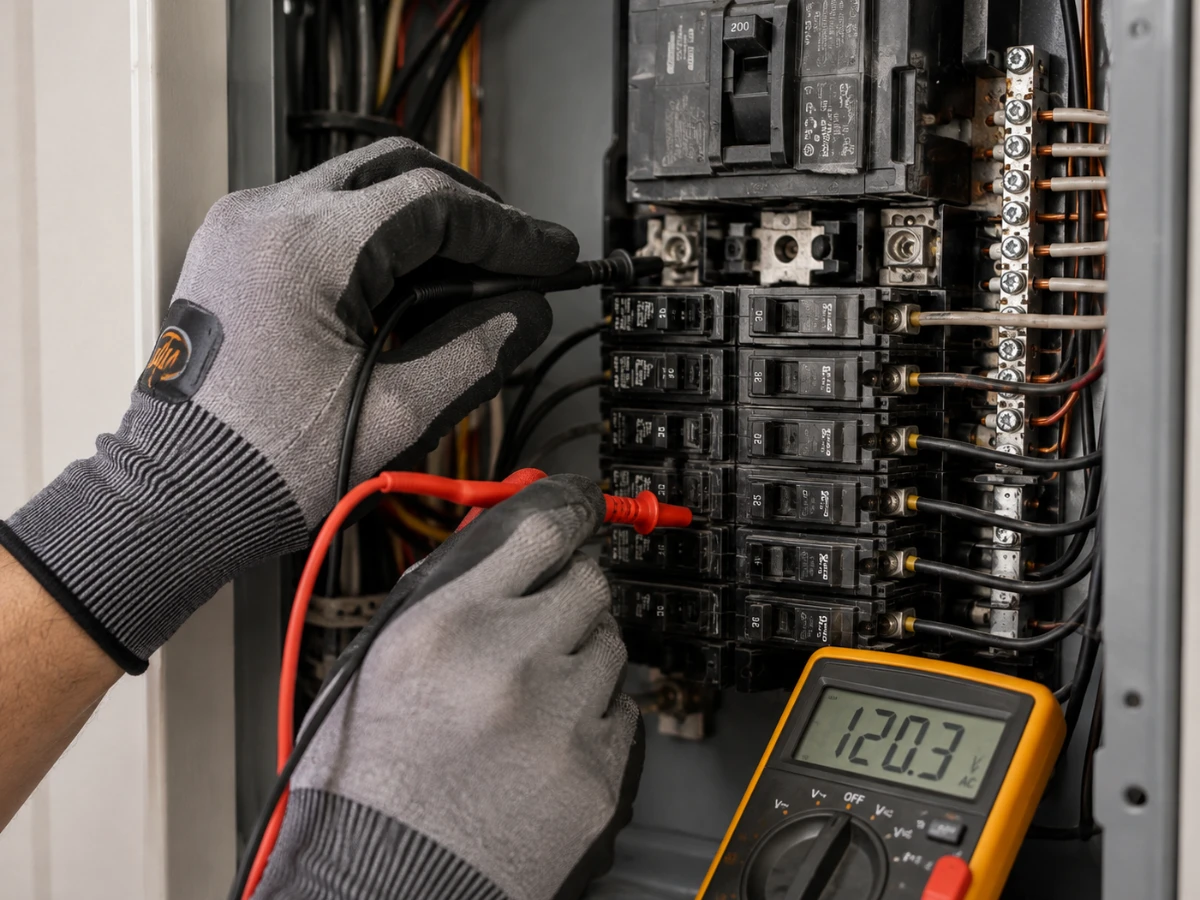
Sometimes the outlet isn't the problem at all. The wiring behind the walls may be causing the GFCI to interpret normal electrical flow as a fault.
Older Minneapolis and St. Paul homes commonly contain wiring methods that were perfectly acceptable when installed but can create compatibility issues with modern GFCI protection.
Examples include:
- Shared-neutral (multi-wire branch) circuits
- Older bathroom circuits feeding multiple rooms
- Legacy wiring modifications
- Poorly executed DIY electrical work
- Loose or deteriorated wire connections
A shared neutral allows two circuits to use the same return conductor. While safe when installed correctly, these configurations can confuse GFCI protection if not wired appropriately, leading to repeated nuisance trips. Because diagnosing wiring faults requires testing live electrical circuits, this isn't considered a DIY repair.
When Your AFCI Breaker Keeps Tripping Instead of GFCI — and How to Tell the Difference
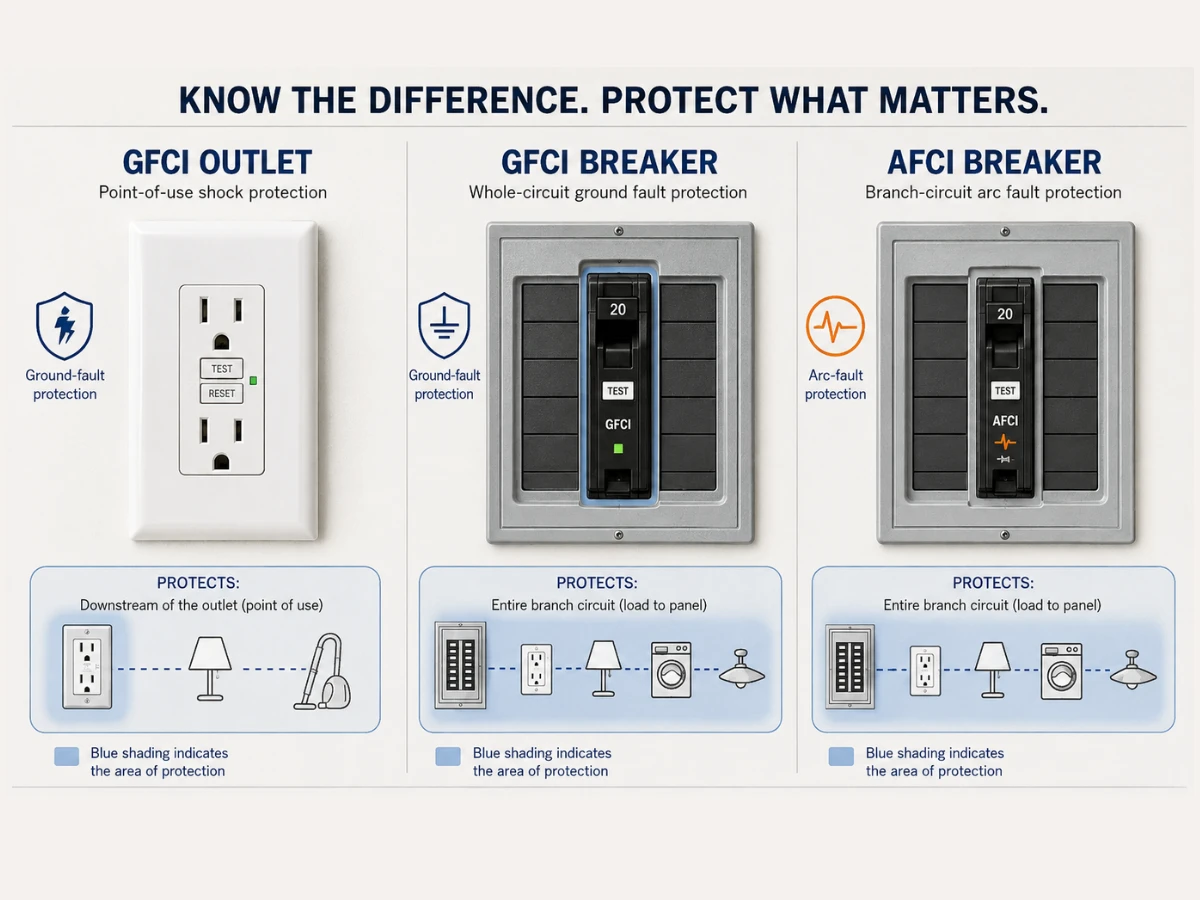
Many homeowners assume every electrical trip comes from the same device. In reality, your home may contain both GFCI and AFCI protection. Although they sound similar, they protect against completely different hazards.
GFCI | AFCI |
Protects people from electric shock | Protects homes from electrical fires |
Detects current leaking to ground | Detects dangerous electrical arcing |
Common in kitchens, bathrooms, garages and outdoor outlets | Common in bedrooms, living areas and many newer residential circuits |
If the outlet itself has TEST and RESET buttons, it's usually a GFCI receptacle.
If the breaker inside your electrical panel has TEST printed on it, it's likely an AFCI breaker.
Older homes may experience nuisance AFCI trips because of:
- Loose backstab wire connections
- Damaged cords
- Ageing switches
- Loose terminals
- Certain older appliances
Misdiagnosing an AFCI problem as a GFCI issue can lead to replacing the wrong device while the real problem remains unresolved.
What Inspections Turn Up in Twin Cities Homes
Every home develops its own electrical quirks over time, but certain patterns appear regularly throughout the Twin Cities.
Electricians commonly encounter:
- Older GFCI outlets that have simply reached the end of their service life
- Garage or outdoor receptacles lacking modern GFCI protection
- Moisture-damaged exterior outlets following harsh Minnesota winters
- Loose connections inside receptacles installed decades ago
- DIY wiring alterations that don't meet current code requirements
These issues often become apparent during renovations, home sales or after repeated nuisance tripping.
Why Older Twin Cities Homes (Bungalows, Ramblers, and Duplexes) Trip More Often

Many Minneapolis and St. Paul neighborhoods feature beautiful bungalows, ramblers and duplexes built long before modern electrical safety devices became standard. As these homes have been renovated over the decades, electrical systems have often evolved in stages rather than through complete rewiring.
Electricians may encounter:
- Remnants of older wiring systems
- Ungrounded two-prong circuits retrofitted with GFCI protection
- Shared-neutral branch circuits
- Multiple renovations completed over different decades
- Older panels supporting newer electrical additions
Modern GFCIs are extremely sensitive by design, which means they may reveal underlying issues that previously went unnoticed.
Rather than viewing repeated trips as an annoyance, homeowners should treat them as an opportunity to identify and correct hidden electrical problems.
DIY GFCI Reset vs. Calling a Licensed Minnesota Electrician
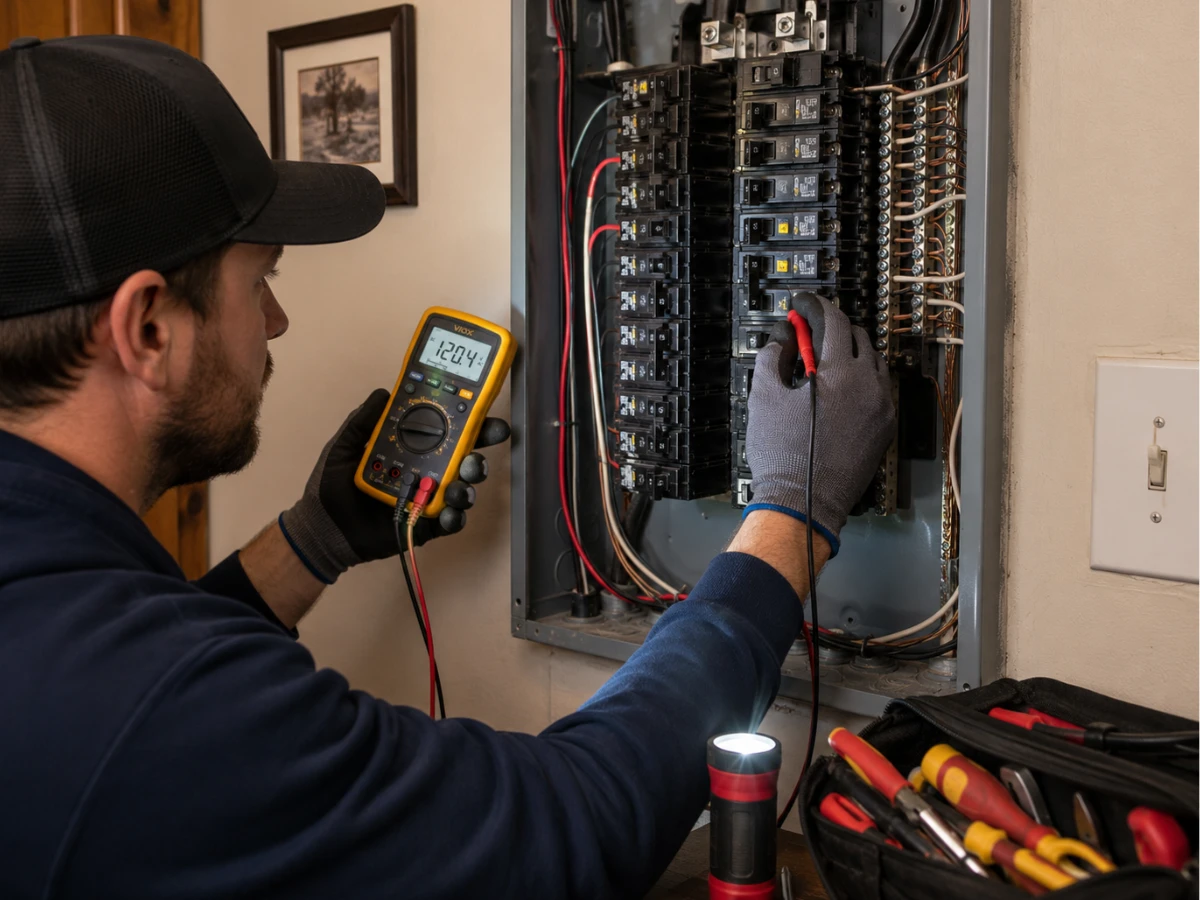
Some GFCI issues are simple. Others require professional diagnosis.
You can usually try:
- Pressing the RESET button once
- Unplugging all connected appliances and resetting the outlet again
- Testing appliances individually
- Checking for visible moisture around outdoor receptacles
If the outlet now operates normally, one of the connected appliances may be responsible.
Call a licensed electrician if:
- The outlet trips immediately after resetting
- Multiple outlets lose power together
- The breaker also trips
- The outlet smells burnt or feels warm
- The RESET button won't stay engaged
- The problem involves older wiring or repeated nuisance trips
While replacing a GFCI outlet may be manageable for an experienced homeowner working on a properly grounded circuit, tracing wiring faults, correcting shared neutrals or upgrading protection devices generally requires a licensed Minnesota electrician. Depending on the scope of the work, permits and inspections may also be required to ensure compliance with current electrical codes.
Key Takeaway
A GFCI that keeps tripping isn't something to ignore—it is your electrical system signaling that something needs attention.
Sometimes the fix is as simple as replacing a worn outlet. Other times, repeated tripping points to moisture, a faulty appliance or wiring issues hidden behind the walls.
If troubleshooting doesn't solve the problem, having the circuit inspected by a licensed electrician can identify the root cause, restore reliable operation, and ensure your home's electrical protection continues to work when it matters most. Call us at 763-292-1191 or contact us to schedule an inspection.
Frequently Asked Questions
This often indicates the GFCI outlet itself has failed, although moisture or a wiring issue elsewhere on the protected circuit can also cause the outlet to repeatedly trip.
The total cost depends on labor, the condition of the existing wiring and whether additional repairs are needed. Many electrical contractors use a time-and-materials pricing model, so the final cost varies based on the complexity of the work.
A persistent trip may indicate a genuine ground fault that could expose someone to electric shock. Repeated tripping should always be investigated rather than ignored.
If the outlet only trips when a specific appliance is connected, the appliance may be causing a ground fault. If it trips with nothing plugged in, the GFCI itself or the wiring may be at fault.
In some older homes, multiple rooms may share portions of the same electrical circuit or neutral conductor. A licensed electrician can determine whether the circuit configuration is causing nuisance trips.
Electrical requirements depend on the scope of the renovation and the applicable code adopted by the local authority. During many renovation projects, adding or upgrading AFCI protection may be required to comply with current code.
A GFCI trips when it detects electricity leaking from its intended path, helping prevent electric shock. An AFCI trips when it detects dangerous electrical arcing that could lead to a fire.