Homeowner’s Guide to Outlet and Switch Repair in Plymouth
Updated: Oct 19, 2026
Learn what outlet and switch repair costs in Plymouth, MN, and why 1980s and 1990s homes can make the job trickier. See how a licensed electrician handles the work, which permits and codes apply, when to call a pro, easy upgrades to add, and answers to common homeowner questions.
Ever flipped a light switch and nothing turned on? Or you plugged in a device and now there’s a burning smell? Or maybe a wall outlet feels warm to the touch? Small problems like these can turn into serious shocks, electrical hazards, or even dangerous house fires if left unfixed.
You’ll need to stop using the problem switch or outlet immediately and have a qualified professional inspect, repair, or replace it before it turns into an emergency. This guide covers outlet switch repair costs, why Plymouth’s 1980s and 1990s homes can make the job trickier, how the work goes, and which permits and codes apply.
Need outlet switch repair in Plymouth from a team you can trust? Loch Monster Electric is a team of licensed Plymouth electricians that also serves Maple Grove, Eden Prairie, and the rest of the Twin Cities metro. We fix loose outlets, buzzing switches, and everything in between.
Ready to get going? Call us at 763-292-1191 or fill out our contact form and we’ll take it from there.
Why Plymouth’s 1980s and 1990s Homes Need Outlet and Switch Repairs
A lot of Plymouth’s residential neighborhoods like Bass Lake and Sunrise Park, and the Wayzata School District expanded massively in the 1980s and 1990s. The good news is that these homes usually have copper wiring with a ground wire. The not-so-good news is that the outlets and switches on your walls are now 30 to 40 years old, and fast approaching their end of life.
Here’s why you may need to get them inspected for repair or replacement soon:
Normal Wear and Tear
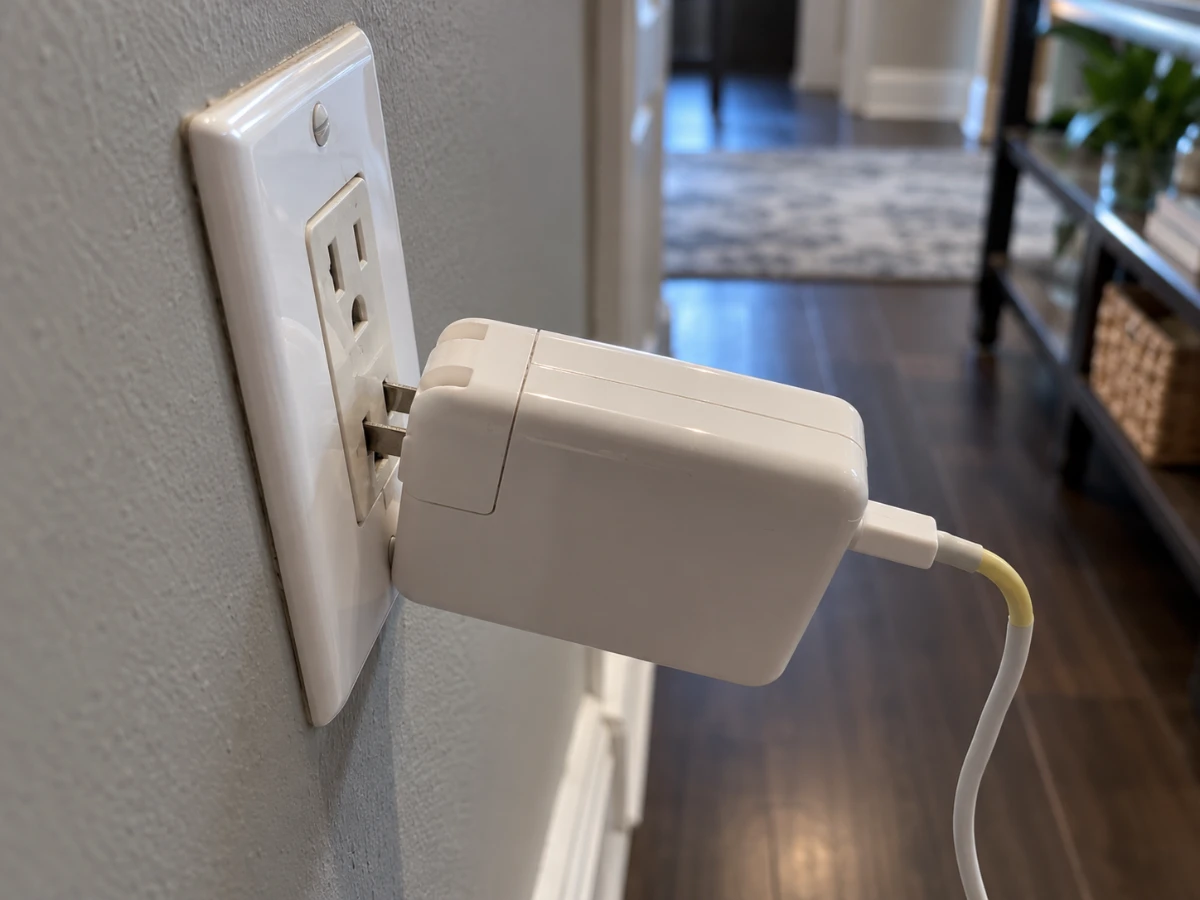
The metal springs inside an outlet wear out over time. When that happens, plugs fit loosely or fall out. That's more than an annoyance. A loose plug doesn't touch the metal firmly, so tiny sparks can jump across the gap. Those sparks make heat, which can melt the outlet and raise the risk of a fire.
Push-In Backstab Connections
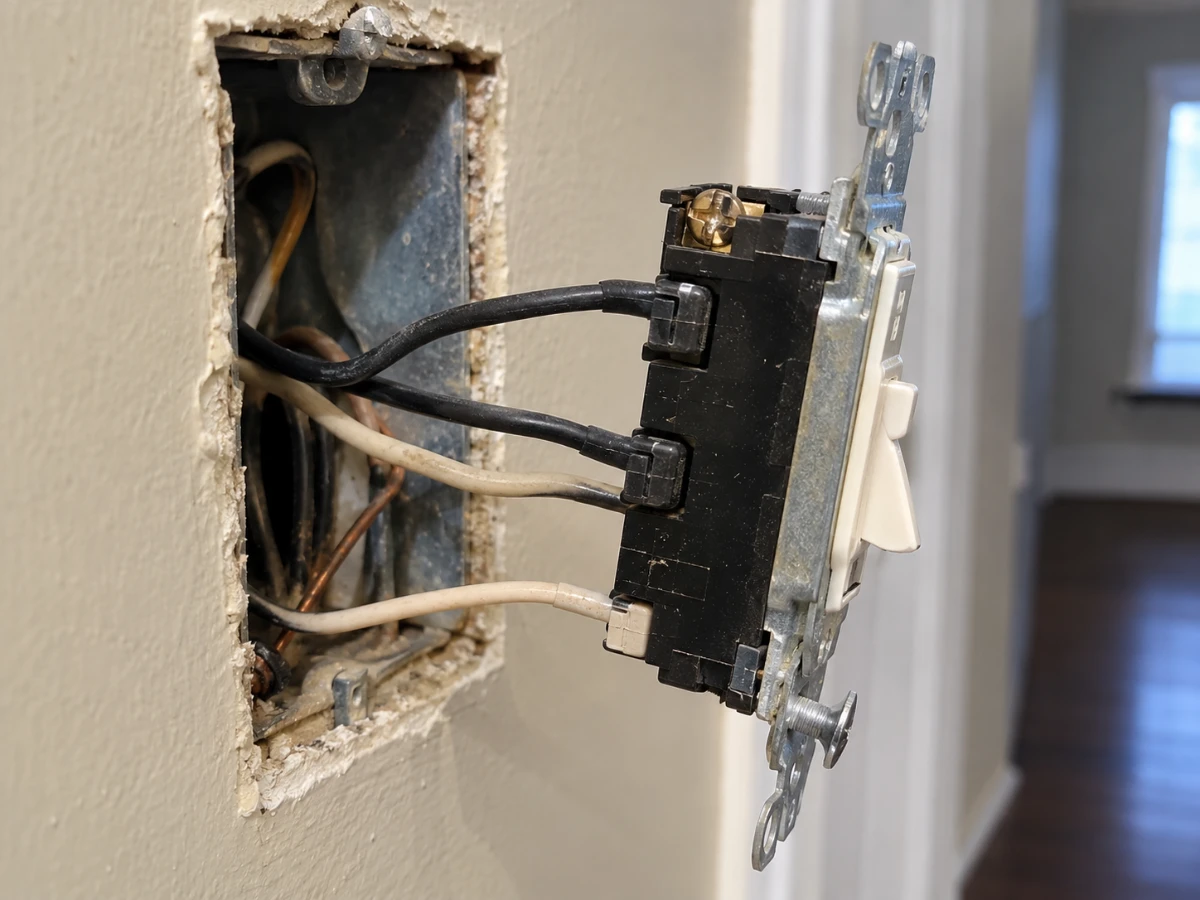
Many builders wired outlets and switches with a backstab connection, which involves pushing the wire into a small hole on the back of the device. It’s quick for the builder, but over the years it can work loose. A loose connection makes heat, which heats the plastic, and sooner or later the outlet or switch burns out. When one fails, other outlets or lights on that circuit can go dark too.
Open Grounds and Two-Prong Outlets
Even in grounded homes, we still find open ground outlets. This could be due to a ground wire that may have come loose, or it never got hooked up during an old remodel. Older homes near West Medicine Lake, some built in the 1950s, may still have two-prong outlets. Either way, your computers, TVs, and smart appliances lose their safe path during a power surge, which can mean damaged electronics or a shock.
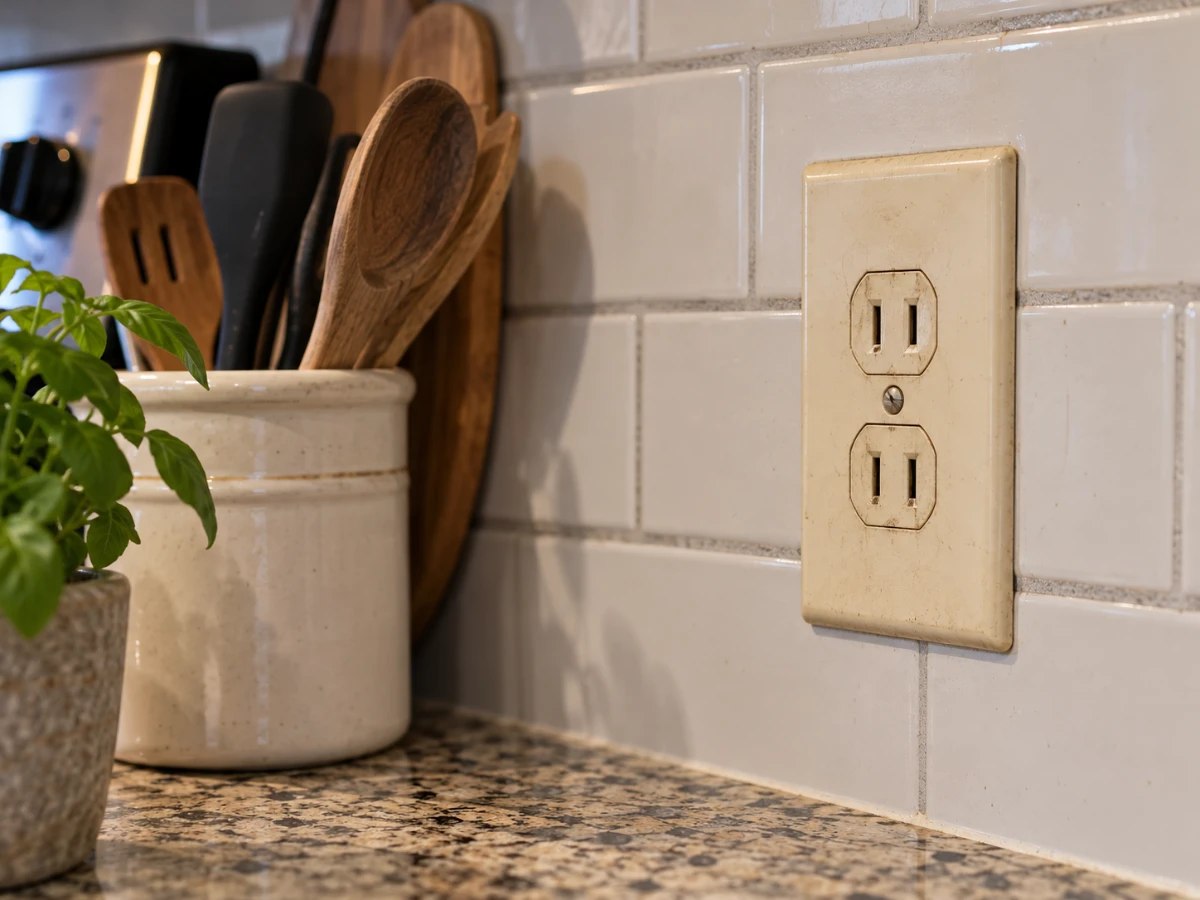
Our two-prong outlet replacement guide covers four code-approved fixes and explains why cheater plugs don't cut it.
Missing Modern Protection
Electrical codes have changed a lot since these homes were built, with the introduction of new GFCI requirements. So some 1980s and 1990s homes may still have standard outlets in places that now need GFCI protection, like unfinished basements, kitchens, and laundry areas. Arc-fault (AFCI) protection for bedrooms didn't show up until the early 2000s. That means a 1990s home may have no AFCI protection on its bedroom circuits at all.
Read our guide on why your GFCI keeps tripping to learn how these outlets protect you and your home.
Outdated Dimmers and Switches
Dimmers from the 1990s were built for old-style bulbs. Many buzz or flicker with LED lights. And a lot of homes from this era don't have a neutral wire in the switch box, which many smart switches need. If your switch is noisy, warm, or flickering, it's time for a look.
Read our smart switches electrical installation guide to learn more about smart home lighting requirements.
Minnesota Weather
Minnesota's cold winters, damp basements, and lakeside humidity make things worse. Moisture can rust and corrode the screws and wire ends inside outlets and switches. That builds resistance, and resistance builds heat. Add it all up, and aging outlets and switches reach their breaking point even faster.
Cost of Outlet Switch Repair in Plymouth
- Replacing one worn-out outlet in a home usually runs $350 to $550.
- A GFCI or AFCI outlet typically runs $450 to $600 each, since the device costs more and takes longer to install.
Important Note: These numbers are estimates based on standard service calls, not a fixed quote. Because we bill on a time-and-materials basis to ensure thorough diagnostics and safety checks, your final price depends on what we actually find inside your walls.
What Can Push the Outlet Switch Repair Price Up in Plymouth
- Crowded boxes: GFCI, AFCI, USB, and smart devices are bulkier than the plain outlets builders normally use. They need more room for the device and for the wires behind it. The National Electrical Code (NEC) limits how much can be packed into one box, so if yours is too tight, we swap in a deeper one, and that adds time and materials.
- Backstab cleanup: If we find push-in wires, we move them to screw terminals so they grip tight. If one outlet on a circuit has loose push-in wires, the others often do too. Checking and fixing the neighbors adds to the job, but it can save you a second service call.
- No neutral wire at the switch: Many homes from this era have no neutral wire in the switch box. Many smart switches and some dimmers need one to work. Adding it can mean running new wire, which takes extra time.
- Accessibility: Finished walkout basements, vaulted ceilings, and insulated outside walls take more care. Fishing wire through a finished wall or working from a tall ladder is slower than a simple outlet swap in an open room. On outside walls, we also seal around the box so cold air stays out. That matters in a Minnesota winter.
- Code requirements: Replacing an outlet where today's code requires GFCI or AFCI protection means using the right device. Those cost more than a basic outlet and take longer to install. It's an added cost, but it gives you protection your old outlet never had.
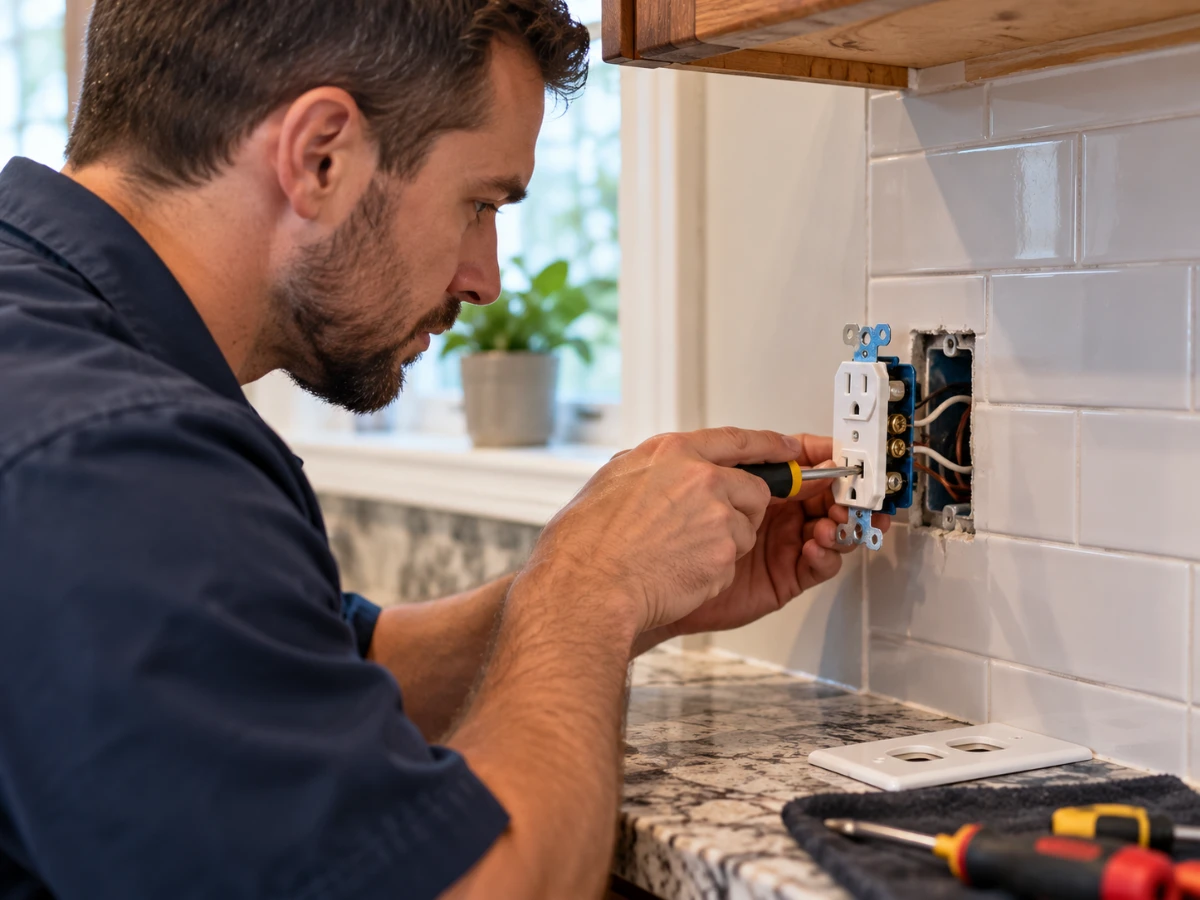
For a deeper look at cost factors, check out our outlets and switch repair cost guide.
Signs It’s Time to Call an Electrician for Outlet and Switch Repair
Some problems can wait until morning, while others can’t. If you see smoke or flames, call 911 first. If you notice any of these warning signs, call us right away on 763-292-1191.
- A burning smell or scorch marks around an outlet or switch.
- A faceplate or switch that feels warm or hot.
- Buzzing, crackling, or popping when you flip a switch.
- Plugs that fall out or outlets that work on and off.
- A breaker that keeps tripping, or lights that flicker.
Have just one dead outlet and none of the warning signs above? Our outlets not working guide walks through quick checks, like resetting a GFCI and looking at your breaker.
How Loch Monster Electric Handles Repairs and Installs in Plymouth
We work in every corner of town, from West Medicine Lake and Parkers Lake to Bass Lake and the Vicksburg Corridor. You can see the neighborhoods we cover on our Plymouth service area page. Here’s how a standard visit goes:
- We test first: Before we touch a wire, we shut off power to the circuit and test the outlet or switch to find out why it failed. It could be a worn part, a loose wire, or a problem farther down the line. Testing first means we fix the real cause, and not just the symptom.
- We look inside the box: Next, we take off the faceplate and check what's behind it. We look for brittle wire insulation, loose connections, and push-in backstab wires. We also check that the box has enough room for a new device. This is where most hidden problems in 1980s and 1990s homes show up.
- We explain, then quote: We tell you what we found in plain English, and we show you the worn or damaged parts when we can. Then we go over your options and give you an estimate before any work starts. You'll know what the job costs and why, so there are no surprises.
- We repair or install: We replace the device and tighten every connection so it holds for years. If today's code calls for GFCI or AFCI protection in that area, we install the right device. If the box is too tight or the wiring needs cleanup, we take care of that too.
- We test again: Before the faceplate goes back on, we check voltage, polarity, and ground with a circuit tester. Then we make sure the outlet or switch works the way it should. You get to see it working before we leave.
- We handle the paperwork: Some jobs need a permit, like adding an outlet or running new wire. If yours does, we pull it and work with Plymouth's inspectors, so you don't have to chase down forms or schedule the inspection yourself.
Visit our outlet and switch repair services to learn what problems we fix, from dead outlets to light switch repair and tripping GFCIs.
Permits and Local Codes for Outlet and Switch Work in Plymouth
When You Need a Permit
Swapping an outlet or switch for the same type in the same spot generally doesn’t need a permit, but adding a new outlet, moving a box, or running new wire does. Skipping a needed permit can cause trouble with insurance claims and home sales.
Can You Pull Your Own Permit?
Minnesota lets you do electrical work on a single-family home you own and live in. But you must get a permit, do all the work yourself, and pass inspection. Rentals, condos, and duplexes need a licensed electrician to do this.
Code Rules That Affect Small Repairs
Minnesota follows the National Electrical Code (NEC). When we replace an outlet where today's code calls for protection, the new device has to meet those rules. That often means GFCI outlet replacement in kitchens, bathrooms, garages, basements, and outdoors, plus AFCI protection in bedrooms and living areas.
Replacement outlets in homes also need to be tamper-resistant, the kind with little shutters inside. The code doesn’t force you to replace all the wiring in your home, but the part we work on must meet today’s standards.
See our GFCI and AFCI installation services for where these devices go and how we install them.
Easy Upgrades While We’re at the Wall
Once we've got the faceplate off, it's a good time to make a few additional upgrades. A few of these can make your daily life easier, and they're simple to add while we're already there.
- USB outlets: These are handy in kitchens and home offices, since you can charge phones and tablets without a bulky adapter. Before we install one, we check that the box has room and the circuit can handle the load.
- Dimmer switch installation: Older dimmers were built for old-style bulbs, and they often buzz or flicker with LED lights. We can install dimmers made for LEDs and match them to your bulbs, so your lights stay smooth and quiet.
- Weather-resistant GFCI outlets: These are made for decks, garages, and lakeside patios. Freeze-and-thaw cycles wear down regular outdoor outlets fast. A weather-resistant GFCI, paired with a proper cover, helps keep out moisture and protects you from shock.
- Smart switches: These let you control lights from your phone or set schedules. Many need a neutral wire, and lots of homes from this era don't have one in the switch box. We check your wiring first and tell you if a smart switch will work.
Not sure if your home is ready for smart devices? Read our signs to upgrade to smart home wiring guide to find out what your wiring may need first.
Get Outlet and Switch Repair in Plymouth Done Right
Outlets and switches wear out, and many Plymouth homes are right at that age. Get your problem checked, replace worn parts, and add modern protection where code calls for it. Loch Monster Electric is the licensed electrician that can handle it all, from replacing dead outlets to full GFCI upgrades.
Call us at 763-292-1191 to get started!
Frequently Asked Questions
Replacing one standard outlet usually costs $350 to $550. GFCI and AFCI outlets typically cost $450 to $600 each. Older wiring, tight boxes, and permits can add to the total.
A same-type, same-spot swap generally doesn’t require one. Adding an outlet, moving a box, or running new wire does. If you’re not sure, call us before you start.
A dimmer can feel slightly warm when it’s running a load, but a regular switch shouldn’t. A hot or buzzing switch usually means a loose wire or worn contacts, and that’s a fire risk. You should call a professional electrician to get it checked soon.
No. A loose fit means the inner springs are worn out. That causes poor contact, heat, and sparks. Stop using it and have it replaced.
If you own and live in the home, Minnesota allows it with a permit and inspection. But mixing up the line and load wires can leave other outlets unprotected. It is recommended to leave it to a licensed electrician to install.
Most standard outlet and switch calls wrap up in one visit. Bigger wiring repairs or panel problems can take longer.