Do You Need Smart Home Wiring? 7 Signs It's Time to Upgrade Your Home
Updated: Sep 14, 2026
Learn the seven signs your Twin Cities home may need a smart home wiring upgrade, what structured wiring actually includes, how older Minneapolis and St. Paul homes can be retrofitted and what timelines look like, and how to choose a licensed Minnesota electrician.
Smart home technology can make a house more convenient, efficient and secure, but the devices are only as good as the electrical system carrying them.
Smart switches, connected lighting, security equipment, home networking, energy-management systems and EV chargers all depend on the electrical infrastructure behind the walls. If that infrastructure is outdated, overloaded or missing the wiring modern devices require, even the best smart-home equipment may not work reliably.
For homeowners in Minneapolis, St. Paul and the surrounding suburbs, the question isn't simply whether a home can use smart devices. It's whether the home's electrical system is ready to support them safely.
In many cases, it can be. Older Twin Cities homes can often be retrofitted, but the condition of the existing wiring, electrical panel, circuit capacity and access to the wiring can significantly affect the scope and cost of the work.
If you're planning a smart home upgrade, contact Loch Monster Electric (LME) at 763-292-1191 to have a licensed Twin Cities electrician assess your home's electrical infrastructure before you start buying devices.
7 Clear Signs Your Twin Cities Home Is Ready for a Smart Home Wiring Upgrade
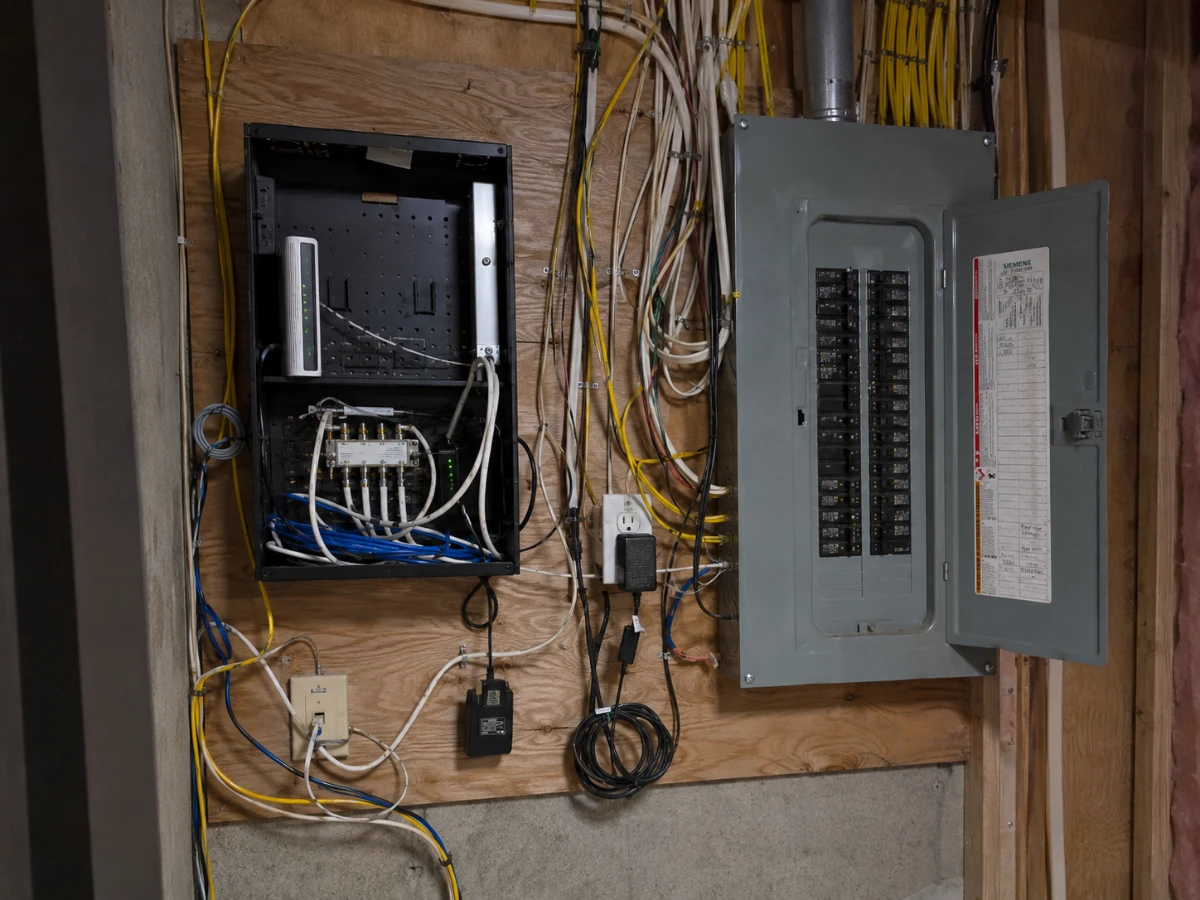
These seven signs can help you determine whether your home needs a smart home wiring installation:
1. Your smart lights flicker or switches behave unpredictably
If smart switches disconnect, LED bulbs flicker or connected lighting behaves differently from one room to another, the problem may not be the smart device.
Older switch boxes may not have the neutral conductors required by many modern smart switches. Shared circuits and other legacy wiring configurations can also create compatibility problems.
2. Your breakers trip when you add new devices
A smart speaker or security camera uses relatively little electricity, but a modern home may also be adding larger loads such as EV chargers, heat pumps, electric appliances or home-office equipment.
Frequent breaker trips can indicate that the existing electrical system is approaching its capacity or that a circuit has another underlying problem.
3. Your home has no dedicated low-voltage or structured wiring
If you're relying entirely on Wi-Fi for cameras, access points, televisions, computers and other connected equipment, you may eventually run into coverage or reliability limitations.
A smart home wiring plan can include dedicated Cat6 Ethernet, coaxial cable, fibre pathways and conduit so important devices aren't dependent on a single wireless connection.
4. Your electrical panel is old, crowded or undersized
A panel with little breaker space, or a service that was designed for a much smaller electrical load, can become a limitation as you add technology. A sub-panel may be a more appropriate solution when the home's overall service capacity is adequate but additional breaker space is needed.
5. Your home has no easy path for future wiring
A smart-home system rarely stays static. Homeowners may eventually add security cameras, access points, speakers, solar equipment, energy-management systems or an EV charger.
Planning conduit and accessible wiring pathways during a remodel can make future upgrades substantially easier than opening finished walls later.
6. Your smart devices don't behave consistently from room to room
One switch works perfectly while another drops offline. A camera has poor connectivity in one part of the house. A wall controller works intermittently.
Inconsistent behaviour can point to differences in electrical wiring, signal coverage, circuit loading or device compatibility rather than a problem with the individual smart device.
7. Your home was built before 2000
Age alone doesn't mean a home needs rewiring. However, older Twin Cities homes are more likely to contain electrical systems that were designed before today's connected technology became commonplace.
Homes built decades ago may have ungrounded outlets, older wiring, aluminium wiring, limited panel capacity or switch boxes without neutral conductors.
If your home has more than one of these warning signs, an electrical assessment is worthwhile before investing in a large collection of smart devices.
What 'Smart Home Wiring' Actually Means—and What It Doesn't
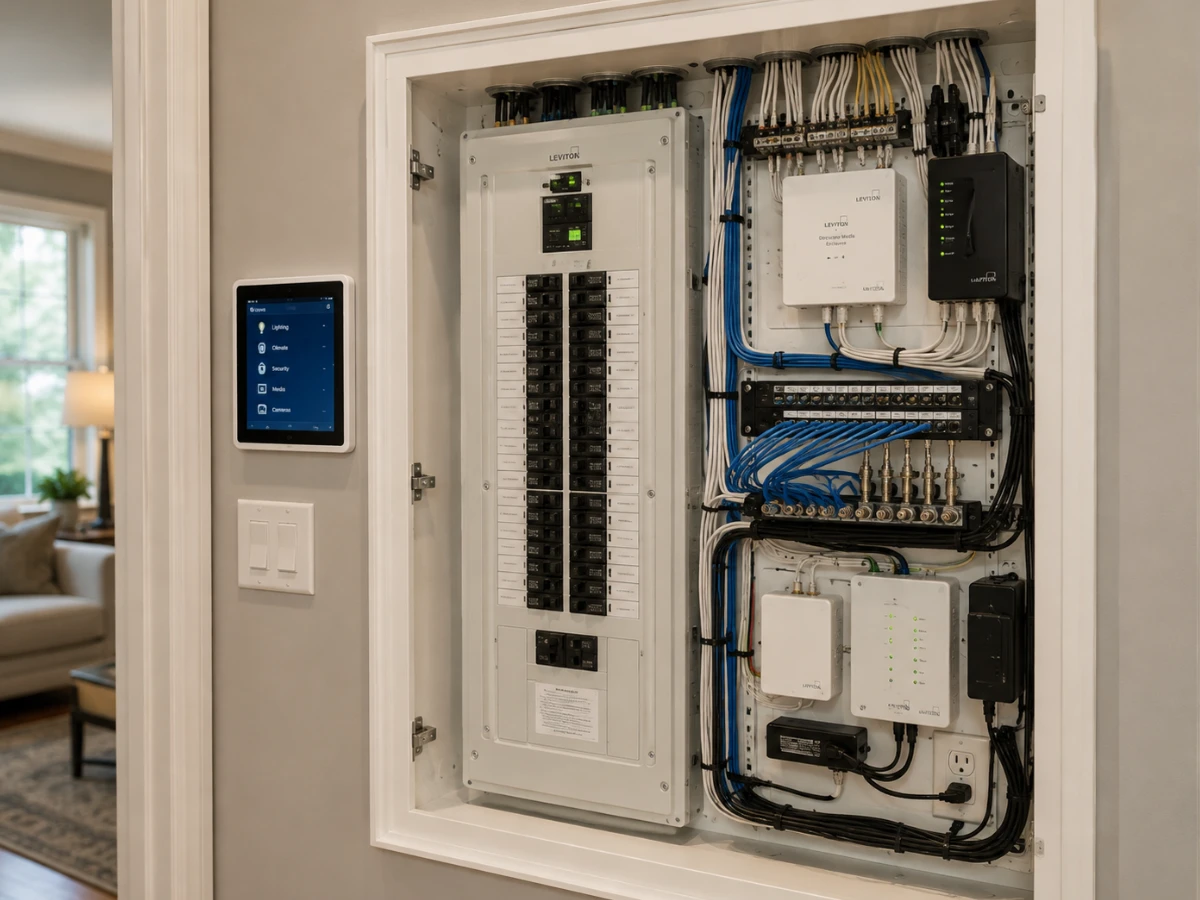
Smart home wiring is the physical infrastructure that allows connected technology to operate reliably.
It is not simply installing a smart plug, connecting a device to Wi-Fi or downloading an app.
Depending on the home and the automation system, smart home wiring can include:
- Cat6 Ethernet for high-speed wired networking
- Coaxial cable for television and other communications
- Fibre or conduit pathways for future technology
- Dedicated circuits for high-demand equipment
- Neutral wiring required by certain smart switches and dimmers
- Wiring for smart lighting controls
- Power connections for hubs, controllers and networking equipment
- Electrical panel upgrades or sub-panels
- Dedicated circuits for EV chargers and other major loads
- Conduit and accessible pathways for future upgrades
- Wiring infrastructure for security, cameras and other connected systems
The electrical and low-voltage portions of a project may involve different requirements, which is why it helps to have the infrastructure planned as one system rather than treating every device as a separate installation.
Can Your Existing Twin Cities Home Handle Smart Home Wiring?
Older Housing Stock Reality Check
One of the biggest misconceptions about smart home wiring is that older homes cannot support modern technology.
Most can.
The challenge is determining what needs to be upgraded first.
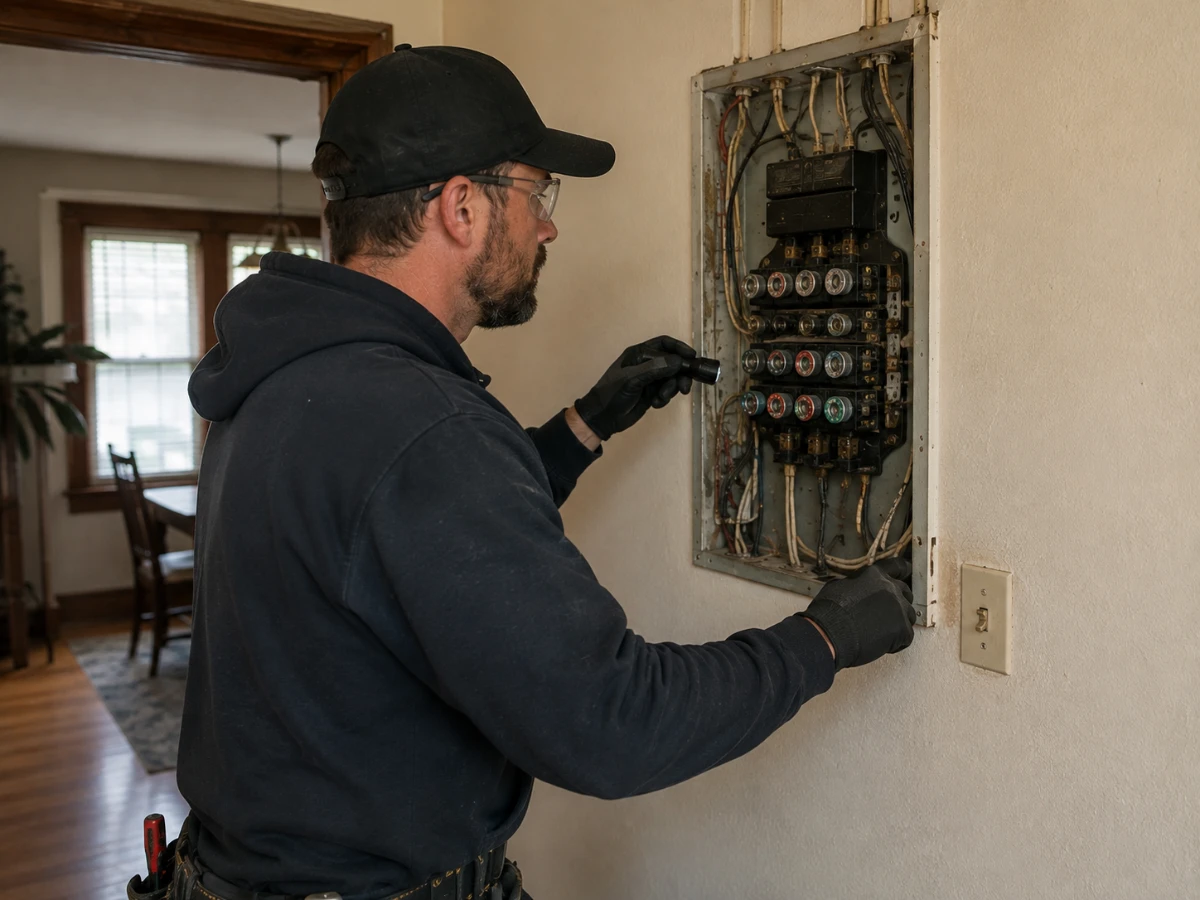
Twin Cities neighborhoods include everything from pre-war Minneapolis and St. Paul bungalows to postwar ramblers, 1960s and 1970s split-levels and newer suburban homes. Electrical systems may have been modified several times over the life of the property.
During an assessment, an electrician may find:
- Knob-and-tube wiring in older sections of the home
- Ungrounded two-prong circuits
- Aluminum branch wiring common in some 1960s and 1970s homes
- Older 60A or 100A electrical services
- Crowded or outdated panels
- Missing neutral conductors at switch boxes
- Shared-neutral branch circuits
- Wiring modifications from previous renovations
- Limited pathways for new cables
These findings don't automatically mean the smart-home project has to stop.
They may simply mean the electrical infrastructure needs to be addressed before new technology is connected.
For example, a smart switch may require a neutral conductor that isn't present in an older switch box. A larger smart energy system may require a load calculation and additional panel capacity. A whole-home networking system may require new structured cabling and pathways through finished walls.
Loch Monster Electric notes that older Twin Cities homes can often be retrofitted for smart technology, but wiring updates may be necessary to provide the reliable power modern smart devices require.
The Minnesota electrical inspection checklist also specifically addresses requirements involving neutral conductors, grounding, junction-box accessibility and conductor connections, which is why an older home's existing configuration should be assessed before new wiring is concealed.
What Does Smart Home Wiring Cost in the Twin Cities?
There isn't a standard price for smart home wiring because it can be anything from installing a few dedicated circuits to wiring an entire home for automation and networking.
The biggest cost factors are:
- The number of new circuits
- The number and length of cable runs
- Whether walls or ceilings need to be opened
- Accessibility to attics, basements or crawlspaces
- The condition of existing wiring
- Electrical panel capacity
- Need for a sub-panel or service upgrade
- The type of structured cabling
- Permit and inspection requirements
- Whether the project is completed during a remodel or after the walls are finished
A home’s layout, existing electrical system and specific automation goals ultimately determine the actual scope of work. A generic figure won’t give you the full picture.
To see how Loch Monster structures our rates, you can check our pricing & estimates page. If you are ready to map out your smart home project, give us a call or schedule a visit so we can take a look at your setup and provide a realistic assessment.
How to Choose the Right Twin Cities Electrician for Smart Home Wiring
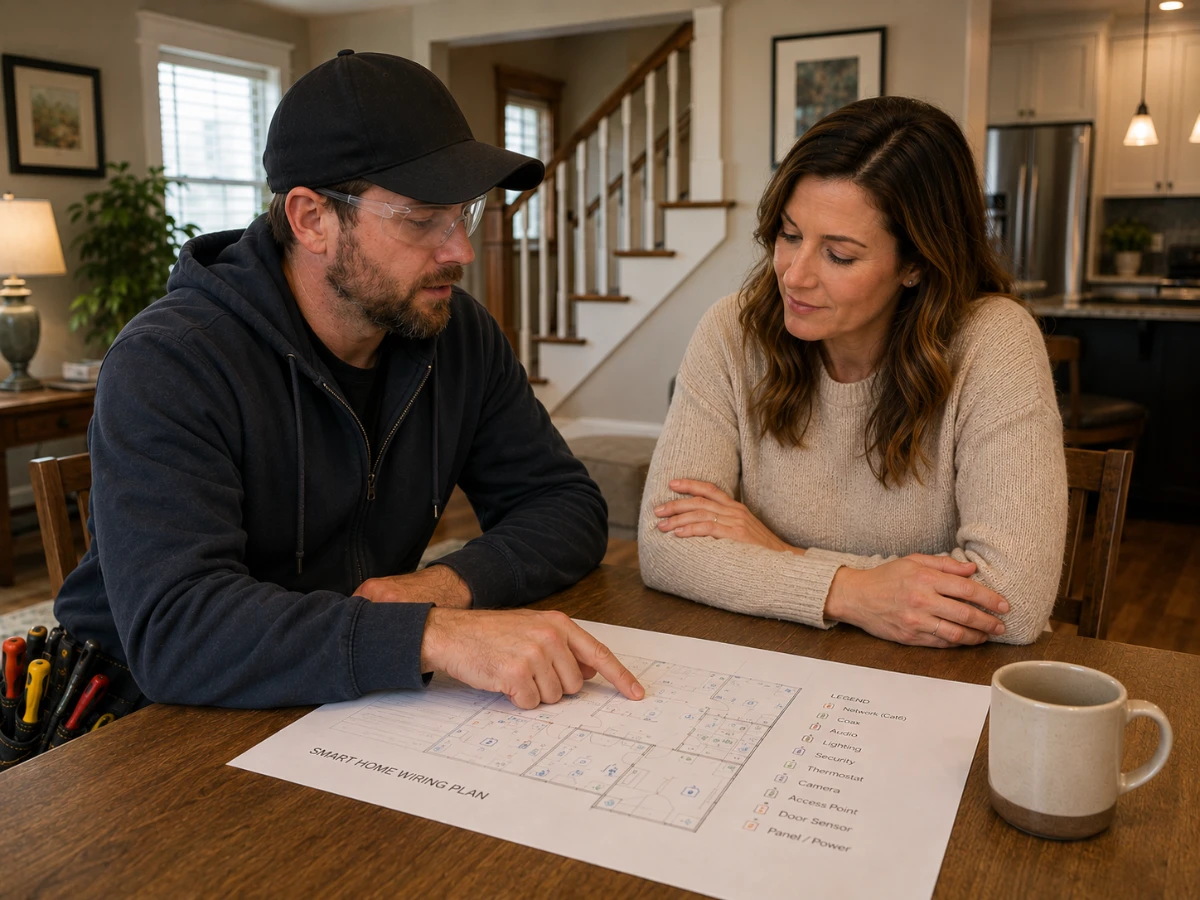
Smart home wiring sits at the intersection of traditional electrical work, networking and automation.
That means you shouldn't choose a contractor based solely on whether they can install a smart switch.
Look for an electrician who can show:
Minnesota licensing and credentials
Businesses contracting to perform electrical work in Minnesota must be licensed electrical contractors, and electricians performing the work must meet Minnesota's licensing or registration requirements.
Ask for the contractor's Minnesota license information and verify it through the Department of Labor and Industry.
Experience with older Twin Cities homes
A contractor familiar with Minneapolis and St. Paul housing stock will understand that a 1920s bungalow, 1960s rambler and 1980s split-level can present very different wiring challenges.
That experience becomes particularly valuable when the project involves knob-and-tube wiring, aluminium branch wiring, ungrounded circuits or older panels.
Experience with both electrical and smart-home infrastructure
Ask whether the electrician has experience with:
- Smart switches and dimmers
- Neutral-wire retrofits
- Structured cabling
- Dedicated equipment circuits
- Panel upgrades
- EV charger circuits
- Smart energy systems
- Whole-home automation infrastructure
Knowledge of local permits and inspections
Permit requirements and inspection authorities can vary depending on the location and scope of work.
Your electrician should know which authority handles your project and what needs to be inspected before the wiring is concealed.
Ability to coordinate with smart-home integrators
If you're building a sophisticated automation system, the electrician and smart-home integrator need to work from the same plan.
The electrician handles the electrical infrastructure while the integrator may handle programming, networking and device configuration. Clear coordination prevents expensive changes later.
Loch Monster Electric is a licensed Minnesota and Wisconsin electrical contractor serving Minneapolis, St. Paul and the surrounding metro. Its residential smart-home services include electrical infrastructure upgrades, smart switch wiring and dedicated power connections for connected systems.
Can You Install Smart Home Wiring Yourself?
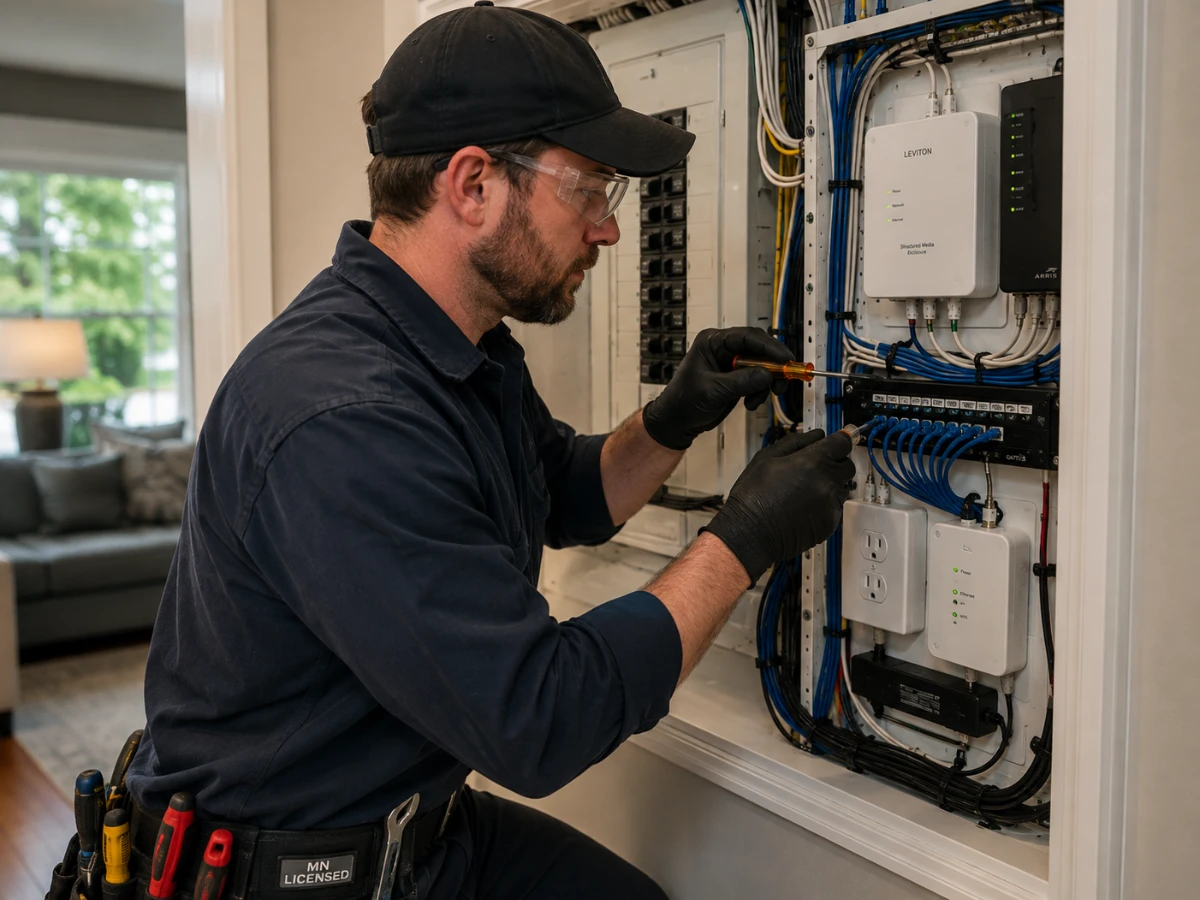
There is an important difference between installing a smart-home device and installing the electrical infrastructure that powers it.
A homeowner may be able to install certain consumer smart devices according to the manufacturer's instructions. But electrical work, such as installing, altering or repairing electrical wiring, is regulated in Minnesota.
Minnesota does allow certain homeowners to obtain electrical permits for work on their own property, subject to the applicable requirements and inspection process. The rules are different from simply hiring someone without the required licensing, however, and local inspection authority matters.
For projects involving new circuits, panel work, concealed wiring or significant alterations to the home's electrical system, working with a licensed electrical contractor is the safer approach.
Key Takeaway
Most Twin Cities homes can support modern smart-home technology, including many older Minneapolis and St. Paul properties.
The important question isn't whether the house is old. It's whether the electrical infrastructure is capable of supporting the technology safely and reliably.
A smart home wiring assessment can identify missing neutral conductors, outdated wiring, limited panel capacity, inadequate grounding and the best pathways for structured cabling before you spend money on devices that your existing system may not be ready to support.
If you're planning a smart-home upgrade, have a licensed Twin Cities electrician assess the home's electrical system first. It can help you understand the actual scope, budget for the right upgrades and avoid opening finished walls twice.
Frequently Asked Questions
Yes. Most older homes can be retrofitted, although the existing electrical system may need upgrades first. Bungalows, ramblers and older split-levels may have ungrounded circuits, aluminum wiring, knob-and-tube remnants, older panels or switch boxes without neutral conductors. These conditions don't necessarily prevent a smart-home upgrade, but they can increase the scope and cost of the project.
Regular electrical wiring primarily delivers power to lights, outlets and appliances. Smart home wiring can include that electrical infrastructure plus dedicated circuits, neutral conductors, structured Ethernet cabling, coax, conduit and other pathways designed to support connected devices and future automation. The goal is not simply to power a device. It's to create reliable infrastructure for the entire smart-home system.
A small project involving a few circuits or switch-box modifications may take only a few days of onsite work. A larger whole-home project involving structured wiring, panel upgrades, permits and inspections can take several weeks from initial assessment to final completion. For comparison, Loch Monster Electric estimates that a typical Twin Cities panel upgrade may require one to two days of physical installation, with the inspection process potentially adding one to three weeks depending on scheduling and local inspection backlogs.
Minnesota regulates electrical work, including installing, altering, repairing and planning electrical wiring and technology systems. Electric contractors that perform this work must be licensed, while individuals performing electrical work must meet the state's licensing or registration requirements. Certain homeowners can perform electrical work on their own property under Minnesota's homeowner permit rules, but that does not make all smart-home electrical work a DIY project. For new circuits, panel work, concealed wiring and complex upgrades, a licensed electrician can ensure the work is designed, permitted and inspected correctly.