
Cold-Climate Heat Pumps: Why Standard Models Fall Short in Minnesota Winters
Updated: Nov 20, 2026
This article explains why conventional heat pumps may struggle during Minnesota's coldest winter conditions and how cold-climate models are engineered to maintain useful heating performance at lower temperatures. It explains the significance of 5°F and -13°F performance, HSPF2, COP and heating capacity. The article also explains why proper sizing, low-temperature performance data and backup heat considerations matter when selecting a heat pump for a Minnesota home.
Minnesota winters put heating systems through a serious test. When outdoor temperatures plunge below zero, a heat pump has less heat available to extract from the outdoor air, while the home continues losing heat to the cold.
That does not mean heat pumps cannot work in Minnesota. Modern cold-climate heat pumps are specifically engineered for low-temperature operation. They use technologies such as variable-speed compressors and enhanced refrigerant control to maintain economical heating performance in conditions where older or conventional systems can struggle.
What matters is whether a heat pump is simply able to run in the cold or is designed and tested to keep heating well, and efficiently, at low temperatures.
For Minnesota homeowners considering a heat pump, that distinction can affect comfort, electricity use and whether supplemental heating is needed during the coldest parts of winter.
Why Standard Heat Pumps Can Struggle in Minnesota
Air-source heat pumps move heat rather than creating it through combustion. During heating mode, the outdoor coil absorbs heat from outside air and the refrigerant cycle transfers that heat indoors.
As outdoor temperatures fall, there is less heat available in the air and the heat pump has to work harder to extract it. That can reduce both heating capacity and efficiency.
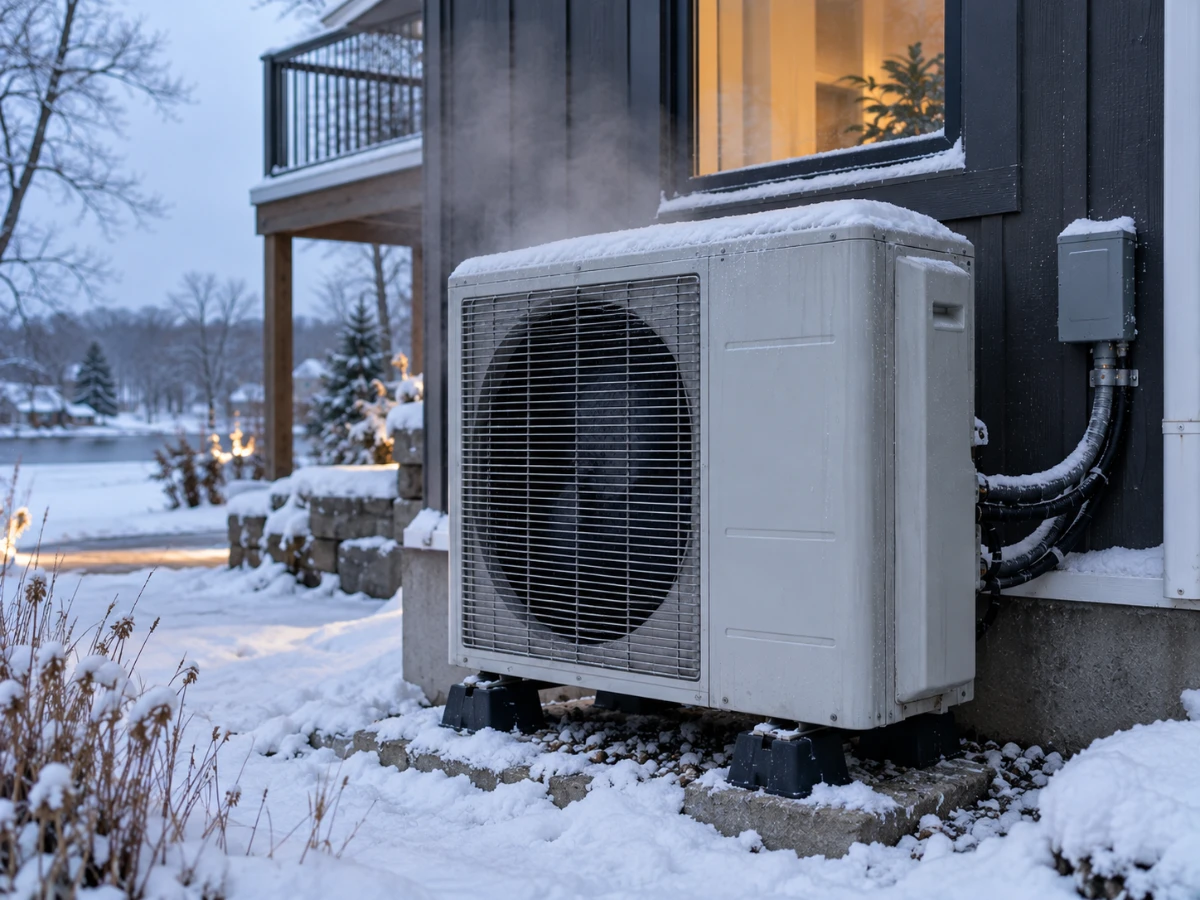
Older generations of air-source heat pumps were particularly poorly suited to severe cold. Minnesota Department of Commerce research found that newer cold-climate equipment represented a significant improvement, with some systems able to operate down to 0°F or even -13°F and reduce the need for backup heat.
The problem with choosing a conventional system for a Minnesota home is therefore not simply whether it will turn on below freezing. The better question is how much heat it can deliver when the outdoor temperature drops sharply.
A system that still runs but loses much of its heating capacity in the cold may need extra electric resistance heat or a backup heating source to keep the home comfortable.
What Makes a Heat Pump Cold-Climate Ready?
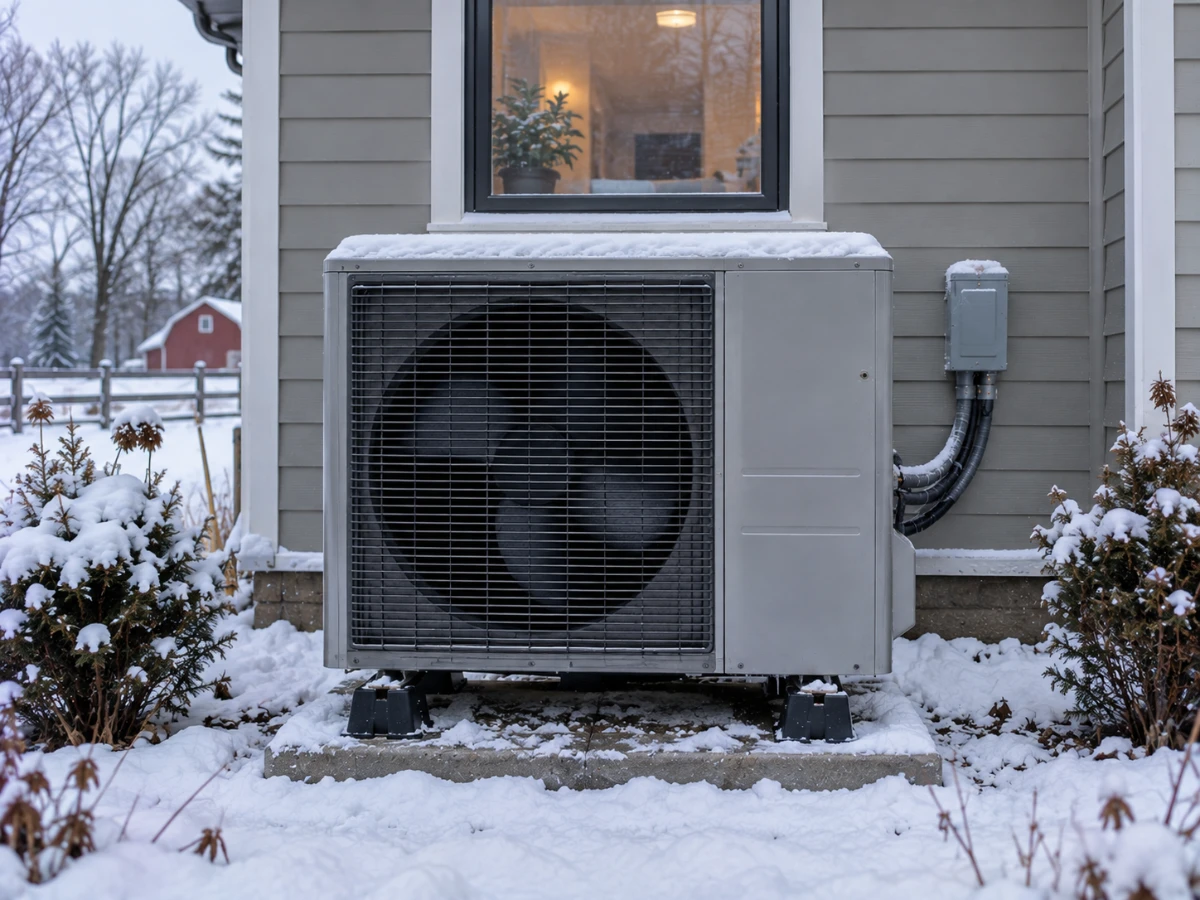
Cold-climate heat pumps are designed around the conditions that cause conventional systems to lose performance.
Variable-speed or inverter-driven compressors can adjust their output instead of operating only at fixed stages. Manufacturers can also use refrigerant and compressor technologies specifically designed to maintain performance at lower outdoor temperatures.
But homeowners should look beyond marketing terms such as “all-weather” or “extreme climate.”
ENERGY STAR's current criteria provide a more useful benchmark. For a qualifying cold-climate split-system heat pump, the equipment must meet minimum efficiency requirements and demonstrate low-temperature performance at 5°F. The system must also pass a controls verification procedure.
That is important because cold-climate performance is not defined simply by an advertised minimum operating temperature.
A heat pump may be capable of running at -13°F, but that does not tell you how much heat it can produce at that temperature.
Why the 5°F and -13°F Numbers Matter
Minnesota homeowners will often encounter temperatures well below freezing, so looking only at a heat pump's standard heating rating is not enough.
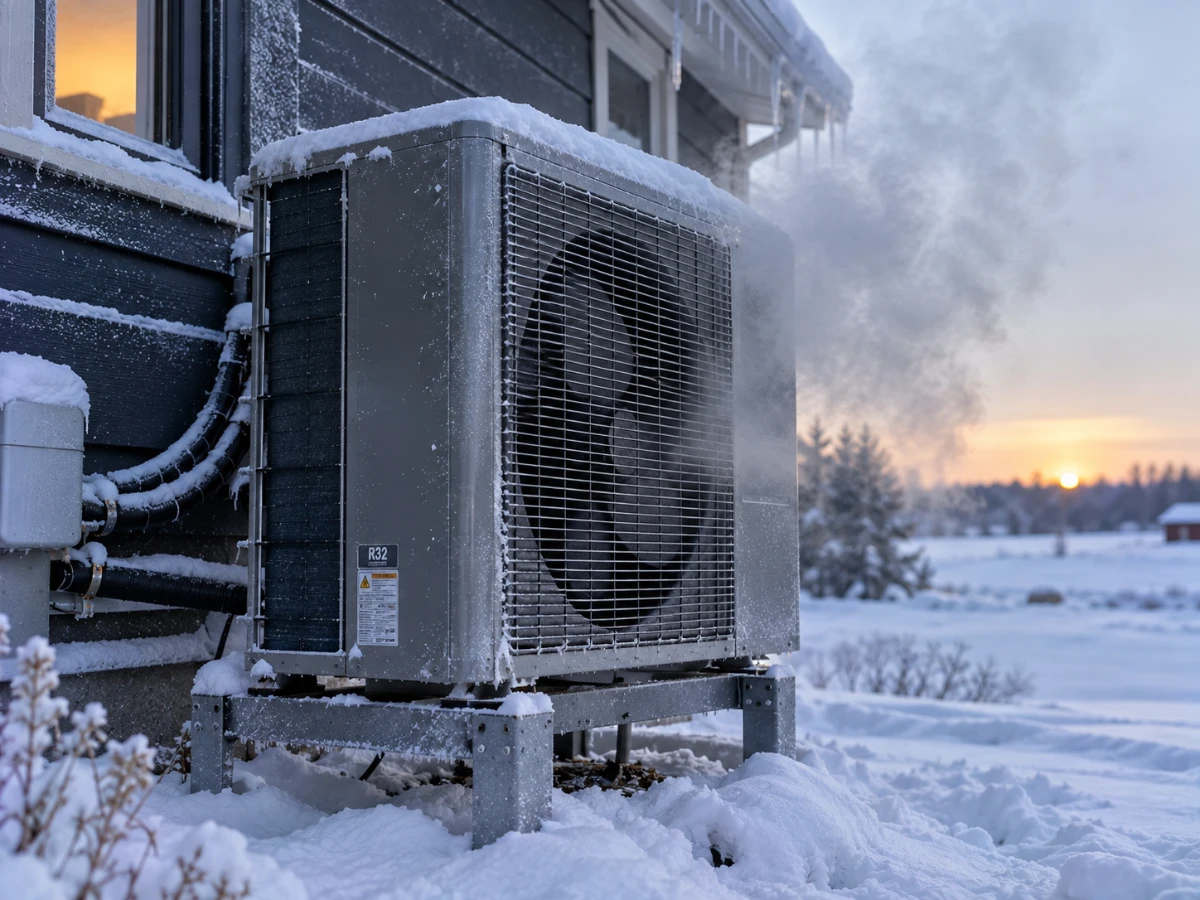
The newer performance metrics give homeowners and contractors more information about what happens as temperatures fall.
ENERGY STAR tests cold-climate heat pumps at 5°F and requires them to demonstrate both efficiency and retained heating capacity at that temperature.
The -13°F figure is useful as another practical benchmark because it represents a much more severe operating condition. Minnesota research has documented heat pumps capable of operating to around this temperature, while current manufacturers offer equipment designed for continued operation in subzero conditions.
But these numbers should not be interpreted as guarantees that a system will deliver its full rated output at -13°F.
For example, Bosch's IDS Ultra is designed to provide 100% of its heating capacity at 5°F and continue heating at temperatures down to -13°F, but Bosch specifies that capacity is reduced at the lower temperature.
That distinction is exactly why contractors need extended performance data when selecting equipment for homes in a cold climate.
Why Efficiency Ratings Matter
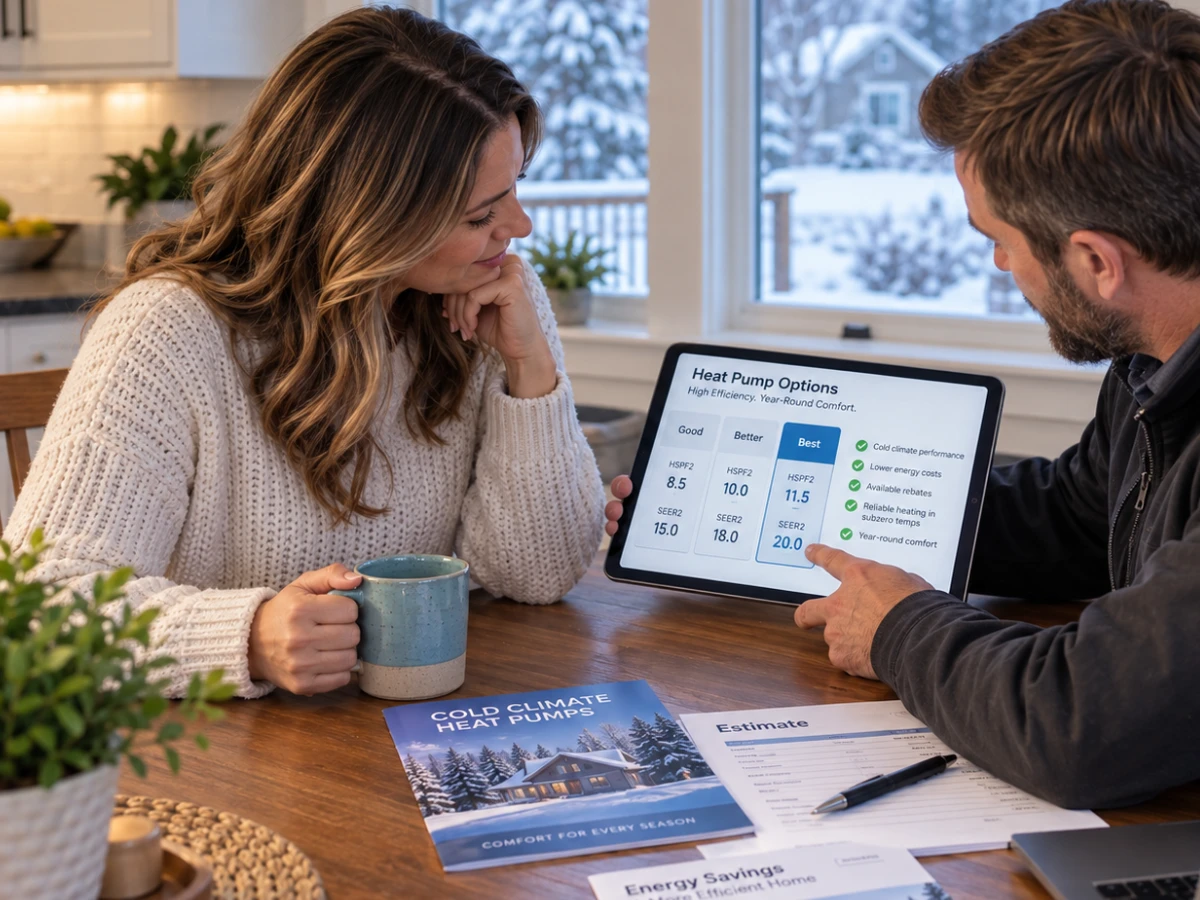
Minnesota homeowners comparing heat pumps will encounter ratings such as HSPF2, SEER2 and COP.
HSPF2 measures heating efficiency across a defined heating season. SEER2 measures seasonal cooling efficiency. COP, or coefficient of performance, describes the amount of heat delivered relative to the electrical energy used in a particular operating condition.
For cold-climate applications, HSPF2 alone does not tell the entire story.
ENERGY STAR's current criteria require cold-climate split systems to achieve at least 8.5 HSPF2 for non-ducted systems and 8.1 HSPF2 for ducted systems, alongside the low-temperature performance requirements.
The reason is straightforward: a high seasonal efficiency rating does not necessarily tell a homeowner how the system will perform during a particularly cold night.
A contractor should therefore look at the matched system's performance data at low temperatures, not simply choose the model with the highest headline HSPF2 number.
Why Proper Sizing Is Just as Important as the Equipment
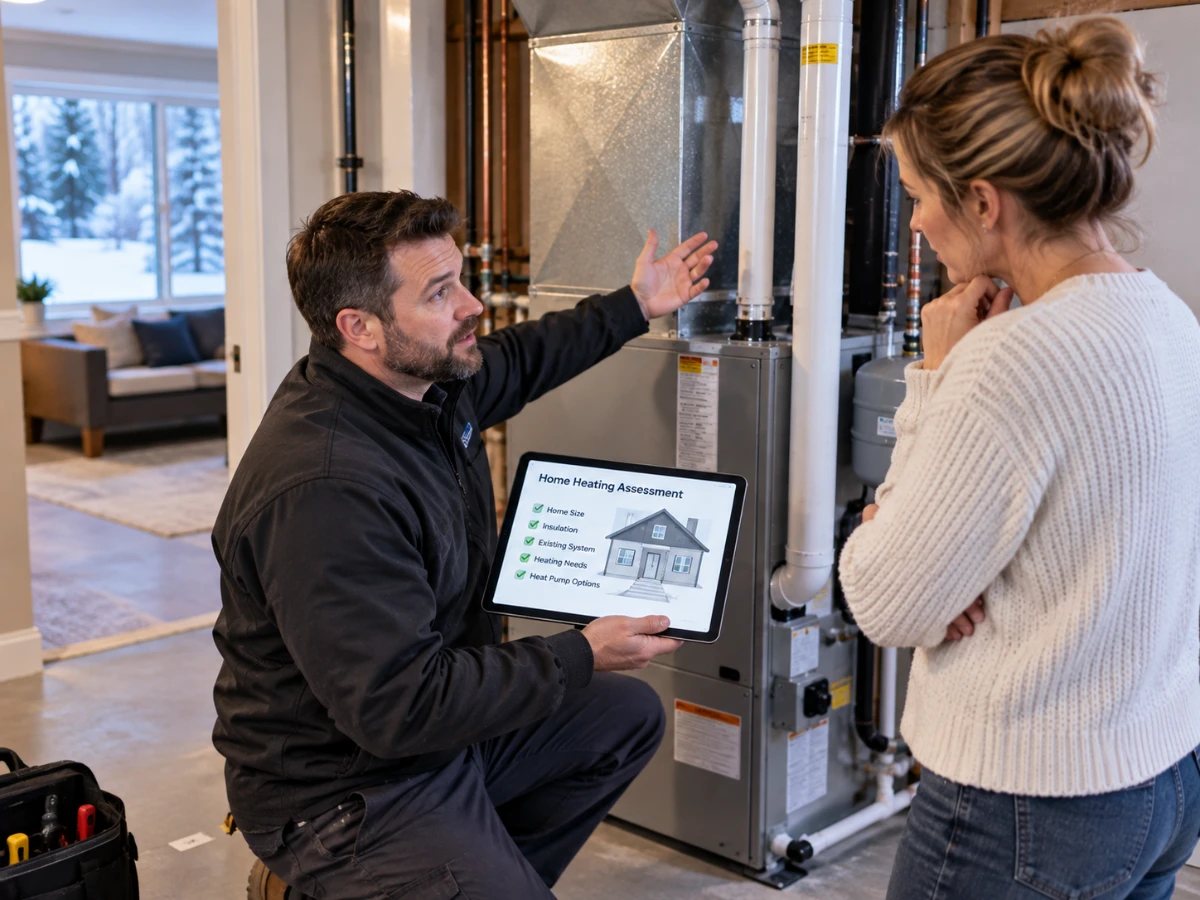
Even an excellent cold-climate heat pump can perform poorly if it is incorrectly sized or installed.
A heat pump needs to be matched to the home's heating load, insulation, windows, ductwork and other characteristics. Electrical service providers recommends having contractors determine the home's heating and cooling requirements using recognised sizing methods, including ACCA Manual J, before selecting equipment.
Oversizing can cause its own problems, while undersizing can leave the system unable to meet the home's heating demand during the coldest weather.
The contractor also examines the heat pump's extended performance data rather than relying only on the nominal capacity listed on the equipment label. That data can show how much heating capacity remains available at temperatures such as 5°F and below.
For a Minnesota installation, that information is much more useful than simply asking whether a heat pump is “rated for cold weather.”
Do You Still Need Backup Heat?
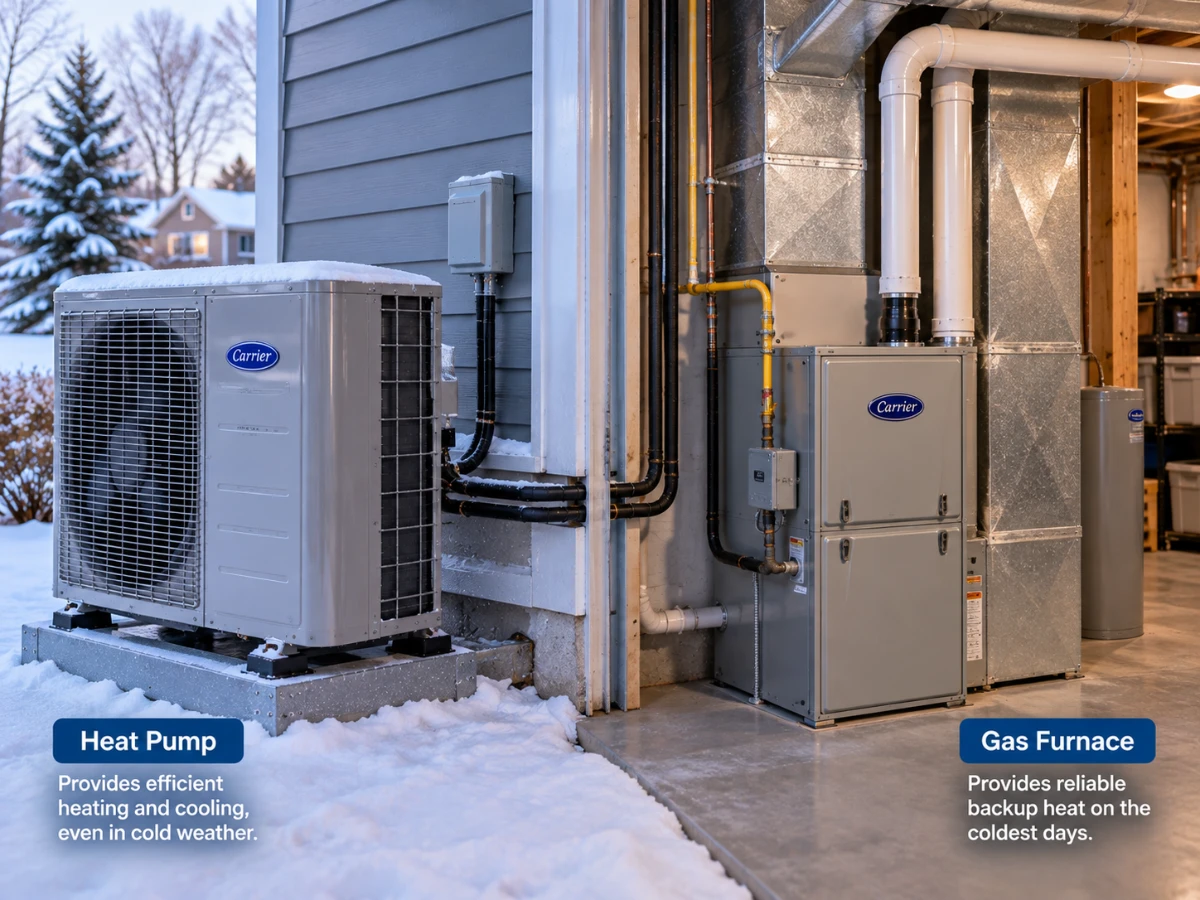
Installing a cold-climate heat pump does not automatically mean a home will never need another heat source.
ENERGY STAR notes that cold-climate heat pumps can continue operating below 5°F, but recommends discussing system sizing and potential backup heating with a qualified contractor for homes in particularly cold climates.
Backup heating can take different forms depending on the home and system. Some heat pumps use electric resistance heat, while homeowners with existing furnaces may choose a dual-fuel configuration.
The right approach depends on the home's heating load, equipment performance at design temperatures, existing HVAC infrastructure and the homeowner's comfort priorities.
The important point is that backup heat should be part of the system design conversation rather than an afterthought.
What Minnesota Homeowners Should Look for in a Heat Pump
When comparing heat pumps for a Minnesota home, start with the specific system rather than the brand name.
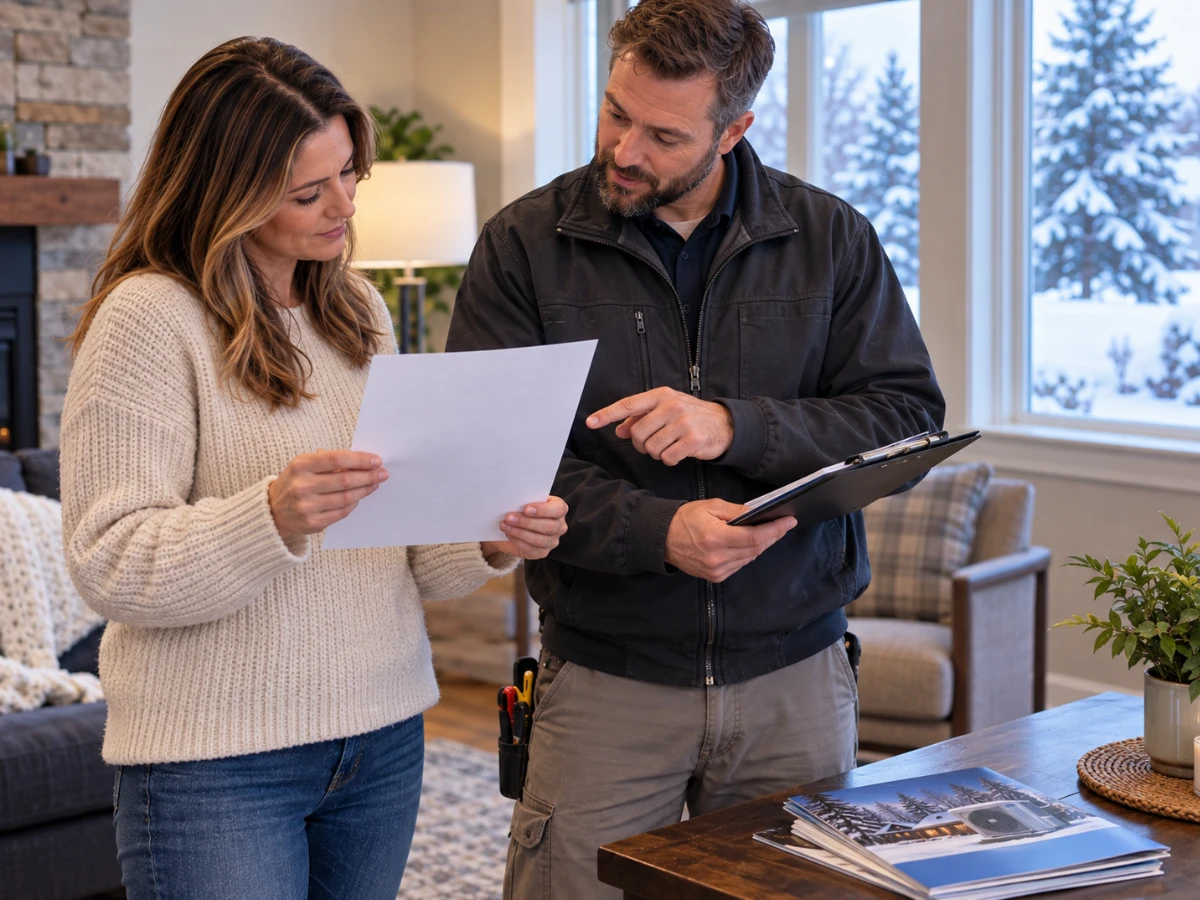
Ask the contractor to provide:
- Cold-climate certification or qualification, where applicable
- HSPF2 and SEER2 ratings
- Heating capacity at 5°F
- Low-temperature operating information below 5°F
- The system's expected performance at the home's design temperature
- Whether backup heat is recommended
- Proper equipment sizing based on the home's heating load
- Confirmation that the indoor and outdoor units are a matched, approved combination
ENERGY STAR's certification database can also help homeowners identify products carrying the current cold-climate designation.
Minnesota's Department of Commerce also defines eligible equipment for its residential heat-pump rebate program as an ENERGY STAR-certified, cold-climate-rated air-source heat pump, illustrating the importance of looking for recognised certification rather than relying only on manufacturer marketing.
The Bottom Line for Minnesota Winters
Standard heat pumps and modern cold-climate heat pumps are not interchangeable when the goal is reliable heating through a Minnesota winter.
Today's cold-climate systems can maintain useful heating performance at temperatures that challenged older generations of heat pumps. But the number on the marketing brochure is only the starting point. A system's performance at 5°F and below, efficiency rating, heating capacity, sizing, and backup strategy all matter.
For a Minnesota home, the safest approach is to select a properly sized, cold-climate-rated system with verified low-temperature performance rather than choosing a conventional heat pump and assuming it will perform the same way when the temperature drops below zero.
A qualified HVAC professional can compare the home's heating load with the matched equipment’s performance data and determine whether an all-electric system or a heat pump paired with backup heat is the better fit.
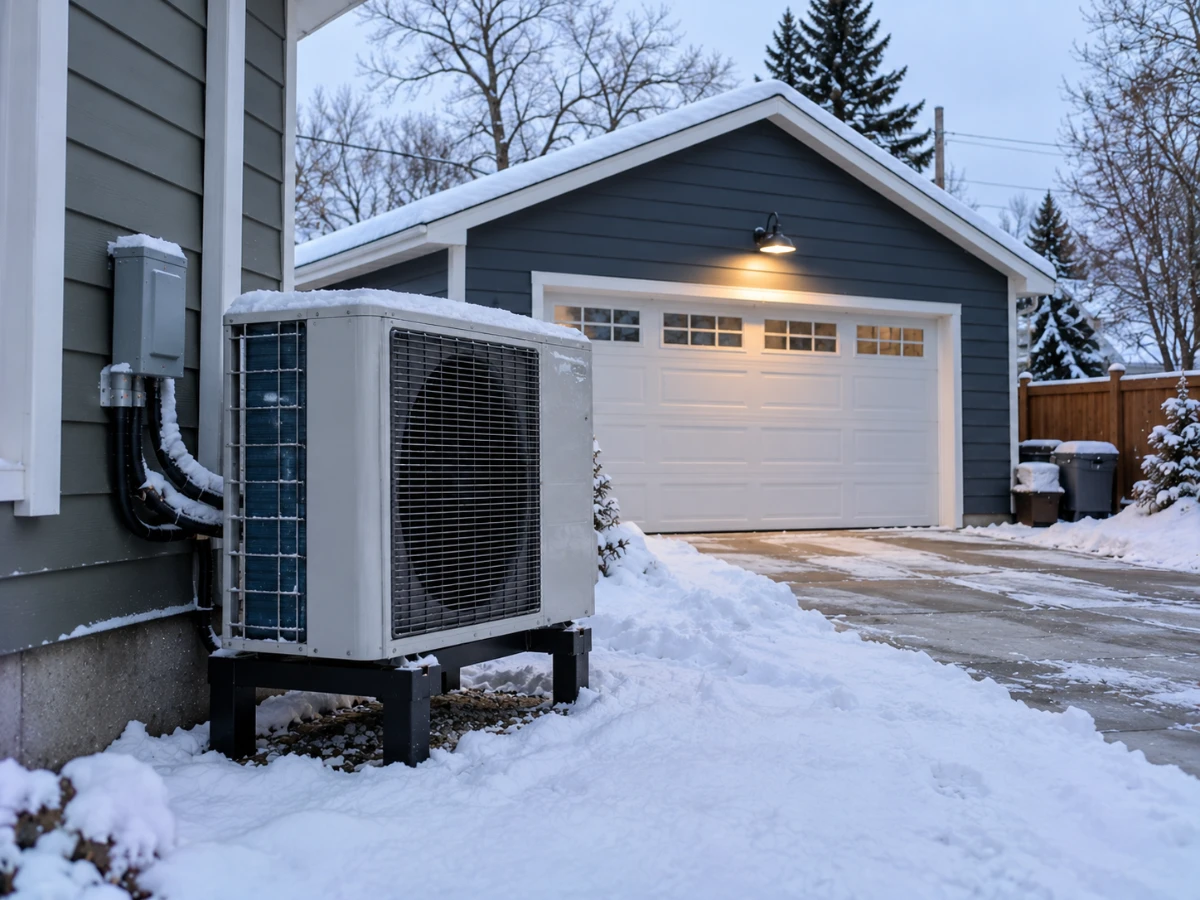
Frequently Asked Questions
Cold-climate models are designed to maintain useful heating performance at much lower outdoor temperatures than conventional systems. Current ENERGY STAR criteria test performance at 5°F, while many cold-climate models are designed to continue operating at temperatures around -13°F or lower. Actual capacity varies by model.
Yes. Many modern cold-climate heat pumps are designed to continue heating at -13°F or below. However, operating at that temperature does not mean the system will produce its full rated heating capacity. You should always check the manufacturer's low-temperature performance data.
ENERGY STAR's current cold-climate criteria require at least 8.5 HSPF2 for non-ducted split systems and 8.1 HSPF2 for ducted split systems, along with separate low-temperature performance requirements. A contractor should evaluate the complete system rather than HSPF2 alone.
Not necessarily, but backup heat may be appropriate depending on the home's heating load, system sizing, and local design temperatures. A contractor can determine whether electric resistance, a furnace or another backup source is necessary.
Each manufacturer offers cold-climate models, but their low-temperature performance varies by model. Homeowners should compare the specific matched system's certification, HSPF2 rating, and heating capacity at 5°F and below before choosing equipment.