The 200-Amp Upgrade: Preparing Classic Twin Cities Homes for Winter Loads
Updated: Nov 17, 2026
This guide explains why older 60-amp and 100-amp panels struggle in Minnesota winters, which cold-weather loads add up fastest, how an NEC load calculation checks your real capacity, what a 200-amp panel upgrade in the Twin Cities looks like in winter, and available rebates.
It’s 6 a.m. in January, and it’s minus 15 outside. The furnace kicks on, the block heater has been plugged in all night, and someone just turned on the space heater in the bathroom. Then the kitchen lights dip, and you hear that familiar click from the basement. Another tripped breaker, and another trip down the stairs in your socks.
Plenty of older homes around the metro run fine all summer, but start struggling the minute the first cold snap hits. In this guide, we’ll cover why winter is the hardest season on older 60 to 100-amp panels, which cold-weather loads add up the fastest, and what a 200-amp panel upgrade in the Twin Cities looks like.
We’re Loch Monster Electric, a team of licensed electricians serving homeowners across Minnesota and Wisconsin. We work on older Twin Cities homes all winter long. Ready to get started right away? Call us at 763-292-1191 or fill out our contact form and we’ll get back to you.
Winter Electrical Bottlenecks in Classic Minnesota Homes
Few places do old houses better than the Twin Cities. Think of the brick homes and bungalows across Minneapolis, the big front porches of St. Paul, and the solid postwar ramblers in first-ring suburbs like Roseville and Mounds View.
Most homes built before 1970 started out with 60-amp or 100-amp service, or even screw-in fuse boxes. In summer, that gap stays hidden. During winter, the family is indoors, the furnace runs for hours, and short days keep the lights on longer. Holiday lights and electric blankets can pile on top, but space heaters are often the tipping point.
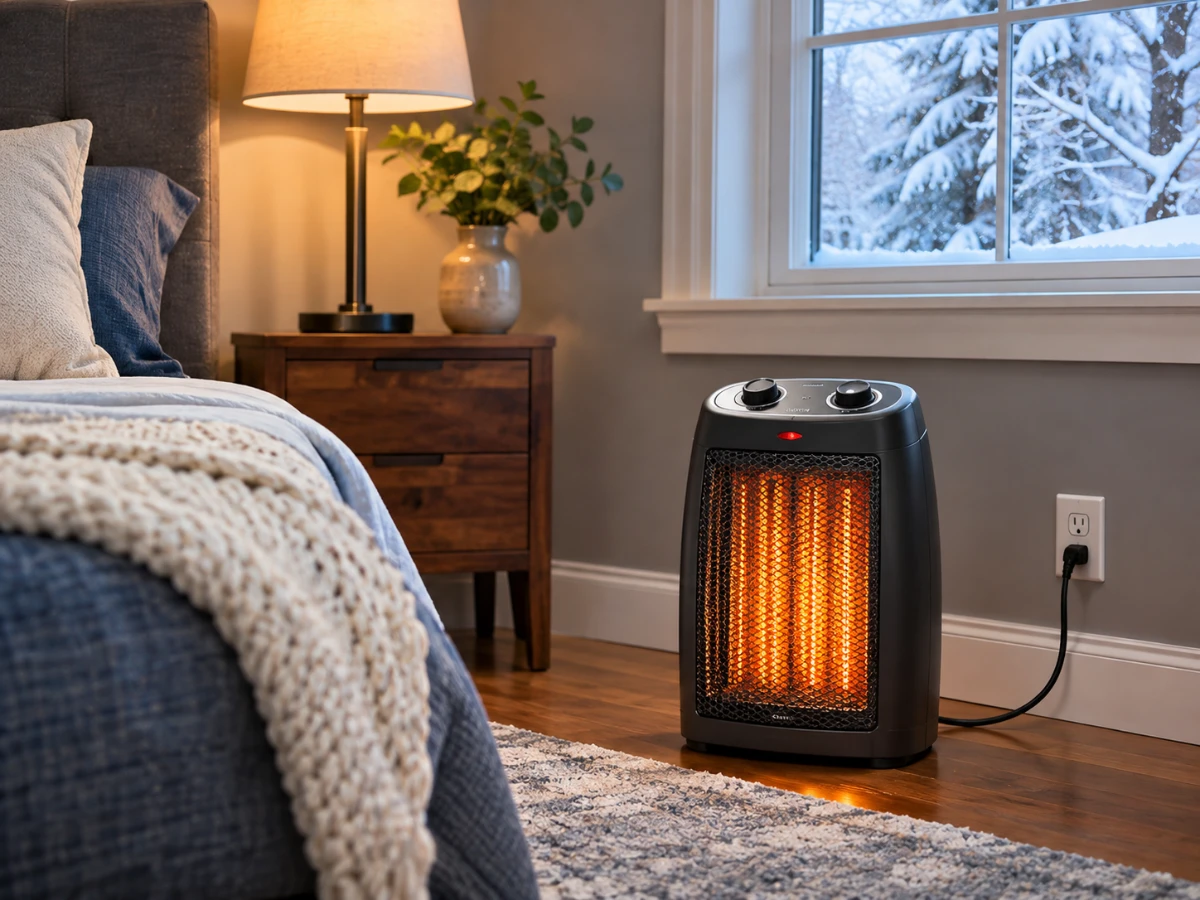
Our guide on adding a dedicated circuit for space heaters explains why a 1,500-watt heater overloads a standard 15-amp line and the warning signs to watch for.
Why 60A & 100A Panels Struggle Under Winter Loads
An old panel doesn’t fail all at once. Each winter wears it down a little more. Here’s what we see most often in older panels around Minneapolis and St. Paul between November and March.
Dimming and Flickering Lights (Inrush Current)
When your furnace blower, heat pump compressor, or sump pump starts, it pulls a quick burst called inrush current. That burst can be about 5 to 6 times the motor’s normal running current, briefly starving shared lighting circuits of voltage. In January, your furnace may cycle several times an hour, day and night. So a flicker you barely noticed in the fall is a sign that your service is stretched thin.
Thermal Stress and Breaker Fatigue
Winter loads can run for hours. Heat tape, roof de-icing cables, block heaters, and space heaters often stay on all night. That steady draw heats up a crowded panel, wearing out breakers until they trip too easily or fail to trip at all. Panels in cold garages can also rust from condensation.
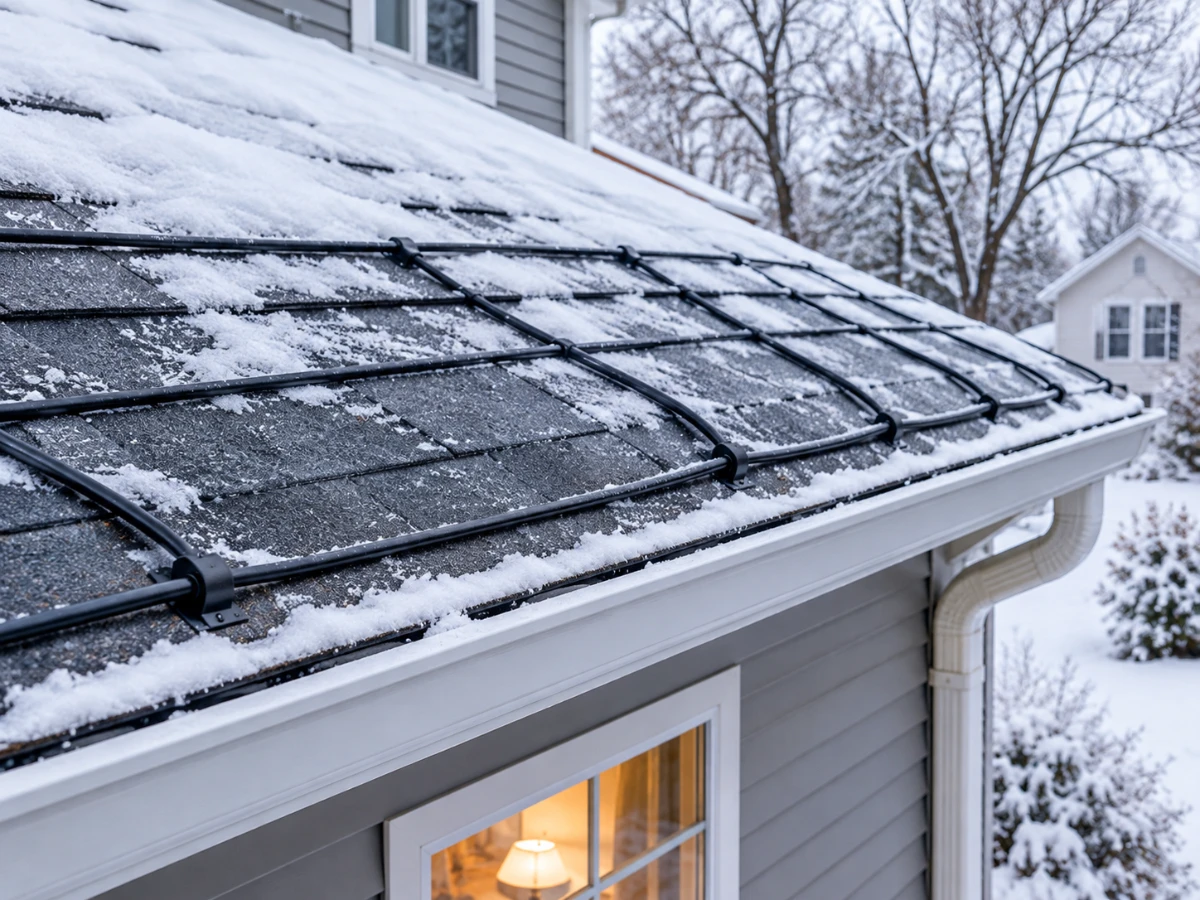
Our guide on testing gutter heat trace cables shows how to check those cables and their GFCI protection before the first heavy snow.
Hazardous Legacy Panels
Many older Twin Cities homes still have screw-in fuses or discontinued panels like Federal Pacific Stab-Lok or Zinsco. These are known for breakers that don’t trip safely during an overload. That’s a serious risk when a heavy winter load runs all night while your family sleeps.
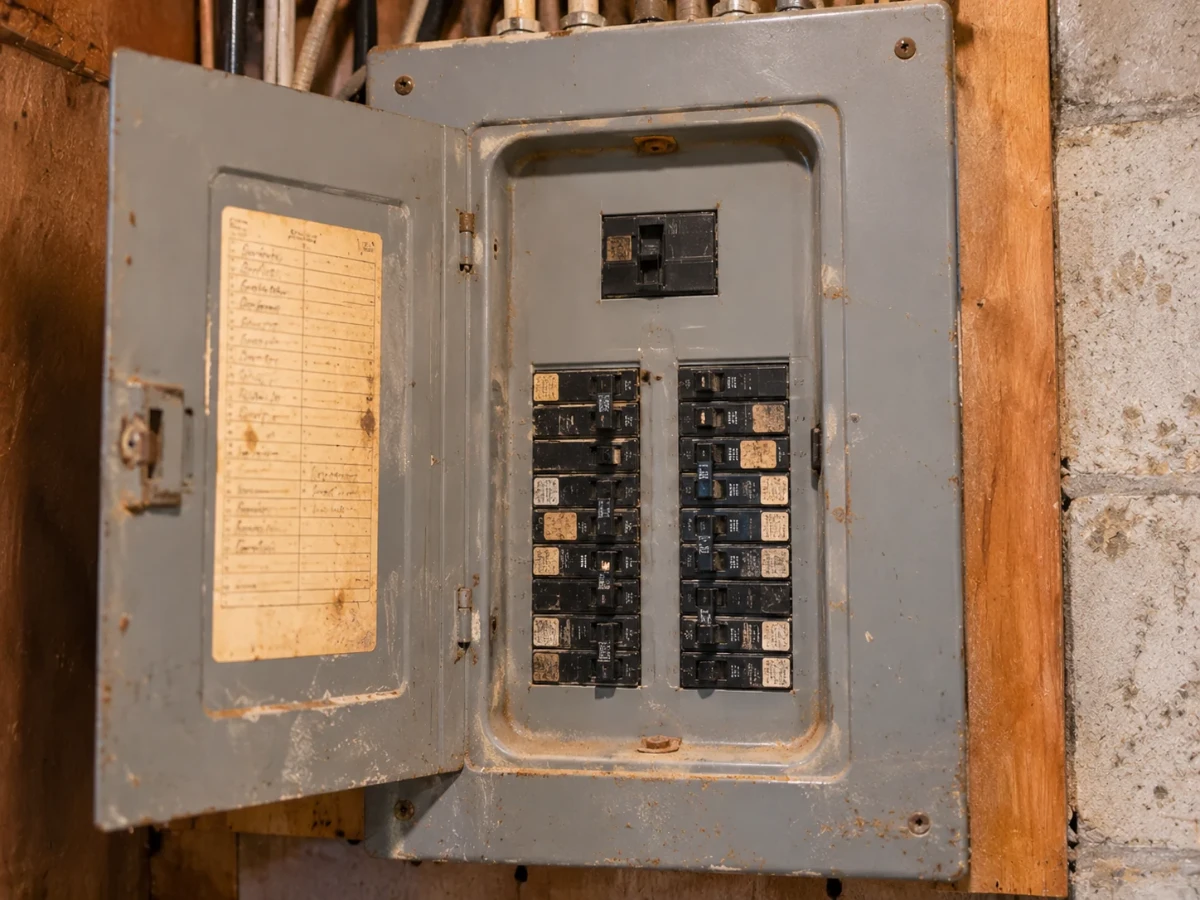
Our article on electrical panel recalls in Minnesota covers which panels to look for and how they can affect your home insurance.
Key Modern Upgrades Driving 200-Amp Demand
These newer upgrades put the most strain on your panel right when the temperature drops.
Cold-Climate Heat Pumps and Electric Backup Heat
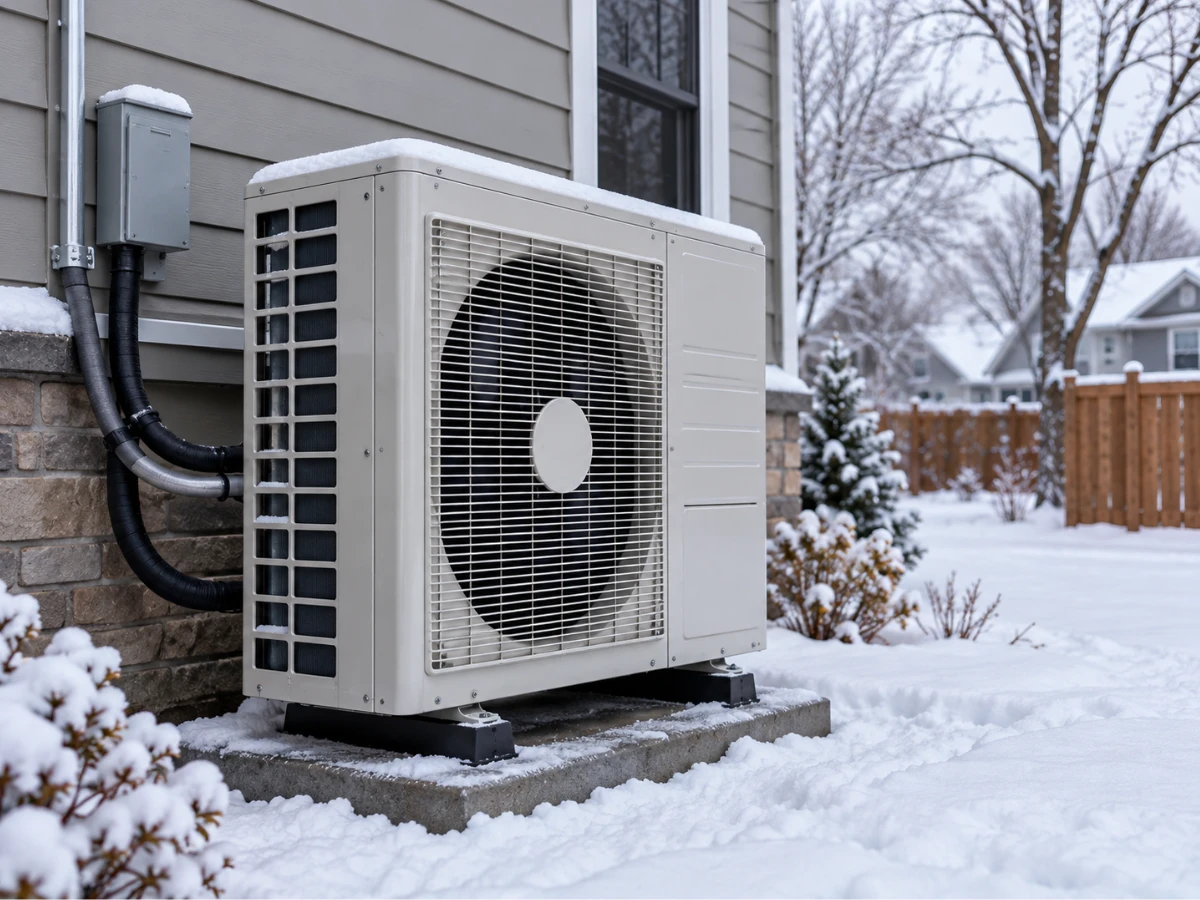
More Twin Cities homeowners are swapping gas furnaces for heat pumps, which are efficient but work harder on cold days. When the temperature dips below zero, many switch on electric backup heat strips for additional warmth. A typical backup heat strip uses about as much power as six or seven space heaters running at once.
Heat pump electrical requirements usually mean new dedicated circuits for the outdoor unit and the backup heat, plus an outdoor shutoff switch. Many older 100-amp panels simply don’t have room for all of this.
Level 2 EV Chargers in Cold Weather
A Level 2 EV charger needs its own dedicated circuit, about the same size as the one for an electric range. Since EVs lose range in the cold, you will charge more often, using extra power during winter. Most of that charging happens overnight, right when your heat is running hardest.
Our EV charger installation service handles Level 2 charger wiring, permits, and garage setup.
Basement Finishes and Extra Heat
Basements in older homes tend to run cold. So homeowners in places like Roseville often add electric baseboard or in-floor heat to a finished basement, which adds to the winter load. New basement circuits also need AFCI and GFCI protection, special breakers and outlets that help prevent fires and shocks. Many older panels aren’t compatible with these devices.
Our GFCI and AFCI installation service finds the gaps, adds GFCI outlets where it’s damp, and puts AFCI breakers right in your panel.
Physical Breaker Slots vs. True NEC Load Capacity
Empty slots in your panel don’t mean you have power to spare. Your panel’s main rating and the utility service line set the real limit.
How Electricians Check Your Real Capacity
Before adding big equipment like heat pumps or EV chargers, a licensed electrician will run an NEC load calculation. We look at:
- Your home’s size: Square footage sets a baseline for lights and outlets.
- Major appliances: Ranges, dryers, water heaters, and EV chargers all count.
- Heating or cooling: They don’t run at the same time, so only the larger one counts. During a Minnesota winter, that’s almost always heat.
That means your panel has to handle your peak winter electrical load on the coldest night of the year, not a hot July afternoon.
When You Need the 200-Amp Panel Upgrade
If the numbers come up short during your load calculation, a 200-amp upgrade is the safest fix. Your home gets room to run everything at once, so you’re not unplugging space heaters or resetting breakers on the coldest mornings. You also get space for the heat pump, EV charger, or finished basement you’re planning next, without squeezing more onto a panel that’s already maxed out.
Learn more about how we handle load balancing and installation on our electrical panel upgrade services.
What to Expect During a 200-Amp Panel Upgrade
Yes, you can upgrade in the middle of a Minnesota winter. Here’s what changes when the job happens in winter:
- Scheduling around cold snaps: We keep an eye on the forecast and try to avoid the worst days. On install day, we aim to have the power off during the warmest hours, not first thing in the morning.
- Holding in the heat: Your furnace won’t run while the power is off. Turn the heat up a few degrees the night before, keep doors and windows shut during the installation, and close off drafty rooms so the house can hold its warmth longer.
- Sump pump planning: A midwinter thaw can bring water into the basement. If your sump pump runs often, we’ll make a plan for it before shutting off the power.
- Clear access outside: Shovel a path to your meter and knock snow and ice off the meter base so the crew can work safely.
- Frozen ground: Deep frost can slow down driving new ground rods, so we plan extra time and the right equipment for it.
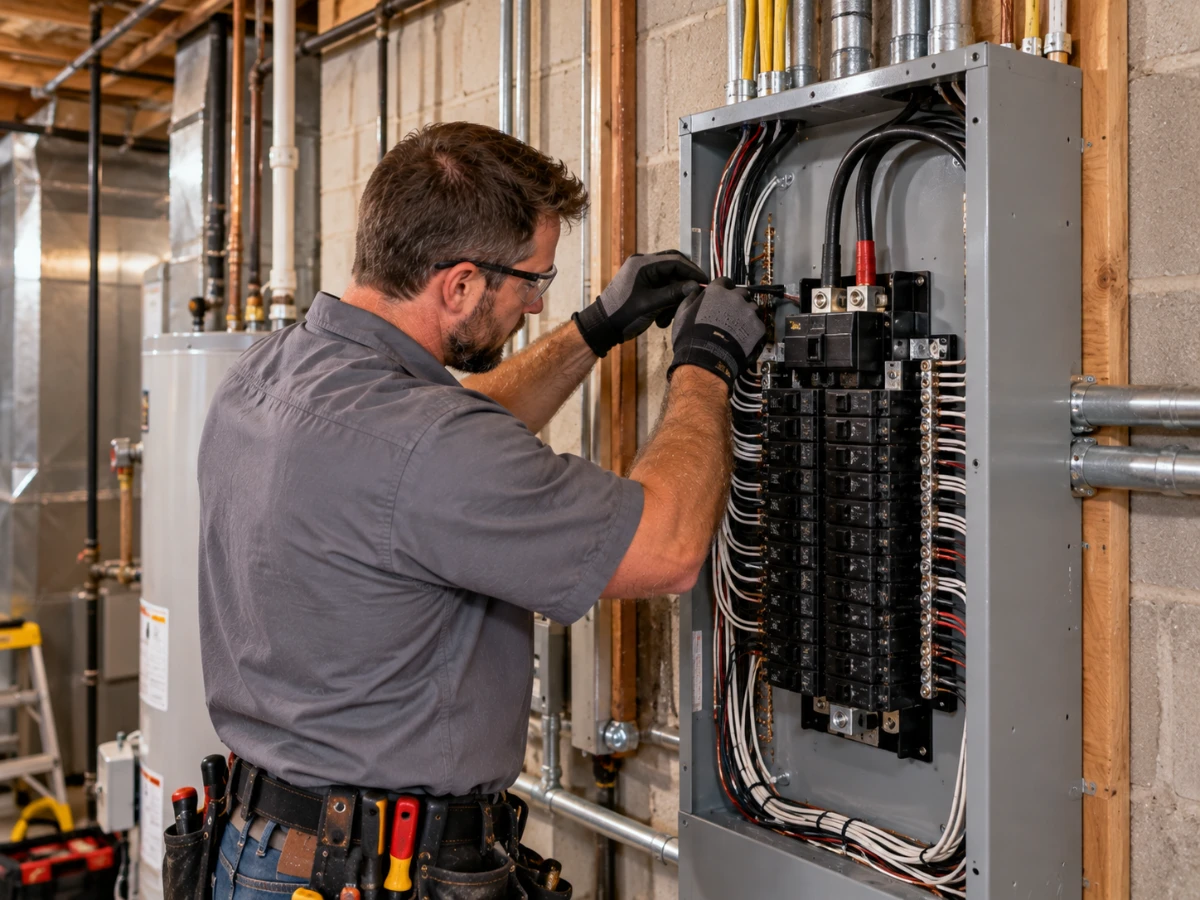
- Laying out winter loads: While the panel is open, we give big winter loads like backup heat strips, EV chargers, and space heater circuits their own breakers and spread them evenly across the new panel.
Our electrical panel upgrade cost guide covers typical Twin Cities price ranges and when a sub-panel makes sense instead.
Whole-Home Surge Protection Is Now Required
Ice storms bring down lines across the metro, and there could be a surge when the power comes back. Under the current Minnesota electrical code, a surge protection device (SPD) is required when service equipment like panels are replaced. Our surge protection services can add a panel-mounted SPD to shield your furnace control board, heat pump electronics, and any other sensitive electronics from getting damaged.
Stack Up Utility Rebates
Qualifying Xcel Energy customers can get up to $1,500 back when a licensed electrician increases their service amperage. Minneapolis homeowners who pair the upgrade with a heat pump may qualify for a city bonus, too. Our panel upgrade rebates in Minnesota guide walks through each program’s rules and how to apply.
Professional Panel Installation with Loch Monster Electric
Classic homes need a careful touch, and winter adds snow, slush, and road salt to the mix. A panel swap in a historic 1920s Mac-Groveland home or South Minneapolis bungalow often means working around original woodwork and fragile plaster-and-lath walls. We keep access cuts as small as we can, protect your floors from snowmelt and salt, and respect the details that make your house special.
Loch Monster Electric handles 200-amp service upgrades across the metro, from Minneapolis and St. Paul to Roseville and Mounds View. We provide transparent time and materials pricing, so you pay for the actual work and parts your job needs, not inflated markups.
Get Your Home Ready for Winter
Your old panel doesn’t have to send you to the basement every cold morning. A 200-amp service upgrade gives your classic Twin Cities home steady power for heat, EV charging, and everything else a Minnesota winter throws at it.
Loch Monster Electric is the licensed Minnesota electrician that can size your home for its coldest night, handle the permits and inspection, and install your new panel the right way. Give us a call at 763-292-1191 to get started.
Frequently Asked Questions
Winter loads tend to run longer and overlap more. Your furnace blower, space heaters, heat tape, block heaters, and holiday lights can all be on at once, while everyone is home using lights and appliances. On an older 60-amp or 100-amp service, that stacked load pushes circuits and the main panel close to their limits.
Your power, including your furnace, is usually off for several hours on install day. Most homes hold their heat well over that time, especially if you keep doors and windows shut. Loch Monster Electric will plan the shutoff around your schedule and the weather, and talk through any concerns about pipes or your sump pump ahead of time.
Often, yes. A load calculation should come first, because a heat pump with electric backup heat can be one of the biggest loads in your home. If your current service can’t handle it on the coldest day of the year, upgrading first saves you from trips and overloads later. It may also help you qualify for rebates.
They can. A block heater can draw anywhere from a few hundred watts to about 1,500 watts, and it often runs all night. Roof de-icing cables and pipe heat tape add more steady load. Each one is small on its own, but together with your heating system, they eat into your panel’s capacity.
Cold alone usually isn’t the problem, but moisture is. Panels in unheated garages, porches, or on exterior walls can collect condensation, which leads to rust and corrosion over time. If you see rust, water stains, or white crusty buildup inside your panel, call us to take a look.
For a small home with gas heat, a gas water heater, and few electric extras, it may be. But if you add a heat pump, electric backup heat, an EV charger, or a heated basement, 100 amps often runs out of room on the coldest nights. A load calculation is the only way to know for sure.