Beating November Blackouts: Safe Backup Power Options for Minnesota Homes
Updated: Nov 13, 2026
This guide explains why November storms knock out power across the Twin Cities and the risks of a winter blackout, from frozen pipes to flooded basements. It compares three backup power options for Minnesota homes: interlock kits, manual transfer switches, and standby generators, plus code rules.
It's a cold November night in Maple Grove. Sleet is ticking against the windows, the wind is howling, and then, click. The lights go out, the furnace goes quiet, and you start wondering how long the house will stay warm. If you've lived in Minnesota for a while, you've probably been here before.
This guide covers why November storms hit the Twin Cities so hard and three safe backup power options Minnesota homeowners can count on: generator interlock kits, manual transfer switches, and whole-home standby generators. We'll also cover the code rules that keep everyone safe.
We're Loch Monster Electric, licensed electricians serving homeowners across Minnesota and Wisconsin. We've helped plenty of local families get prepared for the first big storm of the season.
Ready to get started right away? Call us at 763-292-1191 or fill out our contact us form, and we'll help you set up backup power for your home.
How November Storms in Minnesota Can Cause Blackouts
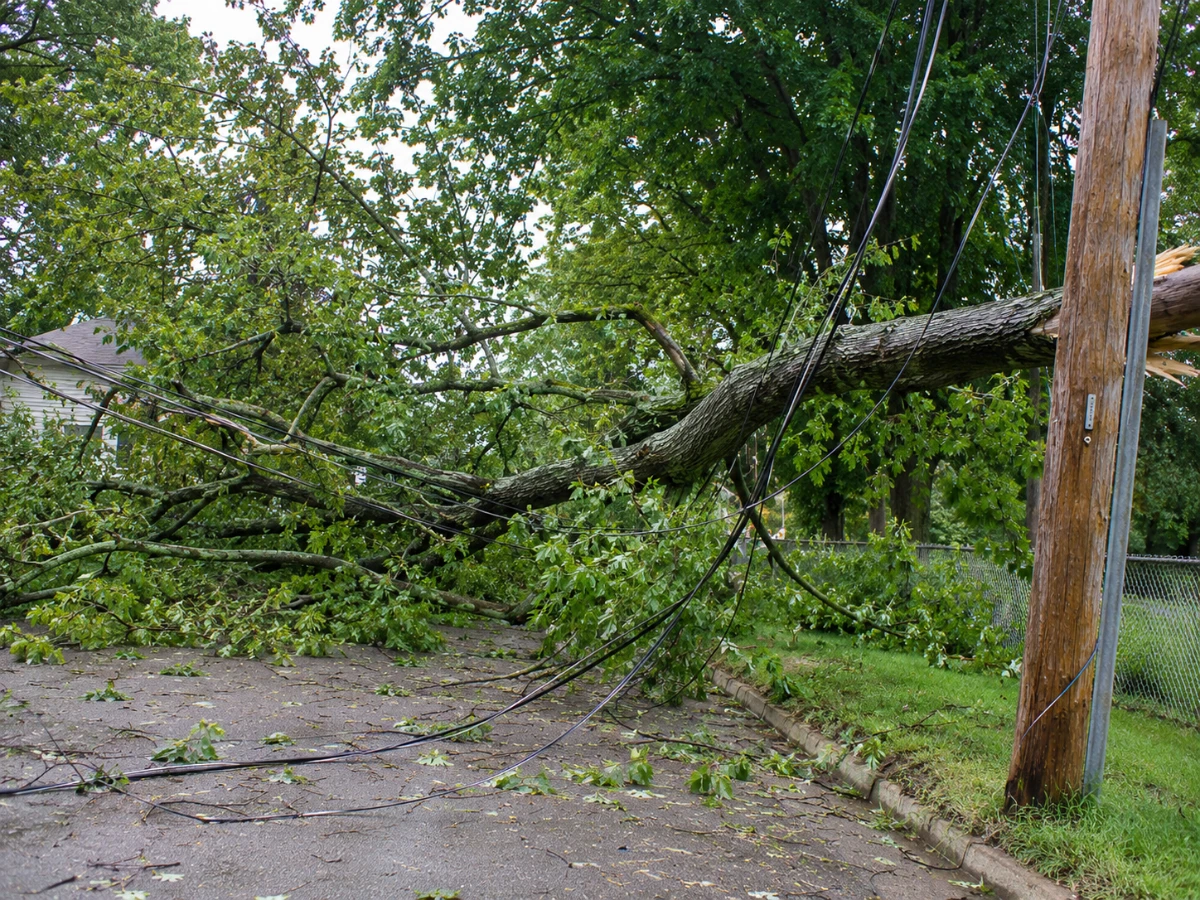
November is when Minnesota weather starts getting serious with strong winds, heavy sleet, and freezing rain which can coat tree branches in ice until they snap. Across Hennepin and Ramsey counties, and down into Dakota County suburbs like Eagan, those falling limbs regularly tear down utility lines. When that happens, whole blocks can go dark for hours or even days.
A blackout in July is a hassle, but one during a sub-zero cold snap is a life and safety emergency. Without power, even a gas furnace can't run, and indoor temperatures start falling fast.
Making things worse, some homeowners try risky workarounds like running extension cords through open windows which ironically wastes heat by letting the freezing air back in. Others use illegal DIY backfeeding into dryer outlets, creating severe fire hazards and sending lethal voltage to utility workers on the grid.
What you really need is a safe, code-compliant emergency backup power system that keeps your heating system, sump pump, and fridge running through the worst of winter.
If a storm has already damaged your electrical system, our power outage after storm repair guide covers the first safety steps, who's responsible for which repairs, and how reconnection works.
The Severe Risks of Extended Winter Blackouts
Every winter power outage can cause further damage to your home and puts your family at risk. Here are the three biggest threats:
- HVAC freeze-up and pipe bursting: Your gas furnace needs electricity for its igniter, blower, and 24-volt thermostat control circuit. Lose power during a cold snap, and the heating stops. Pipes in exterior walls and crawl spaces can then freeze and burst, releasing hundreds of gallons of water once they thaw.
- Basement sump pump failures: Late-fall rain and freeze-thaw cycles keep groundwater moving until the ground freezes. Without power, homes near lakes and wetlands, like many in Maple Grove, can see a finished basement flood within hours. That's why sump pump backup power belongs near the top of your priority list.
- Food spoilage and medical equipment downtime: Per US Department of Agriculture (USDA) guidance, a closed fridge keeps food safe for about four hours, and a full freezer for about 48. Home medical gear like oxygen concentrators and CPAP machines often can't wait that long.
Each of these risks can be handled with the right power backup options for home use. Let's look at the three most common choices.
Backup Power Option 1: Generator Interlock Kits (Budget-Friendly Resilience)
If you already own a portable gas generator, a generator interlock kit is usually the most affordable way to use it safely. This code-approved mechanical slider plate mounts right onto your main service panel's faceplate.
- Built-in safety lock: The plate blocks the main utility breaker and the generator backfeed breaker from being on at the same time, so generator power can never flow out to the street lines.
- Outdoor power inlet: Your generator plugs into a weatherproof inlet box outside, so no cords run through windows or doors.
- Complete panel flexibility: The generator feeds the main bus bar, so you choose which circuits to power and can swap them as needed.
- Affordable entry point: It usually costs far less than a transfer switch or standby unit.
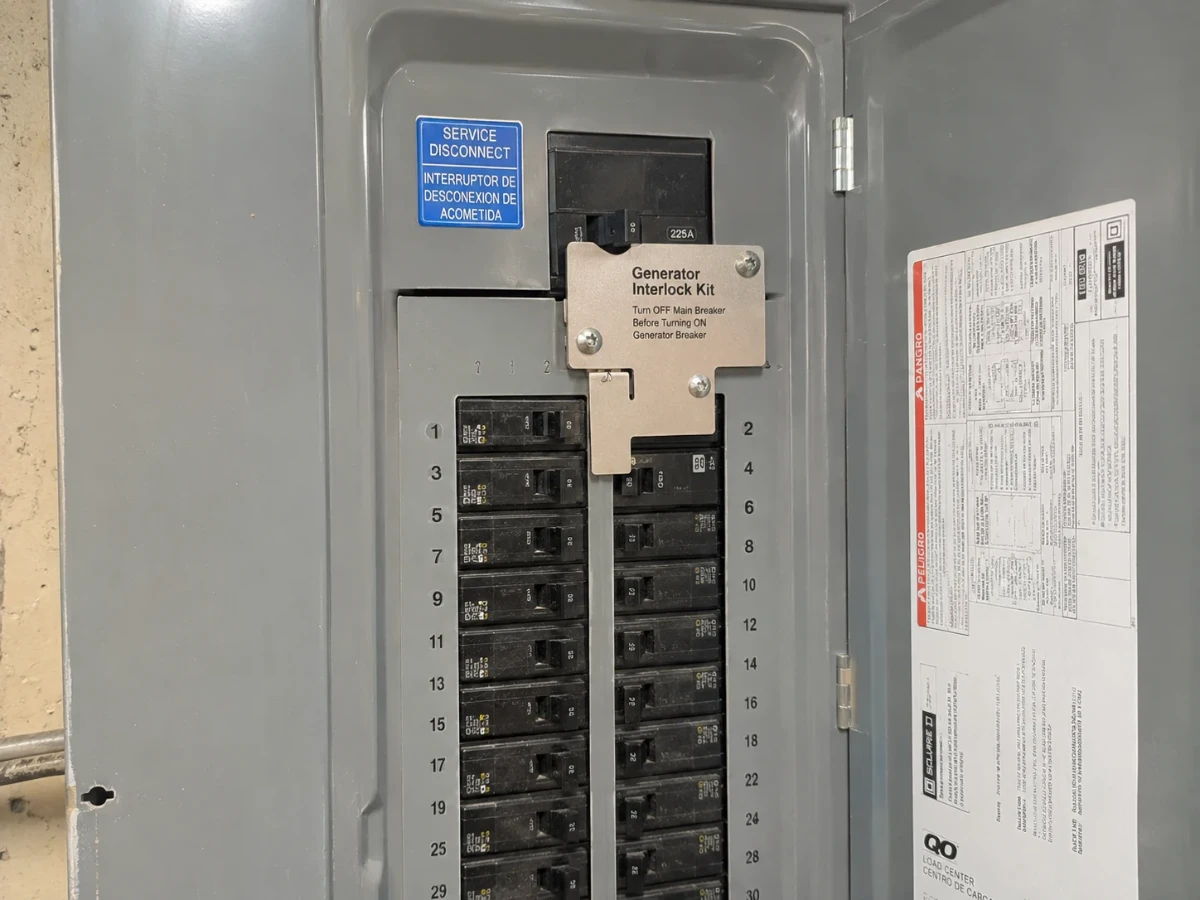
The catch: You have to manage the load yourself. Turn on too many circuits, and you'll overload the generator. The kit must also be listed for your exact panel brand and model. Many older panels in 1960s and '70s ramblers have no approved kit, or come from brands with poor safety records. If you need to replace this, our electrical panel upgrade service handles the new panel, load balancing, permit, and inspection.
Backup Power Option 2: Manual Transfer Switches (Dedicated Circuit Control)
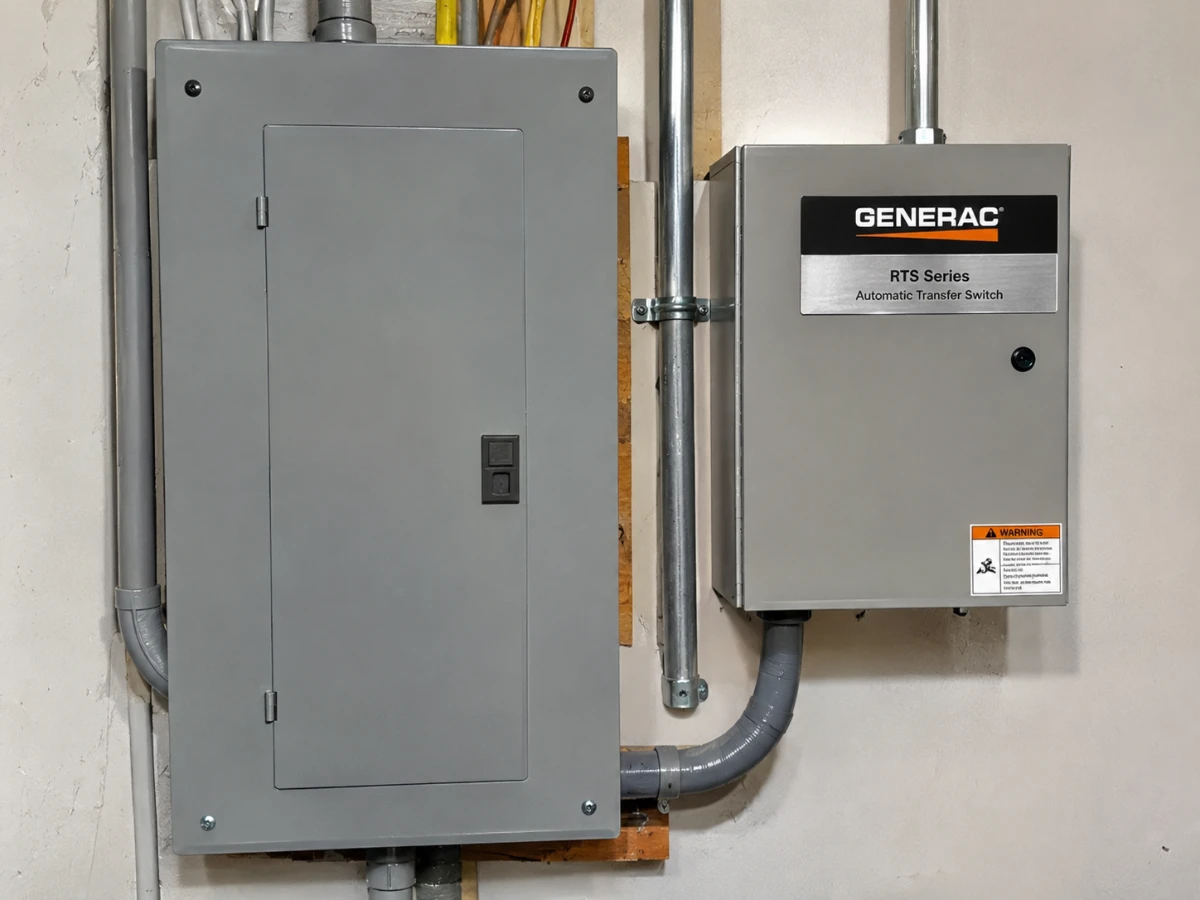
A manual transfer switch takes the guesswork out of picking circuits. We mount a small subpanel next to your main panel and move your critical circuits to it. These are usually the furnace, refrigerator, sump pump, and a few lights and outlets.
When the power goes out, you set up the generator outside, plug it into the inlet, and flip the transfer switch. That disconnects those critical circuits from the utility and connects them to the generator. No more digging through the panel in the dark.
The trade-off is flexibility, since only the pre-wired circuits get backup power. If you need to add a new circuit, you have to call your electrician again. Still, many Twin Cities families love the simplicity, especially if a spouse or teen may need to start the system while you're at work.
For a detailed comparison to decide between the first two backup power options, read our generator interlock kit vs transfer switch guide.
Backup Power Option 3: Whole-Home Automatic Standby Generators (Seamless Power)
If you want backup power that just works without having to flip a switch, even while you’re away, a whole-home automatic standby generator is the way to go. These units sit permanently on a pad outside and connect to your home's utility natural gas line or a large propane tank on your property. With a permanent fuel supply, there's no gas can to refill in a blizzard.
The system is controlled by the automatic transfer switch (ATS). When the grid power drops, it starts the generator and switches your home to backup power, usually within seconds. Once utility power is restored, it switches back and shuts the generator down.
- No manual setup: No cords, no pull-starting in the snow, and no refueling at 2 a.m.
- Full-home coverage: A properly sized unit can power nearly everything, including central air, electric ranges, and well pumps.
- Weekly self-tests: Short weekly test runs catch small problems before an outage does.
The downside here is cost. A standby system costs much more upfront than a portable generator hookup through an interlock kit or transfer switch. It also needs a professional connection to your gas line or a properly sized propane tank, plus yearly maintenance.
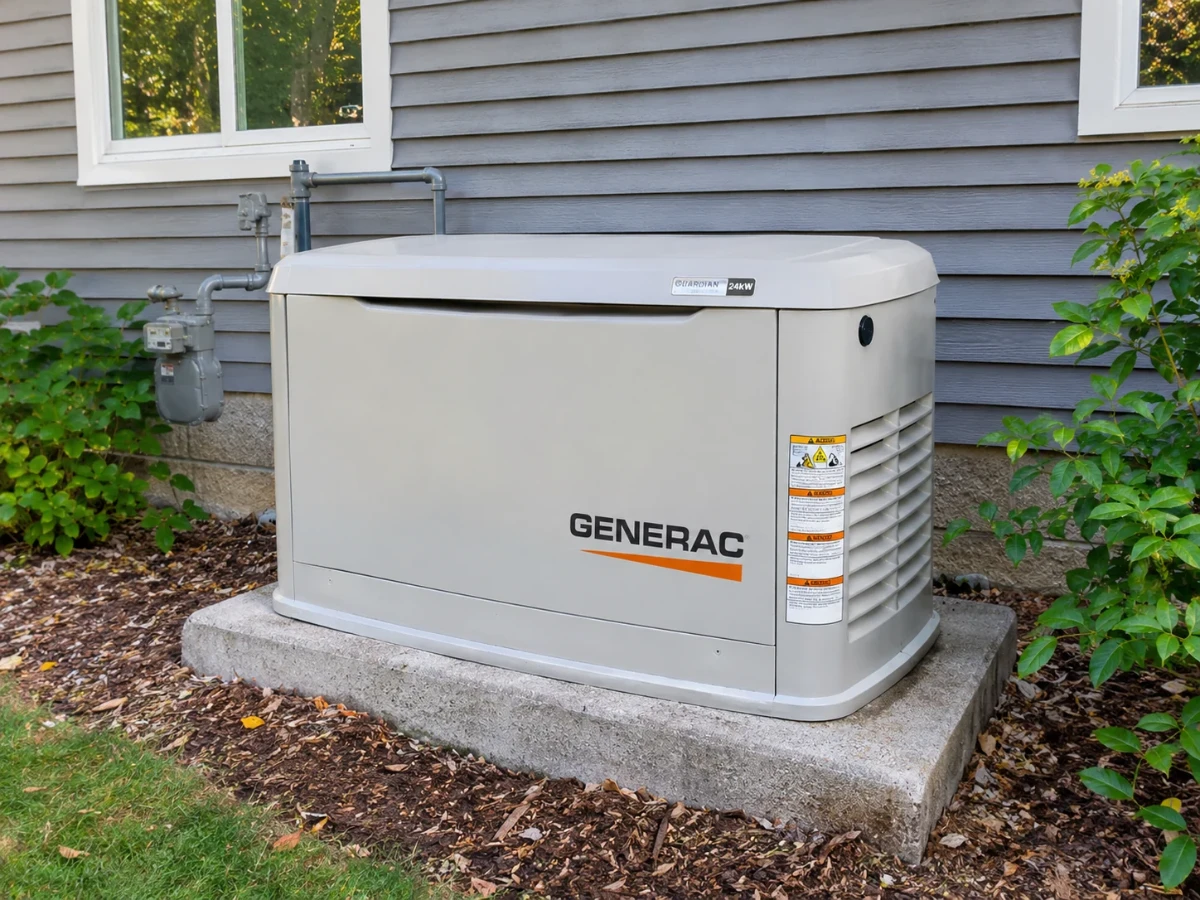
For real costs, sizing, fuel choices, and placement rules, see our generator installation in Plymouth guide.
Staying Code Compliant for Backup Power in Minnesota
Here’s what Minnesota requires for a safe generator hookup:
- Permit and inspection: State law requires an electrical permit and an inspection for every generator hookup.
- NEC safety rules: Minnesota follows the National Electrical Code (NEC). It requires approved transfer equipment, proper grounding paths, and utility-safe disconnects, so your generator can never energize the lines outside.
- Proper sizing: Your generator must be sized for the load it serves. That’s why we run a load calculation first. Motors like your furnace blower, sump pump, and fridge compressor briefly pull extra starting watts, and your generator has to handle those surges.
At Loch Monster Electric, we install code-compliant backup power systems across the Twin Cities, from Eagan to Maple Grove. Our electrical permit requirements guide explains which projects need a permit, how the homeowner exemption works, and what happens if you skip it.
Stay Warm and Powered All Winter Long
Of all the backup power options Minnesota homeowners have, there's one that fits your home and budget. Whether it's an interlock kit for your portable generator, a manual transfer switch for your must-have circuits, or a whole-home standby generator, the right backup power setup keeps your heat on, your basement dry, and your family safe.
Loch Monster Electric is the licensed electrician team that can size it, permit it, and install it the right way. Call us today at 763-292-1191 to get your home ready before the next storm rolls in.
Frequently Asked Questions
No. Using a double-male cord to backfeed a dryer outlet is illegal in Minnesota and extremely dangerous. It can overload your wiring, start a fire, and send high voltage back onto utility lines where crews are working. An interlock kit or transfer switch gives you the same convenience safely.
Yes. Generator hookups, including interlock kits, inlet boxes, and transfer switches, require an electrical permit and inspection in Minnesota. A licensed electrician from Loch Monster Electric will pull the permit as part of the job.
It depends on what else you want to run. Many gas-heated Twin Cities homes do well with a portable generator in the 5,000 to 7,500 watt range, which can usually cover the furnace, fridge, sump pump, and some lights. Newer furnaces have sensitive electronics, so an inverter generator with cleaner power is a smart choice. A load calculation gives you the most accurate answer.
Always run it outdoors, at least 20 feet from your home, with the exhaust pointed away from windows, doors, and vents. Never run it in a garage, even with the door open. Minnesota law requires a working carbon monoxide alarm within 10 feet of every sleeping room, so make sure to test yours before storm season begins.
Yes, when it's set up for our climate. Most installers recommend a cold weather kit, such as a battery warmer and oil heater, plus a yearly service before winter. Keeping snow and ice cleared from around the unit's vents matters too.
Most metro neighborhoods already have natural gas, so it's usually the simplest choice, with no tank to fill. Propane works well for homes without utility gas service, but you'll need a properly sized tank, since propane can lose pressure in deep cold.