Do I Need an Electrical Permit? Minnesota Requirements Explained
Updated: Sep 25, 2026
Most electrical work in Minnesota needs a permit and at least one inspection. This guide breaks down which projects require one, the homeowner permit exemption, typical Twin Cities permit costs, and what happens if you skip the process, including the risk to your home sale.
Swapping a light fixture is no big deal. But add a circuit, upgrade your panel, or wire in a new outlet, and Minnesota law says you need a permit first.
Most electrical work beyond a simple like-for-like swap requires a permit and at least one inspection here in Minnesota. Skip that step, and you're risking more than a fine. You're risking your safety, your homeowner's insurance coverage, and a smooth sale down the road.
This guide covers which projects need a permit, what Minnesota's homeowner exemption really allows, and what a permit actually costs. Got a project bigger than a permit application? Loch Monster Electric are a team of licensed Twin Cities electricians, and we're happy to help you sort it out.
Call us today on 763-292-1191 or tell us what you need through our contact form.
Which Home Electrical Projects Require a Permit in Minnesota
The Minnesota Department of Labor and Industry (DLI) governs electrical permitting statewide, and the rules are simple: if you're changing how electricity moves through your home, you need a permit.
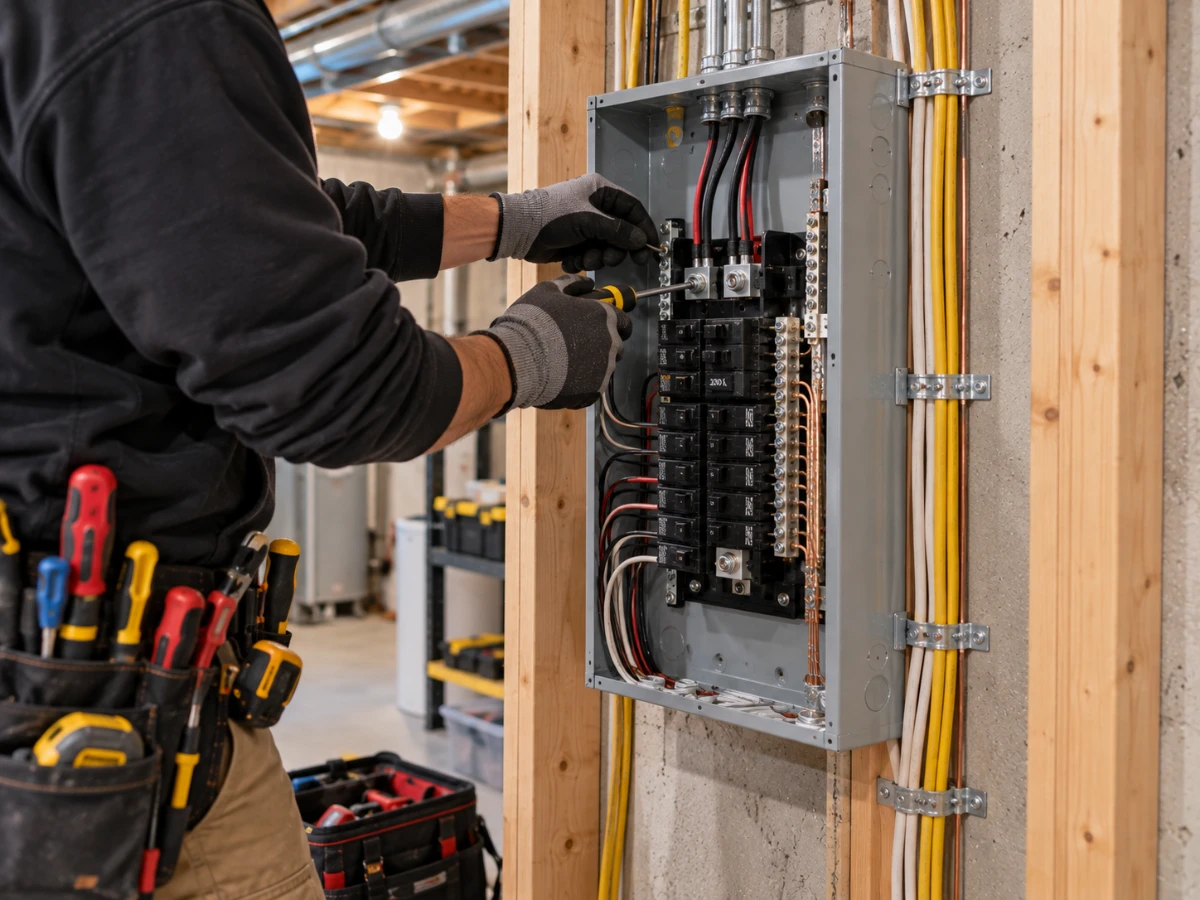
Needs a permit:
- Panel replacements or upgrades.
- Adding a new circuit.
- New service entry or meter work.
- Adding a subpanel.
- New outlets, switches, or fixtures in new locations
- EV charger installation (with a dedicated 240-volt circuit).
- Generator hookups.
- Bathroom or kitchen remodel wiring.
- Any electrical work tied to a home addition.
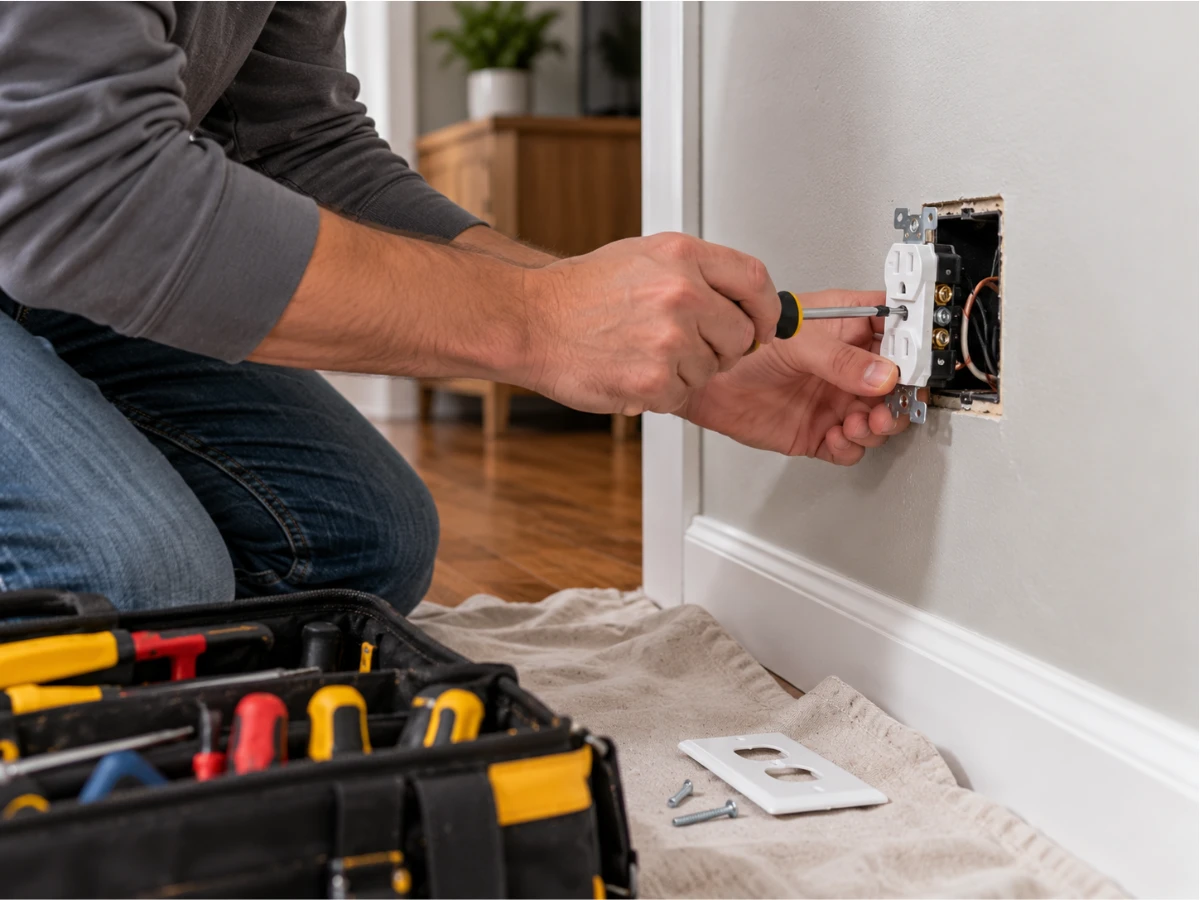
Usually doesn't need a permit:
- Replacing a light fixture with a new one in the same spot.
- Swapping an outlet or switch for an identical replacement, in the same location.
That second list is short on purpose. The moment a simple swap turns into moving a box, adding a device, or running new wire, it becomes new work, and new work needs a permit. When you're not sure which side of the line your project falls on, a quick call to your city building department (or to us) before you start saves a big headache later.
What Minnesota Law Actually Says: The Homeowner Electrical Permit Exemption
Minnesota homeowners can legally pull their own electrical permit under Minnesota Statute 326B, but the exemption is narrower than most people are aware of.
To qualify, you must:
- Own the home.
- Occupy it now, or plan to occupy it once the project is done.
- Personally perform every bit of the work yourself with no unlicensed helpers, not even family members.
What the exemption does not cover:
- Rental properties or homes you don't live in.
- Condos, apartments, and duplexes (even if you live in one).
- Work being done to flip or resell the property.
- Mobile homes and RVs.
Even with the exemption, you still have to file a permit application and pass an electrical inspection, same as a licensed contractor would. It saves you the cost of hiring an electrician, but not the code requirements.
How the MN Electrical Permit Application Process Works
About 66 Minnesota cities run their own local electrical inspection departments (called an Authority Having Jurisdiction, or AHJ) instead of using the state. Minneapolis and St. Paul are both local AHJs, and so are many first-ring suburbs like Eden Prairie, Eagan, and Plymouth.
Before you file anything:
- Check the DLI's electrical inspector lookup tool for your address. It tells you whether your permit goes to the state or your city.
- Local AHJ? File with your city's building department.
- Not local? File through the state's online portal at
ims.dli.mn.gov/ims.
Filing in the wrong place doesn't just slow you down. Your application can sit untouched until someone realizes there has been a mistake.
Important Note: processing time varies by city. Some suburbs turn around a straightforward residential permit in days while others can take longer, especially during busy construction seasons. Build in a buffer for your project timeline, especially if a contractor needs to close up drywall on a set date.
Electrical Permit Costs in the Twin Cities Metro
What you'll pay depends on who's issuing your permit, DLI or your city. Here's how the costs break down for each.
DLI Permit Costs
If DLI is your permitting authority (not a local city department), here's the baseline fee for every permit:
- $25 permit fee
- $1 surcharge
- $55 minimum inspection fee per site visit
Add those together and a small residential job typically lands around $80–$150 at minimum with DLI. These are the projects that only need one inspection trip like swapping out a single breaker, adding one new circuit, or installing a single new outlet.
The fee climbs from there as the project grows:
- Extra inspection visits: Bigger projects often need a rough-in inspection (before walls close up) in addition to the final inspection, and each visit adds its own $55 minimum.
- A service or generator fee ($35–$100, based on amperage): This is charged separately from the inspection fee for installing or upgrading a service, generator, or feeder to a separate structure. This matters a lot for panel upgrades or generator hookups.
- A per-circuit fee ($12 per circuit/feeder): Adding several circuits like for a kitchen remodel or a subpanel costs more than a single-circuit job.
City Permit Costs
If your city runs its own permitting, fees are set locally, and can look different. Sometimes a per-circuit charge with a set minimum, sometimes a valuation-based fee that scales with total project cost. Whatever the exact number, the permit fee is almost always a small fraction of your total project cost. It's cheap insurance, not a reason to skip the process.
Important Note: Always confirm the current fee with your city's building department before budgeting a project.
Whichever authority handles your permit, Loch Monster Electric can take the whole process off your plate. We can file the application, schedule the inspections, and make sure everything's squared away with DLI or your city from start to finish.
For real project cost breakdowns, see our guides on electrical panel upgrade cost, and EV charger installation cost.
What Minnesota Electrical Inspectors Check: Rough-In vs. Final Inspection
Minnesota's electrical code follows the National Electrical Code (NEC) with state amendments, and most permitted projects get checked against it twice. Once during a rough-in inspection, and once after the electrical work is completed.
Here's what each one covers:
Rough-in Inspection
This happens before insulation, drywall, or paneling covers the wiring. The inspector checks:
- Wire gauge matching the breaker size.
- Proper box fill.
- Staple spacing.
- Ground wire connections.
This has to happen before anything gets covered up, so schedule it early.
Final Inspection
This happens once everything is installed and the space is ready to use. The inspector checks:
- Devices and cover plates.
- Panel labeling.
- GFCI and AFCI protection in the right areas.
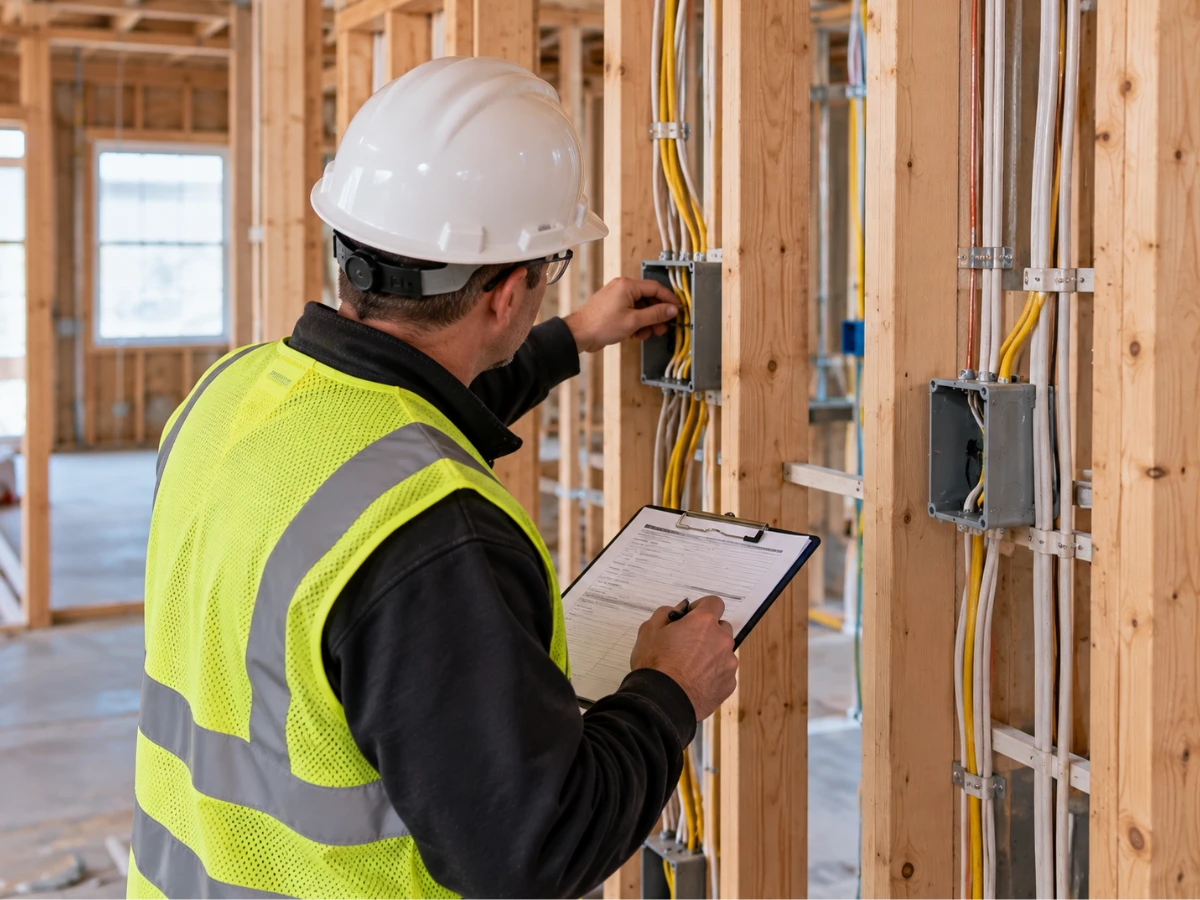
Both inspections exist to catch problems before they become permanent, which is exactly what you lose out on if you skip the permit process altogether.
What Happens If You Skip an Electrical Permit in Minnesota
Skipping a permit can catch up with you in ways that cost real money and time:
- DLI and local building departments can issue fines: If you start work before filing a permit, you'll owe an investigation fee on top of your normal permit costs.
- You may be ordered to open up finished walls: If unpermitted wiring turns up during a remodel, a home sale, or a complaint, the inspector needs to see it before signing off. That can mean cutting into drywall or ceilings that were already finished, and you pay for the repair.
- Insurance claims tied to unpermitted work often get denied: Many policies won't cover damage from work that wasn't done to code or permitted. If unpermitted wiring causes a fire, your insurer can deny the claim, leaving you to cover the damage yourself.
- Selling gets complicated: Minnesota law requires sellers to disclose known unpermitted work, and buyer's inspectors often catch it by comparing your wiring to city permit records. FHA and VA loans also require major systems, like electrical, to meet code, so an unresolved issue can stall your financing and your sale.
If you're planning to sell and know about unpermitted work in your home's history, get it inspected and properly permitted before you list. It's a much easier conversation on your timeline than the buyer's.
Our electrical inspections service covers pre-purchase evaluations, panel audits, and full safety inspections, so you know exactly where you stand before a buyer's inspector does.
When to Hire a Licensed Minnesota Electrician Instead of DIYing
Just because the homeowner exemption lets you do something doesn't mean it's the right call. Here are a few situations where hiring a licensed electrician is worth it, even if you technically qualify to DIY.
- Electrical Panel work: You're dealing with live, high-amperage connections with very little margin for error. Check out our
electrical panel upgradeservices to learn how our team handles the permit, the load balancing, and the inspection as part of the job. - Aluminum wiring: This is common in Twin Cities homes built in the 1960s and '70s, which needs specific connectors and methods to remediate safely.
- Knob-and-tube wiring: This type of wiring is still found in older Minneapolis and St. Paul housing stock, which often calls for a broader rewire.
- Any 240-volt work: This can include EV chargers and large appliance circuits.
- A breaker that's tripping, failing to reset, or showing signs of wear: Our
circuit breaker repairservices can handle the diagnosis and replacement safely, with the permit pulled for you. - A project big enough to need a full or partial rewire: This is where our
whole-home rewiringcan help you plan and execute start to finish.
When a licensed electrician takes on the job, they pull the permit as a standard part of the process. This is one less thing on your plate, and one more layer of protection that helps keep your peace of mind the work was done right.
Want Loch Monster Electric to Handle Your Permit?
Not sure whether your project needs a permit, or just want it handled without the guesswork? Loch Monster Electric pulls the permits, schedules the inspections, and gets it done right the first time. Call 763-292-1191, and we'll take it from there.
Frequently Asked Questions
Yes, but only for a single-family home you own and occupy, and only if you personally do all the work yourself. Rentals, duplexes, condos, and work done for resale don't qualify.
Like-for-like swaps such as replacing a receptacle or fixture with an identical one in the same spot, generally don't need a permit. Adding anything new, moving a box, or extending a circuit does.
It typically surfaces during the buyer's inspection. Minnesota law requires sellers to disclose known material facts about the property, and FHA or VA loans in particular may require the issue to be resolved before closing.
Yes. Any new outlet, switch, or circuit requires a permit and inspection, even on a homeowner-occupied property.
It varies by city. Some suburbs process a straightforward residential permit within days, while others take longer. Filing with the correct authority (state vs. local) from the start avoids the most common delay.
Beyond potential fines, starting work before filing a permit triggers an investigation fee on top of normal permit costs. You'll still need to file the permit and pass inspection afterwards.
Yes. Panel replacements and upgrades require a permit and inspection in every Minnesota jurisdiction, with no exceptions.