Electrical Panel Upgrade Cost: What Minnesota Homeowners Pay in 2026
Updated: Jul 22, 2026
Need an electrical panel upgrade in the Twin Cities? Our guide covers everything you need to know: current cost ranges, local permit requirements, available utility rebates, and how to spot when you need to upgrade.
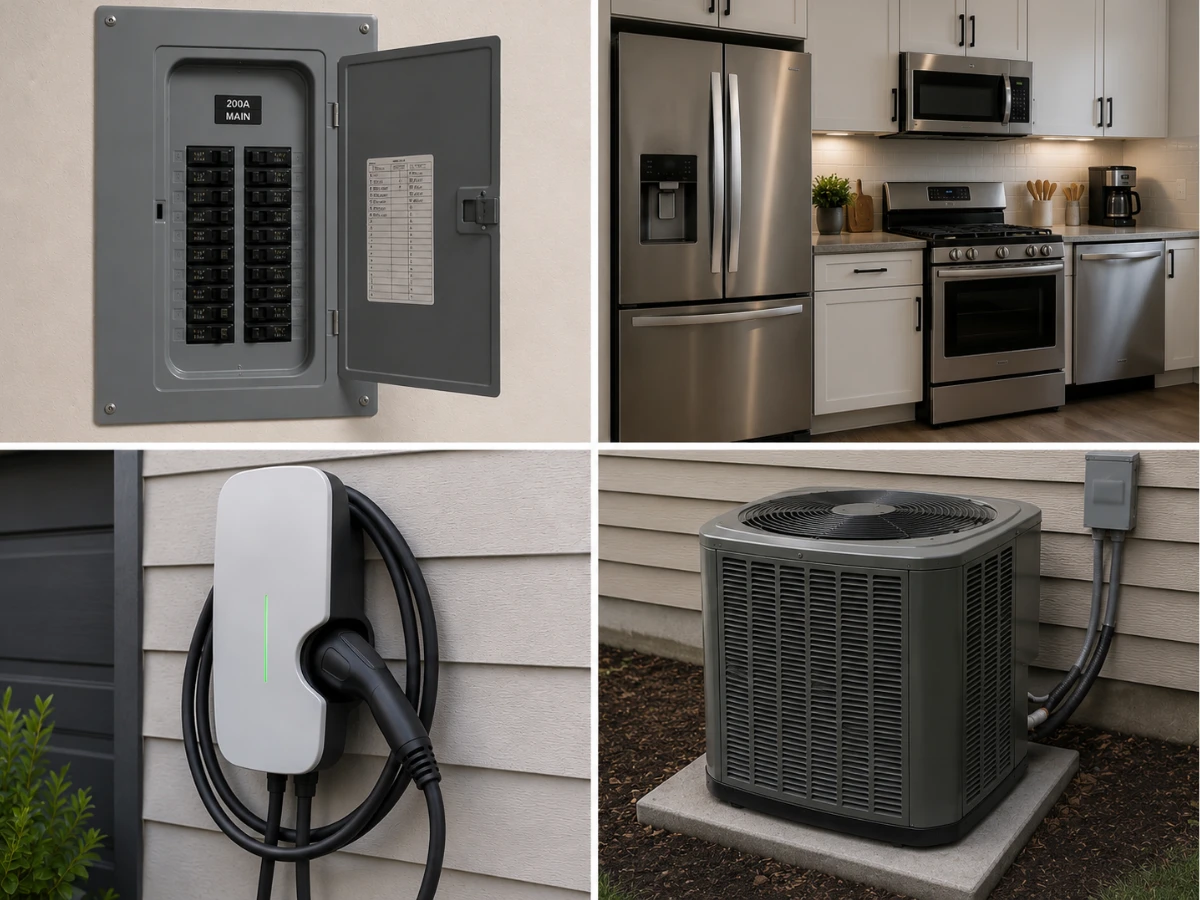
Living in an older home here in the Twin Cities? You’ve likely noticed that modern gadgets from electric vehicle chargers to high-efficiency heat pumps need more power than homes built in the 70s or 80s were ever designed to handle.
Do your lights flicker when the microwave kicks on? Are you tired of the circuit breaker tripping every time you plug in a space heater? If so, you might be looking for an electrical panel upgrade.
At Loch Monster Electric, we help people all over the metro area fix these power issues every day. We already know your first question will be: Is this going to break the bank?
In this guide, we’ve broken down everything you need to know about your electrical panel upgrade cost. We cover local Minnesota codes, permit requirements, and how to handle the unique needs of our classic homes.
If you’re ready to upgrade now, call or text on 763-292-1191 or fill this contact form.
What a Panel Upgrade Actually Costs in the Twin Cities
Let’s get right to the numbers. Across Minneapolis, St. Paul, and our surrounding suburbs, a standard full-service electrical panel upgrade (including all labor, parts, and fixtures) generally falls between $3,000 and $7,000.
Why that range? It’s not just about the parts. Here in Minnesota, our labor rates, strict permit filing, and the necessity of bringing older electrical systems up to modern safety codes push our costs above the national average.
To help you identify the right type of panel for your home and lifestyle, we mapped our most common upgrade scenario for typical Twin Cities household needs.
The Standard 100A to 200A Panel Upgrade
Ideal for: The classic Minneapolis bungalow, St. Paul duplex, or standard suburban rambler (1,500–2,500 sq. ft.) that needs to support central air, modern appliances, a home office, and a Level 2 EV charger.
Total Project Estimate: $3,950–$7,000
Item | Estimated Cost |
Parts and Fixtures | $2,000 - $3,700 |
Professional Labor (8 to 16 hours) | $1,950 – $3,300 |
Total Project Estimate | $3,950 – $7,000 |
Disclaimer: Please note that these figures are estimates. Your final quote may vary based on your home's unique requirements. Factors that can influence the total cost include the condition of your current wiring, the accessibility of your current panel, or complex utility coordination, and specific code requirements for your municipality.
Read more about why you may need an upgrade and how it's done with this 200 amp panel upgrade guide.
Expanding Your Capacity: When You Need a Sub-Panel
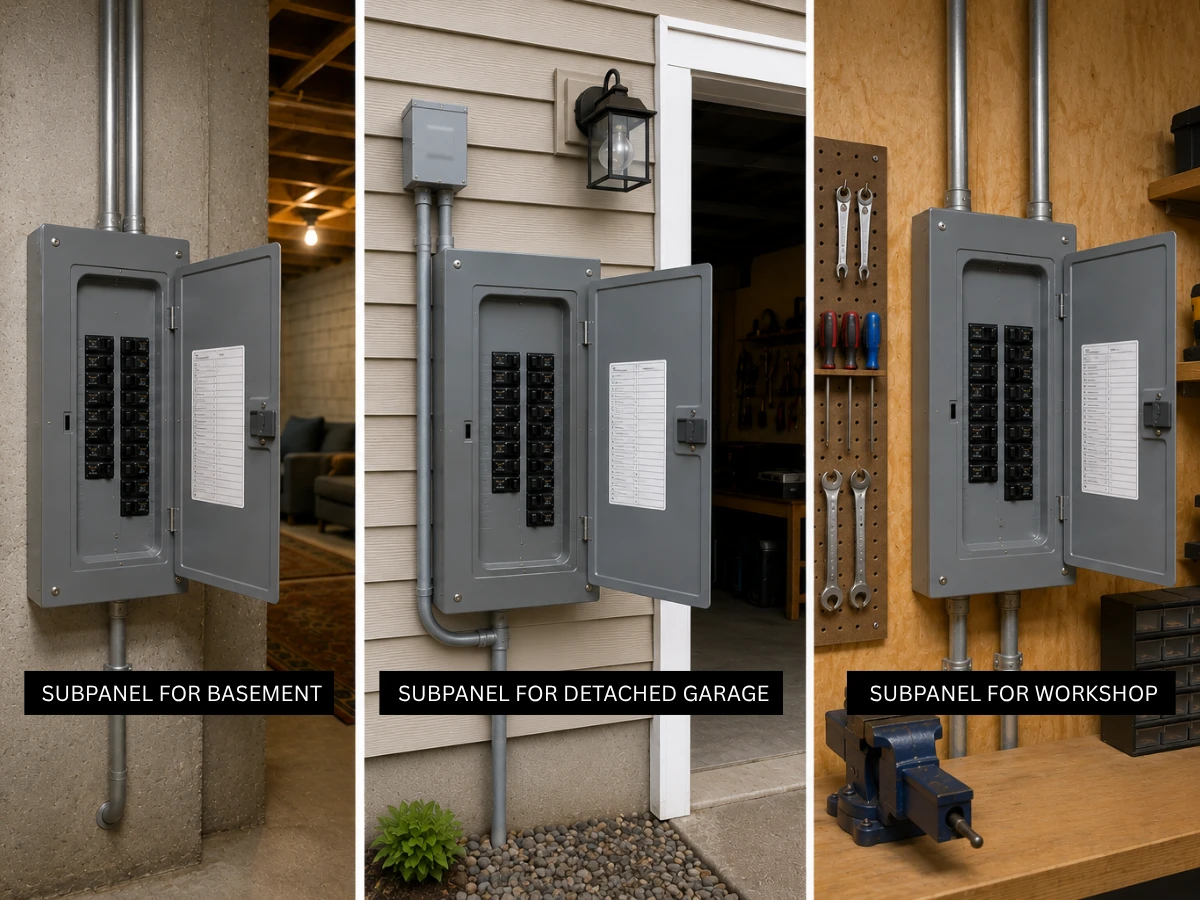
Are you adding a basement home theater, a detached garage, an outdoor EV charging station, or a workshop? You will likely need additional breaker space to support these new projects. A sub-panel is the standard solution, allowing you to bring power to these new zones safely.
Total Project Estimate: $1,000–$1,900
Item | Estimated Cost |
Parts and Fixtures | $550 - $800 |
Professional Labor (2 to 5 hours) | $450 – $1,100 |
Total Cost Estimate | $1,000 – $1,900 |
Disclaimer: Please note that these figures are estimates. Your final quote may vary based on the distance and complexity of the feeder cable run, the availability of space in your existing main panel, and specific electrical code requirements enforced by your local municipality.
In many cases, if your home has sufficient main amperage but has simply run out of physical breaker space, a sub-panel can be a cost-effective alternative to a full service upgrade. However, if your main service is already at its amperage limit (e.g., an old 60A service), a sub-panel is not a substitute for an upgrade. You will need to upgrade the main service to safely increase your total power.
The 7 Factors That Raise Your Panel Upgrade Costs
When you search for an electrical panel upgrade near me, you’ll see different quotes. Here is what we actually look at when we come out to your home to ensure you get an accurate, no-surprises price:
- Current Amperage: Upgrading from a 100A to a 200A panel is a standard service swap. A 400A service is a more complex project, requiring a complete replacement of your meter socket, service cables, and grounding system.
- Service Entrance Cable: We may need to replace the cables running from your meter to the panel if they are undersized. This is common in older homes, such as 1950s ramblers or pre-war bungalows, where the existing wiring cannot handle the increased load.
- Meter Socket Condition: If the meter box is rusted, damaged, or outdated, it usually gets replaced to ensure a proper, safe connection to your local utility line from Xcel Energy, Dakota Electric, Connexus Energy, or Great River Energy.
- Accessibility: Is your panel tucked behind a finished basement wall or sitting in an open utility room? Finished walls require more labor to open and work around. Note: Our quotes cover the electrical access work, but they do not include final cosmetic restoration, such as patching, taping, and painting finished walls. You will need to hire a drywall contractor for that work.
- Distance: We measure the distance from your meter box to your electrical panel. This impacts the amount of conduit, specialized wire, and tools required. It also affects the total installation time.
- Code Compliance: We are required by law to bring your entire service entrance up to current MN Electrical Code. This includes upgrading your grounding and bonding, and installing modern Arc-Fault (AFCI) and Ground Fault (GFCI) protection. These are critical safety upgrades, not just formalities.
- Urgency: Same-day or emergency scheduling often carries a premium because it requires re-arranging our existing project calendar to prioritize your safety needs.
These factors often interact with your home's unique history, sometimes revealing hidden issues behind the walls. Because safety is non-negotiable, we begin every project with a complete electrical inspection. This covers everything from the utility mast drop to the final branch circuit, ensuring the job is done right from the start.
Why Pre-1990 Twin Cities Homes Face the Steepest Panel Upgrade Bills
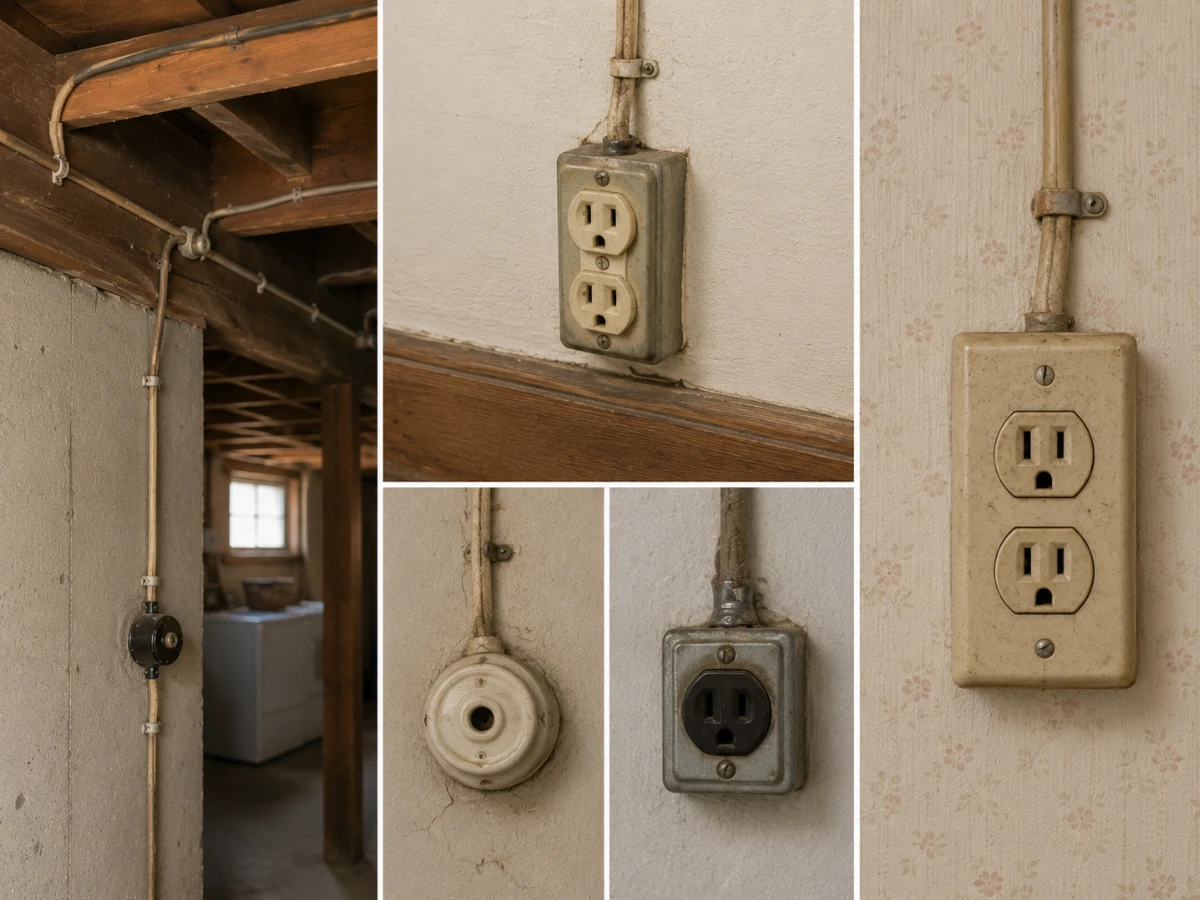
If you live in a classic bungalow or a suburban rambler from the 1960s, you’re likely dealing with aging infrastructure. In these older homes, we frequently find hazards that add to the project complexity such as:
- Knob-and-Tube Wiring: If we find this in your walls, we cannot safely connect it to a modern panel without fixing it first, since the old insulation is often brittle and tends to crumble. Read more about this with our
knob-and-tube wiring replacementguide. - Ungrounded Two-Prong Outlets: Many older homes don’t have a ground wire. During an upgrade, we recommend AFCI/GFCI protection to make sure the entire circuit remains safe. Learn all about this in our
two-prong outlet replacementguide. - Aluminum Branch Wiring: Common in the 60s and 70s, this requires special antioxidant connectors and specific torque settings. It isn't a dealbreaker, but it does require extra care and time.
Local Utility Rebates to Offset Your Panel Upgrade Cost
Most incentives from Minnesota utility companies come bundled. This means you typically qualify for a rebate only when you pair a panel upgrade with the installation of a high-demand appliance, such as a heat pump or an EV charger.
Standalone Panel Upgrade Rebates
Xcel Energy offers a rebate of up to $1,500 if you upgrade your home's electrical panel to a higher amperage (e.g., 100A to 200A) using a licensed electrician.
EV Charger Infrastructure Incentives
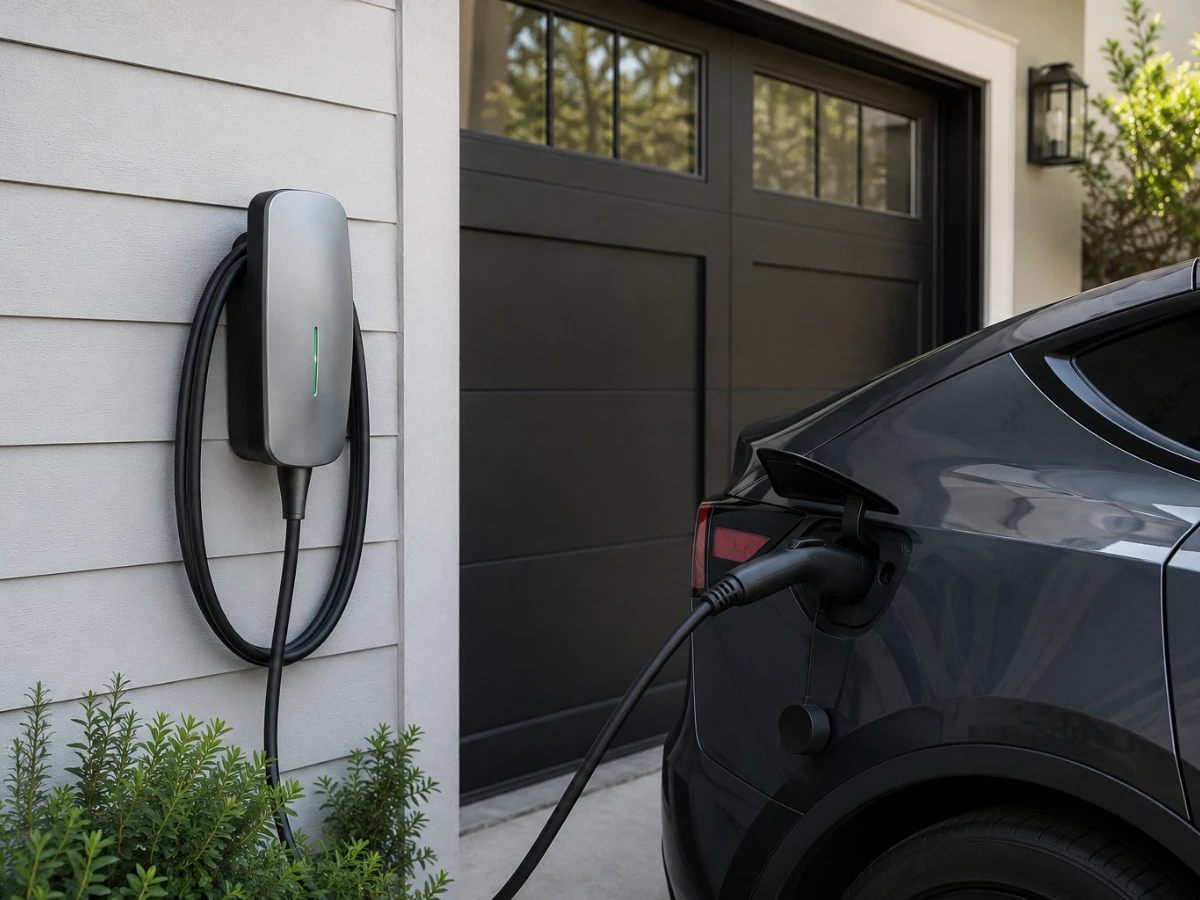
- Xcel Energy: Offers a rebate of up to $500 for the installation of a Level 2 charger and/or the necessary 240-volt home wiring when enrolled in qualifying programs. Income-qualified households may be eligible for a rebate of up to $1,200.
- Dakota Electric Association: Offers up to a $500 rebate for installing a Level 2 smart charger setup in your garage when you enroll in one of their EV ChargeWise off-peak charging programs.
- Connexus Energy: Provides a rebate of up to 50% of your installation costs (capped at $500) for a Level 2 EV charger and meter socket, if you enroll in an off-peak or time-of-day rate plan.
Read more about the different types of EV chargers, things to consider, and automaker promotions in our home EV charger installation guide.
Heat Pump & HVAC Readiness
- Xcel Energy Heat Pump Rebates: Xcel Energy offers utility rebates of up to $2,000 for qualified cold-climate air-source heat pumps and cold-climate mini-split systems installed in Minnesota
- Dakota Electric Heat Pump Incentives: Offers rebates ranging from $400 to $800 for qualifying air-source heat pump installations completed by registered contractors.
Eligibility & Requirements
- Active Customer: You must be an active customer of the specific utility.
- Program Enrollment: Many rebates require you to sign up for specific rate plans (e.g., off-peak charging or time-of-day rates).
- Qualified Contractors: Work must be performed by a licensed and, in many cases, a “registered” or "approved" contractor.
Important note: Rebate programs are subject to change. Please check current program details with your utility provider before starting your project
Bonus Incentive Programs
Look for stackable incentives. For example, some municipalities, such as the City of Minneapolis, occasionally offer their own bonus rebates or sustainability incentives that can be stacked on top of your utility savings. Always check your local city’s website or the DSIRE database to see if your municipality offers additional funding for home electrification.
Minnesota Permit Requirements for Homeowners
Under MN Statute 326B, you cannot perform a main service upgrade without an electrical permit pulled by a licensed electrical contractor. The permit isn’t just a way for the government to collect money from you, but a way to ensure the safety of your home.
Depending on your city and the scope of the project, these permit filing fees typically add $150 to $500 to your total investment. Once the work is done, a state-certified electrical inspector visits your home to sign off.
If you skip this:
- Your homeowner's insurance policy may be voided if a fire occurs.
- When you sell, the home inspector will flag unpermitted work, and the buyer will demand a licensed pro fix it (at your expense) before closing.
Disclaimer: Keep in mind that permit filing fees vary based on the complexity of the work and whether your city requires extra inspections.
What the Panel Upgrade Process Looks Like
At Loch Monster Electric, we aim for a systematic, safe, and professional electrical panel upgrade. While the physical installation is quick, the administrative process determines the total timeline. You can typically expect 1–2 days for the actual work, plus 1–3 weeks for the inspection window. Here’s what we do:
Step 1: Permit & Scheduling
We handle all the paperwork with your local city or the Department of Labor and Industry (DLI) to make sure your project is legally compliant from day one.
Step 2: Utility Coordination
We coordinate with your power provider (e.g., Xcel Energy, Connexus, etc.) to schedule a temporary power shutoff. This is critical to ensure the safety of our technicians while they work on your main service line.
Step 3: The Panel Replacement & System Upgrade
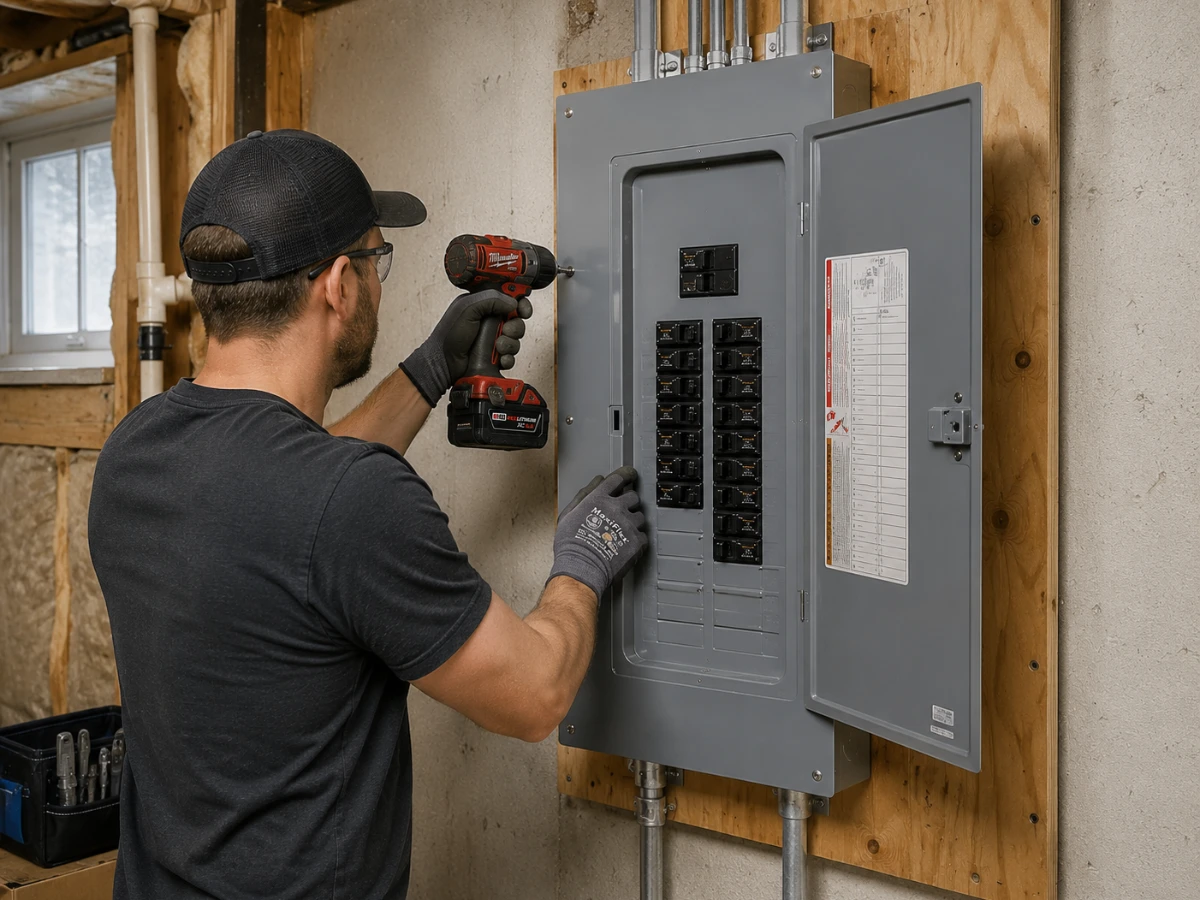
Our team arrives to perform the installation of your new system. This involves removing the old, outdated panel and installing the new, higher-capacity unit. We carefully reconnect and label your existing circuits, and upgrade your meter socket, service entrance conductors, and ground wire to modern safety standards.
Note: If we find outdated infrastructure like ungrounded wiring or non-compliant circuits, we will talk you through the steps to safely connect your new panel to your home's older wiring. This may add some time to your project, but it ensures your system remains safe and up to code.
Step 4: Restoration of Power
Once the new panel is installed and safety-checked, we coordinate with the utility company to reconnect your power. By the end of this day, you’ll be back up and running with your new, upgraded capacity.
Step 5: Final Inspection
After the work is finished, we request an inspection. A state-certified inspector will visit your home to verify the work meets current electrical codes.
Note: While the work itself takes 1–2 days, the inspection window can vary, usually occurring within 1–3 weeks depending on the backlog of your local city’s inspection department.
Signs Your Current Electrical Panel Is Already Failing
Don't wait for a total failure. Call us immediately if you see these red flags:
- Circuit Breakers Tripping: If it happens constantly under normal loads, the breaker is likely worn out and unable to hold a current, posing a hazard to your appliances. Learn about what may be causing this in our
circuit breaker trippingguide. - Burning Smells: An acrid or fishy smell coming from the panel is an immediate fire risk. Do not ignore this. Turn off the main breaker if it is safe to do so and call us for an
emergency electrical repair. - Scorch Marks: Discoloration, blackening, or melting around your panel or breaker switches are clear indicators of internal arcing or overheating.
- Obsolete Panels: If your home has a Federal Pacific Stab-Lok or Zinsco panel, it is a significant fire hazard. These units are infamous for failing to trip during a short circuit. Many insurance carriers now refuse to renew policies for homes with these specific, obsolete panels.
MN home inspectors routinely flag these as material defects that kill real estate deals in the metro market.
Ready to Upgrade Your Panel?
Upgrading your electrical panel helps keep your home safe and gives you enough power for your modern appliances. Whether you are adding an EV charger, replacing an old panel, or making space for a growing family, working with a licensed pro guarantees everything is done right under Minnesota code.
Ready to chat about your home? Drop by Loch Monster Electric and let's get you set up today!
Frequently Asked Questions
Most homeowners in the Twin Cities can expect to pay between $3,000 and $7,000 for a standard 200A upgrade. This covers the total cost of the project, including labor, permit filing, material, and code-required grounding.
Yes. Under Minnesota Statute 326B, a permit is legally required for a main service panel replacement. A licensed electrical contractor must pull this permit, and the work must be inspected by a state-certified electrical inspector.
The actual physical work of upgrading the panel usually takes 1 to 2 days. The inspection process, however, can take 1 to 3 weeks depending on the backlog of your local city’s inspection department.
It is very possible. Many insurance companies consider these specific brands of panels to be fire hazards because of their tendency to fail to trip. If you have one, they may require you to replace it as a condition of your policy renewal.
No. In Minnesota, the state requires a licensed electrical contractor to perform service work. Attempting this as a DIY project is not only illegal but extremely dangerous and will result in your home failing any future electrical inspections, which can complicate selling your home later.
Yes, Xcel Energy offers a rebate of up to $1,500 if you upgrade your home's electrical panel to a higher amperage (e.g., 100A to 200A) using a licensed electrician. Since program budgets and requirements can change annually, we always recommend checking their current website for the most up-to-date application forms and eligibility requirements.
For most modern homes, a 200A panel is the standard, but if you have a larger square footage or plan to add a second EV charger or a hot tub, a 400A service provides the future-proofing necessary to avoid power limitations down the road.