What to Do When a Power Outage Hits After a Storm
Updated: Aug 6, 2026
Experiencing electrical damages after a storm? Learn essential safety steps, how to identify damage responsibility, and what to expect regarding repair costs and permits. Plus, discover how Twin Cities homeowners and HOAs can storm-harden their electrical systems for the future.
We know how fast the weather can change in the Twin Cities. One minute, you’re enjoying a quiet evening, and the next, a fierce Minnesota storm is howling outside. When that all-too-familiar power outage hits, it can turn your comfortable home into an unsettling place very quickly.
At Loch Monster Electric, we get a lot of calls when the weather turns bad. Our goal is to help you stay safe while figuring out the repair process. Whether you are a homeowner or an HOA board member responsible for your community, knowing what to do, and what not to do is the key to getting your lights back on safely.
In this guide, we’ll walk you through the essential safety steps, help you spot the difference between a grid outage and internal electrical damage, break down typical Twin Cities repair costs, and explain the legal permit requirements needed for repairs.
The First 60 Minutes: Safety Checklist for Power Outage After a Storm
Before you even pick up the phone, pause and follow this checklist to ensure the safety of you and your loved ones:
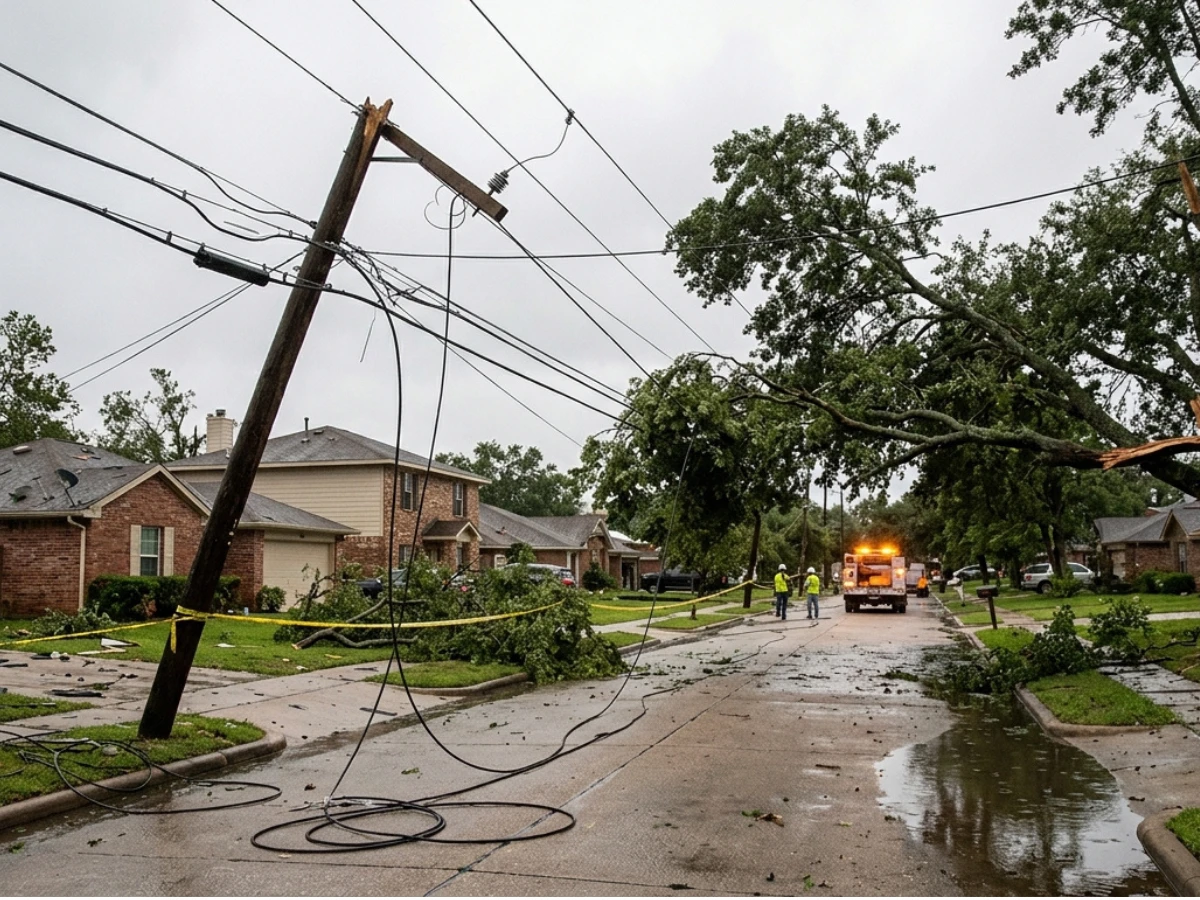
- Stay Away from Downed Lines: If you see a power line on the ground or dangling near your home, treat it as energized and lethal. Stay back at least 30 feet and keep children and pets far away.
- Don't Touch the Panel: Do not attempt to reset breakers if you smell burning, hear crackling noises, or see water near your electrical panel. It will come as no surprise that water and electricity are a dangerous mix.
- Call 911 for Hazards: If there is a fire, a downed line, or an immediate threat to life, call 911 immediately.
- Check the Grid: Use your smartphone to check your utility provider’s online outage map. Major Twin Cities providers like Xcel Energy, Connexus Energy, and Dakota Electric all offer real-time maps. This will tell you quickly if the issue is a large-scale grid outage or if the problem is specific to your home.
- Document Everything: If you can do so safely, take photos of any visible damage to your meter, mast, or electrical panel. You will need this for insurance claims later.
Signs Your Electrical System Needs Emergency Storm Damage Repair
It can be hard to know if a power outage is just a grid issue or if your home’s electrical system is damaged. If you notice any of the following signs, leave the power off and call Loch Monster Electric on 763-292-1191 right away.
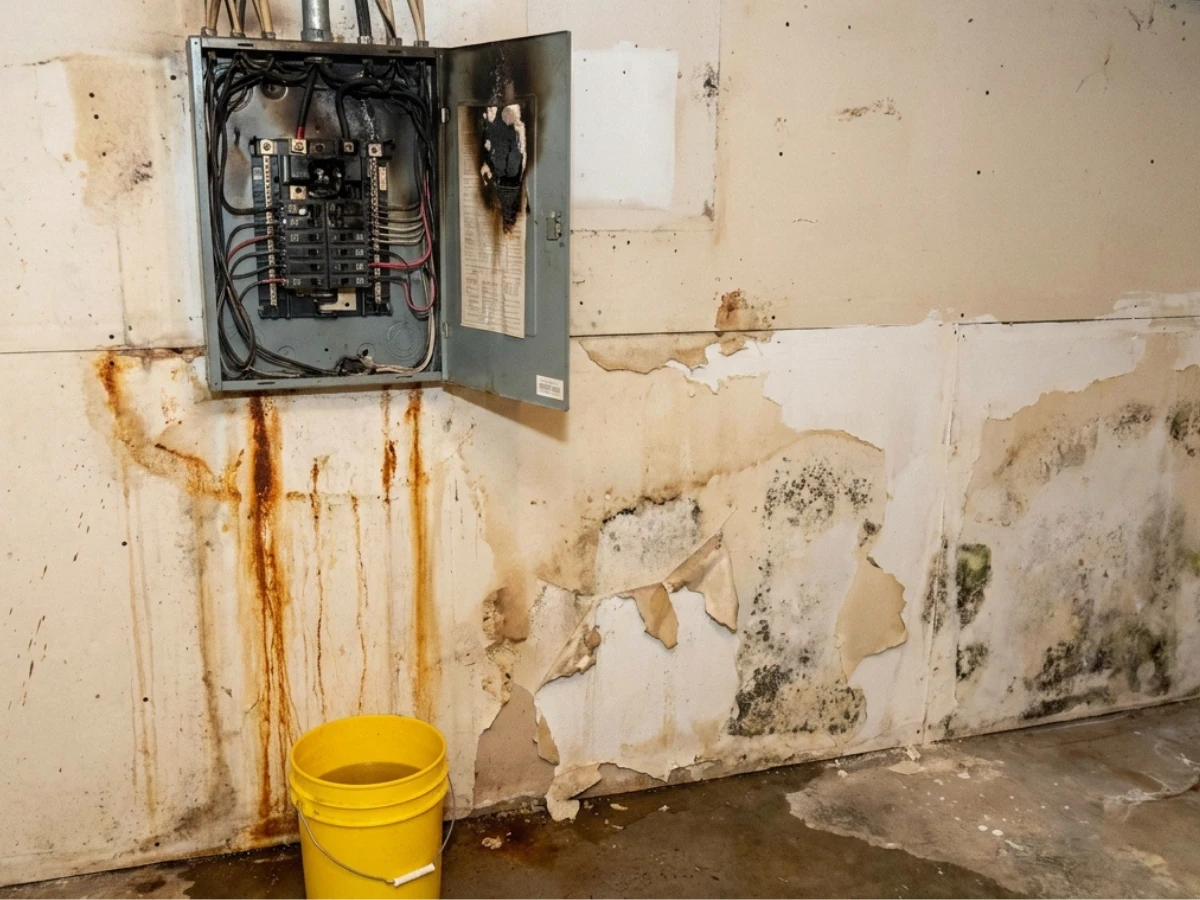
Scorched Electrical Panel
Look for soot, black marks, or burn spots on the outside of your breaker box. This is a sign of internal sparking or fire damage. This is a fire hazard. The parts inside are likely broken, and you cannot safely check this without the right training and tools.
Water Intrusion
If you see water dripping inside your panel or pooling near where the power enters your home, do not touch it. Water creates a path for electricity to travel, turning your metal panel into a major shock risk.
Lights Flickering After Power Returns
If your lights are super bright, then dim, or flickering after the power comes back on, you might have a lost neutral. This creates an uneven voltage that can quickly ruin your electronics and appliances.
Tripped GFCI Outlets
If your GFCI (Ground Fault Circuit Interrupter) outlets won’t reset after the power is back, it usually means water got into the wiring or the box. These devices stay tripped on purpose to stop a short circuit. Forcing them to reset can cause sparking and even more damage.
Important Note: If you see any of these warning signs, stay away and call Loch Monster Electric on 763-292-1191 immediately. These issues are complex, high-voltage risks. They need professional testing and proper safety steps to fix.
Working With Your Utility Provider for Storm Damage Repair
There is a hard line at your meter that divides what the utility company handles and what you are responsible for. Here is a breakdown:
- Utility Provider Responsibility: They own and maintain the equipment that delivers power to your home. This typically includes:
- The service drop (the lines running from the utility pole to your house).
- The meter itself.
- Homeowner Responsibility: If storm damage occurs on the house side of the electric meter, you are responsible for the repairs. This typically includes:
- The weatherhead (the top of your service mast).
- The service entrance cable.
- The electrical panel and breaker box.
- The service mast (the pipe attached to your home).
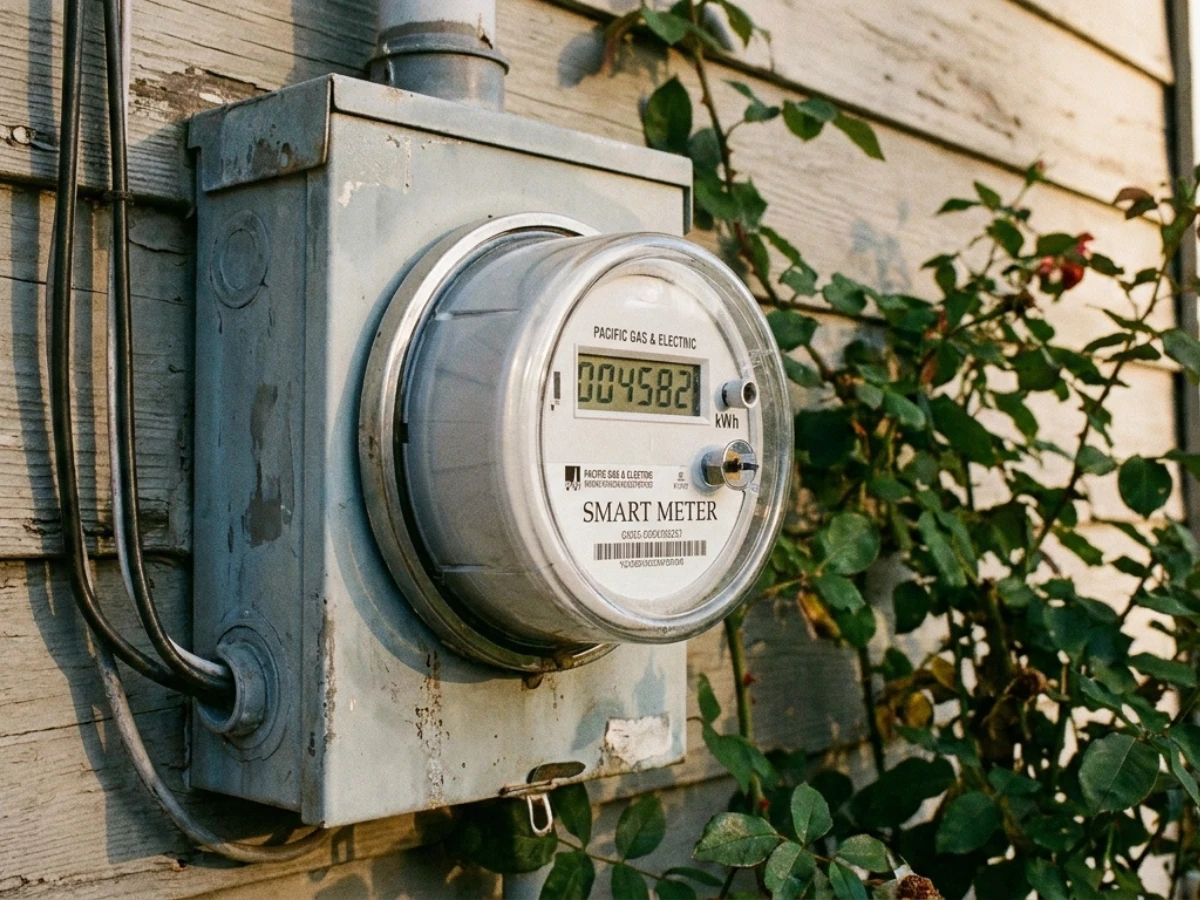
If your mast or service equipment is damaged, the utility company cannot safely reconnect your power. You must hire a licensed electrician to perform the repairs first. Once the repairs pass an official inspection and receive a green tag, you can call your utility provider to schedule the reconnection.
Storm Damage Electrical Repair Costs for Twin Cities in 2026
We know that budget is a concern during an emergency. While costs can vary depending on the amount of damage and your home setup, here are the estimated ranges for common post-storm electrical repairs in our area:
- Service Mast/Weatherhead Repair: $800 – $1,500. This is the pipe and wire assembly on your roof that connects to the utility lines. Repairing this involves specialized ladder work at heights, utility coordination, and ensuring the assembly meets current code requirements to withstand future high winds.
- Standard Panel Replacement: $3,000 – $7,500. Severe surges or water damage often require a full panel replacement. This covers the cost of parts, fixtures, and labor to rewire every circuit, while ensuring your new panel meets modern GFCI/AFCI safety codes.
To learn more about panel replacements, cost factors for Minnesota homes and this process, read our electrical panel upgrade guide.
- Electrical Safety Inspection (Non-Repair): $400 – $600. This covers the diagnostic trip for a master electrician to assess the situation. You are paying for the expertise to safely troubleshoot the system, identify the hidden hazards, and develop a plan to get you back online securely.
Note: Emergency, same-day repairs in the Twin Cities often carry a 20-40% premium due to the urgency and after-hours labor costs.
Minnesota Electrical Permit and Code Requirements for Storm Damage Restoration
In Minnesota, electrical work is strictly regulated by the state under Chapter 1315. Any work involving your service entrance or panel requires a licensed contractor to ensure safety
- Permit Requirement: You must pull an electrical permit for this type of work.
- Mandatory Inspection: Once your storm damage is repaired, a state or local electrical inspector must verify the work before the utility company is legally authorized to reconnect your service.
- Local Compliance: Minneapolis, St. Paul, and many Twin Cities suburbs have specific municipal requirements that must be met in addition to state code.
When a storm damages your home’s electrical system, a professional inspection is the only way to find hidden issues. Things like damaged insulation or loose wires can turn into life-threatening fire hazards later if they are not dealt with right away. An electrical inspection by a licensed professional is not just red tape, but a vital action to protect the safety of your family.
How Long the Repair Process Actually Takes: Storm to Restored Power
How long does it take to fix a power outage after a storm? The answer is: it depends on the severity of the damage. Here is the realistic timeline we follow at LME:
- Utility Restoration (Variable: 1 to 5+ Days): Your utility provider must restore the main grid first. If the main line at the street is down, everyone has to wait. They handle the main grid and the service drop line from the pole to your house.
- On-Site Assessment (1–2 Hours | 24–48 Hour Wait Time): Local electrical contractors face a massive surge in emergency calls after a storm. You will likely wait 24 to 48 hours for a technician to arrive. Once on-site, our team spends 1 to 2 hours inspecting your mast, meter box, and panel for damage before safely beginning work.
- Permit Application (4–24 Hours): We file for the permit immediately. In many Hennepin and Ramsey County suburbs, we do this electronically to save time, but municipal processing times vary during natural disasters.
- The Repair (4–8 Hours): The physical labor typically takes 4–8 hours for service entrance restoration. This isn't a simple fix since we are performing structural repairs at heights, replacing damaged wiring, and ensuring your home meets current safety codes.
- Final Inspection (12–48 Hours): We call the city inspector the moment the work is finished. City inspectors are heavily backlogged after major storms, and we must wait for them to physically place a green tag on your meter.
- Final Utility Reconnection (12–48 Hours): Once inspected, the utility provider is notified to reconnect your power line. They manage this schedule independently, and your power will flip back on once their crew completes the final hookup.
Managing post-storm electrical repairs for a community or association? You can find more details on our storm damage repair services page.
HOA Electrical Responsibilities After a Storm: What the Association Owns vs. the Homeowner
In many Twin Cities townhome associations and condos, it can be confusing to know who pays for post-storm electrical repairs. Here is a general breakdown of who is responsible:
- HOA Responsibility: If the electrical system serves the whole building or common area, it is the HOA's responsibility. This typically includes:
- Shared service entrances and meter banks.
- Parking lot and exterior security lighting.
- Common area hallway panels.
- Underground feeder lines that power community buildings.
- Homeowner Responsibility: If the damage is only to your unit's mast, meter, or panel, it is usually your responsibility.
- What to do: Always check your HOA documents first. If you aren't sure if the damage is common or private, talk to your property manager before calling an electrician, as they might have a preferred repair company.
For shared infrastructure, regular maintenance is vital to preventing long-term outages and expensive emergency repairs when the next storm hits.
How Twin Cities HOAs Can Storm-Proof Their Electrical Infrastructure
Don't wait for the next storm to upgrade. Here are three ways HOAs can stay prepared:
- Whole-Property Surge Protection: This guards common-area equipment from power surges. It protects valuable shared assets like irrigation controllers, security systems, and exterior lighting from voltage spikes that happen during storms.
- Transfer Switches: These allow you to easily connect a backup generator during long outages. They ensure that essential common areas, such as security lighting and entryway doors, stay powered even when the grid goes dark.
- Underground Service Conversion: Moving power lines underground removes the risk of falling tree branches damaging your service mast. This makes your electrical connection much more reliable, as it is no longer vulnerable to high winds, or storm debris.
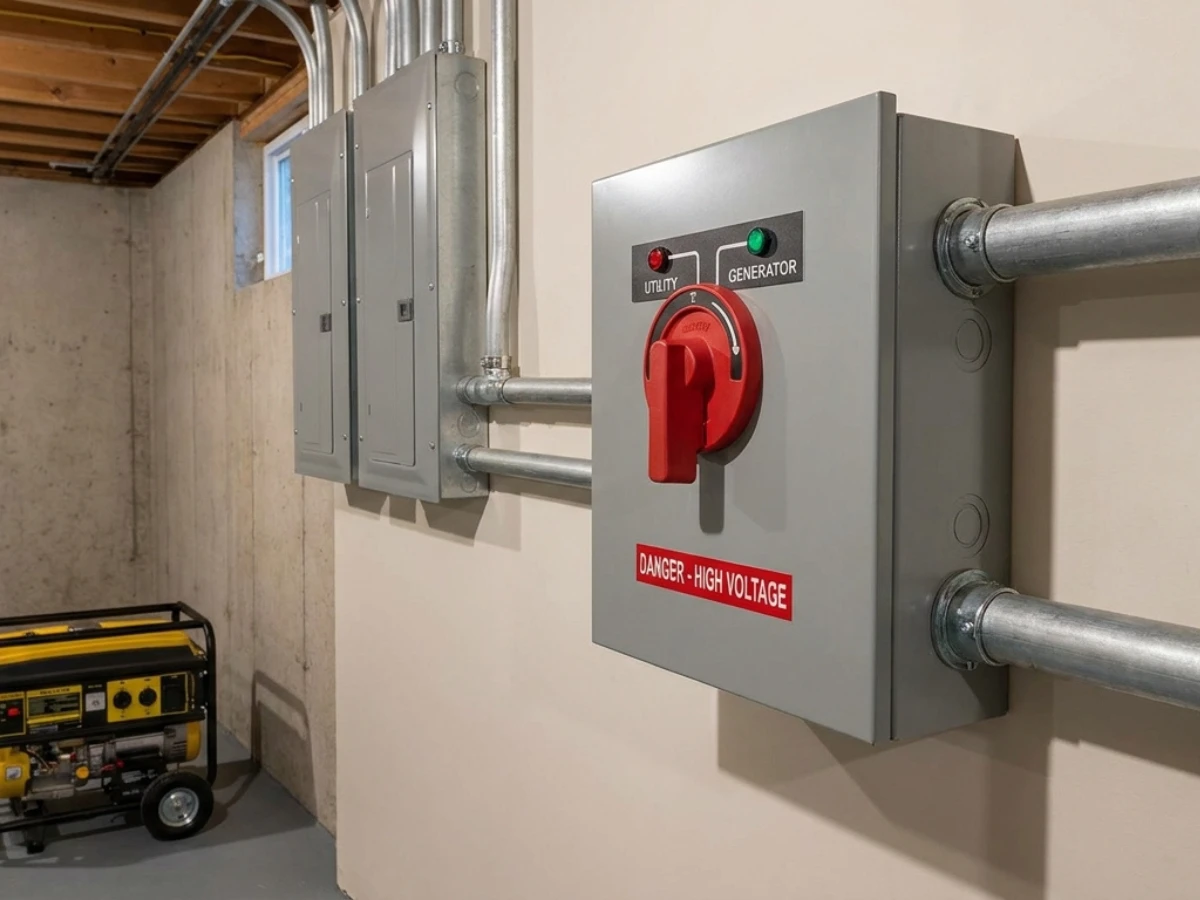
Investing in these improvements lowers the risk of surprise repair bills and helps avoid long power outages for your residents.
Tips for Minnesota Rebates and Insurance Coverage to Reduce Your Costs
Here is how to handle the financial side of your storm recovery:
- Document Everything: Take clear, timestamped photos of all damage before any repairs begin. Adjusters need to see the state of the home right after the storm to confirm the cause.
- Keep Your Paperwork: Hold onto all invoices and permit copies. Your insurance provider will likely deny a claim for unpermitted electrical work, so this documentation is your proof that the repair was done safely.
- Know Your Coverage: When you speak to your adjuster, be specific about what happened. They look for signs of physical impact (like fallen trees) or surge damage (like scorched outlets).
- Check for Rebates: Visit your utility provider’s website to look for resilience rebates. They often offer incentives for homeowners and HOAs who upgrade to more efficient, weather-hardened equipment after a repair.
Need Post-Storm Electrical Repairs?
At Loch Monster Electric, we understand how stressful it is to be stuck in the dark after a storm. Our team is ready to get you back up and running safely. From initial damage assessments and pulling the required permits to final electrical inspections, we handle the entire process so you don't have to.
If you’re in the Twin Cities area and need a professional, code-compliant repair to get your power restored, contact our Loch Monster Electric team today on 763-292-1191 to schedule your assessment.
Frequently Asked Questions
Only if you see no visible damage, smell nothing burning, and there is no evidence of water in the panel. If you are unsure, leave it off until a professional inspects it.
Typically, yes, if the damage is caused by a covered event like a windstorm. Always consult your policy and keep all documentation.
Yes, absolutely. Per Minnesota state law, a permit and subsequent inspection are required for this level of work.
It depends on the location of the damage. Shared lines and service banks are usually HOA-owned, while individual service masts are often homeowner-owned. Check your bylaws.
Turn off your main breaker immediately and call a licensed electrician. Do not wait. You can call Loch Monster Electric at 763-292-1191 and we can do a safety inspection to figure out what’s wrong.
It depends on the severity. Minor storms take hours, but major events can take days. Check your utility provider's outage map for the most accurate, real-time estimate.
Never! Carbon monoxide poisoning is a lethal risk. Generators must be run outdoors, well away from windows, doors, and vents.