
How Electrical Inspection Findings Affect Your Home Sale, Insurance, and Mortgage in the Twin Cities
Updated: Nov 2, 2026
Explore how electrical inspection findings in older Twin Cities homes can affect a property sale, Minnesota seller disclosures, homeowners insurance and mortgage closing. This article covers common findings, including knob-and-tube wiring, 60-amp service, older panels, aluminum branch wiring and ungrounded two-prong outlets.
Selling or buying an older home in the Twin Cities can uncover electrical issues that affect more than safety. Electrical inspection findings can become part of a home sale negotiation, raise questions from an insurance company or possibly create a condition that must be addressed before a mortgage can close.
If you are preparing to buy or sell an older home, we can help you understand what an electrical inspection may uncover. To schedule an appointment, call Loch Monster Electric at 763-292-1191.
What Electrical Inspectors Look for in Twin Cities Homes Built Before 1980
The Twin Cities have plenty of older homes with electrical systems that were never designed for the number of appliances, electronics and electrical loads of today. In Edina, South Minneapolis and St. Paul's Mac-Groveland, an older home may have been updated several times over the decades. Sometimes those updates were done properly, sometimes they were not. That is why an electrical inspection is about more than checking whether the lights turn on.
When we inspect an older electrical system, we may find outdated wiring, undersized service equipment, old breaker panels, ungrounded outlets or modifications that were made without the right electrical work or documentation.
Here are some of the findings that deserve closer attention:
Knob-and-Tube Wiring
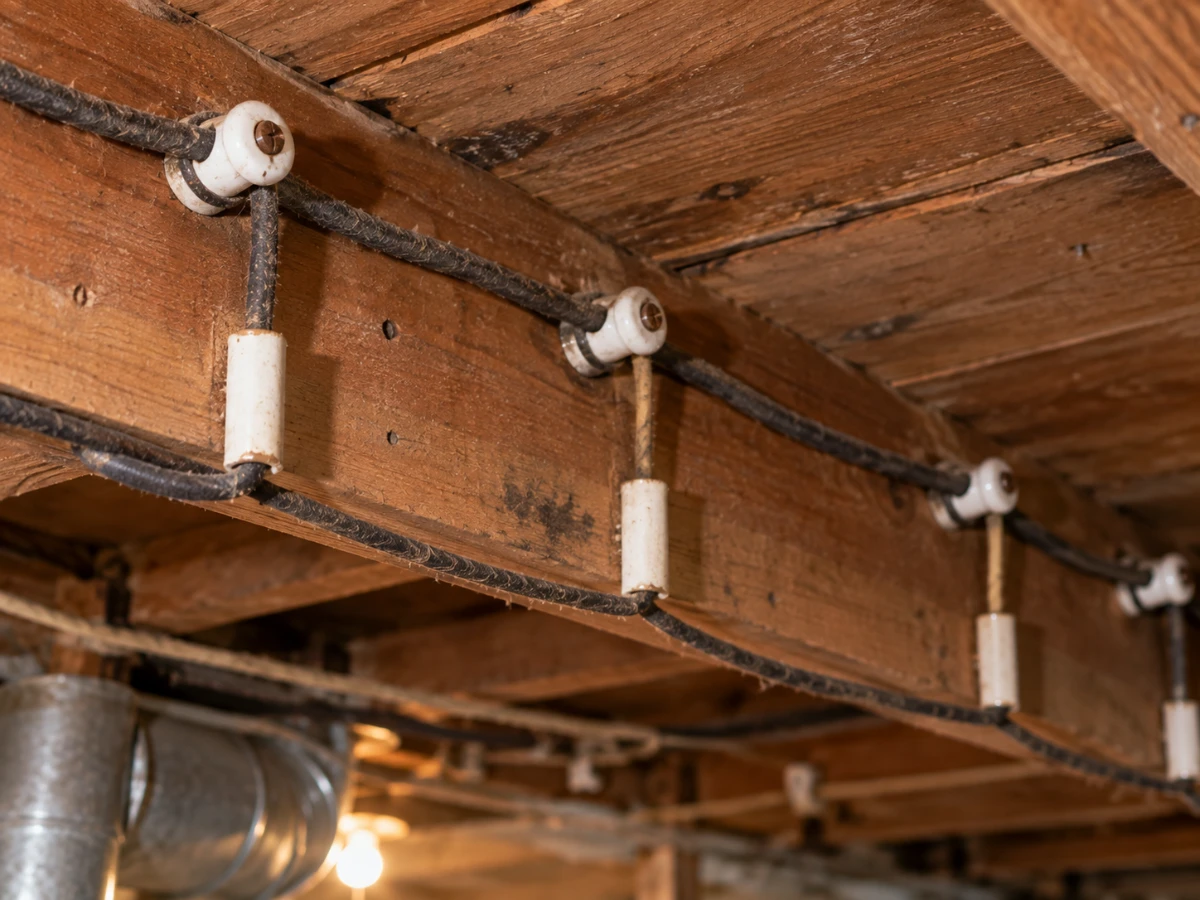
Knob-and-tube wiring was commonly used in older homes before modern cable systems became standard. It uses separate conductors supported by ceramic knobs and tubes and lacks a grounding conductor.
Finding it does not automatically mean a house is unsafe or that every wire must be replaced. The condition of the wiring, whether it is still active and how the system has been altered all matter.
The issue becomes more important when the wiring has been modified over the years. Minnesota's Department of Commerce identifies active knob-and-tube wiring as an electrical issue that may need attention during home improvements or energy-efficiency work.
Older 60-Amp Service Panels
Some older homes still have electrical service that was designed for when homes had fewer electrical appliances. Today's homes may have electric ranges, air conditioning, washers and dryers, EV chargers and other high-demand equipment.
That does not mean every 60-amp service needs to be replaced. We look at the home's electrical demand, equipment condition and current needs. An inspector may flag an undersized service if it cannot meet the home's demands or future needs. In older St. Louis Park homes, we may also find ungrounded two-prong outlets and undersized 60-to-100-amp panels.
Federal Pacific and Zinsco Panels
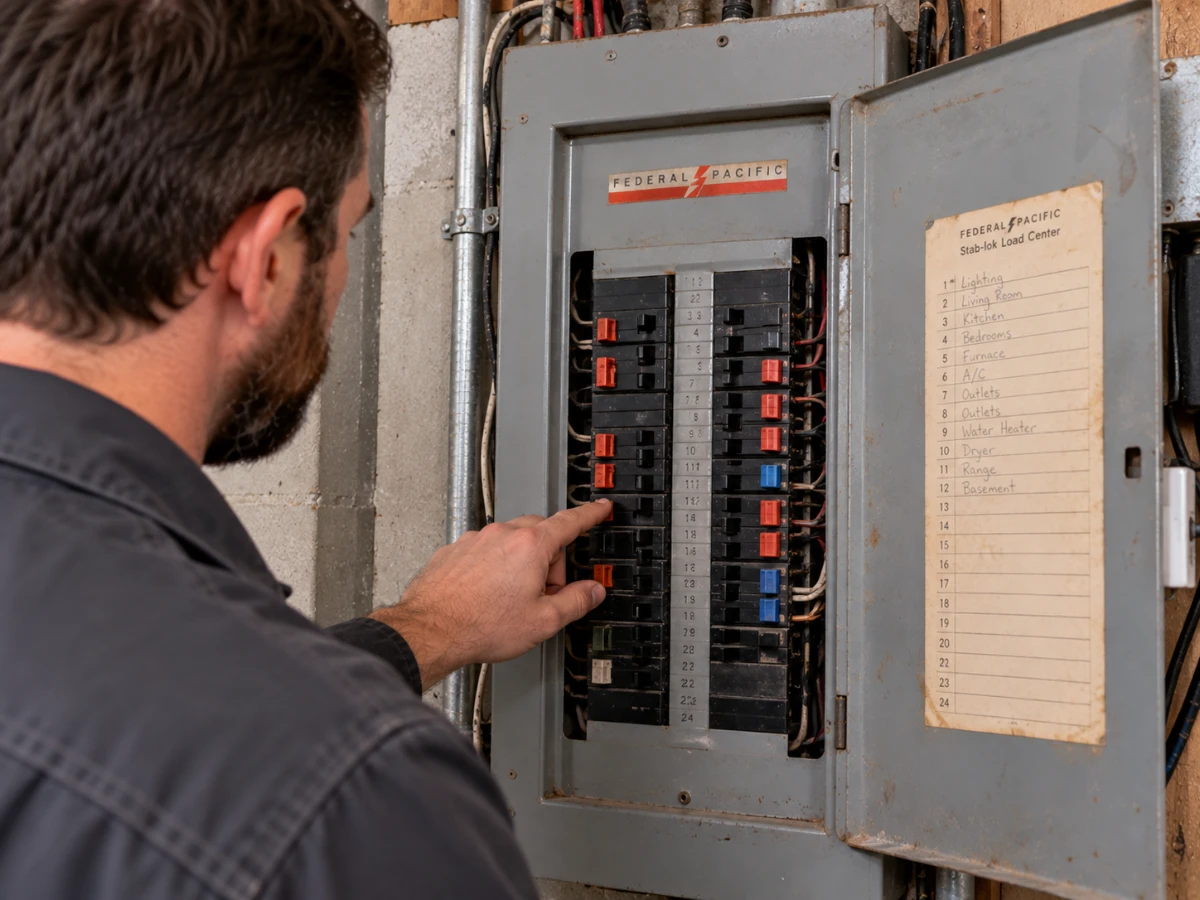
The name on an electrical panel can matter.
Federal Pacific Electric, including Stab-Lok equipment, and Zinsco panels are older systems that may receive extra scrutiny during an inspection. If one is identified, we recommend having a licensed electrician assess its condition rather than assuming it is safe because it still works.
Panel concerns can also become important during an insurance review or a home sale. Loch Monster Electric's electrical panel upgrade service covers panel upgrades and related electrical work across the Twin Cities.
Aluminum Branch-Circuit Wiring
Aluminum branch wiring was used in many homes during the 1960s and 1970s. Connections between aluminum conductors and devices can create problems if they are not properly installed, maintained or addressed with an approved method. An inspector may recommend further evaluation when aluminum branch wiring is present.
Ungrounded Two-Prong Outlets
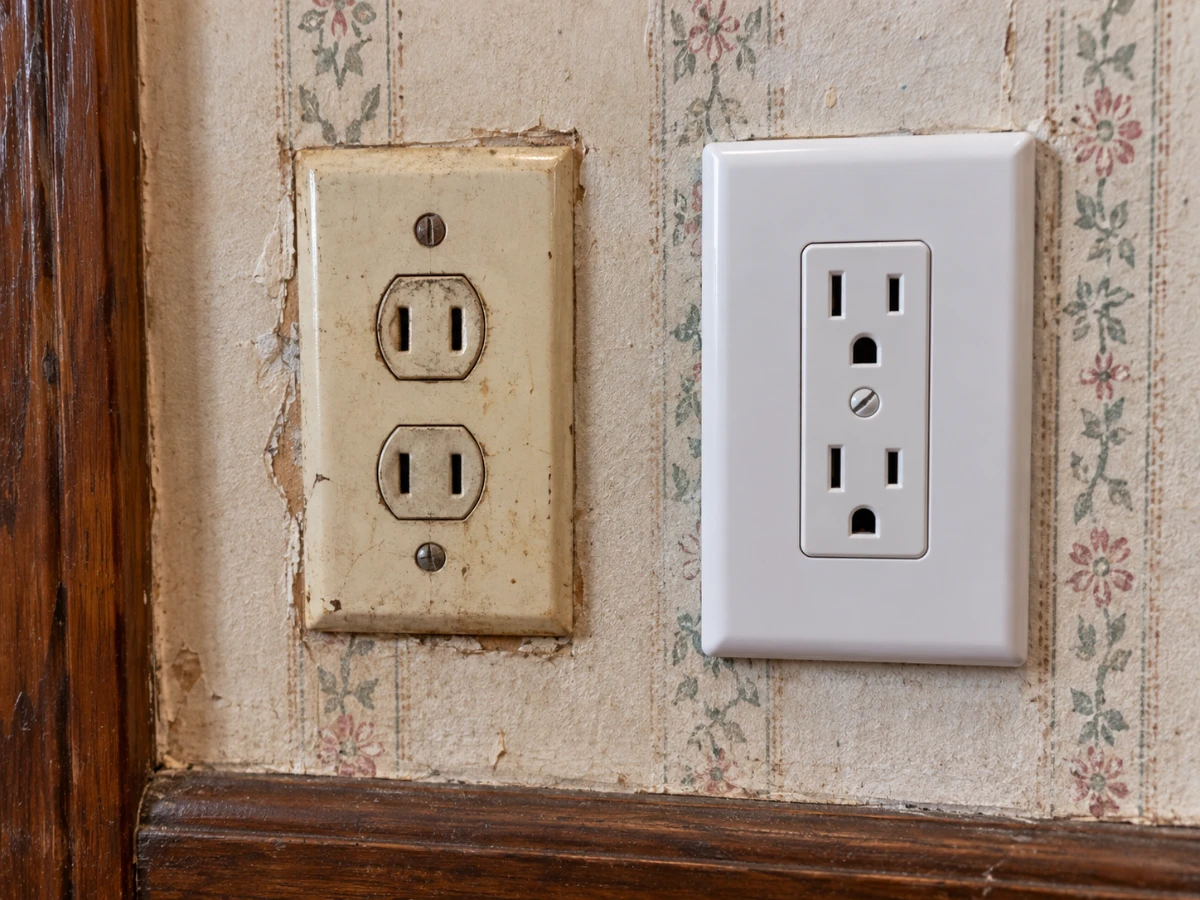
Two-prong outlets are common in older Twin Cities homes. They usually indicate that the circuit lacks a grounding conductor. Simply replacing them with three-prong outlets does not add a ground.
During an inspection, we may find a mix of two-prong and newer three-prong outlets or circuits that have been modified over the years. These should be evaluated to understand the condition of the electrical system.
For buyers and sellers, identifying these issues early can help avoid surprises during negotiations or before closing.
How Inspection Findings Affect Your Home Sale
An electrical inspection finding does not automatically mean a home sale will fall apart. Depending on the issue, buyers and sellers may negotiate repairs, request further evaluation or agree to sell the home as-is.
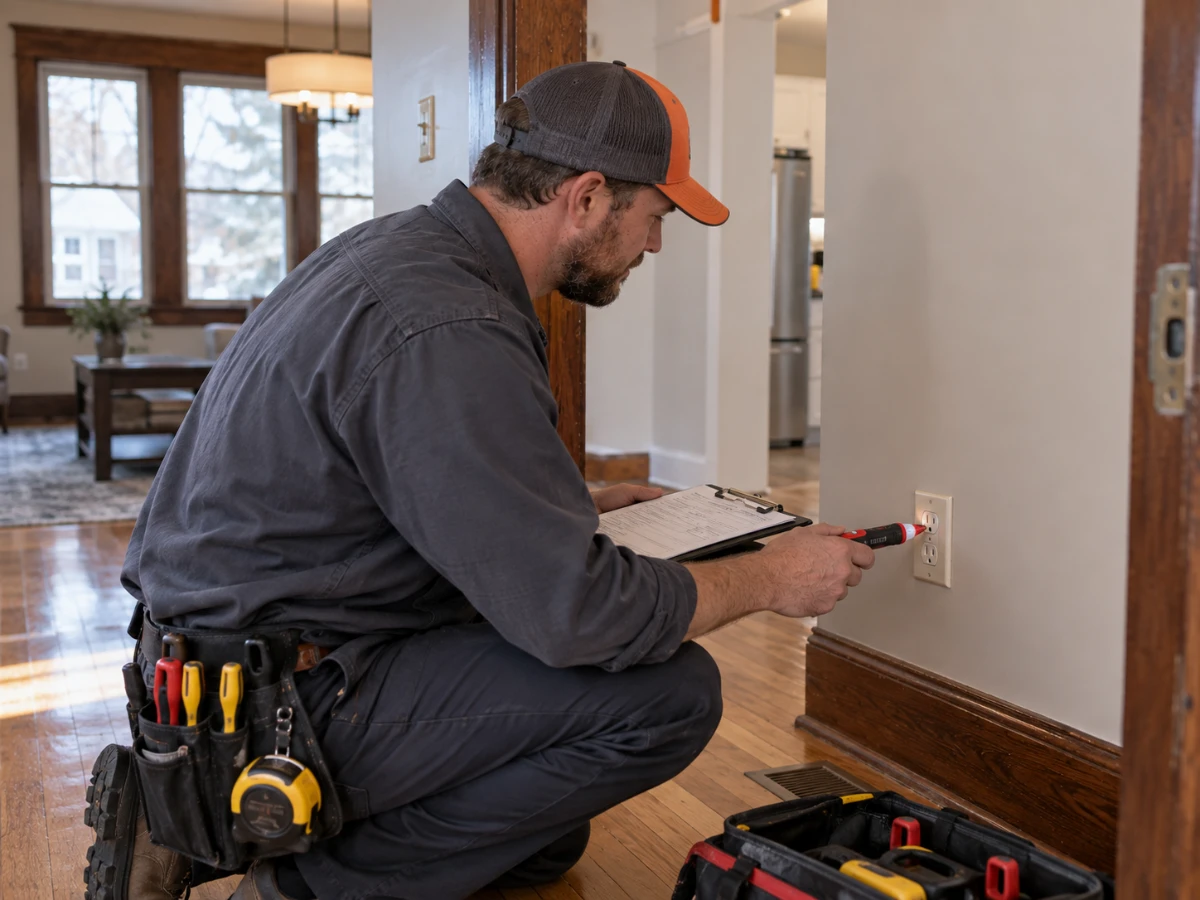
A buyer may ask the seller to make a repair. The buyer may request an inspection by a licensed electrician. The parties may negotiate who will complete the work. In some cases, the buyer may decide to accept the property as-is.
The key is understanding what the finding actually means. An inspector may flag an older panel for evaluation, while an electrician can determine whether it needs repair or replacement. It can also help prevent surprises late in the transaction.
For sellers, an electrical inspection before listing can identify problems early. For buyers, it can clarify repair needs and help prevent surprises before closing.
Minnesota Seller Disclosure Law and Electrical Problems
Minnesota law specifically addresses residential seller disclosures.
Under Minnesota Statutes section 513.55, before signing an agreement to sell or transfer residential real property, a seller must provide a written disclosure containing material facts the seller knows about that could adversely and significantly affect an ordinary buyer's use and enjoyment of the property or an intended use known to the seller. The disclosure must be made in good faith and based on the seller's knowledge at the time.
That matters when an electrical problem is known.
If a homeowner knows about a material electrical defect, it should not simply disappear from the conversation because the house is being sold. A seller should work with their real estate professional and, when appropriate, a qualified electrician to understand what needs to be disclosed.
Minnesota law also addresses what happens if a seller later learns that information in the disclosure was inaccurate. Section 513.58 requires the seller to notify the prospective buyer in writing as soon as reasonably possible and before closing.
There is an important distinction here: sellers are not expected to know what only a specialist could discover inside an inaccessible part of a property. Minnesota's statute provides protection for information that was not within the seller's personal knowledge or could only be discovered through specialised inspection or expertise.
This is one reason an electrical inspection can be useful before a sale. It helps establish what is actually present rather than leaving everyone to make assumptions.
This article is general information, not legal advice. Sellers should discuss disclosure questions with their real estate professional or attorney.
How Electrical Findings Can Affect Home Insurance
Insurance is another reason an electrical inspection can matter.
Minnesota's Department of Commerce explains that insurers can consider a property's physical condition, including its wiring, when determining whether a property meets reasonable underwriting standards.
That does not mean every older electrical system will result in an insurance denial.
Insurance companies have their own underwriting requirements. One carrier may request additional information about an older panel or wiring system, while another may have different requirements. Depending on the circumstances, an insurer may require repairs, request an electrical inspection or change the terms under which it is willing to provide coverage.
For example, an insurer reviewing a home with active knob-and-tube wiring or an older panel may ask for documentation from a licensed electrician. A documented repair or upgrade may help the homeowner demonstrate the current condition of the system.
Minnesota's Department of Commerce also notes that homeowner policies vary and encourages homeowners to discuss coverage with their insurance company or agent rather than assuming a particular condition is covered.
If you are buying an older home, it is worth talking to your insurance agent before closing rather than waiting until the last minute.
Can Electrical Issues Affect a Mortgage or Closing?
A mortgage lender does not necessarily require every older electrical system to be upgraded. However, electrical findings can become part of the closing process when they affect the property's condition, insurability or the lender's requirements.
For example, a problematic panel may need evaluation or replacement before an insurer will issue a policy. If proof of insurance is required before closing, the issue could delay the transaction.
Requirements vary by lender, loan program, and property. That’s why buyers should address electrical concerns early. A licensed electrician can determine what work is needed and provide documentation. The safest approach is to identify potential problems early.
If an older panel needs attention, for example, a licensed electrician can determine what is actually required and provide documentation of completed work. Loch Monster Electric provides electrical panel upgrades throughout the Twin Cities, including Minneapolis, St. Paul and surrounding communities.
What Buyers and Sellers Should Do Before Closing
If you are buying or selling an older Twin Cities home, a little preparation can make the process much easier.
For sellers:
- Identify knob-and-tube or aluminum wiring.
- Check whether the electrical panel has been upgraded.
- Note two-prong outlets or other ungrounded wiring.
- Gather records of previous electrical work.
- Consider having known issues evaluated before listing.
- Discuss material defects with your real estate professional.
For buyers:
- Review electrical findings in the inspection report.
- Ask for clarification when an inspector recommends further electrical evaluation.
- Have significant concerns evaluated by a licensed electrician.
- Ask your insurance agent whether any issues could affect coverage.
- Inform your lender or closing team about potential concerns.
- Keep documentation of electrical repairs and upgrades.
The goal is not to make every older home look new. It is to understand the electrical system, address safety concerns, and prevent issues from delaying the sale or causing problems after closing.
Why a Pre-Sale Electrical Inspection Can Be Worth It
Older homes may have character, but their electrical systems can tell a very different story.
A homeowner in Edina may have a beautifully maintained older house with an outdated panel. A South Minneapolis bungalow may have a mixture of original wiring and decades of electrical modifications. A Mac-Groveland home may have outlets and circuits that were updated at different points in its history. These conditions are not necessarily deal-breakers, but they deserve a closer look.
We can help identify electrical issues, explain our findings in plain language, and recommend the right next step, whether that means a repair, further evaluation, or a larger upgrade.
The earlier you identify the problem, the more options you have before an inspection report, insurance review or closing deadline turns it into a last-minute concern.
If you are buying or selling an older home in the Twin Cities and want to understand its electrical condition, call Loch Monster Electric at 763-292-1191 or contact us to schedule an appointment.
Frequently Asked Questions
Not automatically. An electrical finding may lead to repairs, negotiations or further inspection, but the outcome depends on the condition, purchase agreement and requirements of the buyer, lender and insurer.
Not necessarily. Insurance requirements vary by company. Some insurers may request an inspection, repairs or documentation before providing or renewing coverage.
Not automatically. We assess the service capacity, electrical demand, condition of the equipment and the home's current and planned needs before recommending an upgrade.
Minnesota Statutes section 513.55 requires sellers to disclose known material facts that could adversely and significantly affect a buyer's use or enjoyment of residential property.
It can be a smart step when an inspection identifies older wiring, an outdated panel, ungrounded outlets or other electrical concerns. A licensed electrician can provide a more detailed assessment.