Buying or Renovating an Older Twin Cities Home? The Knob and Tube Wiring Safety Guide
Updated: Jun 24, 2026
Learn about knob and tube wiring in Twin Cities homes. We cover safety risks, why insurance companies worry, the benefits of upgrading to modern electrical systems, and what to expect regarding costs, timelines, and the renovation process for your historic property.
There is something truly special about a home built before 1950. Whether you’re eyeing a charming bungalow in Mac-Groveland, a historic craftsman in Linden Hills, or a picturesque Victorian over in Stillwater, these properties have a soul that new buildings just can’t replicate.
However, as any seasoned homeowner or recent buyer knows, the charm of a vintage Minnesota home often comes with behind-the-scenes surprises. If you are preparing to buy, sell, or renovate an older property, you might have already run into a daunting roadblock: outdated electrical systems, specifically knob and tube wiring.
In this guide, we’ll walk through how to identify these electrical hazards, the immediate safety repairs that can protect your family, and the long-term upgrades that will satisfy even the strictest insurance underwriters in Minnesota.
Are you renovating an older home? Call us at 763-292-1191 to schedule an inspection.
What Is Knob and Tube Wiring?
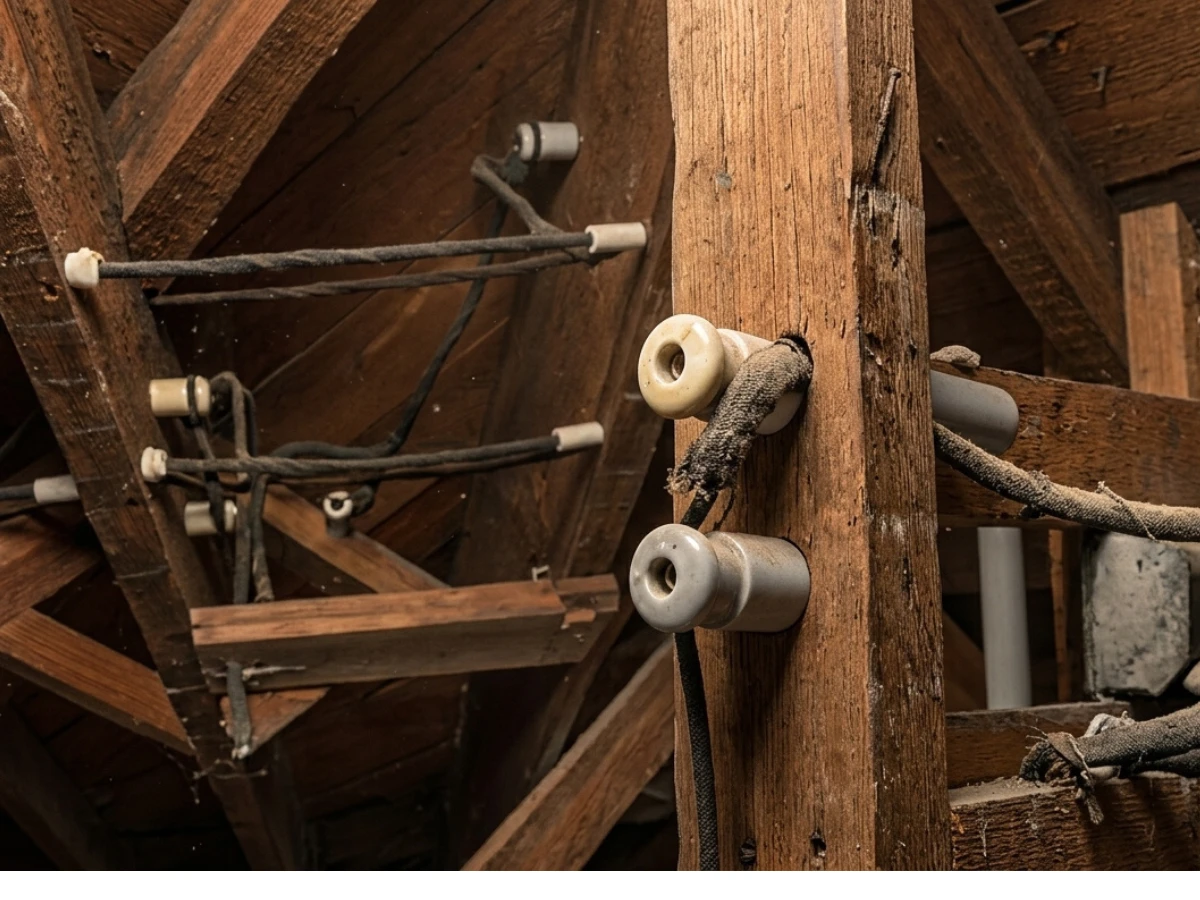
Used primarily between the 1880s and the 1940s, the ‘knob and tube’ system consists of single-insulated copper conductors run within wall cavities, supported by ceramic knobs and protected by ceramic tubes where they pass through framing members.
The problem isn't necessarily that the copper itself is bad, but that the system was designed for the electrical load of the early 20th century. It lacks a grounding conductor (the third prong on modern outlets), and the insulation, which was often made of varnished cloth, has likely become brittle and hazardous over the last century.
Knob and Tube Wiring Issues
The problem isn't necessarily that the copper itself is bad, but that the system was designed for the electrical load of the early 20th century. Key issues include:
- Lack of Grounding: The system lacks a grounding conductor, meaning it cannot support the third-prong safety features required by modern appliances and electronics.
- Brittle Insulation: The original insulation, often made of varnished cloth, has likely become brittle and hazardous over the last century, leaving the conductor exposed.
- Overheating Risk: Because it was designed for much lower power demands, the wiring is prone to overheating when forced to handle modern electrical loads. This risk increases significantly if the wires are buried under modern attic insulation, which traps heat.
- Improper Modifications: Over the decades, many historic homes have been tinkered with by previous owners or untrained handymen. We frequently find modern, ungrounded wiring dangerously spliced into the old K&T system, creating loose connections and potential fire hazards hidden inside your walls.
If you’re concerned about these risks in your own home, our team provides comprehensive electrical repairs to address these hazards.
Why Insurance Companies Are Raising Red Flags
It’s not just about the safety of your family, though that’s always our top priority. It’s also about keeping your home insurable. If you are looking to close on a home or renew your policy, you may find that home insurance electrical requirements are stricter than ever. Most carriers in the Twin Cities will refuse to write a policy, or will drop your current coverage if they discover active, un-remediated knob and tube wiring.
At the end of the day, this is a risk assessment issue. When an underwriter sees knob and tube, they see an outdated system prone to failures that they aren't willing to cover.
A few tips about insurance coverage:
- Active vs. Abandoned: It is important to know that insurance companies are primarily concerned with active (live) knob and tube wiring. In many cases, old wiring that has been properly disconnected (made "dead") does not need to be physically removed, which can save you significant wall-repair costs.
- Call Your Agent First: Every insurance carrier has different underwriting rules. Before you commit to a major project, call your insurance agent. Ask them specifically what documentation they require to verify the upgrade. Sometimes, a simple certificate of completion or a letter from a master electrician is all they need to keep your policy active.
If you’re currently hitting a wall with your insurance provider, don't panic. Professional electrical inspections can identify specific areas of the home that need immediate attention, which may be enough to satisfy an insurer’s request.
Aluminum Wiring Issues
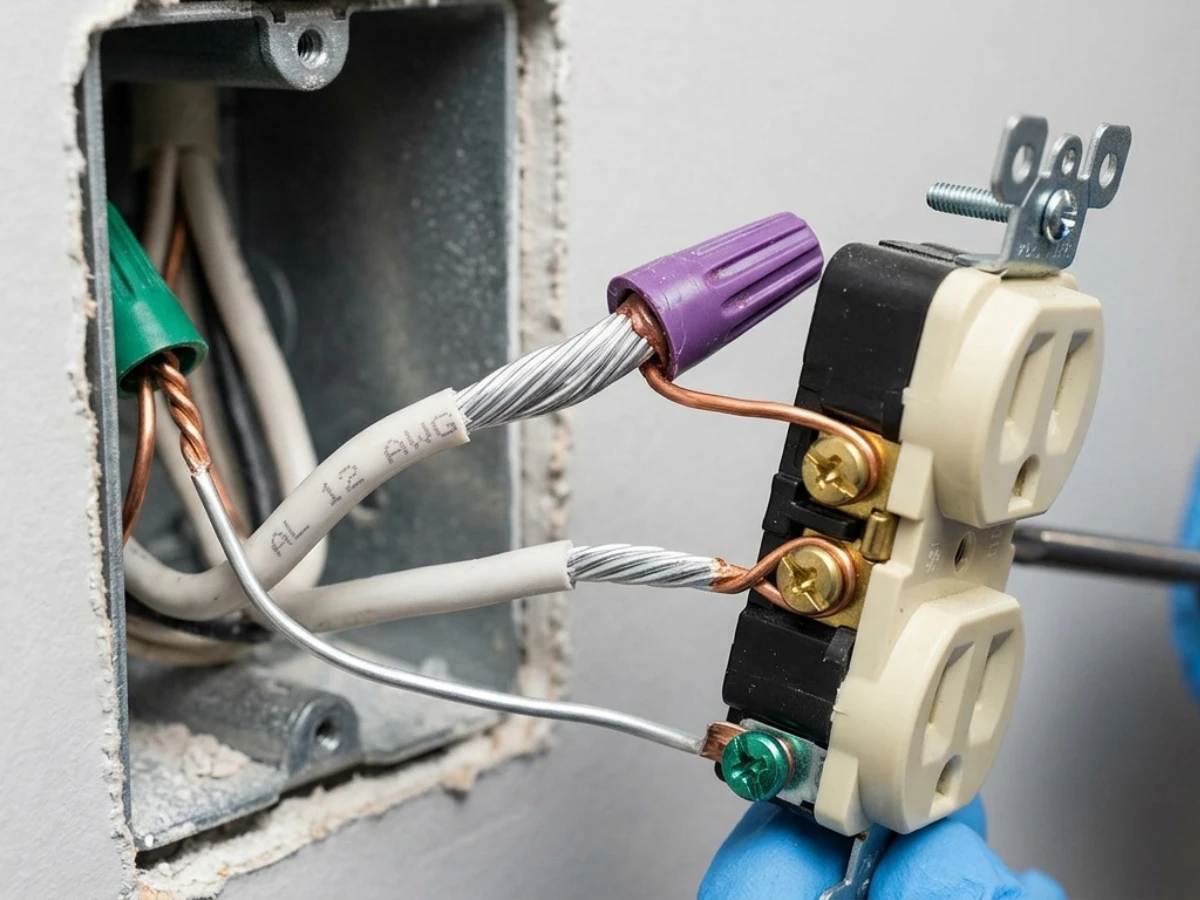
Knob and tube isn't the only vintage wiring that causes headaches. If your home was updated in the 1960s or 70s, you might have aluminum wiring. Unlike the copper in knob and tube, aluminum expands and contracts differently, which can cause loose connections at outlets and switches, creating a genuine fire risk. Aluminum wiring remediation is a common request we see, and it’s just as vital for your safety as removing the old knob and tube.
The Benefits of Upgrading Your Historic Home
Moving from a legacy system to a modern electrical setup is an investment, but it’s one that pays dividends in safety, resale value, and peace of mind. When we talk about vintage home electrical upgrades, we aren't just swapping out outlets; we are bringing your historic home into the modern era with several key benefits:
- Managing Modern Loads: You will gain the capacity to power today’s lifestyle. Whether it’s a kitchen remodel with high-end appliances or a home office full of high-speed electronics, a modern system eliminates the constant battle with
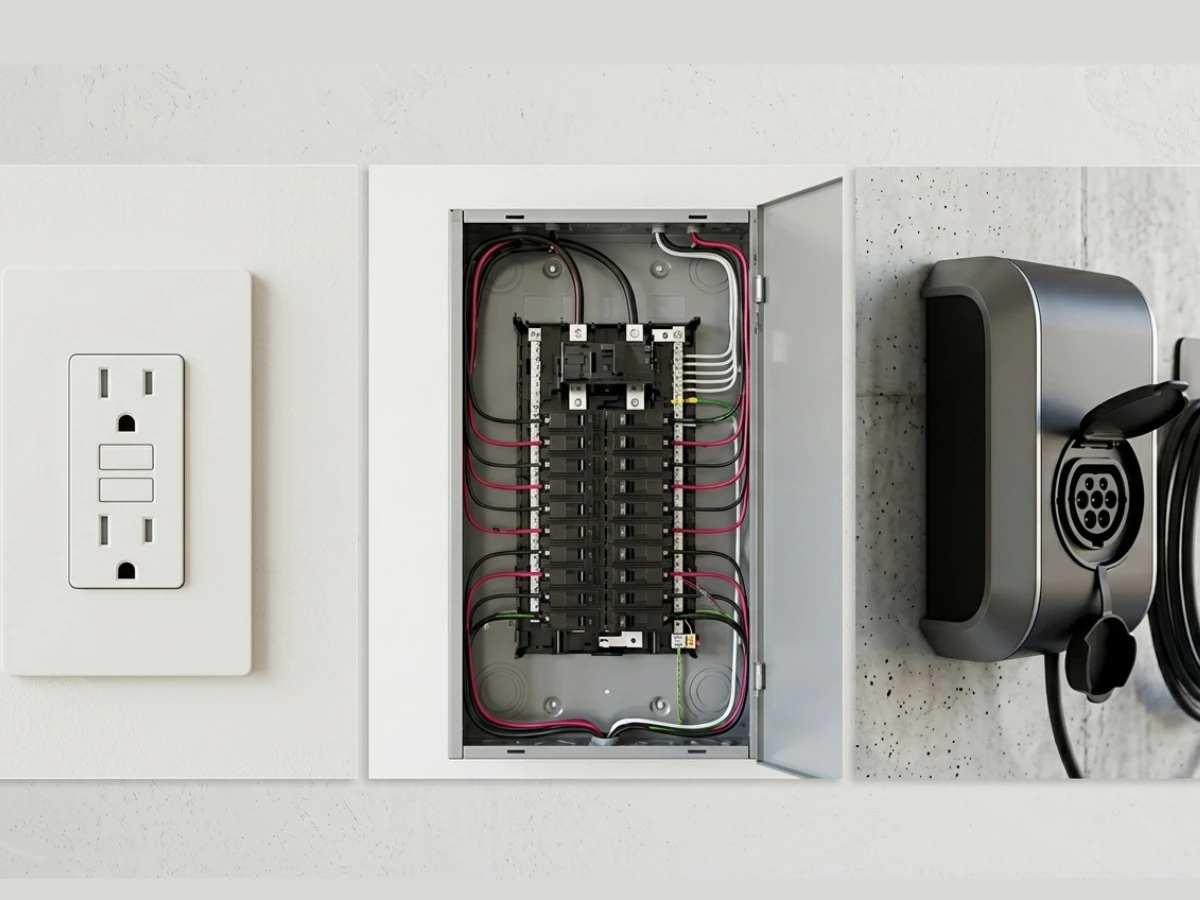
tripped circuit breakersand the hidden fire hazards of overloaded 80-year-old circuits. - Unified Safety: Upgrading allows us to bring your entire home up to current National Electrical Code (NEC) standards, ensuring that every room is equipped with proper grounding and
GFCI & AFCIprotection. - Future-Proofing for EV Charging: Thinking about making the switch to an electric vehicle? These cars need a serious amount of power, much more than an old system can handle. By upgrading your wiring now, you’re setting yourself up to install a high-speed
home EV chargerdown the road without having to worry about your home's capacity. - Proactive Planning: When you are already opening up walls for other renovations, it is the most cost-effective time to modernize your wiring, preventing the need for costly patchwork later and ensuring the longevity of your home’s infrastructure.
Reach out today to learn more about how our residential electrical upgrades can add lasting value and safety to your property.
Is It Time to Overhaul Know and Tube Wiring?
If you are wondering if your home is a candidate for a knob and tube wiring replacement project, the answer often depends on how much of the home has already been updated. If you are doing major renovations, opening up walls, or adding square footage, it is the perfect time to commit to a whole-home rewiring.
What to Expect During the Rewiring Process
Rewiring isn't just about swapping wires; it's a surgical process.
- Permits and Inspections: In the Twin Cities, all rewiring must adhere to local building codes. We pull the necessary permits and arrange for city inspections to ensure the work is safe, verified, and future-proofed for when you eventually sell the home.
- The Surgical Approach: Because K&T wiring is often buried behind beautiful, original plaster, we work carefully to minimize demolition. Our goal is to provide a clean install while respecting the history of your walls.
- Timeline: A full rewire can take anywhere from a few days to a few weeks, and we work to accommodate your schedule while managing external factors like material availability or permit timelines.
- Phased Scheduling: If you are living in the home while we work, we can often schedule the project in phases to minimize power loss and disruption.
Determining the Cost to Rewire an Old House
We know the cost to rewire an old house can be a major budget consideration. Because every historic home in Minneapolis or St. Paul has different architecture, there are several variables that influence the price:
- Accessibility: Homes with easily accessible attics and basements are generally easier to work in than those with finished spaces.
- Construction Style: Older homes often feature old-growth framing, which is significantly denser and harder to drill through than modern lumber, alongside delicate plaster-and-lath walls. This requires more specialized, time-intensive labor.
- Electrical Panel Capacity: Many historic homes are still running on outdated fuse boxes or undersized 60-amp/100-amp service panels. Upgrading to a modern 200-amp panel is usually a necessary component of a whole-home rewire to safely handle today's electrical demands.
- Specific Cost Drivers: The total budget is also driven by the number of circuits being replaced, the installation of new grounded outlets, and the necessary wall repairs following wire removal. Labor makes up a major piece of this cost, especially when we are working with original, finished walls that require extra time and precision.
Finding the Right Historic Home Electrical Contractors
When you’re dealing with the unique quirks of knob and tube or aluminum wiring, you need more than just a quick fix. You need historic home electrical contractors who understand the nuances of old-growth framing, delicate plaster walls, and the importance of historic preservation. You deserve a team that respects your home’s original character while ensuring your family stays safe with a modern, code-compliant system.
Give the team at Loch Monster Electric a call. We love these old homes just as much as you do, and we’re here to help you keep them safe for generations to come.
Frequently Asked Questions
Yes, many insurance carriers in the Twin Cities consider active knob and tube wiring a significant risk and may refuse to issue or renew a policy. Upgrading to a modern electrical system is often the only way to satisfy these requirements and secure standard home insurance coverage.
Absolutely not. Knob and tube wiring relies on air to dissipate heat. Covering it with modern insulation effectively creates a fire trap. If you have K&T, you must address the wiring before adding any insulation to your attic.
While a full replacement is recommended for safety and insurance purposes, a qualified electrician can sometimes help you map out a phased approach. However, if you are doing significant remodeling, a full upgrade is almost always the more cost-effective choice in the long run.
For a standard historic home in the Twin Cities, a full rewire can take anywhere from a few days to a couple of weeks, depending on the size of the home and the complexity of the project. We do our best to work efficiently so you can get back to enjoying your home.
Just because the lights aren't flickering doesn't mean the system is safe. Many electrical fires start inside the wall cavities, where you can't see the degradation of the insulation or the loose connections. An electrical safety inspection is the only way to know for sure.