Does Your Hot Tub Breaker Match Your Actual Tub Size?
Updated: Aug 7, 2026
Confused about your hot tub breaker size? Our guide explains how to determine the right amperage, avoid fire hazards, and stay code-compliant in the Twin Cities. We cover data plates, safety inspections, and what you need for a safe, worry-free soak every time.
There is nothing quite like firing up your hot tub on a crisp January night in Minnesota. You’ve got the snow falling, the water is steaming, and you’re ready to relax. But then, the power cuts out. Your tub stops running, the heater cools down, and your relaxing evening is ruined because your hot tub breaker decided to trip.
At Loch Monster Electric (LME), we see this all the time. But this is more than just a nuisance, it’s an electrical warning sign. When a breaker trips, it’s your home’s way of saying the electrical load does not match the equipment.
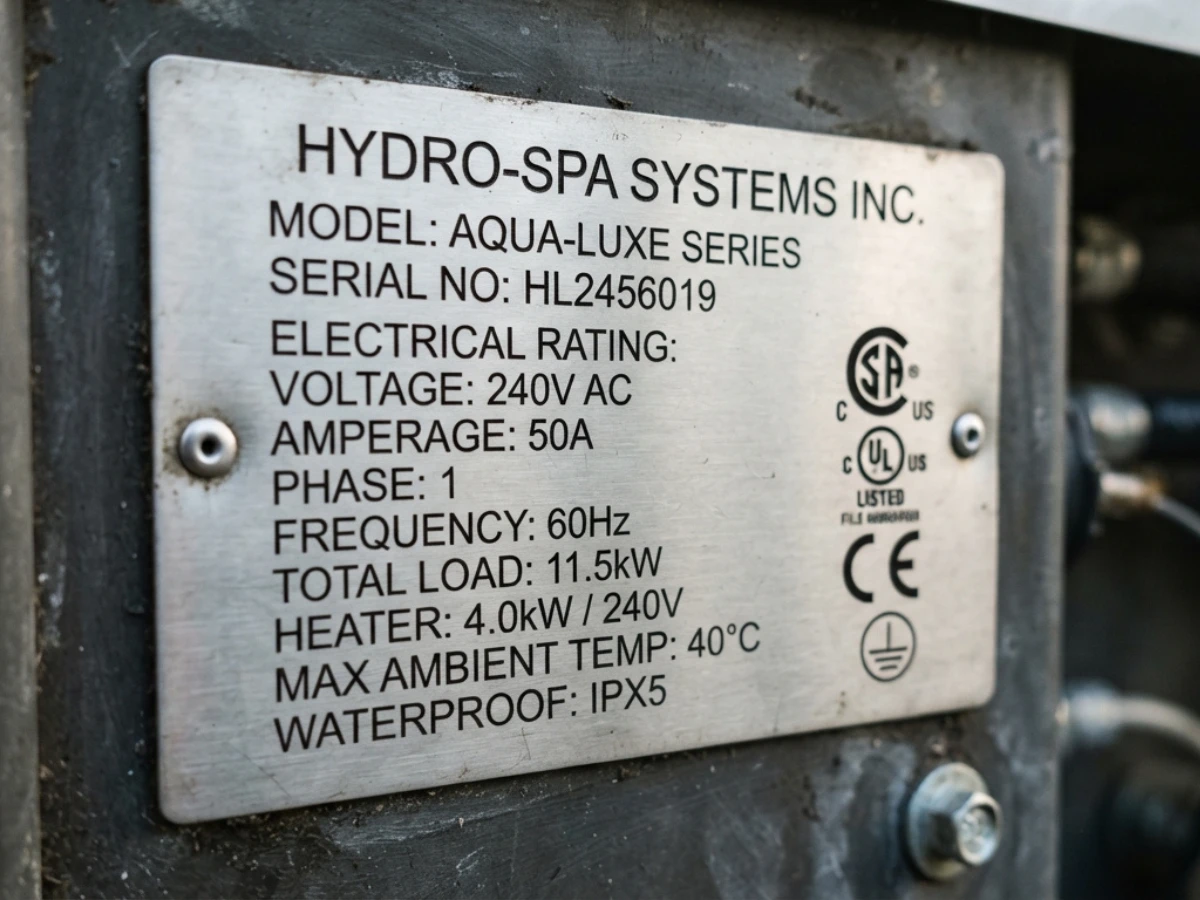
In this guide, we’ll help you figure out what a hot tub breaker is, why you need one, and why getting the hot tub manufacturer’s data plate checked by a licensed Twin Cities electrician is the key to installing the correct breaker size.
If you would like us to check your hot tub breaker, call us on 763-292-1191 or leave your details in the contact form.
What Is A Hot Tub Breaker?
A hot tub breaker is a special type of heavy-duty safety switch installed in an outdoor sub-panel box, often called a spa panel or disconnect, located near your hot tub. Unlike the standard switches that control lights inside your house, this breaker is built to handle a massive amount of electricity. It has to power your hot tub's heavy water pumps and heater at the exact same time without overheating.
Code Requirements for the Hot Tub Breaker
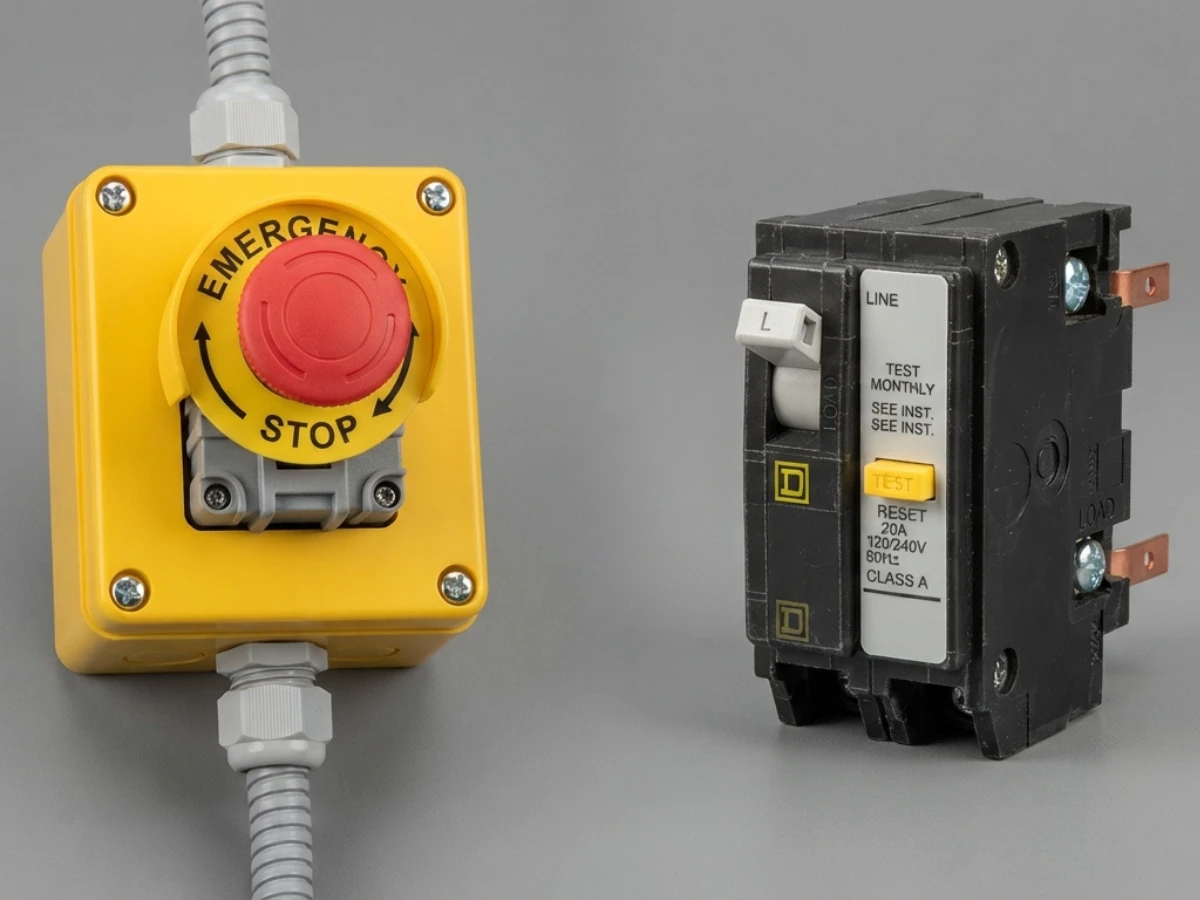
According to safety rules set by the National Electrical Code, this outdoor breaker box has to be in plain view of your hot tub. Specifically, it must sit at least 5 feet away from the water so nobody can reach it from inside the spa, but it cannot be placed farther than 50 feet away.
This specific placement serves two main reasons required by safety codes:
- Emergency Shut-Off: Because electricity and water are a dangerous combination, the code requires an emergency disconnect switch within clear sight so you can cut the power instantly if something goes wrong.
- GFCI Protection: The code strictly requires this breaker to be a special type known as a Ground Fault Circuit Interrupter (GFCI). If the system detects even a tiny electrical leak which could cause a severe shock in wet outdoor conditions, the GFCI breaker shuts off the power in a split second to protect you and your family.
Breakers for Plug-and-Play Hot Tubs
Even though a 120V plug-and-play hot tub comes with a standard wall cord, it legally requires its own dedicated circuit based on manufacturer rules. Many homeowners make the mistake of plugging them into regular kitchen or garage outlets. Because those outlets share power with heavy machines like a garage refrigerator or a power tool, running the hot tub heater and another appliance at the same time will overload the circuit and blow the breaker. Even small tubs need a separate GFCI line all to themselves.
Hot Tub Breaker Size by Tub Type
To make sure your spa runs safely and efficiently, you need to match your breaker size to your specific hot tub's voltage and amperage.
Here is the breakdown of standard electrical breaker requirements.
Tub Voltage | Amperage | Typical Breaker Size |
120V (Plug-and-Play) | 15A - 20A | 20A GFCI |
240V (Standard) | 30A - 40A | 40A - 50A GFCI |
240V (Large/Premium) | 50A - 60A | 50A - 60A GFCI |
Note: Keep in mind that your specific model might vary, so always check the manufacturer’s documentation or the tub's data plate (specifications sticker). Never assume your tub matches these general categories.
What Actually Determines Your Hot Tub's Amperage Draw
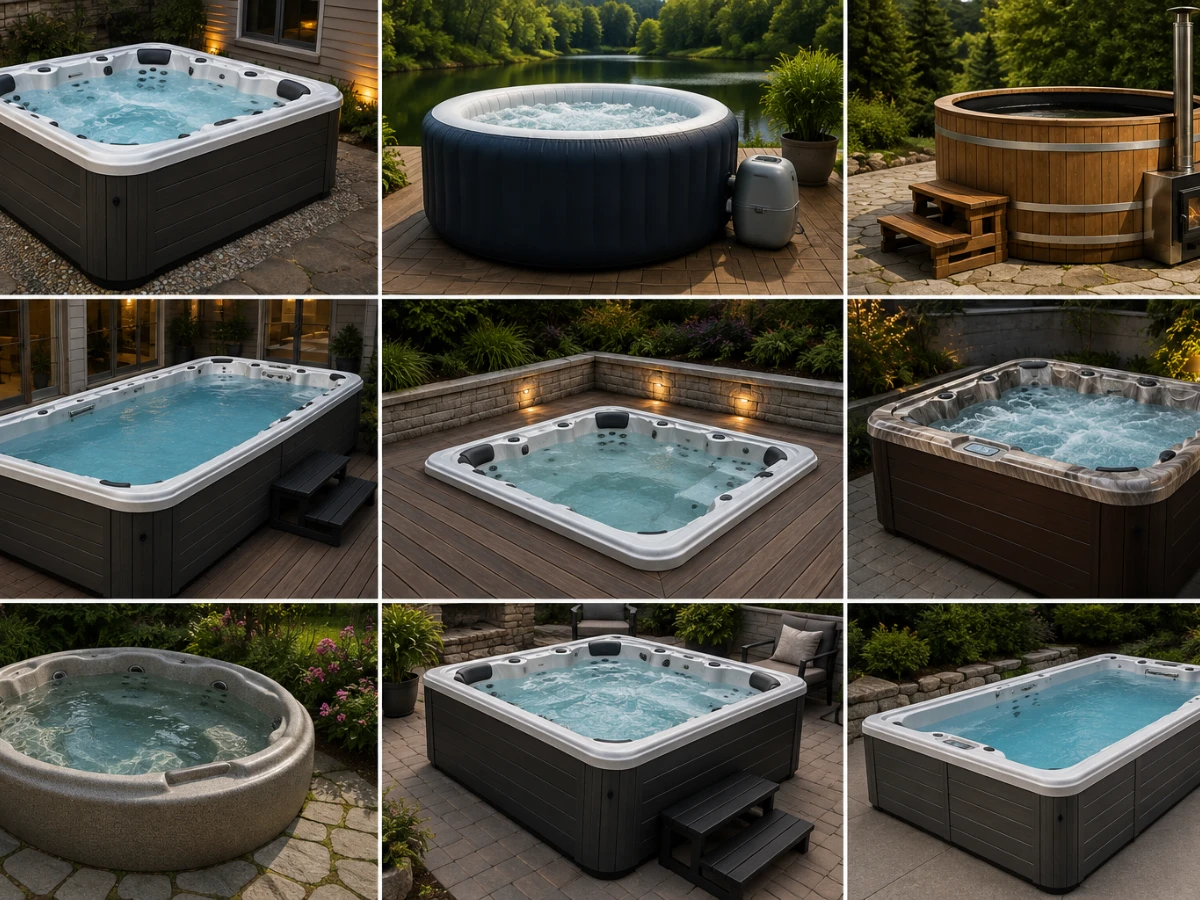
Why can’t you just use any breaker? It comes down to the load. A hot tub is essentially a massive, water-filled appliance that draws significant power. The amperage isn't random; it is calculated based on what the tub is doing.
Factors that set your real amperage demand include:
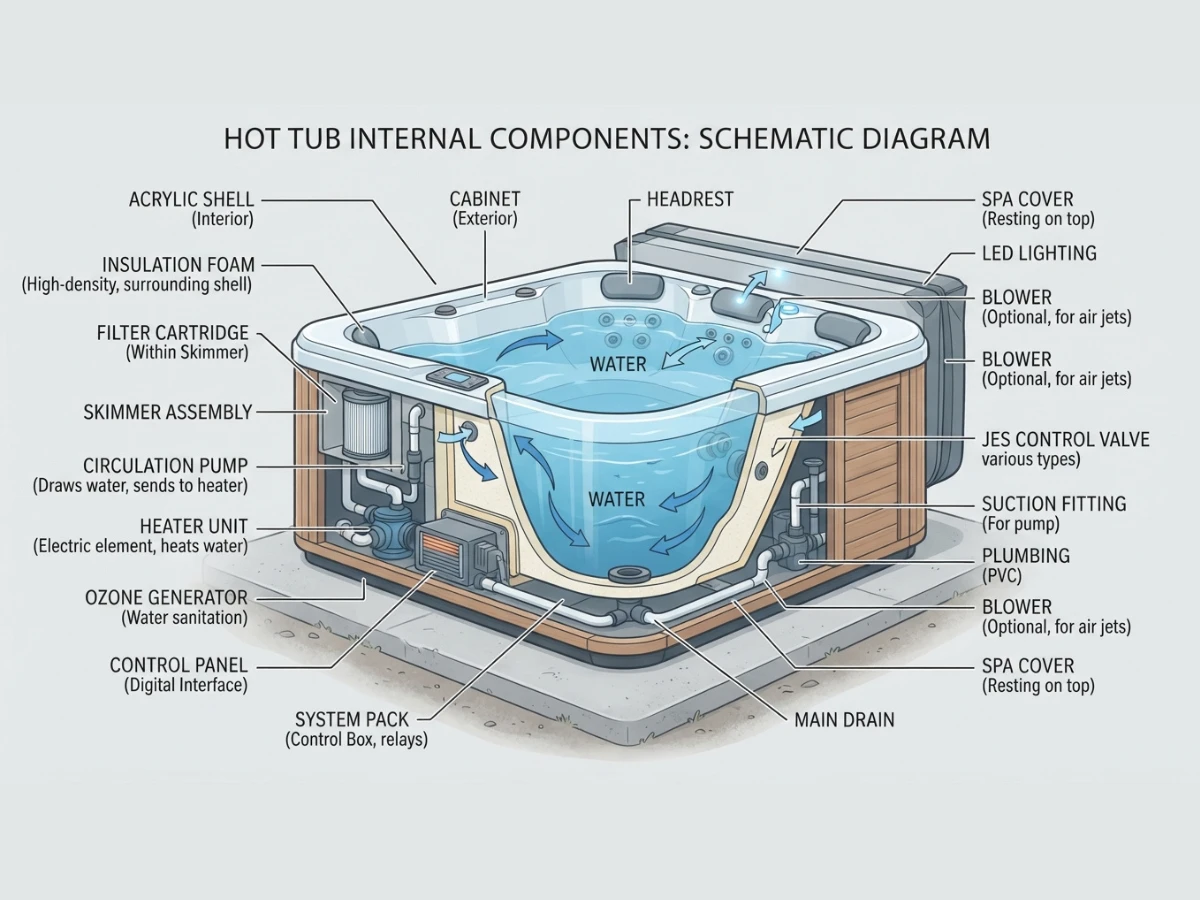
- The Number of Pumps: These are the real workhorses of your spa. Each jet pump requires a specific amount of electricity to start up and continue running. A tub with three pumps clearly demands significantly more power than a standard two-person tub with only one pump. Because every pump adds its own electrical demand to the circuit, more pumps mean a higher capacity requirement.
- Heater Wattage: The heater is often the single largest power consumer in your hot tub. Most residential spas use a 4kW to 6kW heater to keep the water at that perfect soaking temperature. A 6kW heater will draw more power than a 4kW version, and this higher draw must be accounted for when choosing your breaker size.
- Blower Motors & Lighting: While these aren't the heavy lifters that the pumps are, they still contribute to your total load. Air blowers (for that bubbling effect) require a motor that pulls additional electricity, and modern LED lighting systems also draw a small, consistent amount of power. They are part of the total electrical demand your circuit must be able to handle.
- Control Boards: Think of the control board as the brain of your hot tub. It coordinates the pumps, heater, and lights. Crucially, it also manages load shedding, which is a smart process that prevents your hot tub from pulling too much power at once. For example, it might turn off the heater briefly while the pumps are running full-blast to keep the system from overloading your breaker.
A 5-person Sundance and a 2-person Coleman might look similar on the outside, but if one has three pumps and the other has one, their electrical needs are drastically different. Trying to force a high-draw tub onto a small-amperage breaker may do more than just trip the switch. It can cause heat buildup in your wiring, which is a significant fire hazard.
Warning Signs Your Current Breaker Is the Wrong Size
If you already have a hot tub installed and are experiencing performance issues, check for these warning signs that your breaker might be the wrong size. Always compare your installed breaker against the manufacturer’s documentation or data plate (specifications sticker) located on your tub.
Signs Your Breaker is Undersized
- Mismatched Ratings: If your tub's documentation or data plate calls for a 60A breaker, but your panel only has a 40A installed (or vice versa), your system is at risk.
- Nuisance Tripping: If the breaker trips whenever the heater kicks on during a cold Minnesota night, your breaker is likely too small. It cannot handle the surge of the heater and pumps combined.
- Slow to Heat: If the water takes forever to warm up, it could be a sign the heater isn't getting the full voltage or amperage it needs to operate efficiently.
To learn more about how to reset a tripped breaker, and figure out if you need an upgrade, read our circuit breaker keeps tripping guide.
Signs Your Breaker is Oversized
If your breaker is larger than what the manufacturer allows, it creates a silent fire hazard. Because it won't trip when the circuit gets overloaded, the wiring behind your walls can overheat and melt before the breaker even realizes there's a problem.
A major warning sign that this is happening is an acrid, burning plastic smell near your panel or the disconnect box. If you smell this, shut the power off immediately and call a professional. This indicates melting insulation and requires an immediate inspection, which is likely followed by an emergency electrical repair.
Hot Tub Electrical Installation Costs in the Twin Cities Metro
The electrical installation costs vary depending on your hot tub’s manufacturer recommended breaker size, and the complexity of the cable run. You may also need a panel upgrade if your current capacity is unable to deliver.
Standard Hot Tub Breaker Cost
This is the most affordable part. If you already have an existing, compliant circuit wired to your hot tub, you just need to install the correct GFCI circuit breaker. Keep in mind that breaker pricing varies depending on the required amperage. A 60A GFCI breaker is a different investment than a 20A version.
Hot Tub Wiring Installation Cost
This installation runs new wire from your main panel to your hot tub. Costs vary based on your specific layout. For example, trenching through landscaping or running wire through finished basements in suburbs like Edina or Woodbury adds to the complexity of the project.
Beyond choosing the correct breaker size, and the wiring, your installation must also comply with broader NEC rules regarding dedicated lines, disconnect switches, and bonding. Read about this and the cost factors in our hot tub wiring installation guide.
Important Note: Because every home layout is unique, we provide firm, transparent quotes only after a home assessment. This ensures you never pay for more than what you need and that our breakers and wiring are perfectly suited to your hot tub’s specs.
Electrical Panel Upgrade Cost
Some older Minneapolis homes use outdated Zinsco or Federal Pacific panels, which are known safety hazards. Additionally, your current panel might simply lack the total capacity to handle the high electrical demand of a new spa. We may recommend a panel replacement in these cases. While this is a larger investment, it adds significant value and safety to your home.
To learn more about standard electrical panel installation costs, permit requirements and rebates, read our guide to panel upgrade cost for Minnesota homeowners.
Minnesota Permit and Inspection Process: What Skipping It Actually Costs
In Minnesota, a licensed electrician must pull a permit. Once the hot tub electrical work is done, a state electrical inspector must approve it. Why?
- Safety: An inspector ensures the work meets the code.
- Insurance: If an electrical fire happens and the work was unpermitted, your insurance company might deny your claim.
- Liability: If you sell your home in a place like Maple Grove, Eden Prairie, or across the Twin Cities, inspectors will check for permits. Unpermitted electrical work can cause issues during the sale and even kill the deal.
Note: Electrical permit fees vary by municipality. Whether you are in Minneapolis, St. Paul, or suburbs like Edina, Woodbury, and Plymouth, each jurisdiction has its own fee schedule and requirements. We manage this entire process for you to ensure your hot tub breaker and wiring is fully compliant.
What We Do During a Hot Tub Electrical Assessment
Whether you are installing a new spa or troubleshooting an existing one, our electrical assessment ensures your entire setup is safe, efficient, and up to code.
- Reading the Data Plate: We check the Minimum Circuit Ampacity (MCA) and Maximum Overcurrent Protection (MOCP) on your tub’s label. MCA tells us how much power your wiring needs to handle, while MOCP is the largest breaker size the manufacturer allows. If your setup doesn’t match those specs, we’ll get the right parts in place to keep your spa safe and ready for a soak.
- Panel Capacity: We verify if your service panel can handle the extra load of your hot tub. If your panel is full or outdated, we recommend an
electrical panel upgradeto keep your home’s system safe and functional. - Wire Gauge: We measure the thickness of the wiring between your panel and the disconnect to ensure it carries enough power without overheating. If the wire is too thin, we will outline the upgrades needed to bring your circuit up to code.
- GFCI & Disconnect Verification: We confirm your disconnect box is placed correctly and that your GFCI breaker works to prevent shock. If we find missing, outdated, or faulty safety gear, we’ll get it installed or replaced to keep your family protected.
- Bonding Inspection: We inspect all metal parts within 5 feet of the water to ensure proper equipotential bonding. This process prevents dangerous electrical shocks. If it is missing, we install the bonding needed to keep you safe.
Ready to Power Your Hot Tub Safely?
You didn’t invest in a hot tub to spend your time worrying about breakers or deciphering electrical codes. You bought it to relax. When your setup is handled by a pro, you can stop stressing about the technical details and get back to what really matters: that first, steam-filled dip.
Need an expert eye on your spa wiring? Don't guess with your safety. Whether you’re installing a new tub in Plymouth or troubleshooting a breaker in St. Paul, Loch Monster Electric is here to make sure everything is wired to code and ready for your next soak. Give us a call on 763-292-1191 today!
Frequently Asked Questions
It depends on the manufacturer's specification. Most standard units require a 50A or 60A GFCI breaker, but some smaller 240V units may only require 30A or 40A. Check your hot tub data plate (specifications sticker).
Only if the hot tub's MOCP (Maximum Overcurrent Protection) allows it. If the manufacturer requires 50A, using a 40A will cause the breaker to trip constantly. Never guess on the size.
Yes. Minnesota law requires an electrical permit for this type of installation, followed by an inspection by a state electrical inspector.
The breaker will trip frequently, especially when the heater cycles on. In worse cases, the wiring can overheat, potentially leading to a fire.
Prices vary based on distance from the panel, existing panel capacity, and site conditions. Contact Loch Monster Electric for a site-specific quote.
In Minnesota, you must be a licensed electrical contractor to perform this work. It is a matter of both legal compliance and safety.