Electrical Panel Recalls & Replacements: What Minnesota Homeowners Need to Know
Updated: Sep 1, 2025
Most homeowners never think about their electrical panel until something goes wrong. But the truth is, millions of panels in homes across Minnesota and the U.S. are recalled, obsolete, or flat-out unsafe — and many have been linked to electrical fires or insurance claim denials.
If you’ve noticed lights dimming or breakers tripping more often, those can be early warnings of a failing panel or wiring issue. Our Flickering Lights Guide breaks down how to tell when the problem runs deeper than just a bad bulb. Whether you call it a breaker box, fuse box, or electrical service panel, these systems are critical to your home’s safety and insurance coverage.
At Loch Monster Electric, we believe you deserve straight answers without scare tactics. Whether you’re considering an electrical panel replacement, an inspection, or simply want to understand your options, this guide explains which panels should be replaced, how to check yours, and why an electrical panel inspection in Minnesota can help you avoid insurance and safety issues. It will also walk you through which panels are considered unsafe or uninsurable, what it costs to replace them, what to expect during the upgrade process, and your options for inspection and replacement.Federal Pacific & Zinsco Panels: Top Fire Hazards
Two brands in particular have earned a reputation as the most dangerous panels still found in homes:
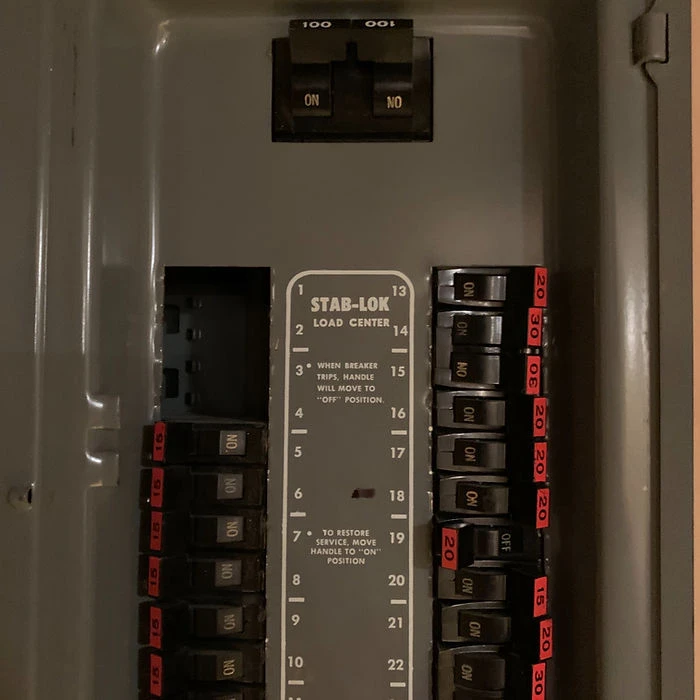
Federal Pacific Electric (FPE) “Stab-Lok” Panels
Why They’re Unsafe (Technical Explanation):
Federal Pacific panels used a Stab-Lok® breaker design, where each breaker “stabs” onto a bus bar—a metal strip carrying power into the breakers. Unlike many modern panels, FPE breakers have a tendency to lose secure contact with the bus bar over time. This creates several problems:
Failure to Trip:
- Circuit breakers are supposed to detect excessive current (an overload or short circuit) and trip (shut off power) to protect the wiring.
- FPE breakers often stick internally due to defective trip mechanisms, meaning they look switched on but can’t break the circuit.
- According to a landmark investigation by engineer Jesse Aronstein, about 28% of FPE breakers failed standardized UL trip tests—a much higher failure rate than acceptable.
Loose Connection Arcing:
- The “stab” connection to the bus bar can vibrate loose over time from thermal expansion and contraction as current flows.
- A loose connection can create arcing, where electricity jumps gaps, causing extreme localized heating that may melt breaker housing or ignite surrounding materials.
Breaker Design Flaws:
- Some FPE double-pole breakers (240-volt) were found to fail to trip on one leg, leaving half of the circuit live even during a fault.
- Breakers may also jam in the on position after a short circuit.
Plain-English Translation: When a circuit overloads—like if you plug in too many appliances—the breaker is supposed to instantly shut off power. In FPE panels, many breakers don’t trip at all, letting wires overheat to the point of melting or fire. Even worse, you might think you’ve shut a breaker off, but parts of the circuit are still energized—a major safety issue that also makes these panels hard to insure in Minnesota.
When Installed:1950s–1980s, especially in homes built between 1960–1985.
Known Issues & Studies:
- A 2002 study estimated 1 in 4 FPE breakers are defective.
- UL (Underwriters Laboratories) revoked the listing for FPE panels due to failure to meet safety standards.
- Multiple lawsuits and insurance claims have been filed over fires linked to these panels.
- Some home insurance carriers will not cover homes with FPE Stab-Lok panels.
- Many Minnesota real estate agents recommend replacement before listing a home, as these panels often come up during pre-sale inspections.
Recommendation: Immediate replacement is strongly advised. These panels cannot be repaired to modern safety standards. Replacing just the breakers does not resolve the underlying bus-bar design flaws.
If you have already witnessed a problem with Federal Pacific circuit breakers, the Consumer Product Safety Commission asks that you file a report at www.saferproducts.gov.
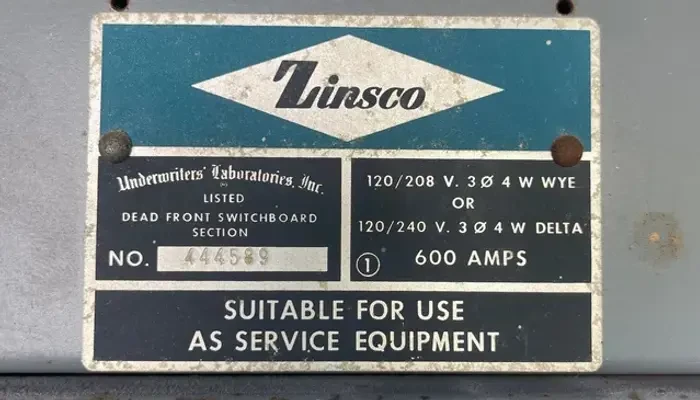
Zinsco / GTE-Sylvania Panels
Why They’re Unsafe (Technical Explanation):
Zinsco panels use a breaker design where a thin copper or aluminum breaker blade slides onto a bus bar slot. Over decades of heating and cooling, this design has proven unreliable for several reasons:Bus
Bar Corrosion:
- The aluminum bus bar oxidizes and pits over time.
- Corrosion increases electrical resistance, leading to heat buildup and degraded connections.
Overheating and Arcing:
- Loose connections cause electricity to arc between the breaker blade and the bus bar.
- Arcing generates temperatures high enough to melt breaker housings or burn wires.
Breakers Remaining Energized:
- Breakers may appear in the OFF position while still conducting electricity internally.
- This creates shock hazards during repairs or emergencies.
Plain-English Translation: You might think a breaker is turned off, but the wires can still be live. The corrosion inside can make the panel overheat enough to start a fire behind the cover. Because of this risk, many insurers in Minnesota treat Zinsco panels the same as Federal Pacific when assessing coverage.
When Installed: 1960s–1970s, common in mid-century and early suburban homes.
Known Issues & Studies:
- Zinsco lost UL listing due to these performance issues.
- Inspectors and electricians widely recognize Zinsco panels as one of the most failure-prone brands.
- Replacement parts are no longer produced.
Recommendation: Full panel replacement is strongly advised. Replacing individual breakers does not correct the underlying design flaws in the bus bar.
If your home still has one of these panels, it’s also worth reviewing our Home Rewiring Guide for Minnesota & Wisconsin Homeowners, which explains how upgrading outdated wiring and panels together improves safety and helps with insurance coverage.
Electrical Panels That Have Been Recalled
Certain modern panels were officially recalled due to manufacturing defects. If you have any of these, you should take action as soon as possible:
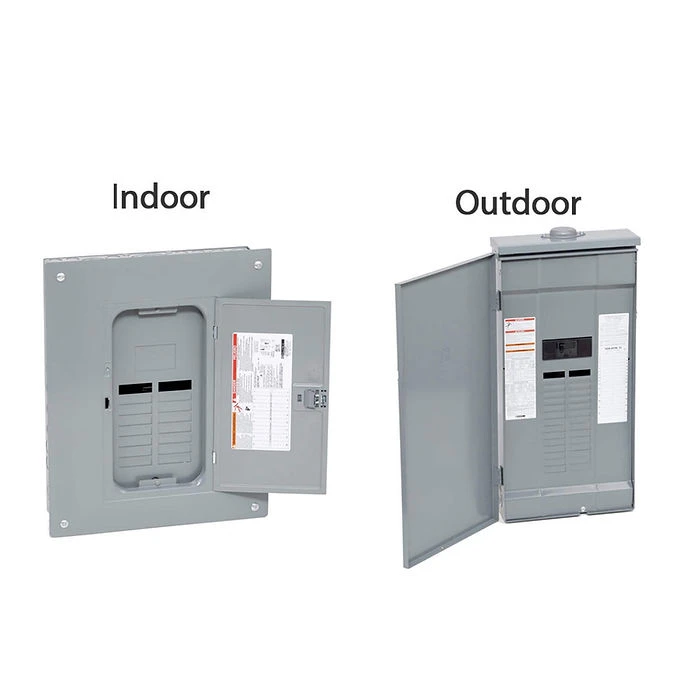
Schneider Electric / Square D QO Plug-On Neutral Load Centers
Why They’re Unsafe (Technical Explanation):
These modern panels have a neutral bar that may have been under-torqued during assembly:
- Loose Neutral Bar: Poor connection causes voltage swings and overheating.
- Fire Risk: Arcing at the neutral bar can ignite surrounding materials.
Plain-English Translation: Even brand-new panels can overheat and burn due to a loose connection.
When Manufactured: February 2020 – January 2022.
Known Issues:
- 1.4 million units recalled.
Recommendation: Contact Schneider for a free inspection and replacement. This recall affects homes across the U.S., including many newer installations here in Minnesota.
Schneider Electric Technical toll-free at 888-778-2733 from 8 a.m. through 8 p.m. ET Monday through Friday, online at www.se.com/us/qoloadcenter-safetyrecallnotice or at www.se.com/us/en/ and click on Recall Safety Notice for more information.
Siemens & Murray Load Centers
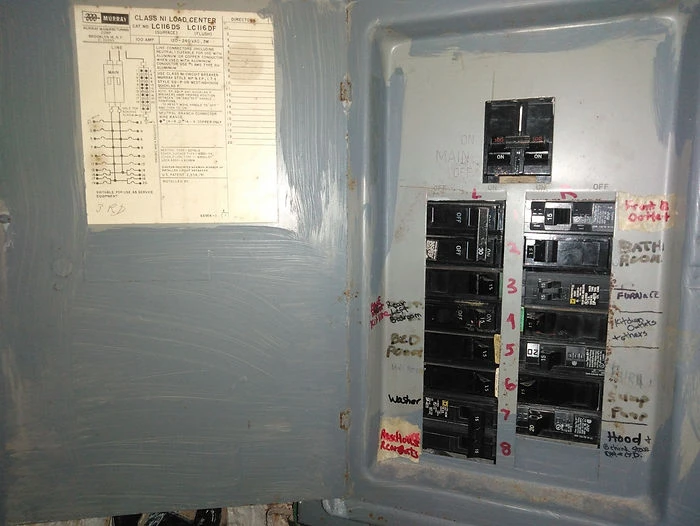
Why They’re Unsafe (Technical Explanation):
Certain models shipped with defective spring clips:
- Breaker Detachment: Breakers don’t secure firmly to the bus bar.
- Arcing: Loose breakers spark and overheat.
Plain-English Translation: Your breaker can loosen inside the panel and create a hidden fire hazard.
When Manufactured: June–August 2010.
Known Issues:
- 2.2 million units recalled.
Recommendation: Stop using and contact Siemens for a remedy.
If you’re unsure whether your panel is included, we can help you identify the model and date codes. These panels were sold under several brand labels, so it’s important to confirm carefully.
For additional information, contact Siemens at (800) 756-6996 between 9 a.m. and 5 p.m. ET Monday through Friday or visit the firm's website at www.usa.siemens.com.
Other Panels That Should Be Upgraded Due to Age & Obsolescence
These panels weren’t always considered dangerous, but decades of wear, outdated design, and lack of modern protections make them risky today.
Challenger Panels
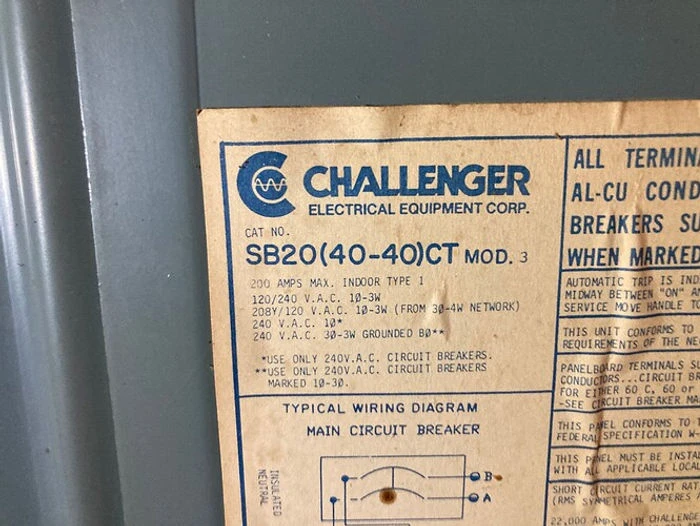
Why They’re Unsafe (Technical Explanation):
Challenger breakers have known issues:
- Overheating: Breakers develop thermal memory and stop tripping reliably.
- Loose Connections: Arcing at the bus bar causes melting and damage.
Plain-English Translation: They get hot, trip less often over time, and can overheat without warning.
When Installed: 1980s–1990s.
Known Issues:
- Recall in 1988 for defective breakers.
- Many insurers now require upgrades.
Recommendation: Replacement recommended.
Many insurance carriers also treat Challenger panels as obsolete equipment, which can limit your coverage options or result in higher premiums.
Pushmatic Panels
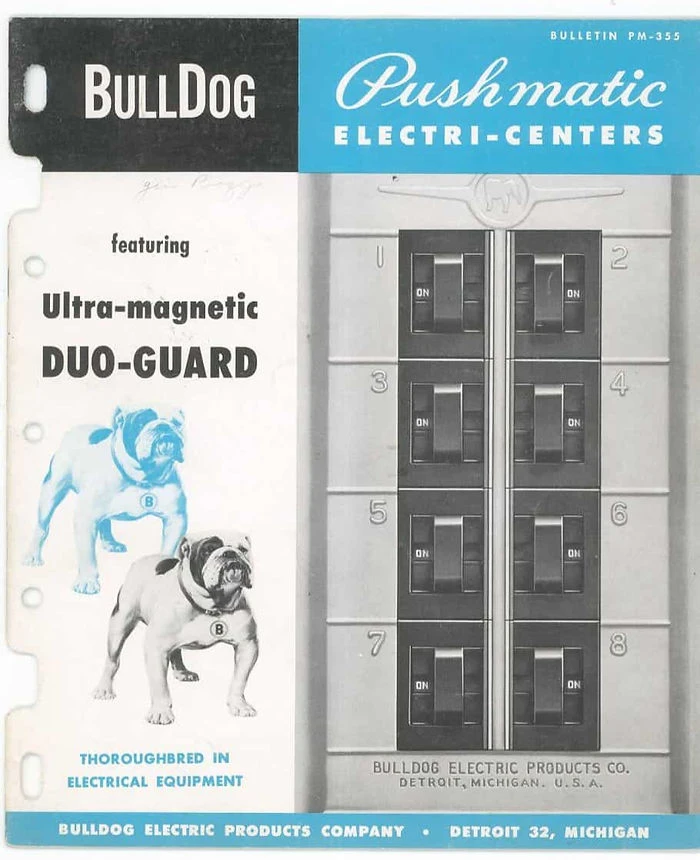
Why They’re Unsafe (Technical Explanation):
Push-button breakers were innovative in the 1950s, but:
- Mechanical Wear: Breakers stick or fail to trip.
- No Modern Protections: No AFCI or GFCI safety.
- Limited Capacity: Too small for modern homes.
Plain-English Translation: These outdated breakers can’t keep up with today’s safety standards.
When Installed: 1950s–1980s.
Recommendation: Upgrade strongly recommended.
Even if your panel is still functional, replacing it can make your home more marketable and compliant with modern electrical codes.
Signs You Need an Electrical Panel Upgrade
Even if your panel isn’t on a recall list, age, wear, and outdated design can create hidden dangers. These are some of the most common red flags our team sees during electrical panel inspections across Minnesota:
Your panel is over 25–40 years old
Most electrical panels are rated for about 25–30 years of reliable service. After that, connections corrode, breakers wear out, and capacity often falls behind today’s electrical demands—especially in Minnesota, where heating equipment, sump pumps, and cold-weather loads can push older systems to the limit.
Breakers trip frequently, even when you’re not using much power
If your breakers trip for no clear reason or won’t reset easily, that often means:
- The breakers themselves are worn out
- Bus bar connections are loose or corroded
- The circuits are overloaded beyond what the panel can safely handle
A modern panel solves nuisance trips and protects your home more effectively.
Outlets feel warm, look discolored, or smell like burning plastic
Heat, dark stains, or a melted-plastic odor around outlets and switches are warning signs that:
- Wires are overheating behind the wall
- Breakers are failing to shut off power during faults
These issues should never be ignored, as they are among the most common causes of electrical fires.
Lights flicker or dim when appliances turn on
If your lights flicker or dim when you run a microwave, furnace, hair dryer, or other appliances, your panel may lack the capacity (or ampacity) to keep up. Dimming lights mean your system is straining to deliver power and could be at risk of failure, damaging sensitive electronics and shortening appliance lifespan. Visit our Why Your Lights Flicker article to learn more about how overloaded panels and wiring can cause visible light fluctuations — and when it’s time to call an electrician.
Buzzing or crackling sounds coming from the panel
A healthy panel should be almost silent. Buzzing, sizzling, or popping sounds can indicate:
- Arcing or sparking connections
- Breakers vibrating under load
- Damage to internal wiring
If you hear this, shut off power to the panel if it’s safe to do so and call an electrician immediately.
You need more capacity for modern appliances or electric vehicles
If you have installed or plan to install:
- Central air conditioning
- Electric vehicle chargers
- Hot tubs or saunas
- Workshop equipment or high-power tools
…it’s likely your existing panel doesn’t have enough amperage to handle these loads safely.
Upgrading ensures you can run everything reliably without risking overheating. A new panel also ensures systems like heat pumps, EV chargers, or smart home devices operate safely without overloading circuits.
Your panel still uses fuses instead of breakers
Fuse boxes are outdated, harder to insure, and not designed to meet current code requirements. If your home still relies on fuses, replacing the system with a modern breaker panel improves safety and can make it easier to insure or sell your home.
Bottom line: If any of these signs sound familiar, your panel is trying to tell you something. A modern, code-compliant upgrade provides better protection, more reliable power, and fewer headaches with insurance or resale down the road.
Why Upgrade Your Panel?
A new electrical panel does more than replace old breakers. It delivers real, measurable benefits that protect your home, your investment, and your peace of mind.
Fire safety
Modern panels are designed with reliable breakers and secure connections that trip when they should, reducing the risk of electrical fires caused by overloaded circuits, arcing, or heat buildup behind your walls.
Code compliance
Electrical codes have changed significantly over the past few decades. Upgrading ensures your system meets current safety standards, including arc-fault and ground-fault protection where required. This is especially important if you’re remodeling, adding new appliances, or planning to sell your home.
Insurance eligibility
Many insurers in Minnesota either deny coverage or charge higher premiums for homes with outdated or recalled panels like Federal Pacific and Zinsco. Replacing your panel helps avoid policy cancellations or claim denials and often makes it easier to secure affordable coverage.
Capacity for future upgrades
A modern panel gives you the power to safely run everything your household depends on—from high-demand appliances like central air conditioning, electric vehicle chargers, and hot tubs to everyday essentials like refrigerators, washers, and computers—all at once and at full efficiency. You’ll also have room to expand as your needs grow.
Better energy efficiency and cost savings
Outdated panels with poor connections or overloaded circuits create extra electrical resistance—basically, wasted energy that turns into heat instead of powering your appliances. A properly sized, modern panel helps your appliances operate at peak efficiency, reducing strain on your equipment and lowering your electricity bills over time. Many homeowners also find that upgrading their panel can qualify them for insurance discounts or energy-efficiency incentives. Ask us about available programs.
Protection for sensitive electronics
Older panels often deliver inconsistent voltage that can shorten the lifespan of appliances, computers, and home entertainment systems. A modern panel helps stabilize power delivery to protect your investments.
Peace of mind
An upgraded panel means you don’t have to wonder whether your breakers will trip when you need them most. It’s a smart investment that keeps your family safer and your electrical system reliable for decades to come.
Upgrading your panel is also one of the improvements that can make your home more appealing to buyers and help avoid last-minute negotiations over electrical safety during a sale.
Need an Electrical Panel Evaluation?
Loch Monster Electric is here to help:
- No-pressure recommendations
- Time-and-materials billing
- Licensed electricians, not sales reps
If you’re concerned about your panel, we’ll take a look and give you clear options.
Questions or ready to schedule?
If you’re ready for a straightforward evaluation, give us a call at (763) 501-3573 or contact us online. We’ll help you make the best decision for your home—without pressure or sales tactics.
Ready to get started? Reach out to Loch Monster Electric today for help. We’re a licensed, bonded, and insured Minnesota electrical contractor committed to honest recommendations and safe solutions.
Frequently Asked Questions
No, Federal Pacific panels aren’t technically illegal, but they’re widely recognized as unsafe by electricians, fire inspectors, and insurance companies. In Minnesota, many insurers either: Refuse to write new policies for homes with Federal Pacific or Zinsco panels, or Require replacement before issuing coverage. Even if your current policy hasn’t canceled you yet, you may have issues when you: Change insurance carriers, Sell your home, or File a fire claim. Most insurance adjusters are trained to look for these panels during inspections. While it is not illegal for you to have an old Federal Pacific panel in your home, it is illegal for electricians to install them since they do not comply with National Electrical Code (NEC) requirements. Because these panels have been deemed a safety hazard by modern standards, the NEC has banned any new installations of FPE breaker panels.
In most cases, no—especially for Federal Pacific and Zinsco panels. Replacing the breakers alone doesn’t address: The faulty bus bar design, which can arc and overheat even with new breakers. Loose connections inside the panel housing, which are part of the structural design. Listing and compliance issues, since UL and manufacturers no longer recognize the panels as safe. Even if aftermarket breakers are sold online, they’re often unlisted or counterfeit. Full panel replacement is the only reliable long-term fix.
In Minnesota, you can generally expect: Standard 100–150 amp panel upgrade: $1,500–$3,500 Panel and service upgrade to 200 amps: $2,500–$5,000+ Additional repairs (grounding, meter socket, surge protection): extra costs Factors that can impact your cost: Whether you have overhead or underground service If your home needs upgrades to grounding and bonding to meet state code Whether other components like subpanels or service conductors need updating We always provide detailed, transparent estimates before work begins. Give us a call and we can provide you a good faith estimate over the phone: 763-501-3573.
In Minnesota, you can generally expect: Standard 100–150 amp panel upgrade: $1,500–$3,500 Panel and service upgrade to 200 amps: $2,500–$5,000+ Additional repairs (grounding, meter socket, surge protection): extra costs Factors that can impact your cost: Whether you have overhead or underground service If your home needs upgrades to grounding and bonding to meet state code Whether other components like subpanels or service conductors need updating We always provide detailed, transparent estimates before work begins. Give us a call and we can provide you a good faith estimate over the phone: 763-501-3573.
Open your panel door and look for: The brand name label (Federal Pacific, Zinsco, Challenger, Pushmatic, Siemens, Schneider) Model numbers and date codes Stamped markings on the breakers themselves If you’re not sure, we offer inspections and documentation reviews to help you confirm whether your panel: Is officially recalled Has known fire hazards Is uninsurable or obsolete
Coverage varies by carrier, but many insurance companies in Minnesota reserve the right to deny claims if: You were notified of a known electrical hazard and didn’t address it The panel is explicitly excluded in your policy The loss was due to negligence in maintaining safe electrical systems This is why many real estate agents and insurers strongly recommend upgrading before you have a problem, not after.
While some older panels were “grandfathered” in decades ago, today’s Minnesota Electrical Code (based on NEC standards) requires: Ground-fault and arc-fault protection Proper grounding and bonding Safe, code-compliant breaker performance In practice, if you’re remodeling or upgrading service, you’ll be required to replace these panels. Even without a remodel, upgrading improves safety, insurability, and resale value.
Yes, in Minnesota you are required to obtain an electrical permit and have your panel upgrade inspected by your local authority. When you work with a licensed electrician, they typically handle the permit and inspection process for you.