Why Modern Homes Require a Whole-House Surge Protector
Updated: Jun 26, 2026
This guide explains why power surges happen inside your home, how whole-house surge protectors defend your expensive electronics, and why professional installation is essential to keep your home safe.
It’s frustrating to come home and realize your refrigerator, big-screen TV, or smart thermostat has stopped working due to a power flicker. Many homeowners assume that small power strips are enough to protect their electronics, but today’s appliances are much more sensitive than they used to be.
In this article, we’ll explain why these power surges happen, often originating from inside your own home, and what you need to keep your equipment safe. We’ll cover what a whole-house surge protector is, how it works, and why you need a professional installation so you can protect your home's most important investments.
If you're looking to install a whole house surge protector, call us at 763-292-1191 to schedule a service request.
What Is a Power Surge and Why Do They Happen?
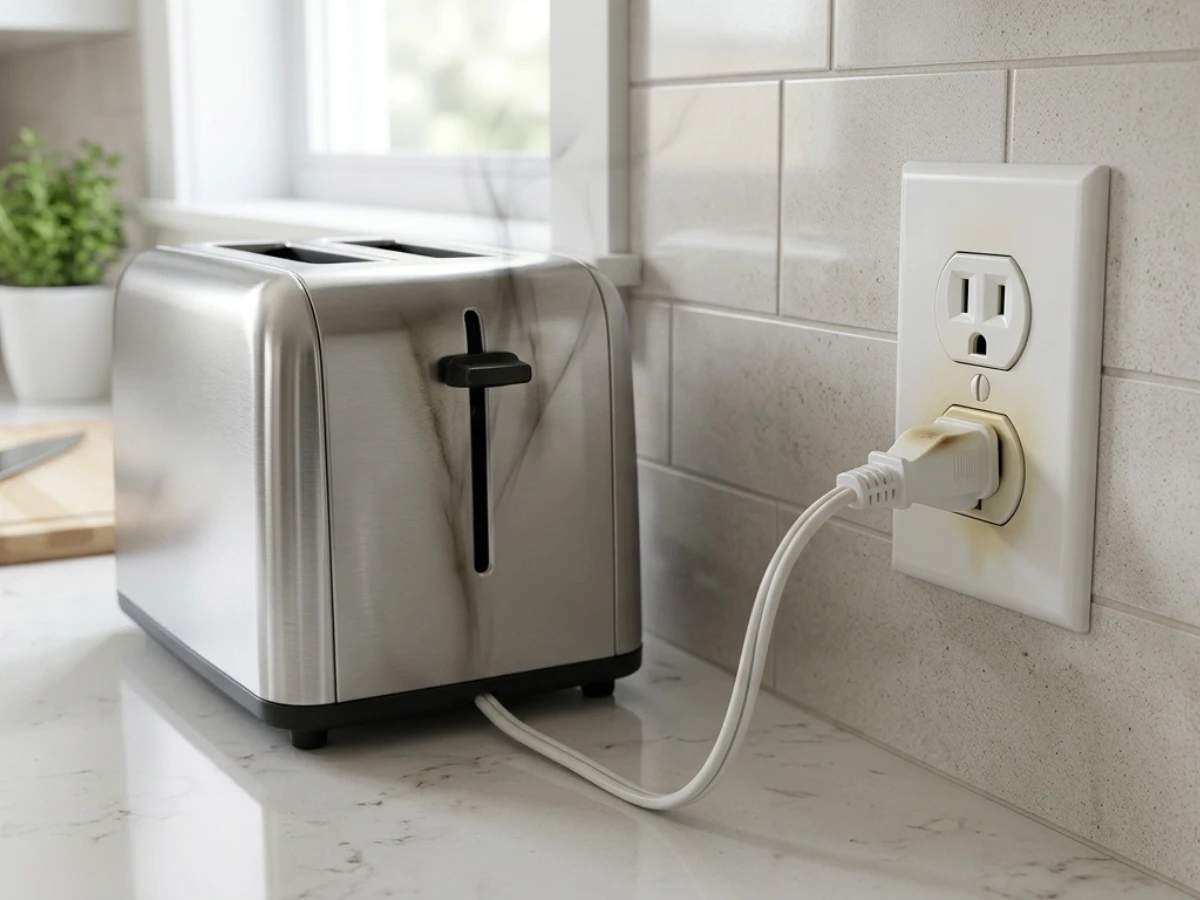
A power surge is simply a brief, unexpected spike in voltage that travels through your home's electrical wiring. While we often think of these as singular, massive events, the reality is that surges are occurring in your home more often than you might realize.
Here is a breakdown of what causes these surges and why they are a threat to your modern electronics:
Internal Surges (The Everyday Spikes)
While we often focus on protecting home appliances from lightning (which is a valid concern during our summer storms), most surges actually originate inside your own walls. Every time a large motor like your HVAC compressor or refrigerator cycles on or off, it creates microscopic spikes in your electrical system. Over time, these daily fluctuations act like sandpaper on the sensitive microchips in your smart devices, eventually leading to premature hardware failure.
The Twin Cities Grid Faces Unique Stress
Living in Minneapolis or St. Paul has its perks, but our grid faces some real challenges. Between the intensity of our summer storms and the high demand on the grid during our icy winters, power fluctuations are a routine part of life here. These instabilities mean your home is frequently hit by variations in power that the grid-tied system is trying to smooth out, but your internal electronics aren't built to handle.
The Limits of Power Strips
You might be used to plugging your computer into a small point-of-use surge protector strip. While these are great for what's plugged into them, they aren't designed to handle the broad range of surges entering the home. Because they are localized, they offer zero protection for your hardwired appliances like your dishwasher, dryer, or furnace control boards.
To fully defend your home, you need point of entry surge protection, which is installed at your main electrical panel to stop damaging spikes before they even reach your home’s internal wiring.
Aging Infrastructure Needs Help
If you live in an older home, your electrical system may be working with original wiring that wasn’t designed to handle today’s tech demands. Older panels can be less forgiving of voltage volatility, making your home’s circuitry more susceptible to damage when a surge occurs.
What Is a Whole-House Surge Protector?
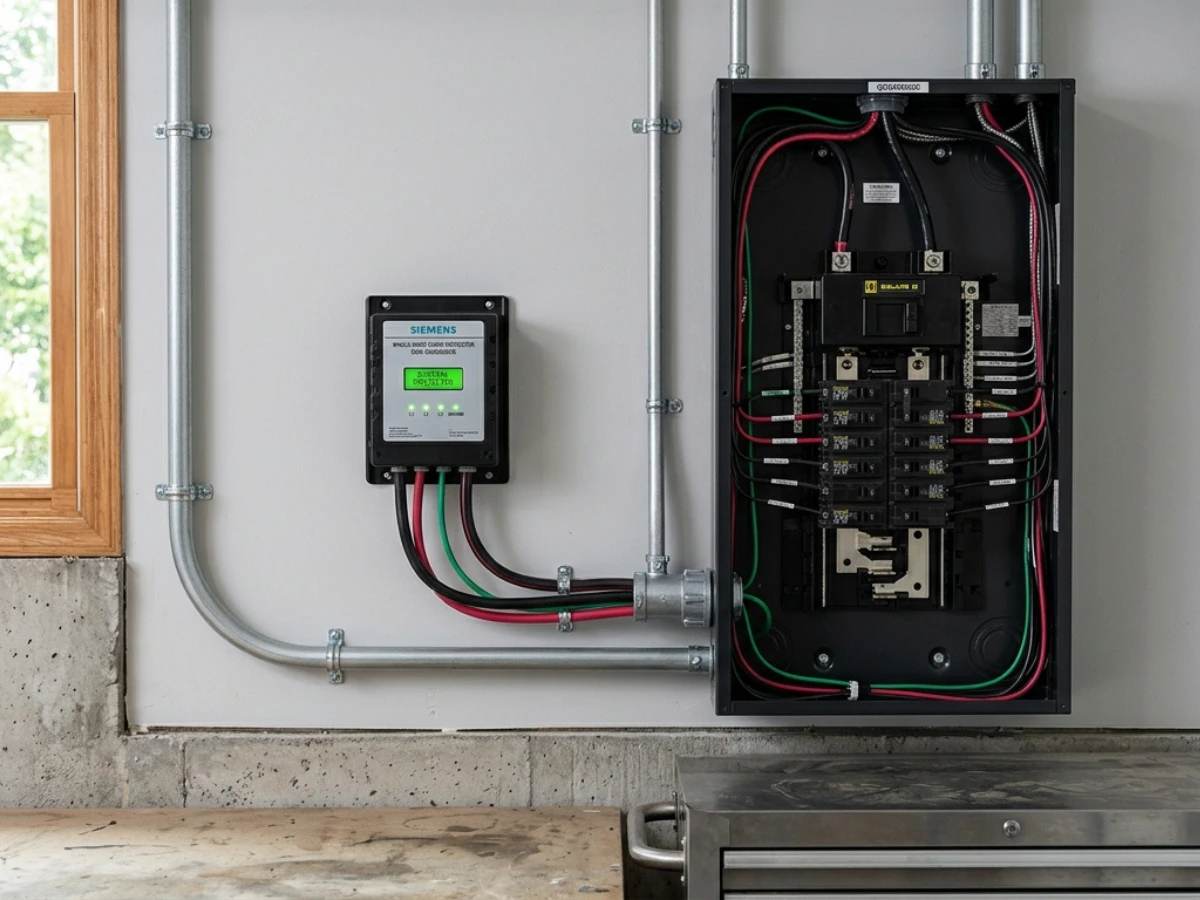
A whole-house surge protector is a specialized device installed at your home’s main electrical panel to shield your entire electrical ecosystem from voltage spikes and sudden surges.
How It Works
The device acts as a high-speed traffic controller for your home's electricity. It constantly monitors the incoming voltage and, if it detects a dangerous spike, it immediately diverts the excess energy into the ground wire. This process happens in a fraction of a second, providing near-instant mitigation against surges caused by storm activity, utility company switching, or power grid fluctuations.
Where It’s Installed
These units are hardwired directly into your main service panel by a licensed electrician. In some cases, we can even install them at subpanels, which is a great option for protecting specific outbuildings like a detached garage or dedicated circuits for high-end workshop equipment. Once installed, it is a "set-it-and-forget-it" system that works silently in the background.
5 Reasons to Install a Whole-House Surge Protector
These key benefits make surge protection a smart, long-term investment for any homeowner:
- Shields Your Sensitive Electronics: From your home office printer to that big-screen TV, your gadgets are surprisingly vulnerable to even minor power jitters. A surge protector keeps those systems running without unexpected crashes or frustrating hardware failures.
- Extends Appliance Lifespan: Think of it like taking care of an engine. Without protection, those daily power blips act like grit, slowly wearing down the heavy-duty motors and circuits in your fridge and dryer. This layer of defense helps your machines reach their expected lifespan rather than burning out prematurely.
- Defends Your Integrated Smart Home: You’ve invested in smart thermostats, security cameras, and automated lighting. These systems rely on sophisticated, interconnected microchips that are not only expensive but often a headache to replace or recalibrate. A whole-house protector keeps those complex systems running reliably.
- Saves You from Surprise Repair Bills: It only takes one significant voltage spike to fry the circuit boards in multiple devices at once. By stopping the surge at the panel, you avoid that massive, unexpected out-of-pocket repair bill for your home's most important appliances.
- Adds Value and Peace of Mind: Knowing your home is equipped to handle a major storm or grid instability is a huge stress reliever. Plus, it’s a smart upgrade that adds tangible value, letting future buyers know the home has been well-cared for.
What Happens During Professional Surge Protector Installation
We know that trusting someone with your electrical panel is a big deal. Here is how we handle it from start to finish:
Step 1: Electrical System Inspection
We begin by taking a close look at your main panel. We check for available space, verify that the panel manufacturer is compatible with the new unit, and ensure your home’s grounding and bonding are up to code. If you’re concerned about overall safety, we can perform a full electrical inspection of your home to make sure everything is in tiptop shape.
Step 2: Mounting the Surge Protector
We mount the unit as close to your main breakers as possible, whether that’s inside the panel (if space allows) or right on the side. The shorter the distance the wires have to travel, the faster the surge protector can react when a spike hits. If we find that your panel is outdated, we might recommend an electrical panel upgrade to keep things running safely and efficiently.
Step 3: Precise Wiring
We connect the protector’s hot wires to a dedicated two-pole breaker, and secure the neutral and ground wires to their respective bars. We pay meticulous attention to torque specifications (the pressure used to tighten those connections). If they’re too loose, they can arc, and if they’re too tight, they can cause damage. We get it just right to prevent overheating or connection failure.
Step 4: Adding a Dedicated Breaker
We install a new, dedicated breaker that matches your panel’s specific requirements. This isn't just about power; it provides a necessary off-switch for the device. If the surge protector ever absorbs a massive strike and needs to be replaced, this breaker allows us to safely disconnect it without cutting power to the rest of your home.
Step 5: Testing and Verification
Once the wiring is done, we flip the power back on and put the device to work. We check the diagnostic lights to make sure the unit is active, verify that voltage is flowing exactly as it should, and confirm the grounding path is clear.
Why Professional Installation Is Essential
Installing a surge protector isn't just about plugging in a device; it requires working directly with the heart of your home's electrical system. Here’s why we always recommend a licensed professional for residential electrical upgrades:
- Safety Hazards: Even with the main breaker off, your service lugs remain live and carry high voltage from the utility. Many DIYers don’t realize this is the most dangerous part of the job. Our electricians are trained to work on these energized areas carefully, using specialized gear and safety protocols to ensure the job is performed without risk to you or your home.
- Code Compliance: Proper bonding and grounding are mandatory for your protection. An incorrectly installed device won't just fail to protect your home, it could actually create a fire hazard.
- Precise Torque Specs: Electrical connections have exact tension requirements. If they're too loose, they can arc and melt; too tight, and they can snap. We ensure every connection is tightened to the manufacturer's exact specifications using specially calibrated tools.
- Testing and Verification: We have the diagnostic tools to ensure the system is actually working before we leave your home. We confirm voltage flows, grounding paths, and operational status so you have absolute peace of mind.
- Warranty Protection: Manufacturers often void warranties if the device wasn't installed by a licensed contractor. Having a professional install it ensures you're fully covered.
Securing Your Home’s Electrical Future
From the appliances in your kitchen to the smart systems that keep you safe, your technology represents a significant investment. Don't wait for a thunderstorm or a power flicker to find out the hard way that your home needs more protection. Installing a whole-house surge protector is one of the most effective, cost-conscious upgrades you can make to protect your property and your peace of mind.
If you’re ready to secure your home’s electrical future, contact the team at Loch Monster Electric today. We’d be happy to assess your panel and provide an honest, professional recommendation to keep your home running reliably for years to come.
Frequently Asked Questions
Yes. Whole-house surge protectors defend your home against large incoming spikes, but point-of-use strips add a secondary layer of protection for your most sensitive electronics like computers and home theater systems. Think of it as a layered defense.
These devices are designed to last for years, but their lifespan depends on how many surges they absorb. Most modern units feature diagnostic LED lights that will signal if the device has taken a heavy hit and requires replacement.
We strongly advise against it. The installation involves working with the main service lugs in your electrical panel, which remain live even when the main breaker is off. This is a high-risk task that requires specialized training and safety gear to avoid electrical shock or panel damage.
While no surge protector can guarantee 100% protection from a direct lightning hit, a whole-house unit significantly reduces the voltage of indirect strikes and grid fluctuations, drastically lowering the risk of damage to your home appliances.