Upgrading to Smart Home Lighting: Switches, Dimmers, and Neutral Wire Requirements
Updated: Jul 3, 2026
Thinking about upgrading your home with smart lighting? This guide explores the technical realities of smart switches, including neutral wire requirements, home infrastructure assessments for Twin Cities homes, and the safety benefits of hiring a professional.
If you’ve recently purchased a handful of Wi-Fi-enabled switches online with plans to install them yourself, you might have hit a snag. You take the cover plate off, pull out the existing switch, and look into the junction box. Suddenly, the excitement fades. You see a jumble of wires, but the one thing you were told to look for, the neutral wire is nowhere to be found.
We help homeowners through this exact situation all the time. Modernizing home light switches is a fantastic way to increase both comfort and property value, but it requires a bit of know-how. Let’s talk about how to get the smart home lighting you want without turning your weekend project into a headache, and why you need professionals for the job.
By the way, if you are looking for an upgrade in your electrical system, give us a call.
Why Smart Lighting Is the Ultimate Home Upgrade
Smart lighting isn't just a flashy gimmick for tech enthusiasts; it’s a genuine lifestyle upgrade that transforms how you interact with your home. In our neck of the woods, where the days get short and the winters are long, controlling your environment is essential for both your mental well-being and your daily comfort.
Here is why so many of our clients are making the switch:
- Customized Scheduling for Our Long Winters: Let’s face it, Minneapolis winters are tough. When the sun starts setting at 4:30 PM, coming home to a dark house can be a downer. Smart switches allow you to automate your lighting to match your schedule, meaning your porch lights, entryway, and living room lamps turn on exactly when you need them, without you ever having to fumble for a switch.
- Energy Efficiency and Cost Savings: Dimmers are the secret weapon of the smart home. By pairing smart switches with dimmable LEDs, you use significantly less electricity than with traditional full-power bulbs. Plus, with ‘Away’ features, you can ensure that you never leave the lights on when you head out for the weekend, saving you money on your utility bill every month.
- Creating the Perfect Ambiance: Lighting sets the mood. Whether you’re hosting a dinner party in the dining room, need bright, focused light for a kitchen project, or want a soft glow for a movie night, smart switches let you dial in the exact intensity. You can save your favorite ‘Scenes’ and activate them with a single voice command or a tap on your phone, instantly shifting the entire feel of your home.
- Enhanced Home Security: Nothing deters potential trouble like an occupied-looking home. You can use the preset ‘Scenes’ or random schedules that make it look like someone is home even when you’re up at the cabin or away on a winter getaway. It’s an extra layer of security that adds to your peace of mind.
- Hands-Free Convenience: Ever entered your home carrying two armloads of groceries, or trying to walk down a dark hallway with a sleeping child? With smart lighting integration (like Alexa, Google Home, or Apple HomeKit), a simple voice command turns the lights on for you. It’s the kind of luxury that once you get used to, you’ll wonder how you ever lived without it.
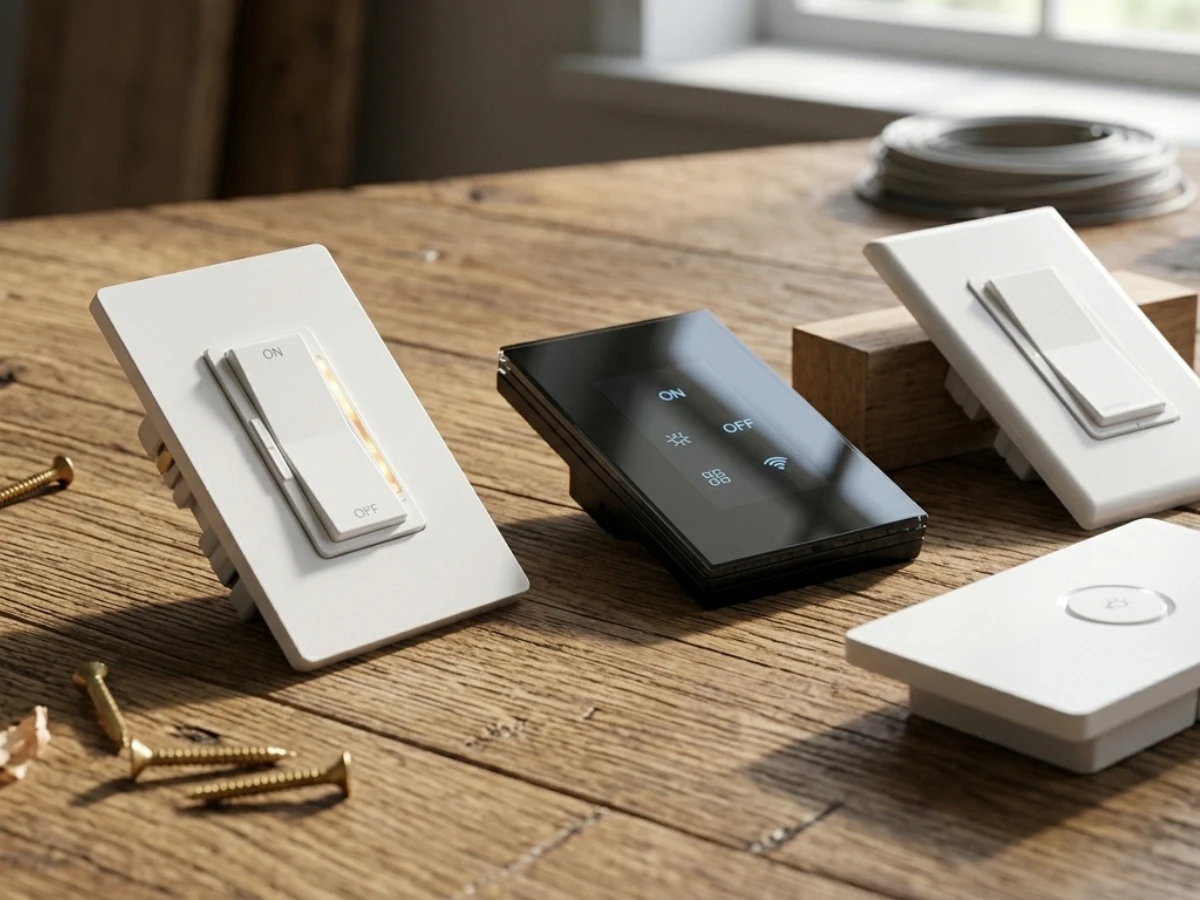
Why Your DIY Smart Switch Won't Work
The most common point of frustration during a DIY attempt is the missing neutral wire.
What Is a Neutral Wire, Anyway?
In simple terms, electrical current needs a loop. The hot wire brings the power in, and the neutral wire carries it back to the panel to complete the circuit. Old-school light switches simply interrupt the hot wire. They don't need a neutral because they don't consume power, they just act as a gate.
Most smart switches require a constant stream of low-voltage power to maintain their Wi-Fi connection and sensors, even when the light is turned off. That always-on power requires a complete circuit, which is exactly what a neutral wire provides.
Identifying the Missing Link
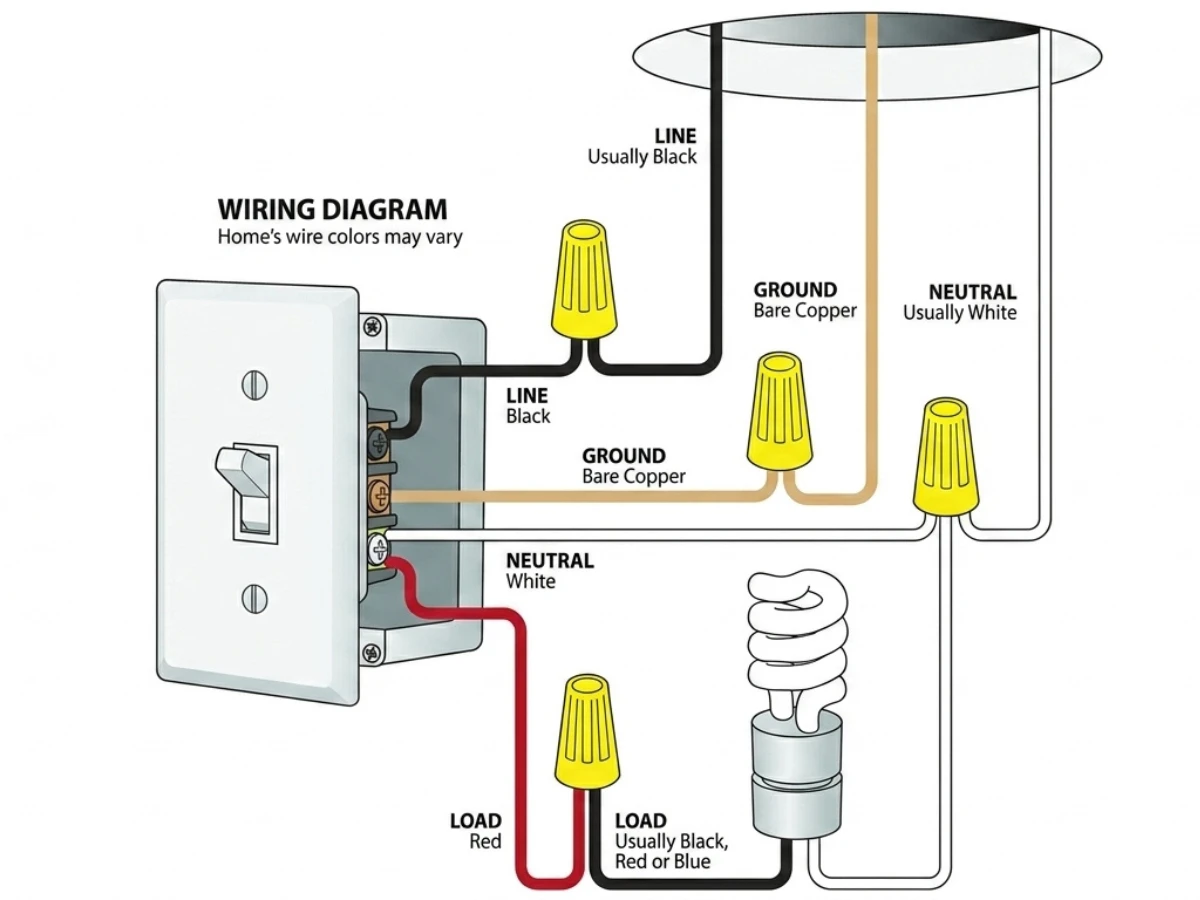
When checking your switch junction box, it helps to know what you're looking for according to National Electrical Code (NEC) standards:
- Hot wires: Typically black or red (these carry the power).
- Ground wires: Typically bare copper or green.
- Neutral wires: Typically white or grey (these complete the circuit).
If you see only the black or red hot wires and a ground (without that white or grey neutral wire tucked into the back of the box), you don't have a neutral path available for your smart switch. Forcing a smart switch into a box without a neutral is a major fire and safety hazard.
If you are struggling with older electrical systems and aren't sure what you're seeing, it’s always best to have a professional perform a comprehensive electrical safety check before moving forward. Check out our guide on two-prong outlet replacement to learn more.
A Few Technical Realities About Smart Switches
When you buy a smart switch, you're essentially installing a miniature, Wi-Fi-connected computer into your wall. They are picky about their environment, so keep these factors in mind:
- Power Requirements: Most devices require a steady 100-240V AC feed to maintain their connection. They are energy-efficient, typically pulling less than 2W while in standby.
- Load Capacity: Modern smart switches have specific minimum and maximum load requirements (often ranging from 5W to 300W+).
- LED Resistance: If your LED bulb doesn't provide enough resistance, the switch can't detect it properly, leading to annoying buzzing or flickering.
Proper calibration is needed to ensure your switch matches your bulbs correctly. This can be done by adding a load resistor or bypass device to stabilize the circuit.
Assessing Your Home’s Electrical Infrastructure for Smart Upgrades
When you decide to move forward with smart lighting, you’re often doing more than just swapping hardware; you’re updating your home's infrastructure. Before you dive in, it’s worth noting that smart devices change the electrical demands of your home. To ensure your project stays safe and reliable, here are the key factors you should consider:
Your Local Electrical Environment
Whether you’re in a 1920s bungalow in South Minneapolis, a historic brownstone in St. Paul, or a 1950s rambler in the suburbs, the wiring is often as old as the home itself. Our region’s historic housing frequently presents unique challenges, like lack of neutral wires in original conduit or aging cloth-insulated cabling that require a much more delicate touch than modern construction.
Your Electrical Panel's Health
Think of your electrical panel as the heart of your home. Every new smart switch, camera, or hub adds a small, constant electrical load. If your home was built years ago, it may not have been designed for dozens of always-on smart devices. If you notice your lights flickering when your HVAC kicks on or your microwave runs, it’s a sign your panel is struggling. This might be the time to consider a 200 Amp panel upgrade to safely handle the new load.
Line vs. Low Voltage Awareness
There is a big difference between the high-voltage power running your kitchen lights and the low-voltage signals used for security sensors or smart thermostats. A professional installation requires someone who understands both systems. Mistaking the two during a DIY attempt isn't just frustrating; it’s a fire and shock hazard.
AFCI/GFCI Protection
Modern electrical codes require specific protection devices in your home. AFCI breakers detect dangerous sparks (arc faults) to prevent fires. GFCIs can be outlets or breakers that shut off power instantly if they detect an imbalance, preventing shocks in areas with water like bathrooms and kitchens.
- Avoid Nuisance Tripping: Because smart switches contain sensitive electronics, they can sometimes be seen by older or overly sensitive
GFCI & AFCIunits as an electrical fault, causing the lights to trip unexpectedly. - Code Compliance: Your smart switch installation must remain compatible with these existing safety layers. Never bypass or disable these sensors during installation.
Dedicated Circuits for Heavy-Duty Gear
If you’re planning to add more than just light switches (like home EV chargers or high-end home theater equipment), those devices usually need their own dedicated circuit. Trying to share that power with other lighting or outlets can lead to constant breaker trips and can even damage your expensive electronics.
Recessed Lighting Upgrades
Smart switches work best when paired with dimmable, high-quality LEDs. If you are thinking about moving away from ceiling-mounted fixtures to a cleaner look, recessed lighting is a popular choice. While the recessed lighting upgrade cost can vary depending on the number of fixtures and the amount of ceiling access required, the payoff in home value and ambiance is substantial.
When you combine modern recessed lighting with smart, dimmable control, you transform the entire mood of your home. It’s an investment that pays off in both daily enjoyment and potential resale value.
When to Call in a Pro for Smart Switches Electrical Installation
You should reach out to a professional if:
- You don't see a bundle of white wires tucked into the back of the junction box.
- Your home was built before the mid-1980s (where wiring methods varied significantly).
- You are installing high-end, multi-gang dimmers that require specific load calculations.
- You simply aren't 100% comfortable working with energized (or formerly energized) circuits.
When you are planning a residential electrical upgrade, it involves much more than simply swapping out plastic wall plates. A professional electrician is trained to identify and mitigate the unseen risks hidden within your home's infrastructure.
Why Professional Expertise Matters
- Fire Prevention Through Proper Sizing: Smart switches are often bulkier than traditional switches. When you cram a smart device into a small, older junction box, you risk overcrowding the wires. This creates heat, and without proper professional cable management and box sizing, you increase the risk of an electrical fire.
- Code Compliance and Insurance Protection: Electrical codes exist to ensure home safety and protect property value. Improper DIY work can violate National Electrical Code (NEC) standards. In the unfortunate event of an electrical fire, insurance companies may deny claims if the work was not performed or inspected by a qualified professional.
- Circuit Longevity and Reliability: A smart switch is only as reliable as the circuit it sits on. Professional installation involves calibrating the circuit, verifying proper earthing (grounding) for wireless components, and performing load calculations. This ensures that smart components operate optimally and last for years, rather than failing within weeks.
- Enhanced Safety in Sensitive Areas: Installing smart controls near water, such as in a bathroom or near a kitchen sink, requires strict adherence to NEC requirements for GFCI protection. Professional installers ensure these critical safety layers remain active and compliant, mitigating the risk of shock hazards in high-risk areas.
- Local Code and Inspector Familiarity: Beyond just the technical work, a professional who operates within the Twin Cities understands the local building codes and inspector expectations that are unique to our area. Choosing a local expert ensures your smart home upgrade isn't just safe, but also fully compliant with Minnesota-specific electrical standards.
Let Loch Monster Electric Light Up Your Life
We love seeing our neighbors get excited about smart home tech. It makes life easier, safer, and a whole lot more fun. If you’ve cracked open a wall plate and found a situation that’s a bit scarier than you bargained for, don’t worry, that’s what we’re here for.
Whether you need a hand with a single smart dimmer switch installation or you're planning a complete electrical overhaul to get your home ready for the future, the team at Loch Monster Electric is ready to help. Let’s get your home connected, safely and stylishly.
Frequently Asked Questions
While some smart switches are marketed as DIY-friendly, electrical work in older homes can be unpredictable. If your junction box lacks a neutral wire or is overcrowded, simple swaps can quickly become fire hazards. Having a licensed professional handle the installation ensures that your wiring is safe, compliant with local codes, and fully compatible with your home's electrical system.
Many older homes in the Twin Cities were wired before modern smart devices became standard. If you don't see a white or grey neutral wire, you may need a specialized no-neutral smart switch or a professional to pull a new neutral wire to the box. Attempting to force a standard smart switch into a non-neutral box can cause dangerous malfunctions.
In most cases, smart lighting is low-power and can run on existing circuits. However, if your panel is outdated or already at capacity, adding several always-on smart devices could be the tipping point. A professional load check ensures your current system can support the new tech without causing flickering lights or tripped breakers.
For simple, single-switch replacements, a formal electrical inspection is often not required. However, if your smart lighting project involves adding new circuits, complex multi-gang installations, or extensive work in an older home, local building codes may require a permit and a subsequent inspection. A licensed electrician will know exactly what your specific project requires and can handle the permitting process, ensuring your home remains compliant and your insurance coverage stays intact.