Hot Tub Wiring Installation: What It Costs in 2026
Updated: Aug 13, 2026
Discover 2026 hot tub wiring installation costs, local permits, and Minnesota safety codes in the Twin Cities. Learn about the hot tub wiring process and mistakes to avoid.
Picture a chilly Friday night in Minnesota. The snow is falling softly around your yard, the air is crisp, and you lift the hot tub cover to step into steaming water as the jets melt away your stress. Before you can enjoy that relaxing dream, you need to get safe electrical power to your hot tub.
In the Minneapolis-St. Paul metro area, hot tub wiring installation costs are higher than the national average due to our local climate and rocky, frost-heavy landscape. That is why working with experts like the crew at Loch Monster Electric is essential to get your spa running safely.
In this guide, we break down what you can expect to pay, key factors that drive up costs, and the strict Minnesota safety codes you need to know. Ready to get started with your hot tub wiring? Give Loch Monster Electric a call at 763-292-1191 or reach out through our online contact form today!
What Hot Tub Wiring Installation Costs in the Twin Cities in 2026
National cost guides usually do not consider Minnesota winters, deep frost lines, or local permit rules. When you budget for a 240V spa circuit in the Twin Cities, the price depends heavily on how far your hot tub is from your main electrical box.
Here is a quick look at what local homeowners can expect to spend on labor and materials for a standard outdoor hot tub wiring installation.
Item | Estimated Cost |
Materials | $450 - $1,500 |
Professional Labor (4 to 8 hours) | $850 – $1,700 |
Total Project Estimate | $1,300– $3,200 |
Important Note: These numbers serve as general baselines, and exact pricing will always depend on your home's specific layout and electrical setup.
Factors That Affect Your Hot Tub Wiring Cost
Every property in the Twin Cities is a little unique. If your hot tub wiring cost estimate looks different from your neighbor's, it is usually because of these factors:
- Distance: The distance between your breaker box and your backyard spa shapes your costs. Homes with expansive yards or detached garages, frequently seen in neighborhoods across Edina, Roseville, and Burnsville, often need a dedicated sub-panel or extended trenching to safely bridge the distance. This raises both material costs and labor time.
- Indoor Cable Paths: Running electrical cables from your indoor panel to the backyard often means fishing wires through finished basements, multi-level layouts, or split-level foundations. This is generally the case in older homes across St. Louis Park and Bloomington, where electricians must carefully work around drywall and insulation without causing damage.
- Freeze-Thaw Weather: Minnesota's cold winters cause soil to freeze, expand, and shift. To protect hot tub wires, the National Electrical Code (NEC) requires them to be laid inside a protective PVC pipe buried at least 18 inches deep. Electricians also need to install telescoping expansion joints where the pipe exits the ground. This allows the system to slide safely without snapping when the earth freezes.
- Digging and Yard Work: Digging through soft yard dirt is quick, but obstacles like concrete patios, stone walkways, brick pavers, or thick tree roots slow things down. Breaking through hardscapes and fixing your yard takes extra labor hours.
- Outdoor Disconnect Box: Electrical codes require a secondary, weather-proof disconnect switch located within sight of the hot tub, but at least 5 feet away from the water for safety. This acts like an easily accessible emergency shutoff right next to the water.
- Local Permit Fees: Cities across the Twin Cities such as Minneapolis, St. Paul, Edina, and Burnsville have their own building departments. Permit prices, processing times, and local rules vary by city, which affects your overall quote.
Additional Cost Factors for Your Spa Electrical Installation
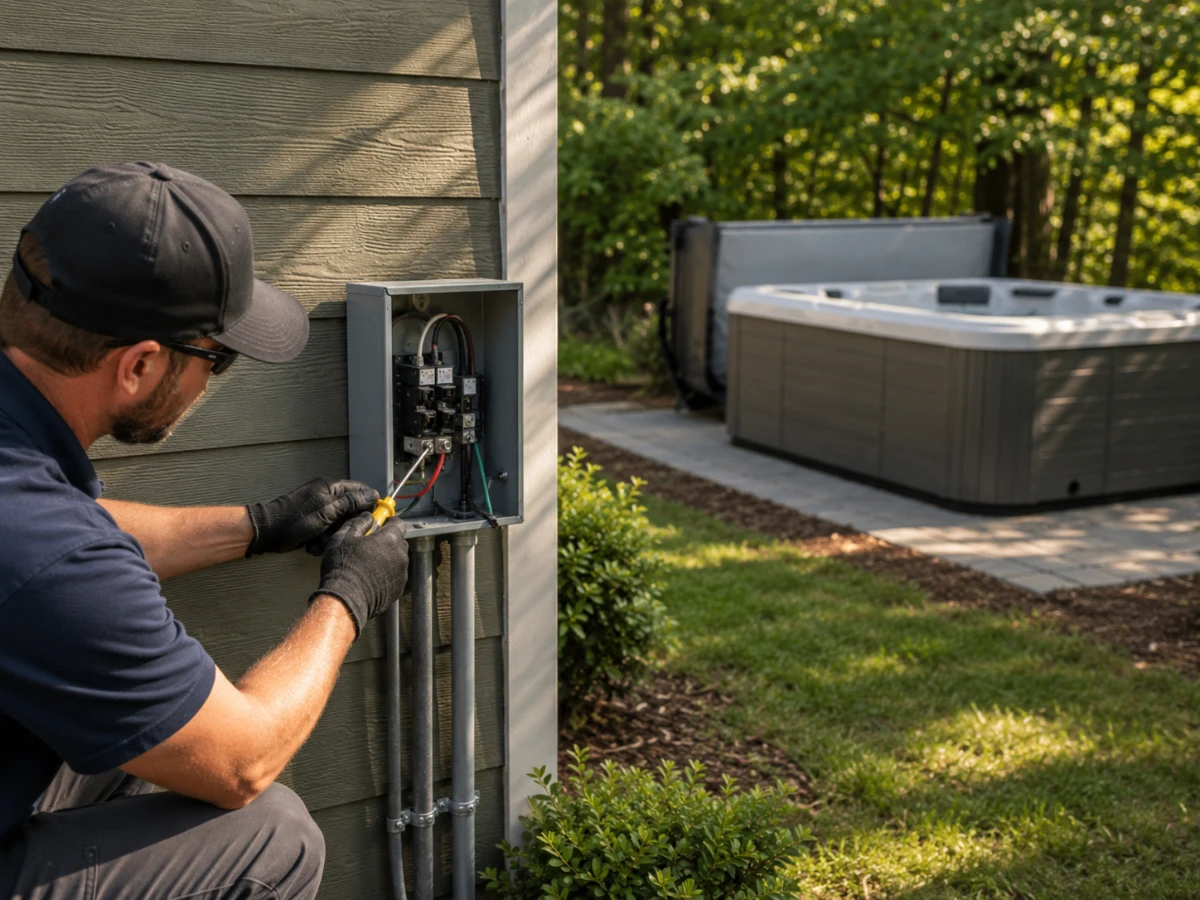
Beyond the standard hot tub wiring requirements, these additional factors can increase your total project costs.
Electrical Panel Upgrade
A 240V hot tub uses a lot of power. If your vintage home still has a 100-amp electrical panel, it probably does not have enough empty circuit ports or total capacity to handle the extra load safely. If your panel is too small, an electrician must upgrade your service to a modern 200-amp box before plugging in your new spa. While this costs more money upfront, it is a key safety step. It stops constant breaker trips, protects your other appliances, and keeps your entire house up to code.
Read our electrical panel upgrade guide to learn more about the costs, rebates, and things to consider.
Hot Tub Breaker Size
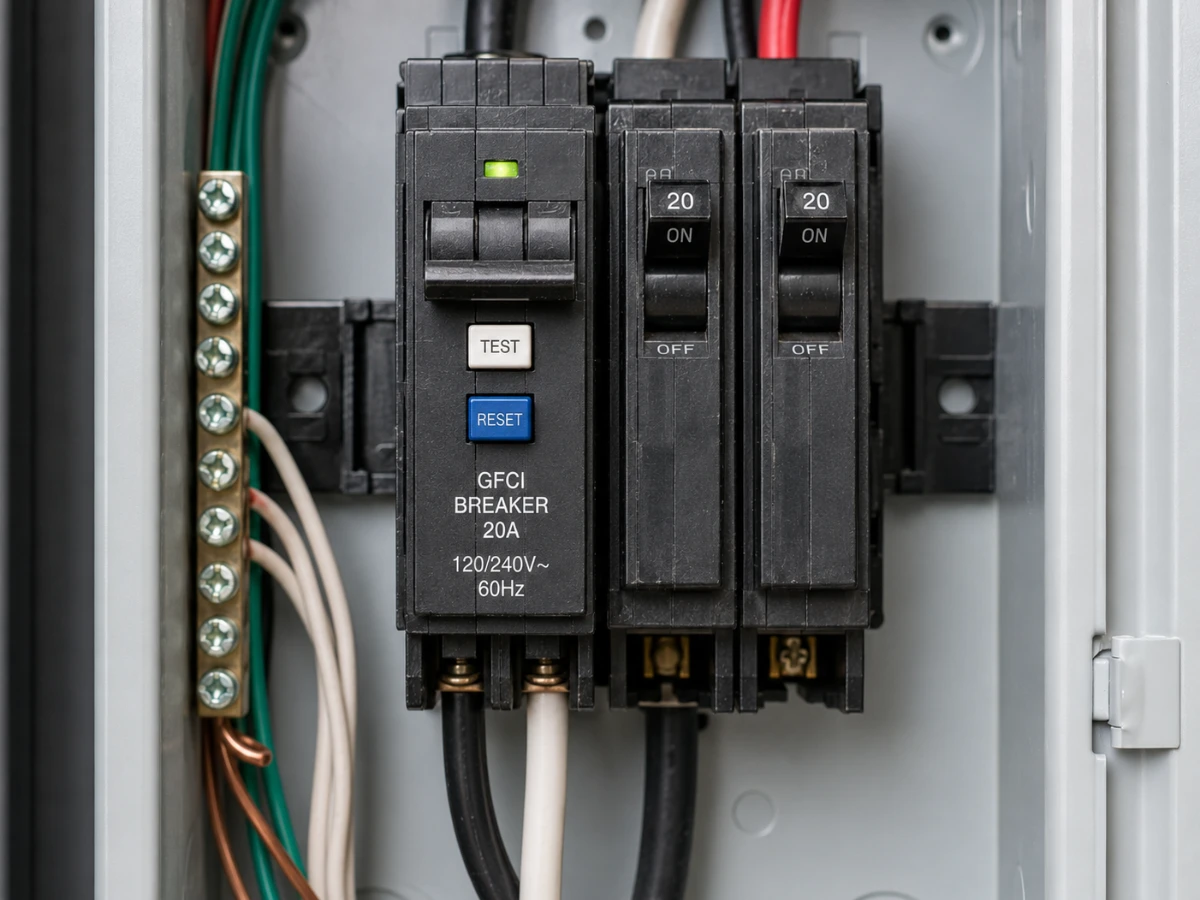
Most standard 240V hot tubs require a dedicated Ground Fault Circuit Interrupter (GFCI) breaker. This safety device cuts power instantly if it detects any current leaking into the water, protecting swimmers from shocks. The hot tub breaker size depends on the manufacturer's specs. Higher-capacity models (like 50-amp or 60-amp breakers) will cost more than smaller ones.
Read our hot tub breaker size guide to learn how you can determine the right breaker capacity for your spa.
Minnesota Electrical Safety Codes You Must Follow
Minnesota has strict electrical safety rules for wet areas under the 2023 National Electrical Code (NEC). These laws are strictly enforced to prevent shocks and equipment failure. A legal outdoor hot tub wiring installation must meet these requirements:
- Dedicated Circuit: Your hot tub must run on its own separate power line. If it shares a circuit with outdoor lights or other appliances, it violates safety rules, and your breakers will likely keep tripping.
- Emergency Disconnect Switch: You need an outdoor kill switch or sub-panel housing a specialized GFCI breaker, placed where you can easily see it from the hot tub. It must also be at least 5 feet away from the water. This safety gap keeps you from touching the switch while sitting in the spa, while still allowing you to cut power quickly in an emergency.
- Copper Wiring Requirements: State codes require heavy-duty insulated copper wire (known as THHN) for outdoor high-power appliances. Aluminum wire is banned for these setups because it cannot safely handle high outdoor electrical loads.
- Equipotential Bonding Systems: All metal rails, frames, or fixtures within 5 feet of the hot tub must be tied together with solid copper bonding wire. This creates a safe grid that keeps all metal parts at the same electrical charge, preventing dangerous shocks if you touch two different metal surfaces at once.
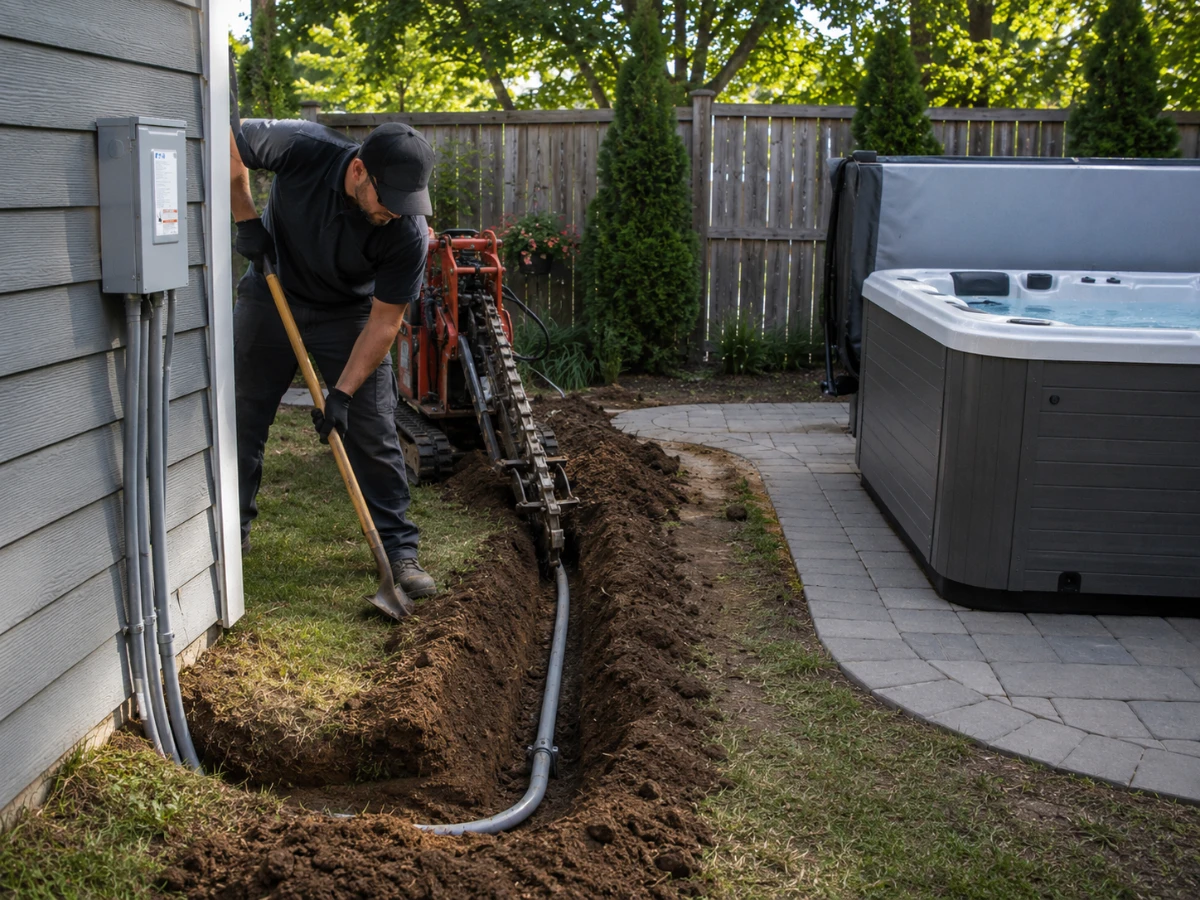
- Burial Depth and Conduit Protection: Any underground wires running to your backyard spa must be buried at least 18 inches deep per the National Electrical Code (NEC). This also makes sure you will not accidentally hit them with yard tools. You also need durable outdoor PVC conduit pipes to protect the wires from moisture and shifting frozen soil.
In Minnesota, electrical work of this nature requires a licensed electrician. This is not a DIY job for a weekend warrior.
Hot Tub Wiring Permits and Inspections in Minnesota
When you hire Loch Monster Electric to wire your hot tub, we take care of all the paperwork. You don't have to worry about understanding local city building codes because we manage the entire permit and inspection process from start to finish.
The Permit Process
Before we start any wiring, our licensed team files the right permit application with your city or the Minnesota Department of Labor and Industry (DLI). Once the installation is completed, we schedule official inspections. An inspector checks the rough wiring and final connections to make sure everything meets code before you turn on your spa.
Jurisdiction Guidelines
Permit rules depend on where you live in the Twin Cities. Major cities like Minneapolis and St. Paul run their own building departments, while smaller towns rely on state electrical inspectors through the DLI. Because we work across the entire metro area, our team knows which rules apply to your home and handles the forms for you.
Why It Matters
Having Loch Monster Electric pull your permits and ensure the wiring passes official inspections protects your home value, meets insurance requirements, and prevents any delays if you decide to sell your house later.
Step-by-Step Hot Tub Wiring Process
Knowing what happens on installation day makes the project easy to follow. These are the standard steps our professionals follow during a spa electrical installation.
- Power Calculation: Before starting any physical work, your electrician checks the hot tub data plate to determine the breaker size recommended by the manufacturer. Next, they inspect your main breaker panel and calculate the total electrical load of your home to confirm it has the capacity to handle a heavy 240V spa without overloading your system.
- Route Planning: Your electrician maps out the safest, most efficient path for the wires. This involves carefully planning how to route cables from your indoor panel, through your foundation wall, and across the yard to your spa location.
- Trenching and Piping: To protect your yard wiring from physical damage, the team digs a trench 18 inches deep as required by electrical codes. They then lay durable, weatherproof PVC conduit pipes inside the trench to shield the cables from shifting soil.
- Safety Switch Mounting: Your electrician mounts an outdoor disconnect box near the hot tub, containing a specialized GFCI breaker that provides an emergency shutoff switch within sight of the water.
- Wiring and Bonding: Heavy-duty insulated copper wires are safely threaded through the outdoor conduit pipes. The electrician connects the wires to the hot tub's equipment pack and hooks up a solid copper bonding wire to all nearby metal frames to prevent the risk of shock.
- System Testing: Once all connections are secure, the electrician will power up the spa and run a test on the GFCI button to ensure it trips instantly. Finally, they coordinate the official municipal inspection to secure your final sign-off.
Hot Tub Wiring Mistakes to Avoid
Building inspectors catch these mistakes during home checks all the time. They usually happen when homeowners try a DIY fix or when rushed workers cut corners. Watch out for these common hot tub wiring mistakes that cause failed inspections, extra fees, and project delays:
- Using an Undersized Wire Gauge: Picking wire that is too thin causes it to get hot very quickly under heavy power loads.
- Missing a Bonding Lug or Wire: Forgetting to link nearby metal parts with a solid copper bonding wire and lug to your home safety ground.
- Using a GFCI Breaker Not Listed for the Panel Brand: Installing a mismatched breaker that does not fit the brand listing of your breaker box.
- Improper Burial Depth for Minnesota's Frost Line: Burying utility lines too close to the surface instead of the NEC required 18 inches, leaving them open to shifting soil and accidental cuts.
When you work with Loch Monster Electric, our licensed crew gets every detail right the first time, so you never have to stress over dangerous mistakes or inspection delays.
Utility Programs and Off-Peak Rates to Save Money
Running a hot tub through freezing Minnesota winters will add to your electric bill. While power companies rarely offer direct rebates just for wiring a spa, they do have special programs that can help you save money:
- Xcel Energy Time-of-Use Rates: Xcel lets you pay less for electricity during certain hours. If you run your hot tub's heavy cycles or reheat the water during cheaper off-peak times such as overnight or on weekends, you can shrink your monthly bill.
- Minnesota Power Time-of-Day Programs: If you live up north and use Minnesota Power, time-of-day rates give you price breaks for using heavy power during late-night or off-peak hours.
- Energy-Efficient Covers: Buying a well-insulated spa cover keeps the heat locked inside. This stops your heater from turning on constantly on freezing winter nights, saving you energy.
Ready for Your Hot Tub Wiring Installation?
Wiring a hot tub in Minnesota requires careful planning to meet safety codes and city permit specs. Doing it right keeps your family safe and gives you years of worry-free soaking. By working with experienced professionals like the electricians at Loch Monster Electric, you can skip the stress of failed inspections and jump straight into enjoying your new backyard hot tub.
Ready to install your spa safely? Give us a call at 763-292-1191 today!
Frequently Asked Questions
Most standard local installations cost between $1,300 and $3,200 for labor and materials. Prices increase if your panel needs an upgrade or if wires must travel a long distance underground.
Yes. Minnesota law requires an electrical permit and a formal inspection for all new dedicated hot tub circuits. Depending on your city, you will file either with the state or your local city hall.
Yes, but only if you own and live in a single-family home. State rules let qualifying homeowners pull a permit and do the work themselves. However, if you live in a townhome, condo, or duplex, you cannot do it yourself (DIY). You must hire a licensed electrical contractor. The work must pass the state inspection to keep your home insurance valid. Even if you can legally DIY, dealing with high-voltage electricity and water is dangerous, so it is safer to let a licensed professional like Loch Monster Electric handle the installation.
Most standard 240V hot tubs require a GFCI breaker sized to match the manufacturer's rating, usually 40 to 60 amps. This breaker must connect to an outdoor shut-off switch placed within sight of the hot tub.
The physical wiring work takes about 4 to 8 hours. The complete timeline, including pulling permits and waiting for the final inspection, usually takes 1 to 2 weeks.
Your electrician can install a sub-panel to create more slot space or upgrade your main electrical panel if your home needs more total power capacity.