
Ungrounded Outlets: How to Safely Replace or Upgrade Two-Prong Outlets
Updated: Jun 18, 2026
Frustrated by old two-prong outlets that can’t power modern tech? Discover why these ungrounded outlets threaten your safety and devices, explore four code-approved solutions, and learn why historic homes make DIY dangerous.
If you live in a classic 1920s Tudor in South Minneapolis, a beautiful Victorian in St. Paul, or a cozy mid-century rambler in Richfield, you already know how much character these historic neighborhoods have. From the gorgeous original woodwork to the built-in dining buffets, our local homes are truly special.
But if you’ve ever tried to plug in a modern laptop, a flat-screen TV, or a kitchen appliance in one of these older homes, you’ve likely run into a frustrating relic of the past: the two-prong outlet. Many homeowners look at these outlets as a minor inconvenience, often reaching for those cheap ‘cheater plug’ adapters.
However, if you are looking to sell your home, prepare for a rigorous municipal inspection, or simply protect your high-end electronics from a sudden Minnesota thunderstorm, addressing these ungrounded outlets is very important.
Let’s dive into what makes these outlets a hazard, how to handle a two-prong outlet replacement, and what your options are here in the Twin Cities.
What Exactly Is the Problem with Two-Prong Outlets?
To understand why these old outlets are a concern, it helps to understand how modern electrical systems work.
The Lack of a Safe Path to Ground
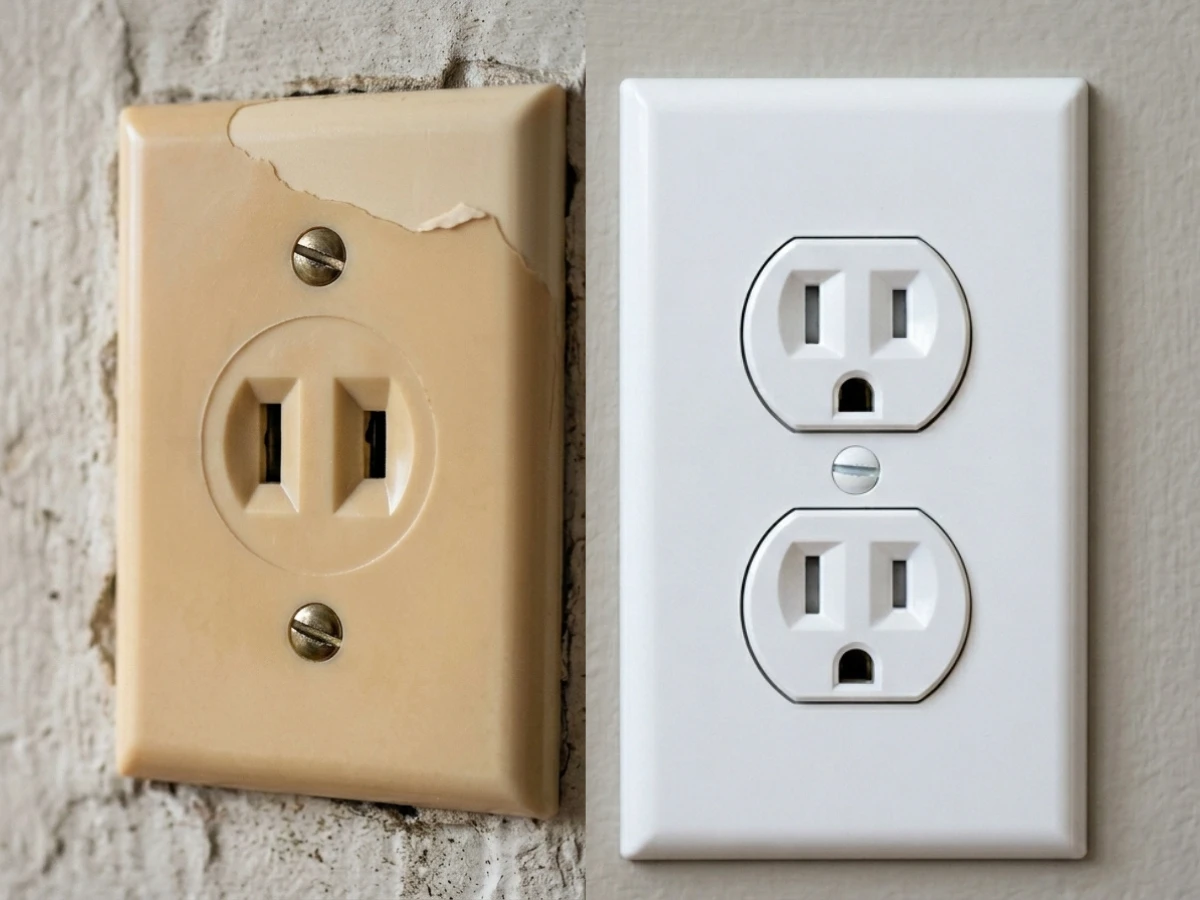
Standard modern outlets have three prongs: hot (narrow slot), neutral (wide slot), and ground (the round bottom hole). The National Electrical Code (NEC) has actually mandated these grounding-type outlets in all new residential construction since 1962.
Under modern code, the hot wire delivers electricity to your device, and the neutral wire carries that current continuously back to your electrical panel to complete the everyday circuit.
The third prong, the ground, is your system's emergency exit. Under normal conditions, this wire carries absolutely zero electricity. However, if an internal wire in an appliance comes loose and touches its metal casing (a fault), the ground wire provides a safe, low-resistance shortcut back to your panel to instantly trip the circuit breaker and safely redirect the dangerous voltage down into the earth.
In older homes built before this 1962 mandate, there is no ground wire. If a wire inside an appliance comes loose or contacts the metal housing, the electricity has nowhere safe to go. If you touch that appliance, you become the path to the ground, resulting in a dangerous electrical shock.
Why Your Modern Electronics Are at Risk
Your expensive smart TVs, gaming consoles, and work-from-home computers are designed specifically to utilize that NEC-mandated third prong. They rely on a grounded connection to safely redirect excess voltage. Without a proper ground, a surge protector cannot do its job. A single power spike could fry your valuable tech in an instant.
Your Options for Two-Prong Outlet Replacement
When it comes to upgrading your home's outlets, you have a few different routes you can take depending on your goals, your home's existing wiring, and your budget. Under modern electrical codes, there are four safe ways to handle ungrounded outlets.
Option 1: Rewiring Your Outlets (The Master Electrician Approved Option)
The absolute best way to update your system is to run new three-wire cables (with a dedicated ground wire) from your main electrical panel directly to your outlets. This gives you a true, physical ground.
While this is the most comprehensive solution, and highly recommended if you are doing a larger home remodel, it requires opening up walls or fishing wires through old plaster. Because of the labor involved, many homeowners choose to prioritize rewiring in high-use areas like home offices, kitchens, and entertainment centers first.
Option 2: GFCI Protection for Ungrounded Outlets (The Budget-Friendly & Safe Alternative)
Did you know you can install a modern three-prong outlet on an ungrounded system without actually rewiring the whole house?
The National Electrical Code (NEC) allows you to use GFCI protection for ungrounded outlets. By installing a Ground Fault Circuit Interrupter (GFCI) outlet at the beginning of a circuit (or replacing the standard outlet with a GFCI), you gain incredibly sensitive shock protection. If the GFCI detects an imbalance in the electrical current, it cuts the power in milliseconds, long before you can get hurt.
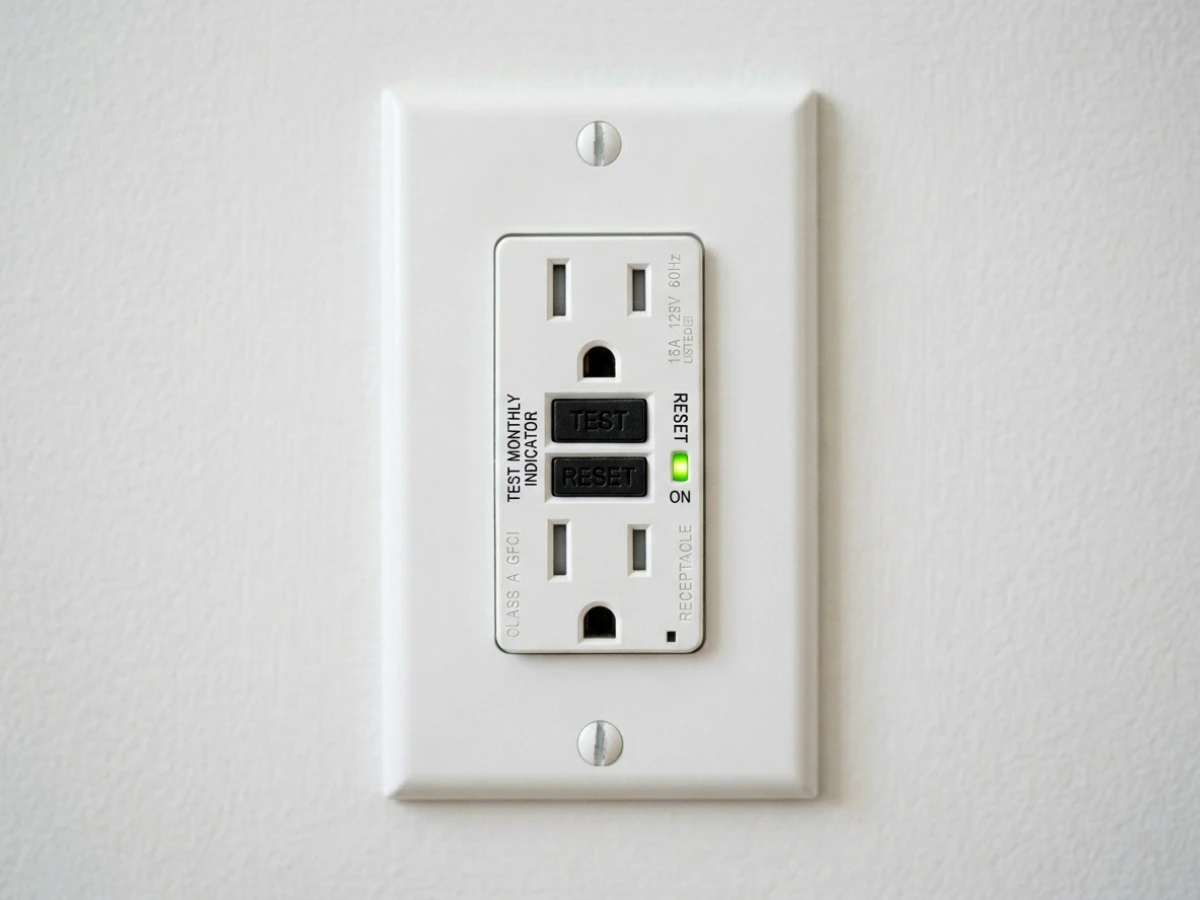
Note for homeowners: Under current code requirements for residential outlets, if you install a GFCI on an ungrounded circuit, you must label the outlet cover with "No Equipment Ground." This lets future buyers and home inspectors know exactly what is going on behind the drywall.
Option 3: GFCI Protection at the Panel (The Circuit-Wide Solution)
If you have several two-prong outlets on a single circuit and want to upgrade all of them to standard three-prong outlets, you can replace the standard circuit breaker in your electrical panel with a GFCI breaker.
This provides shock protection to every single outlet on that circuit. Just like Option 2, because there is still no physical ground wire, we must label each upgraded outlet with "GFCI Protected" and "No Equipment Ground" to remain code-compliant.
Option 4: Grounding to an Existing Metal Box (The Twin Cities Specialty)
In many mid-century and historic homes around Minneapolis and St. Paul, builders used metal electrical boxes fed by armored metal cable (commonly called BX cable) or metal conduit.
Sometimes, even though the outlet only has two prongs, the metal cable and metal box themselves are actually connected back to a ground at your electrical panel. If a licensed electrician tests the metal box and finds it is properly grounded, we can install a modern three-prong outlet and run a small green pigtail ground wire from the outlet screw directly to the metal box. This gives you a fully grounded, modern three-prong outlet without having to run any new household wiring.
What Are the Code Requirements for Residential Outlets?
If you are planning to put your home on the market in Minneapolis, St. Paul, or Richfield, you will need to pass Truth-in-Sale-of-Housing (TISH) or time-of-sale inspections.
Local inspectors are incredibly sharp. They will use a small circuit tester to check your three-prong outlets. If they find a three-prong outlet that has been installed without a ground wire (and without GFCI protection), it will be flagged as a safety hazard.
To ensure your home is fully compliant and ready for a smooth sale, we highly recommend scheduling professional electrical inspections before listing your property. Getting ahead of these issues prevents last-minute negotiation headaches with buyers.
Why DIY Can Get Tricky in Historic Homes
We love a good weekend DIY project, but electrical work in older Twin Cities homes can quickly reveal hidden surprises.
Older homes often feature:
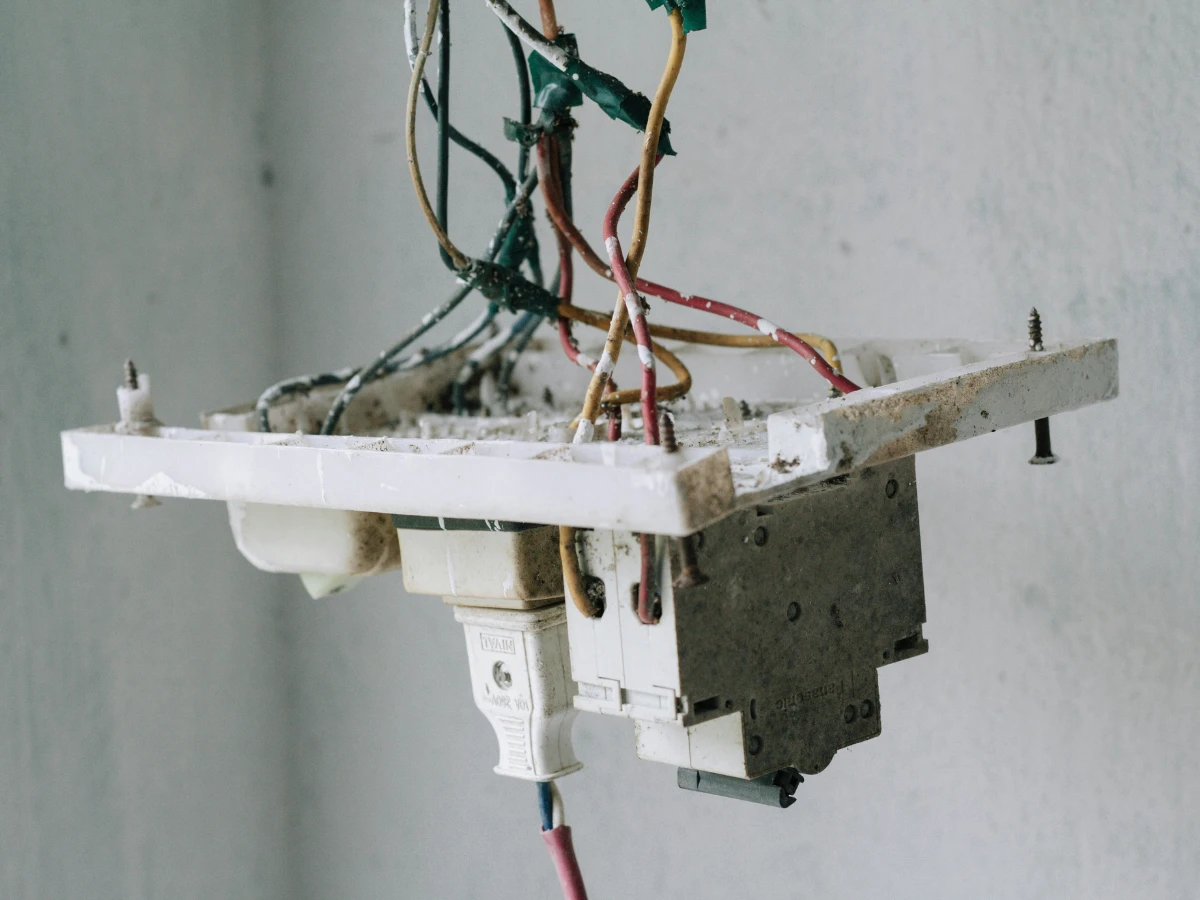
- Brittle, crumbling insulation on old cloth-covered wiring.
- Knob-and-tube wiring is hidden inside the walls.
- Tiny, cramped metal junction boxes that don't have enough physical space to fit a bulky modern GFCI outlet safely.
If you open up an outlet plate and find crumbling wires or confusing connections, it's time to step back. Calling in a professional for electrical repairs ensures the job is done safely, up to code, and without risking a house fire.
Ready to Get Grounded?
Keeping your historic Twin Cities home safe doesn’t have to be overwhelming. If you live in a classic home in South Minneapolis, a historic property in St. Paul, or one of the charming post-war mid-century neighborhoods in Richfield, Bloomington, and Roseville, our local team is here to help.
Don't wait for a fried computer or a flagged inspection report to address your vintage wiring. For professional, friendly, and reliable service, check out Loch Monster Electric to get your two-prong outlets safely upgraded today!
Frequently Asked Questions
Those green grounding tabs on cheater plugs only work if they are screwed into a metal outlet box that is actually grounded. In most older MN homes, the box itself is ungrounded, meaning the adapter offers zero protection. It's a temporary band-aid, not a safety solution.
No. You do not have to rewire the whole house. However, you must ensure that any three-prong outlets are either properly grounded or protected by a correctly labeled GFCI to pass local point-of-sale inspections.
You can buy a cheap 3-prong circuit tester at any local hardware store. Plug it in, and the lights will tell you if you have an open ground. If you want a comprehensive check of your entire home's system, it's best to have a licensed pro take a look.