Outlet & Switch Repair Costs: What Twin Cities Homeowners Pay in 2026
Updated: Jul 17, 2026
Discover 2026 pricing for outlet and switch repairs in the Twin Cities. Learn how MN code affects your costs, why historic homes face unique electrical challenges, and how Loch Monster Electric ensures your home stays safe and up to code.
If you live in one of our beautiful, historic Twin Cities neighborhoods, you know that old-school charm comes with a unique set of quirks. Whether it's a classic bungalow in Nordeast Minneapolis, or a sturdy brick home in St. Paul’s Mac-Groveland, you eventually run into electrical problems.
Maybe a light switch has started to crackle, or an outlet stopped working mid-morning while you were brewing coffee. When that happens, you naturally want to know: How much will it cost me to get this fixed?
At Loch Monster Electric, we believe in being upfront with our neighbors. In this guide, we explain realistic 2026 pricing for outlet and switch repairs. We break down how Minnesota code requirements can change these costs, and walk you through our professional, step-by-step repair process. You will also learn why historic Twin Cities homes often face unique electrical hurdles, like outdated wiring or tight spaces.
What Twin Cities Homeowners Actually Pay for Outlet & Switch Repair in 2026
When you search for an outlet repair near me, you might see a wide range of prices online. For replacing a single, worn-out receptacle in a modern home, most Twin Cities homeowners pay between $350 and $550.
This electrical outlet repair cost includes the electrician’s time, and the high-quality parts needed to meet code. However, this cost increases when specialized devices like GFCIs or AFCIs are required, or if the wiring behind the wall is decades old.
While it might be tempting to look for the cheapest option, in our line of work, you are paying for the peace of mind that your home won’t face a fire hazard down the road.
5 Factors That Push Your Electrical Outlet Repair Bill Higher
Not all outlet and switch repairs are created equal. Several factors can influence your final cost:
Your Home’s Age
Older homes often have hidden issues. We aren't just replacing a plastic plate, but we are dealing with a system that may be decades old. If we open an electrical box and find crumbling insulation or wires that have become brittle, the scope of work changes from a simple swap to a necessary safety repair. We have to ensure that the connections we make are secure and that the surrounding insulation isn't a fire risk, which adds time and care to the process.
Wiring Type
Are you working with modern copper wiring, or do you have older aluminum or knob-and-tube systems? These older setups can be quite tricky. If we find them, we cannot use standard installation methods. We need to use special connectors and extra safety steps to make sure the circuit doesn't overheat.
Because of this, the repair might involve more than just the outlet itself. We may need to address or update the wiring at that connection point to make sure everything meets today’s safety standards. This requires extra care, specialized training, and specific materials to keep your home safe.
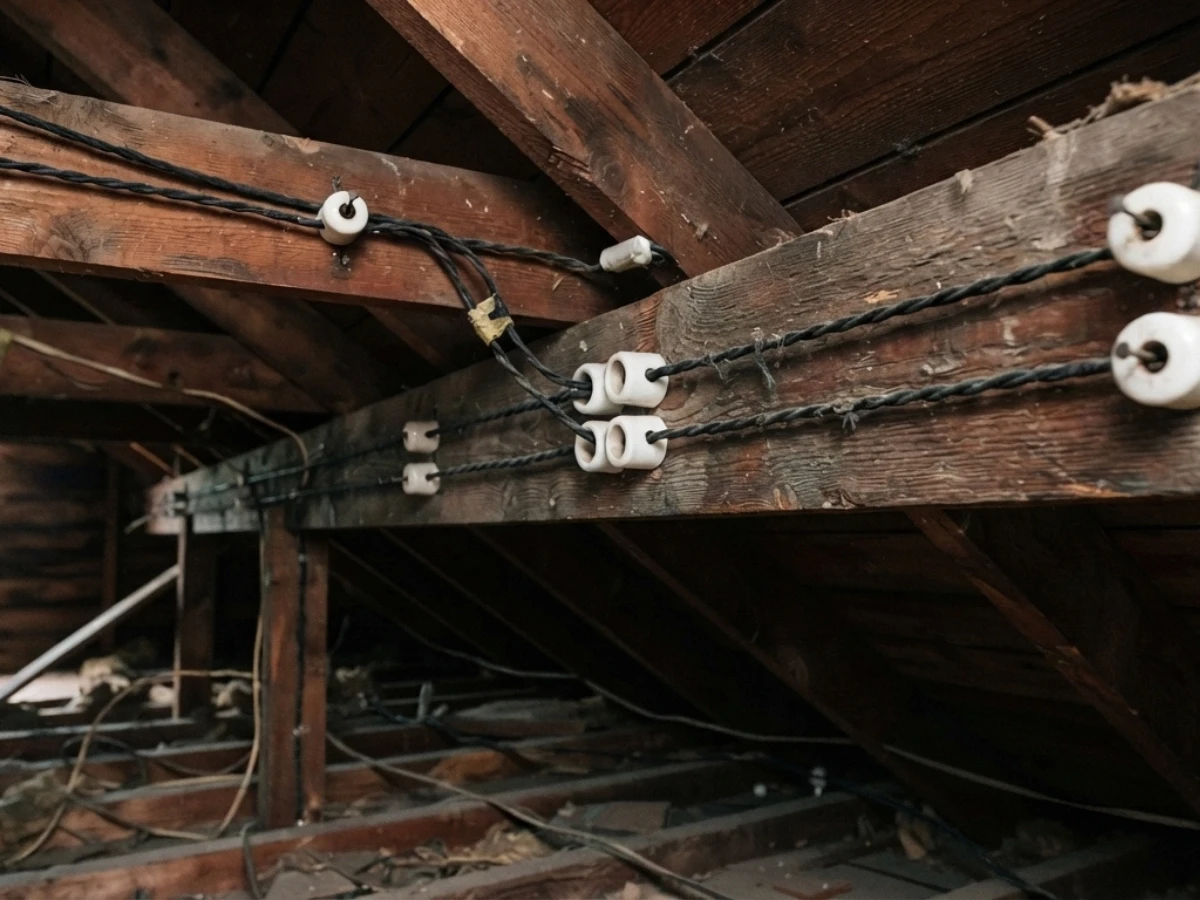
To learn more about these old-fashioned wiring types, read our knob and tube wiring replacement guide.
Device Type
It’s not just about the wiring. The technology inside your walls matters, too. Costs can vary depending on what we are installing:
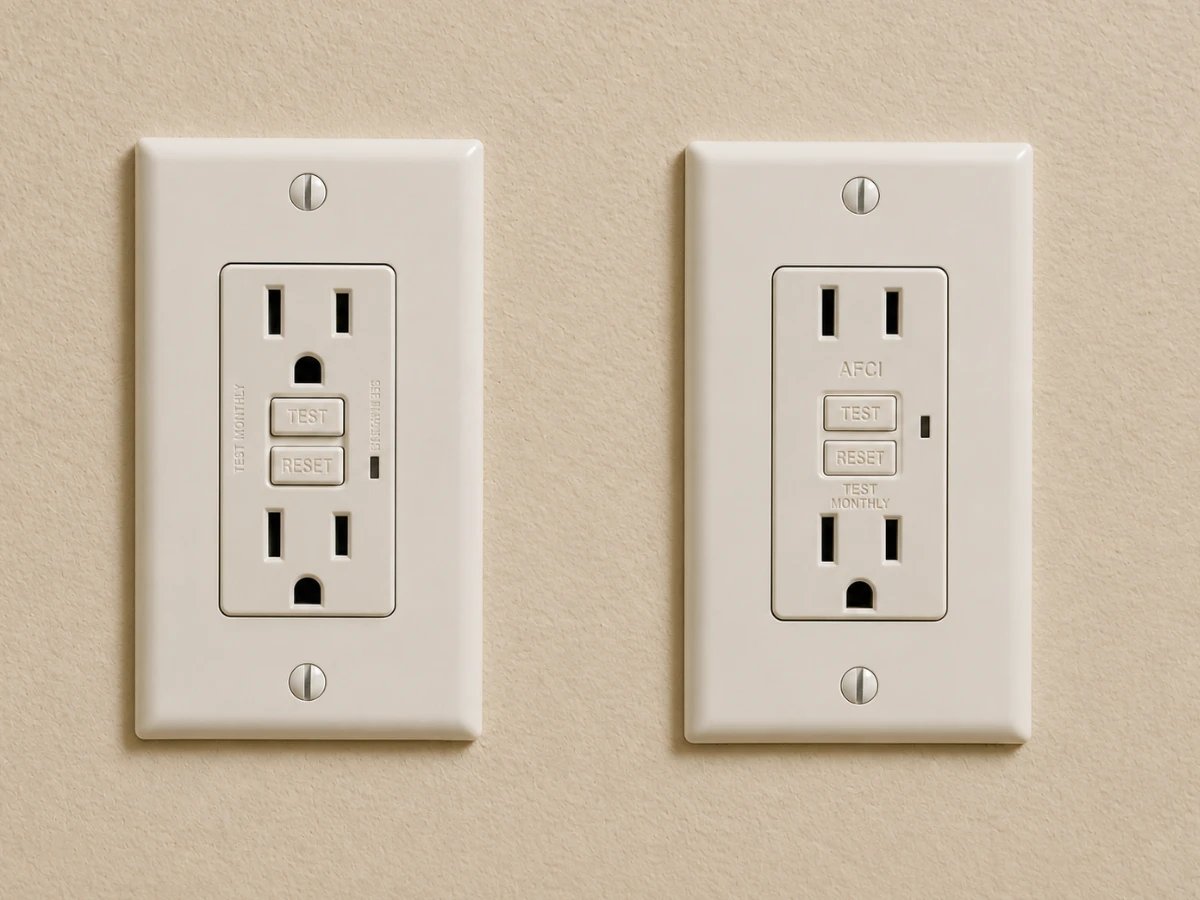
- Outlets: A standard outlet is an affordable, basic part. However, modern NEC safety rules often require us to install a GFCI (Ground Fault Circuit Interrupter) or an AFCI (Arc Fault Circuit Interrupter). These devices detect water hazards or dangerous sparks to protect your home from shocks or fires. Because these parts are advanced and require more labor, these outlet installation costs typically fall between $450 and $600 per outlet.
- Switches: A basic toggle switch is simple and affordable. However, upgrading to dimmers, smart-home switches, or motion sensors will change the price. These modern parts are more complex. They often need more room inside the electrical box or special wiring, which adds to the installation time.
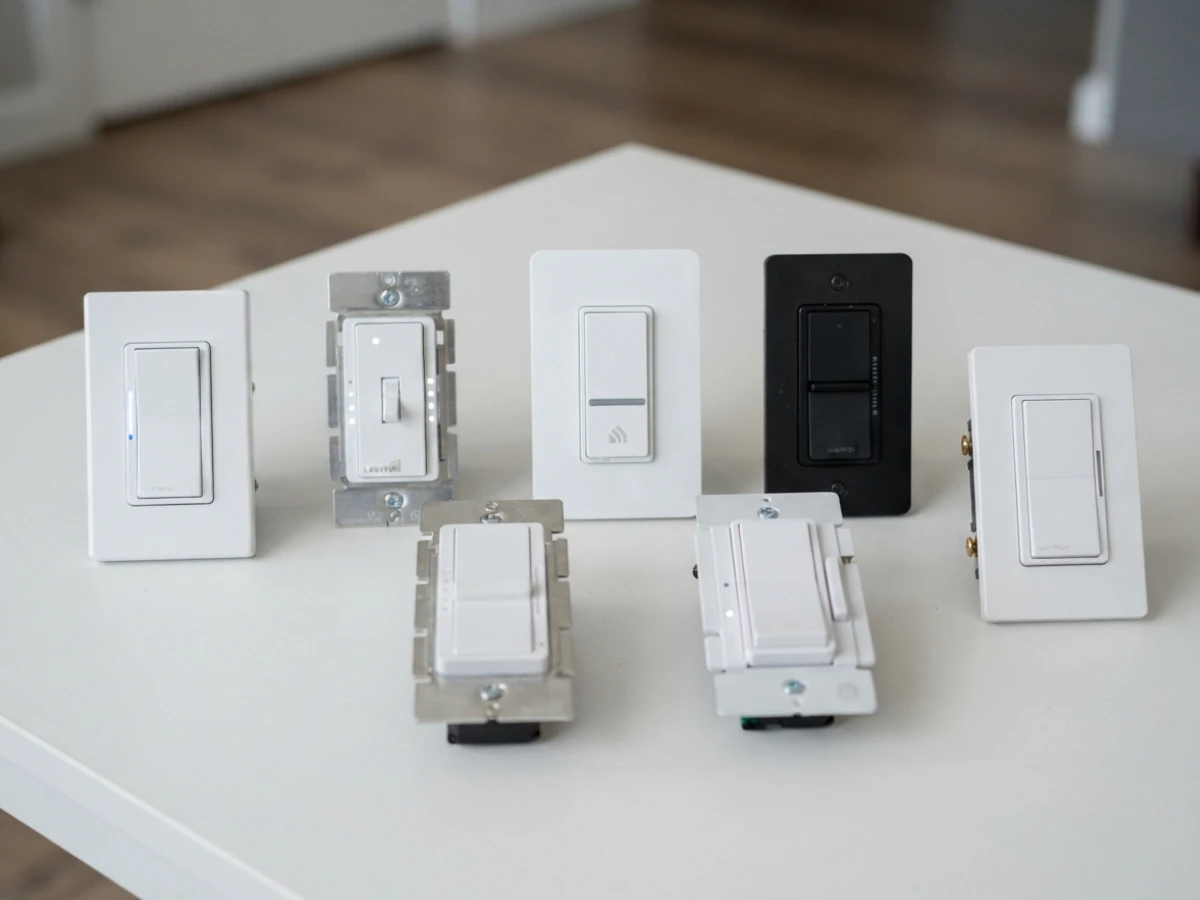
You can learn more about dimmers and smart switches in our smart switches installation guide.
Accessibility
Sometimes the hardest part of the job is reaching the wires. An outlet might be behind a cabinet, heavy furniture, or in a cramped crawlspace. Hard-to-reach spots take extra work to access. Our electricians need more time to reach these areas safely without damaging your home's trim or finishes.
Permit Requirements
Most simple outlet or switch swaps do not need a permit. However, larger projects like adding new circuits or extending wiring require compliance with Minnesota Rules Chapter 3800. If your project falls into this category, we pull the required permits as your licensed electrician, so you don’t have to handle the paperwork.
These filing fees typically range from $100 to $350. Obtaining these permits now prevents future headaches. If you try to sell your home later, inspectors will look for proof that the work was done to code. Unpermitted work can lead to mandatory retrofitting or even failed sales.
Why Outlets and Switches Fail Faster in Older Twin Cities Neighborhoods
Living in historic homes like the classic bungalows of Nordeast Minneapolis or the charming ramblers of Bloomington is part of the Twin Cities lifestyle. However, these homes often have wiring that has reached the end of its intended life. Here is what we see most often:
- Worn Internal Contacts: Over decades of use, the metal springs inside an outlet lose their tension. When your plugs start feeling loose or falling out, that loose connection creates heat. If you live in an older area like Nordeast Minneapolis, this is a common sign that the wall outlet needs replacing before it becomes a hazard.
- Ungrounded Two-Prong Outlets: Many older homes, especially in areas like Bloomington or older sections of St. Paul, still have two-prong outlets. These were never designed to handle the three-prong plugs required by modern electronics. Using cheater adapters doesn't provide actual ground protection, leaving your expensive devices vulnerable.
Read more about why these are dangerous for both your safety and your devices, in our two prong outlet replacement guide.
- Degraded Wire Insulation: In neighborhoods like Mac-Groveland, we often open up walls to find insulation that has become dry and brittle. When the protective coating on your wires starts to crack or crumble, the risk of short circuits and electrical fires increases significantly.
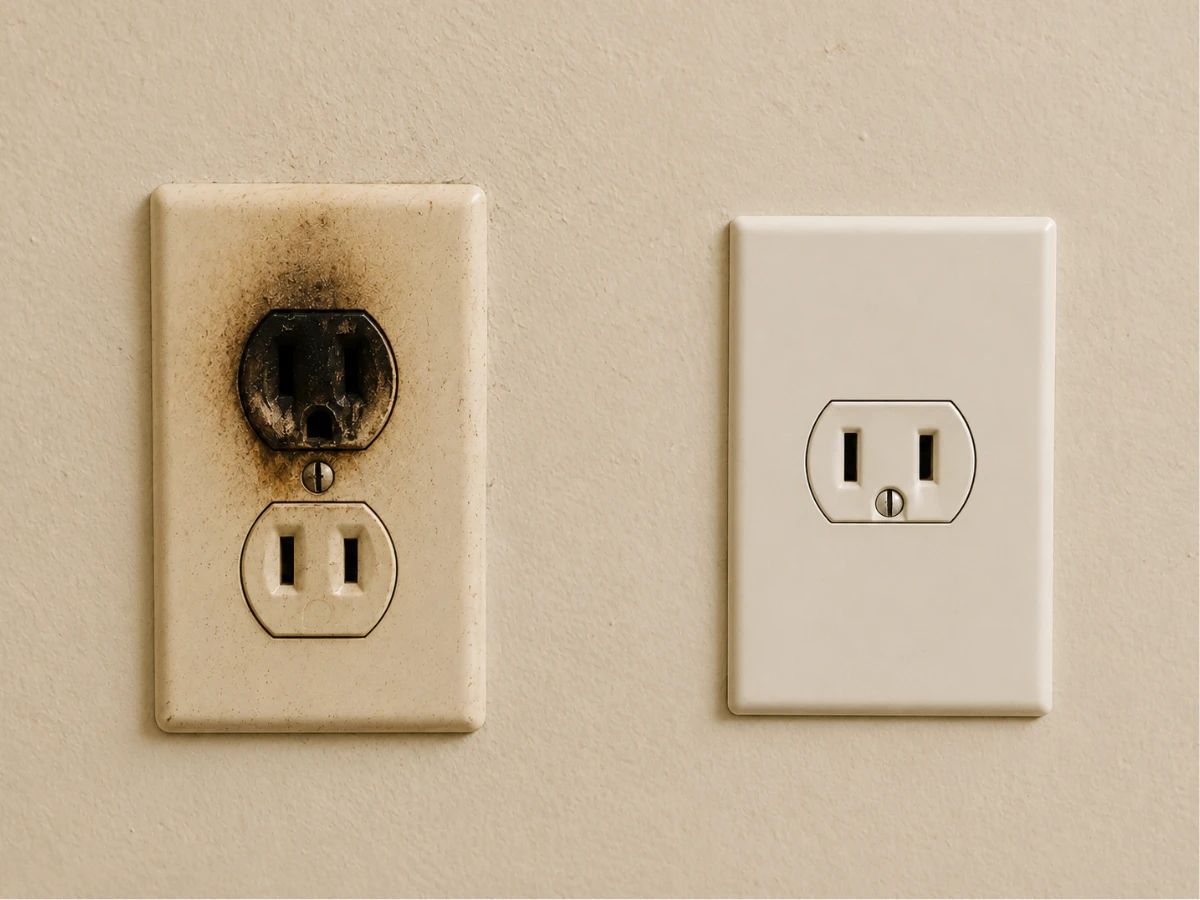
If your switches feel mushy or your outlets show scorch marks, your home is telling you it’s time for an upgrade.
Understanding GFCI and AFCI Protection
Minnesota code puts your family’s safety first. When we repair an outlet, we often need to bring the circuit up to today’s safety standards. This often means GFCI and AFCI installation.
- GFCI (Ground Fault Circuit Interrupter): These are vital in wet areas like kitchens, bathrooms, garages, and basements. They monitor electricity flow and cut power instantly if they detect a ground fault, protecting you from shock.
- AFCI (Arc Fault Circuit Interrupter): These are built for living spaces like bedrooms and family rooms. They spot dangerous arcing, or unwanted sparks, behind your walls. This stops potential electrical fires before they start.
Updating these devices is more than just following the law. It adds a vital layer of modern protection to your home’s electrical system.
DIY Outlet Repair vs. Hiring a Licensed Twin Cities Electrician
We respect the DIY spirit, but electrical work in older homes is a different beast. When you open a wall in a home built in 1950, you never know what you’ll find. You might encounter bootleg grounds, mixed wiring, or crumbling insulation. A licensed electrician isn't just there to connect wires, but can identify if those wires are safe.
Feature | DIY Approach | Licensed Electrician |
Project Scope | Minor, basic swaps only | Full diagnostics, upgrades, & new circuits |
Code Compliance | Difficult to verify | Guaranteed to meet 2026 NEC standards |
Safety Risk | High (especially with older wiring) | Trained to identify & fix hidden hazards |
Insurance | Risk of denied claims for unpermitted work | Work is certified, documented, & insured |
DIY mistakes are a major cause of electrical fires. If you install a device incorrectly, it might not provide the safety protection you need. This creates a serious hazard. Plus, if you do the work yourself without a permit, your home insurance might deny a claim if an accident happens later.
How a Professional Outlet & Switch Repair Visit Actually Works
When you call Loch Monster Electric, here is what you can expect:
Step 1: Device Diagnosis
We start by testing the outlet or switch itself. We look for the “why" by asking:
- Is the outlet loose because the internal metal springs are worn out?
- Is the switch buzzing due to failing contacts?
We identify exactly why it stopped working before we touch a single tool.
Step 2: Box and Wire Inspection
We remove the faceplate to inspect the health of the components inside the electrical box. We check the condition of the wire insulation (looking for brittleness or cracks) and ensure the wires are securely connected to the terminals. We also check the box to make sure there is enough room for a new, code-compliant device.
Step 3: Clear Explanation
Whether it's a simple wear-and-tear issue, or if we found something like bootleg grounds or charred wires behind the wall, we’ll explain exactly what is wrong. Then we help you understand what is required to fix it correctly, so there are no surprises on your final bill.
Step 4: Repair & Installation
We remove the old, faulty device and install the new one. We make sure every wire connection is tight and secure according to the latest electrical code. If the location requires an upgrade, such as a GFCI for a kitchen or bathroom, we install the proper device to keep your home protected.
Step 5: Testing
Before we put the faceplate back on, we use a specialized circuit tester. We verify that the device has the correct voltage, that the wires are in the right place (proper polarity), and that the ground is solid. We ensure everything works perfectly, safely and securely before we pack up our tools.
If you are ready to call a professional, you can learn more about our outlet and switch repair services today.
Red Flags: When an Outlet Repair Is Actually a Panel or Wiring Emergency
Sometimes, a bad outlet is just a warning sign of a larger issue. Call a professional immediately if you notice:
- Burning smells: This is an immediate fire hazard.
- Warm faceplates: Outlets should never feel hot to the touch.
- Frequent breaker trips: This indicates your circuit is overloaded or there is a short.
- Discoloration: Yellow or brown marks around an outlet are a sign of heat damage.
- Multiple dead outlets: If a whole wall or room goes dark, the issue is likely behind the wall or in the panel.
If you notice any of these signs, don't hesitate to reach out for our emergency electrical repair services.
Your Trusted Partner for Twin Cities Electrical Repairs
Need a hand with that electrical issue? If your home is acting up, don’t wait for a small problem to become a big one. Whether you have a minor nuisance or a more pressing electrical concern, our team is proud to serve the Twin Cities with the expertise and care your home deserves.
Contact Loch Monster Electric today, and let us handle your outlet and switch repairs.
Frequently Asked Questions
Minor repairs are sometimes allowed, but Minnesota requires electrical work to meet strict codes. Given the age of many Twin Cities homes, hiring a professional is the safest way to avoid fire risks and insurance issues.
You are paying for a professional diagnosis, high-quality materials that meet the 2026 code, and the peace of mind that comes with a warranty on our work.
If you see discoloration, feel heat, or experience buzzing or flickering lights, those are red flags that the wiring behind the outlet may be failing.
GFCI protects against electrocution (usually near water), and AFCI protects against electrical fires. Both are code-mandated in specific areas of your home.
Look for a locally owned company with verifiable reviews, proper licensing, and insurance. At Loch Monster Electric, we are proud to be the trusted choice for Twin Cities homeowners.