Outlets Not Working? What to Check Before You Call
Updated: Aug 17, 2026
Wondering why your outlets suddenly stopped working? This guide walks Twin Cities homeowners through the first troubleshooting steps, including checking GFCI outlets, resetting circuit breakers, and identifying common causes of dead outlets. Learn when it's safe to fix the problem yourself, when Minnesota electrical code requires a licensed electrician, and the warning signs that mean it's time to stop troubleshooting and call a professional.
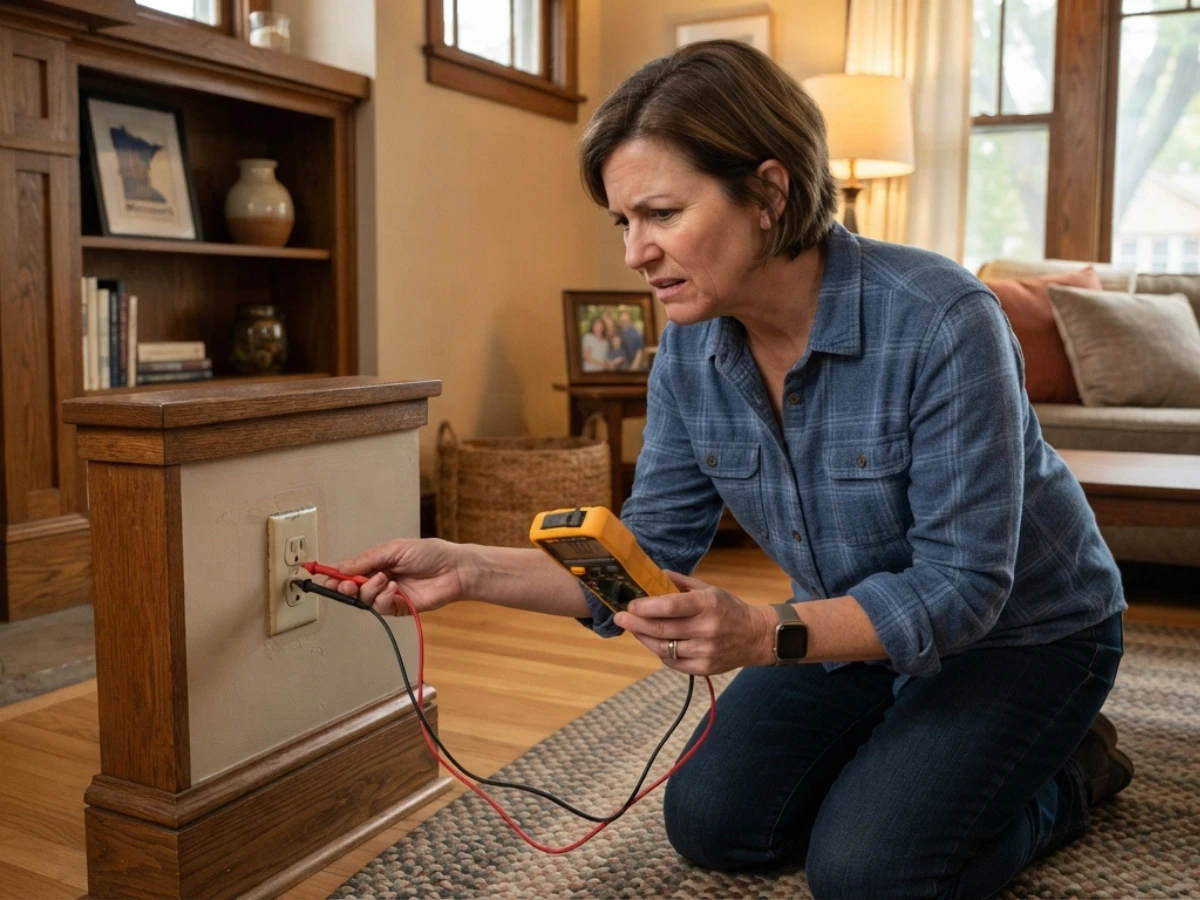
You plug in your coffee maker, phone charger, or vacuum, but nothing happens. If your outlets don't work, it's easy to assume you have a serious electrical problem. Whether one outlet has stopped working or several outlets have lost power at once, the cause is often simpler than you might think.
The good news is that a dead outlet doesn't always mean you have a major electrical problem. In many Twin Cities homes, the cause is something simple, like a tripped GFCI outlet or a circuit breaker that needs to be reset. However, some outlet problems can point to damaged wiring or other electrical hazards that require immediate professional attention.
Whether one outlet has stopped working or several outlets have lost power at once, the cause is often simpler than you might think.
Many outlet problems in Twin Cities homes are caused by a tripped GFCI outlet or circuit breaker that can be reset in just a few minutes. Others may point to damaged wiring or electrical hazards that require professional attention. Knowing the difference can save you time and help you avoid unnecessary safety risks.
If your outlets have stopped working and you're not sure why, Loch Monster Electric (LME) can help. Give us a call at 763-292-1191 to schedule an inspection, and our experienced electricians quickly diagnose electrical problems, recommend the safest solution, and restore power as efficiently as possible.
Before you pick up the phone, there are a few things you can safely check yourself.
The First Three Checks Every Twin Cities Homeowner Should Do
Most outlet problems can be narrowed down in just a couple of minutes. Start with these basic troubleshooting steps before assuming the worst.
1. Reset Any Nearby GFCI Outlet
A Ground Fault Circuit Interrupter (GFCI) outlet is designed to shut off power when it detects a potential electrical hazard. These outlets are commonly found in kitchens, bathrooms, garages, laundry rooms, unfinished basements, and outdoor spaces.
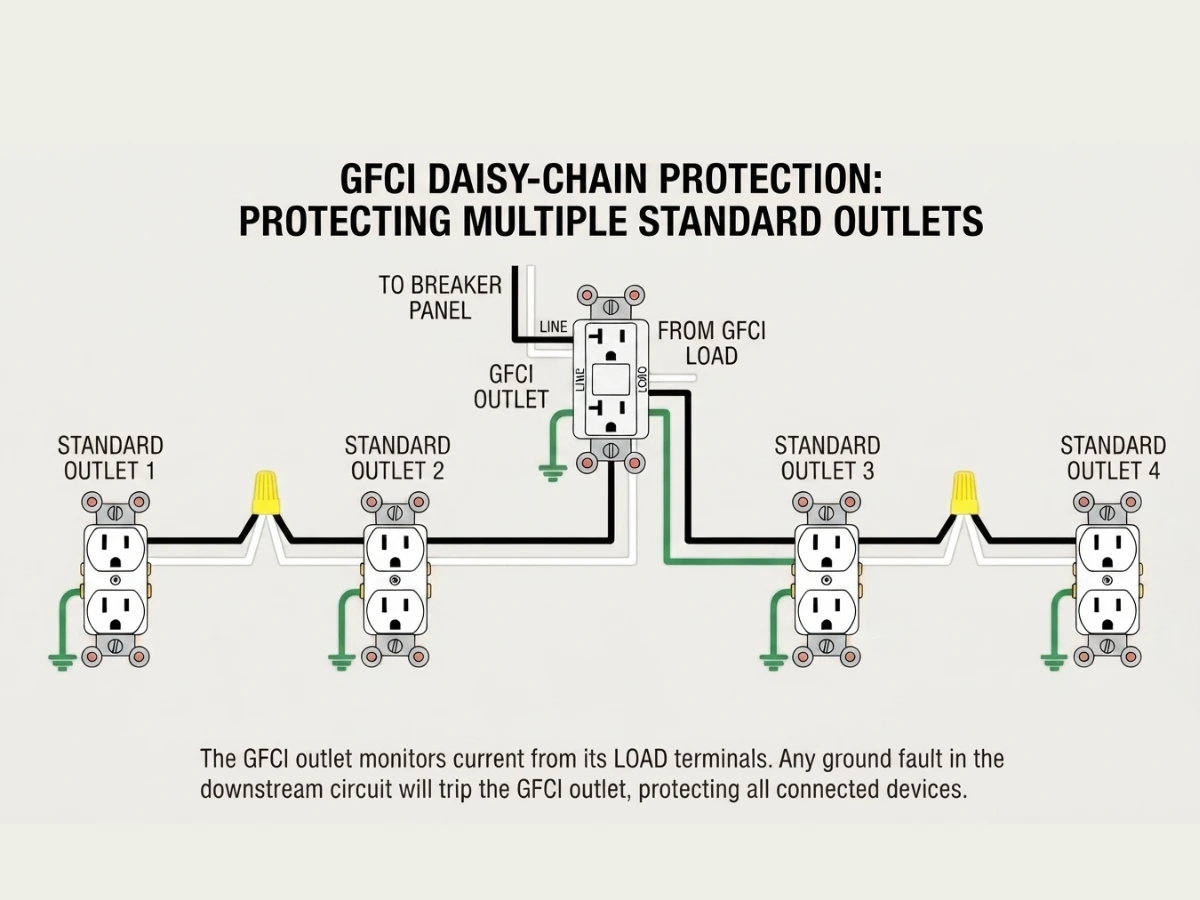
When a GFCI trips, it can also shut off power to several standard outlets connected downstream on the same circuit.
Look for an outlet with "TEST" and "RESET" buttons. Press the RESET button firmly until it clicks. Then check whether your dead outlet has power again.
2. Check Your Electrical Panel
Next, head to your electrical panel.
A breaker doesn't always flip completely to the OFF position. Sometimes it sits halfway between ON and OFF, making it easy to miss.
If you notice a breaker in this position:
- Switch it fully OFF.
- Then switch it firmly back ON.
- Check the outlet again.
If the breaker immediately trips again, stop troubleshooting. A breaker that won't stay reset usually indicates an underlying electrical fault that needs professional diagnosis.
3. Test the Outlet with Another Device
Sometimes the outlet isn't the problem at all.
Try plugging in a different device that you know works, such as a lamp or phone charger. If the second device works normally, the thing that was originally plugged in may be faulty instead of the outlet.
If neither device works, it's time to investigate further.
How GFCI Outlets Work and Why One Tripped Outlet Can Kill Power to a Whole Room
If you've checked your breaker panel and everything looks normal, don't assume you have a faulty outlet just yet. One of the most common reasons outlets stop working is a tripped Ground Fault Circuit Interrupter (GFCI) outlet.
In many Minnesota homes built after electrical code updates in the late 1970s, a single GFCI outlet protects several standard outlets connected further down the same circuit.
Imagine your kitchen countertop has four outlets. The first outlet on the circuit is a GFCI outlet, while the remaining three are standard receptacles. If the GFCI trips, all four outlets can lose power—even though only one has the TEST and RESET buttons. To a homeowner, it can look like several outlets have suddenly failed when they're actually doing exactly what they were designed to do.
How to Find the GFCI That's Controlling Your Dead Outlet
Sometimes the GFCI controlling your dead outlet isn't in the same room. Before calling an electrician, take a few minutes to check the most common locations around your home.
Look for GFCI outlets:
- In bathrooms, especially near sinks.
- Along kitchen countertops.
- In garages and workshops.
- In unfinished basements.
- Outside your home on exterior walls or patios.
- In laundry or utility rooms.
When you find a GFCI outlet, press the RESET button firmly until it clicks. Then return to the outlet that isn't working and check whether power has been restored.
If you've checked every GFCI outlet you can find, reset the breaker panel, and your outlets still aren't working, it's time to stop troubleshooting. The problem could involve damaged wiring, a failed receptacle, or another issue that requires professional electrical testing.
If you're unsure what's causing the problem, our team at Loch Monster Electric can quickly diagnose the issue and make safe, code-compliant repairs.
The Breaker Position Most People Miss
A tripped breaker doesn't always move completely to the OFF position. Instead, because of a temporary overload, it often sits halfway between ON and OFF, making it easy to overlook during a quick inspection.
If you find a breaker in this middle position, reset it by switching it fully OFF before turning it back ON. If it trips again immediately, resist the urge to keep resetting it.
Repeated tripping, a warm breaker panel, buzzing sounds, or burning odors are warning signs that require professional attention. Continuing to reset a breaker under these conditions could increase the risk of equipment damage or electrical fire.
When a Breaker Is Warning You About Something Bigger
A breaker is designed to protect your home's electrical system. If it trips once after plugging in too many appliances, resetting it may be all that's needed.
However, some warning signs should never be ignored.
Stop troubleshooting and contact a licensed electrician if you notice:
- The breaker trips again immediately after resetting.
- The electrical panel feels warm or hot to the touch.
- You hear a buzzing or crackling sound coming from the panel.
- You smell something burning or notice signs of melted insulation.
These symptoms may indicate damaged wiring, a failing breaker, or an overloaded circuit that requires professional diagnosis.
Extra Care for Older Twin Cities Homes
Many homes in Ramsey and Hennepin counties were built between the 1960s and the 1980s. If your home still has an one of older panel — or you're unsure what type of panel you have — it's best to avoid repeated breaker resets. A licensed electrician can inspect the panel, confirm it's operating safely, and recommend repairs or replacement if necessary.
If your breaker continues to trip or you suspect a panel issue, our team at Loch Monster Electric can inspect your electrical system and identify the source of the problem before it becomes a bigger safety risk.
Six Reasons an Outlet Goes Dead Beyond the Breaker and GFCI
If you've already checked your GFCI outlets and reset the breaker without success, the problem may lie somewhere deeper within the electrical system.
While many outlet failures have simple explanations, others involve hidden wiring issues that aren't visible without proper testing. Here are some of the most common causes we find when diagnosing outlets that have stopped working.
1. A Loose or Burned Backstab Connection
Many older outlets were installed using backstab wiring, where the electrical wires are pushed into spring-loaded holes on the back of the receptacle instead of being secured under screw terminals.
Over time, these connections can loosen as they expand and contract with daily use. Eventually, the connection may overheat or fail completely, causing one or more outlets on the circuit to lose power.
2. A Worn-Out Outlet
Like any frequently used household component, electrical outlets eventually wear out.
Years of plugging in appliances, chargers, and electronics can weaken the internal contacts. When this happens, the outlet may stop supplying power consistently or fail altogether.
3. A Wiring Fault on a Shared Circuit
Many outlets share the same branch circuit. If a loose wire, damaged splice, or broken connection develops somewhere along that circuit, every outlet downstream can lose power—even if the outlet itself is perfectly fine.
Finding these hidden faults usually requires professional testing equipment.
4. Aluminum Wiring in Older Homes
Some Twin Cities homes built between 1965 and 1975 were wired using aluminum instead of copper.
Although aluminum wiring was common at the time, it naturally expands, contracts, and oxidizes over the years. These changes can loosen electrical connections, increase resistance, and eventually cause outlets to stop working or overheat.
5. An Overloaded Circuit
Today's homes use far more electricity than they did decades ago.
Portable heaters, air fryers, microwaves, gaming systems, and other high-draw appliances can overload circuits that weren't originally designed for modern electrical demands. Even if the breaker doesn't trip immediately, repeated overloading can shorten the lifespan of outlets and wiring.
6. Minnesota's Harsh Weather
Our Minnesota climate doesn't just affect roofs and driveways—it can also take a toll on your electrical system.
Garage outlets, outdoor receptacles, and other exposed electrical components experience years of freezing temperatures, moisture, and repeated freeze-thaw cycles. Over time, these conditions can damage outlet boxes, loosen connections, or allow moisture to enter the receptacle, leading to intermittent or complete power loss.
Warning Signs That Make a Dead Outlet a Safety Emergency
Sometimes a dead outlet is simply an inconvenience. Other times, it's your home's way of warning you about a potentially dangerous electrical problem.
If you notice any of the following things, stop troubleshooting immediately and call a licensed electrician.
- A burning smell coming from the outlet.
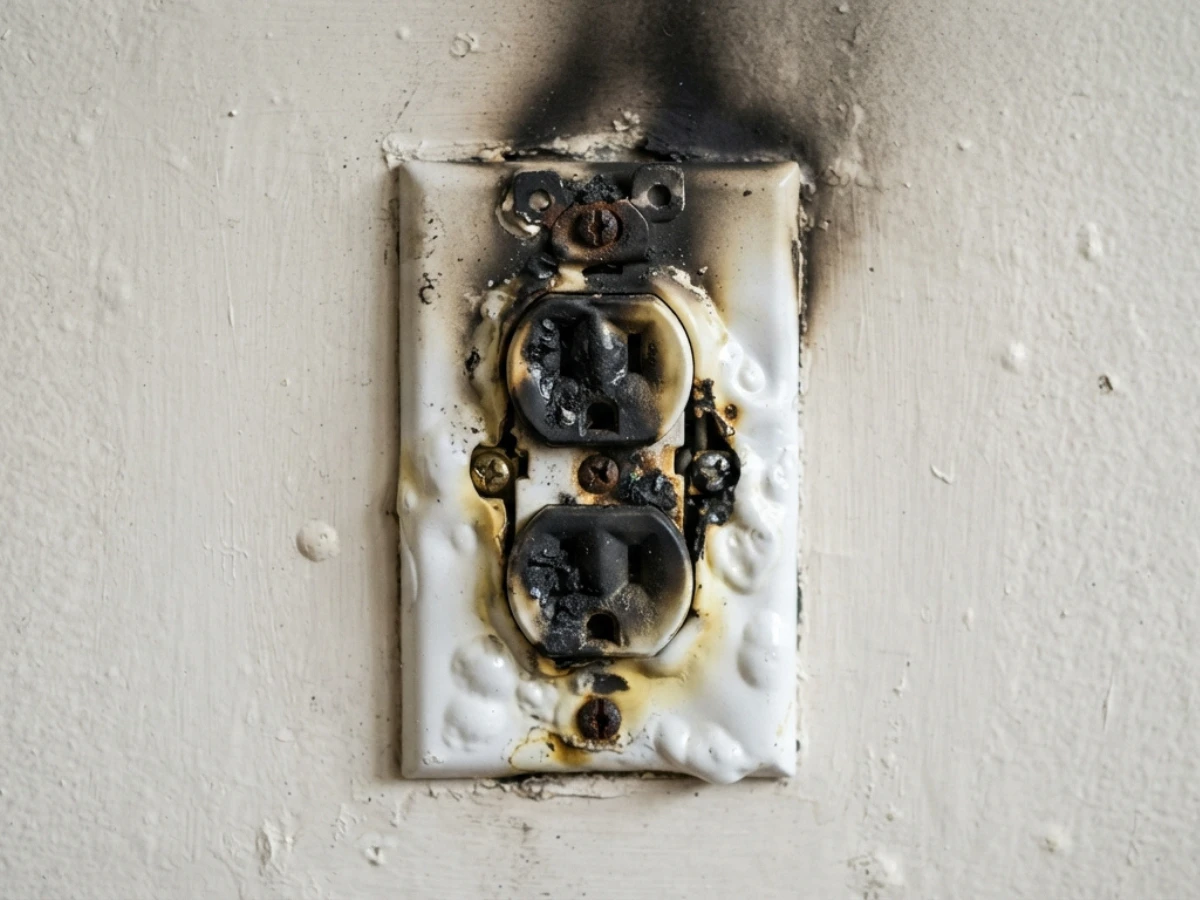
- Brown, black, or melted discoloration around the outlet face.
- Visible sparks when plugging in or unplugging a device.
- An outlet cover that feels warm or hot.
- Outlets that work intermittently or cause lights to flicker.
- Your home contains known aluminum branch-circuit wiring, especially if it was built between 1965 and 1973, and you're experiencing outlet problems.
These symptoms can indicate overheating, damaged wiring, loose electrical connections, or arcing inside the wall. Left untreated, they may increase the risk of electrical fires.
Electrical safety organizations such as the National Fire Protection Association (NFPA) continue to identify electrical failures as a significant cause of residential fires, making it important to address warning signs before they become emergencies.
If you experience any of these symptoms, don't attempt another reset. Our team at Loch Monster Electric can safely diagnose the issue and repair your outlet before the problem escalates.
What Our Licensed Twin Cities Electrician Does When They Arrive
Many homeowners wonder what actually happens during an electrical service call. In most cases, diagnosing a dead outlet is a straightforward process, but it involves more than simply replacing the outlet itself.
We begin by testing the affected outlet with professional diagnostic equipment before checking for power loss elsewhere on the circuit. Depending on what we find, we may also inspect the breaker panel, test circuit continuity, and verify that GFCI protection is functioning correctly.
Common repairs include:
- Replacing worn or damaged outlets.
- Repairing loose or failed wiring connections.
- Installing or replacing GFCI outlets.
- Diagnosing breaker or circuit problems.
- Identifying overloaded or damaged circuits.
Most standard outlet service calls can be completed within a single visit, although larger wiring repairs or panel issues may require additional work. If permits or inspections are required under Minnesota electrical code, we'll explain the process before any work begins so there are no surprises.
How to Prevent Outlet Failures in Minnesota Homes
The best way to deal with a dead outlet is to prevent it from happening in the first place.
If your home is more than 30 years old, scheduling periodic electrical inspections can help identify worn outlets, aging wiring, and overloaded circuits before they become larger problems.
We also recommend:
- Replacing older backstab-wired outlets with more secure screw-terminal connections.
- Upgrading AFCI protection where required by current electrical codes.
- Inspecting garage and outdoor outlets for moisture damage after harsh Minnesota winters.
- Having older aluminum wiring professionally evaluated.
- Avoiding overloaded outlets and extension cords by adding dedicated circuits where needed.
Regular maintenance not only improves reliability but also helps keep your home safer for years to come.
If you're concerned about aging outlets or want peace of mind, our team at Loch Monster Electric can inspect your electrical system and recommend upgrades that improve safety, performance, and code compliance.
Key Takeaway
Most outlets not working in Twin Cities homes can be traced to a tripped GFCI outlet or circuit breaker and can often be identified in just a few minutes. However, warning signs such as burning smells, scorch marks, aluminum wiring, repeated breaker trips, or outlets that continue to fail are clear indicators that it's time to stop troubleshooting and call a licensed electrician. When electrical safety is in question, it's always better to have the problem diagnosed correctly than risk making it worse.
If your outlets still aren't working after basic troubleshooting, contact Loch Monster Electric. We'll identify the source of the problem, explain your repair options, and restore power safely and professionally.
Frequently Asked Questions
The most common reason is a tripped GFCI outlet or a circuit breaker that controls multiple outlets on the same circuit. In many Twin Cities homes, several standard outlets are connected to a single GFCI outlet, so when it trips, every outlet downstream loses power. If resetting the GFCI and breaker doesn't solve the problem, the issue could be a wiring fault or damaged circuit that requires professional diagnosis.
Start by checking nearby bathrooms, kitchens, garages, laundry rooms, unfinished basements, and exterior outlets. Look for an outlet with TEST and RESET buttons. The GFCI controlling your dead outlet may not be in the same room, so it's worth checking every GFCI outlet in your home before calling an electrician.
A dead outlet itself isn't necessarily a fire hazard. However, if the outlet stopped working because of damaged wiring, overheating, loose connections, or electrical arcing, it can present a serious fire risk. Warning signs such as a burning smell, scorch marks, sparking, or a warm outlet should never be ignored and require immediate attention from a licensed electrician.
A breaker isn't the only reason an outlet loses power. The problem could be a tripped GFCI outlet, a worn or damaged receptacle, a loose wiring connection, or a fault elsewhere on the circuit. In some cases, the breaker may also be half-tripped, making it appear normal even though it has interrupted power.
Permit requirements depend on the scope of the work. While some minor electrical repairs may be performed by an owner-occupant under Minnesota law, larger electrical projects, new wiring, or work requiring code compliance may require permits or inspections. If you're unsure, we recommend consulting a licensed electrician before beginning any electrical repairs.
Emergency electrical service costs vary depending on the time of day, the complexity of the repair, and whether replacement parts or permits are required. After-hours emergency calls generally cost more than standard daytime appointments. Before beginning any work, we'll explain the repair options and provide an estimate so you know what to expect.
Yes. Many older homes throughout Minneapolis, St. Paul, Ramsey County, and Hennepin County have aging wiring, worn outlets, older electrical panels, or aluminum wiring that can contribute to outlet failures. Regular electrical inspections can help identify these issues before they become safety hazards.