Why Does My Circuit Breaker Keep Tripping? (And When to Replace the Panel)
Updated: Jun 19, 2026
Tired of your AC or microwave suddenly shutting off because of a tripped breaker? Learn how to safely reset your electrical panel, identify the four common culprits behind a trip, and discover warning signs that mean it's time for an upgrade.
Picture this: It’s a hot July afternoon in Bloomington, and the humidity level feels like a sauna. You’ve got the window AC unit cranked up high, an extra box fan oscillating in the kitchen, and you just turned on the blender to whip up a cool, refreshing drink. Suddenly, click. Total silence, and the air conditioner shuts down. The sweat starts beading up on your forehead almost instantly.
We’ve all been there. Your first instinct is to head downstairs with a flashlight to peer into that dusty metal box in the basement. But when your circuit breaker keeps tripping over and over again, it’s not just an annoyance; it’s your home’s electrical system pulling the emergency brake.
At Loch Monster Electric (LME), we believe a safe home is a happy home. As your friendly neighborhood electricians, we want to help you understand exactly why that breaker is acting up, how to safely reset it once, and when it’s time to call in the pros for a permanent fix.
How to Reset a Tripped Breaker (Safely and Correctly)
Before you touch anything in your electrical panel, let's talk about safety. Your circuit breaker is a safety device designed to cut off the flow of electricity when the current exceeds safe levels. If it trips, it did its job!
You can safely reset a breaker once to see if it was just a temporary fluke (like plugging in too many things at once). Here is how to reset a tripped breaker without risking an electrical shock:
The One-Time Reset Rule: Step-by-Step
- Unplug the Culprits: Go to the room that lost power and unplug the last few appliances or electronics you turned on before the outage.
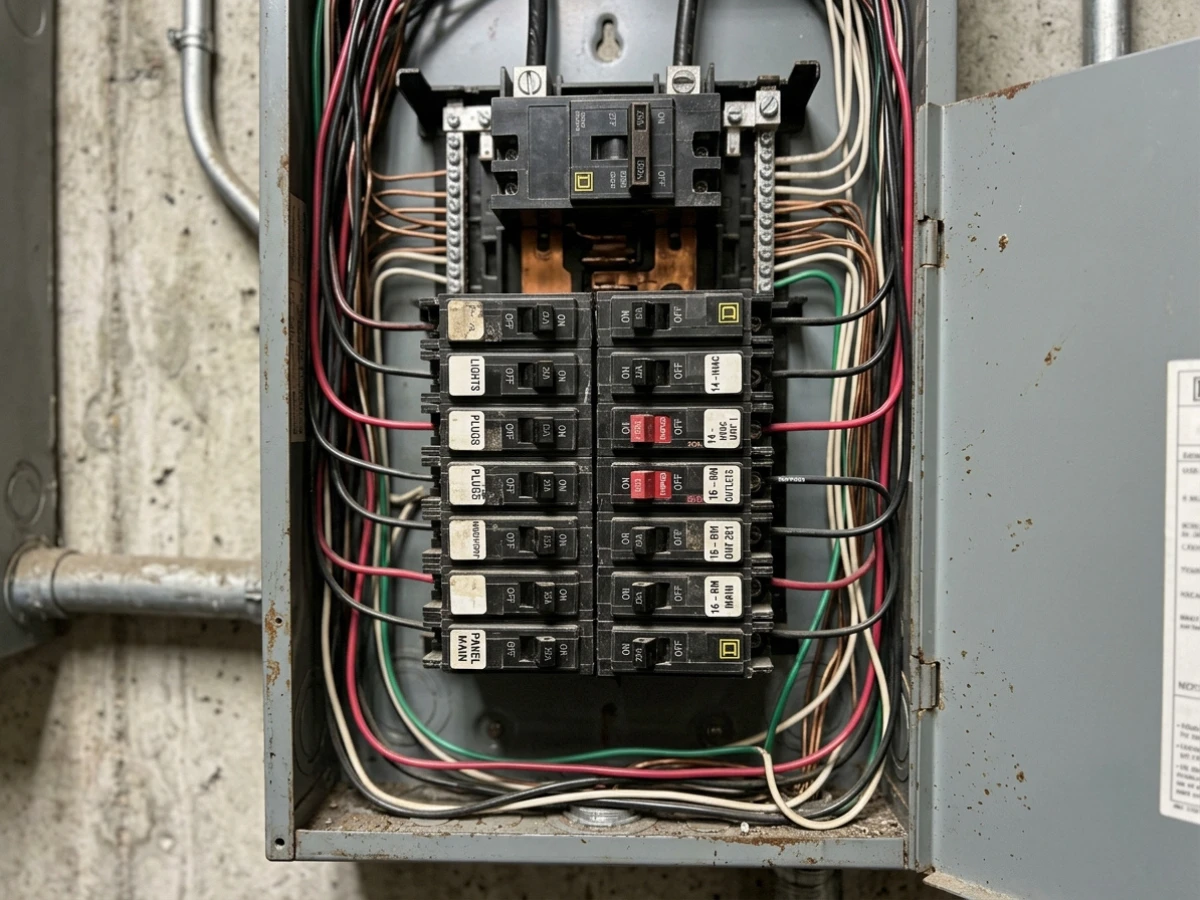
- Locate the Panel: Head to your breaker box (usually in the basement, utility room, or garage). Make sure your hands and the floor you are standing on are completely dry. It’s also best to wear dry, rubber-soled shoes (like sneakers) rather than standing barefoot or in sandals, as rubber provides an extra layer of protection.
- Find the Tripped Breaker: Look for a switch that isn't lined up with the rest. It will usually be resting in the middle position (between "ON" and "OFF"), sometimes showing a small red or orange indicator window.
- The Switch Sequence: Push the tripped breaker firmly to the "OFF" position first. You should hear a distinct click. Then, flip it all the way back to "ON".
- Test the Power: Go back and plug your devices in one by one.
The Golden Rule: If the breaker trips again immediately, do not force it back on. Forcing a breaker to stay on when there is an active fault can cause an electrical fire. It’s time to leave it off and call in a professional to make the needed electrical repairs.
The Culprits: Why Your Circuit Breaker Keeps Tripping
If resetting didn't solve the issue, your system is dealing with one of four common electrical faults. Some are quick fixes, while others require a professional diagnostic visit.
1. Overloaded Circuits
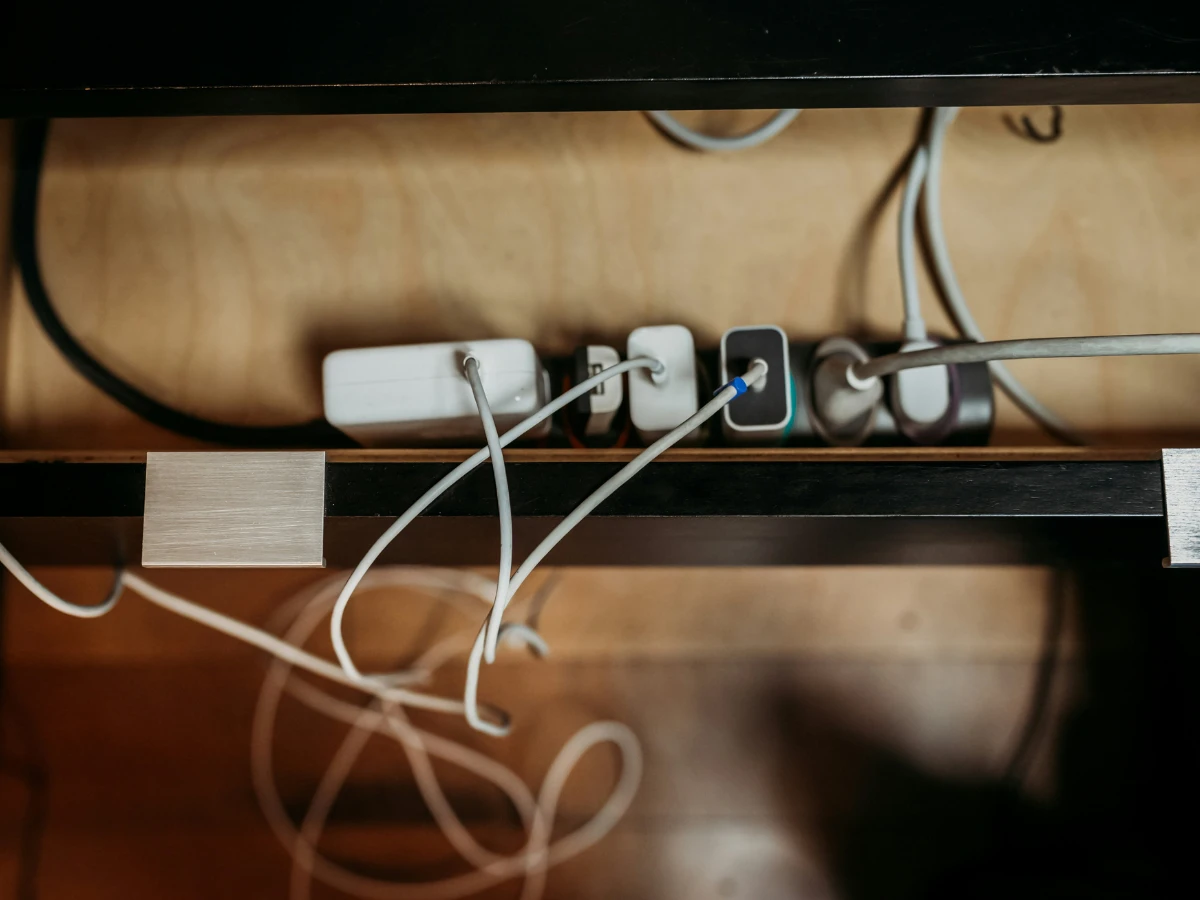
This is the most common reason for a trip, especially in older homes around Minneapolis and St. Paul. An overload happens when you try to draw more electrical current than the circuit is designed to handle. Think of it like trying to squeeze a gallon of water through a straw.
- The Quick Fix: Spread your high-draw appliances across different circuits so they aren't fighting for the same power.
- Long-term Solution: You will need to call a professional for an overloaded electrical circuit repair. Running a brand-new, dedicated line just for those heavy-duty appliances is the recommended long-term fix for this.
2. Short Circuits
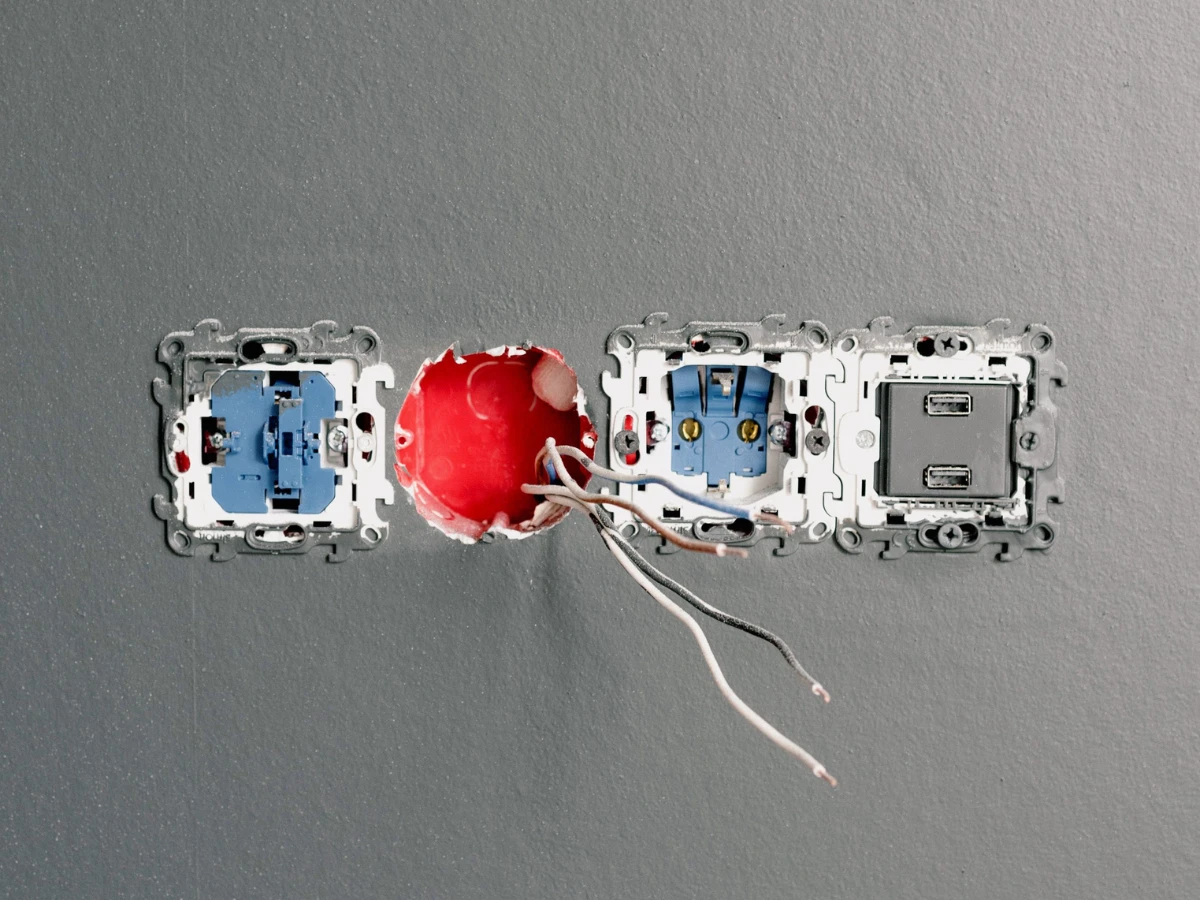
A short circuit is a more serious wiring issue. It occurs when a loose, damaged, or bare active hot wire physically touches a neutral wire. This creates a sudden, massive drop in resistance, causing a huge spike in electrical current.
These issues usually stem from damaged wire insulation (which naturally degrades over time), loose terminal screws on an outlet, or pests like mice chewing through the wiring in your walls or attic. When it occurs, you might notice a popping sound, a burning smell, or a black smudge around an outlet.
- The Fix: This is a fire hazard. Keep the breaker off and call a licensed electrician immediately to trace the damaged wiring and do an
emergency electrical repair.
3. Ground Faults
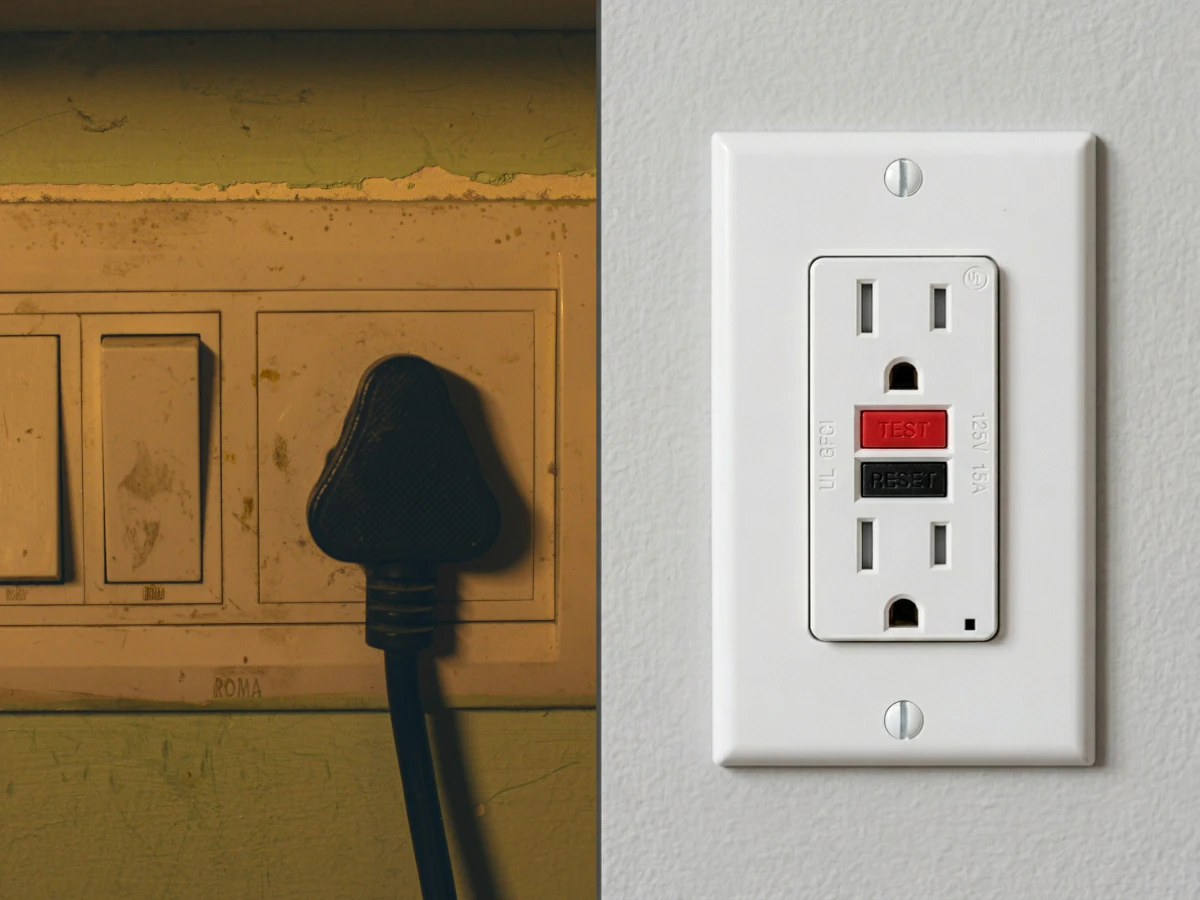
Similar to a short circuit, a ground fault happens when a hot wire comes into contact with a ground wire or the metal side of an outlet box. This is especially common in wet areas like kitchens, bathrooms, and unfinished Minnesota basements.
The Fix: Tracking down a ground fault can be tricky and highly dangerous since electricity is actively looking for a path to the ground (which could easily be you!). You should call a licensed electrician to locate the fault and install GFCI (Ground Fault Circuit Interrupter) protection, either at the outlets or right in your panel.
If you live in an older Twin Cities home with ungrounded wiring, check out our guide on two-prong outlet replacement to learn how we can safely bring your home's outlets up to modern safety standards.
4. Faulty Appliances
Sometimes, the issue isn't with your home’s wiring at all, but what you're plugging into it. If an appliance has a damaged power cord, an internal short circuit, or a motor that is starting to fail and seize up (very common with older refrigerators, space heaters, or vacuums), it will draw a massive surge of power that trips the breaker instantly.
- The Quick Test: Unplug the appliance you suspect is causing the issue and reset the breaker. Plug a different, working device (like a phone charger or a small lamp) into the same outlet. If the outlet works fine and the breaker doesn't trip, your wiring is perfectly fine, and the appliance is the culprit.
- The Fix: Discontinue using the faulty appliance immediately. It will either need to be professionally repaired or replaced entirely.
Signs of a Bad Circuit Breaker
Sometimes, the issue isn’t your home's wiring or your appliances, but the breaker itself. How do you know if your breaker is simply reaching the end of its lifespan or failing due to a manufacturing defect? Look out for these telltale signs:
- The breaker won't stay reset: Even with absolutely nothing plugged into the circuit, the breaker trips immediately when flipped to the "ON" position.
- It trips frequently under light loads: If a breaker keeps popping even when you are only running low-power items (like a single lamp or a phone charger), the internal components have likely just grown weak and worn out over time.
- It’s hot to the touch: If you open your panel door and feel heat radiating from a specific breaker, turn off the main power and call us immediately.
- Burning smells: A distinct fishy or plastic-burning odor coming from your panel is a major red flag indicating melting insulation.
- Physical damage: Look for burn marks, corrosion, or frayed wires around the breaker.
If you are noticing any of these signs of a bad circuit breaker, do not wait for a complete electrical failure or safety hazard. You should immediately call a professional to perform a circuit breaker repair to get your electrical panel back into top, safe condition.
When Is It Time for an Electrical Panel Upgrade?
While replacing a single bad breaker is a straightforward repair, there are times when your entire electrical panel needs to be retired.
1. You Still Have an Outdated Fuse Box or a Dangerous Panel Brand
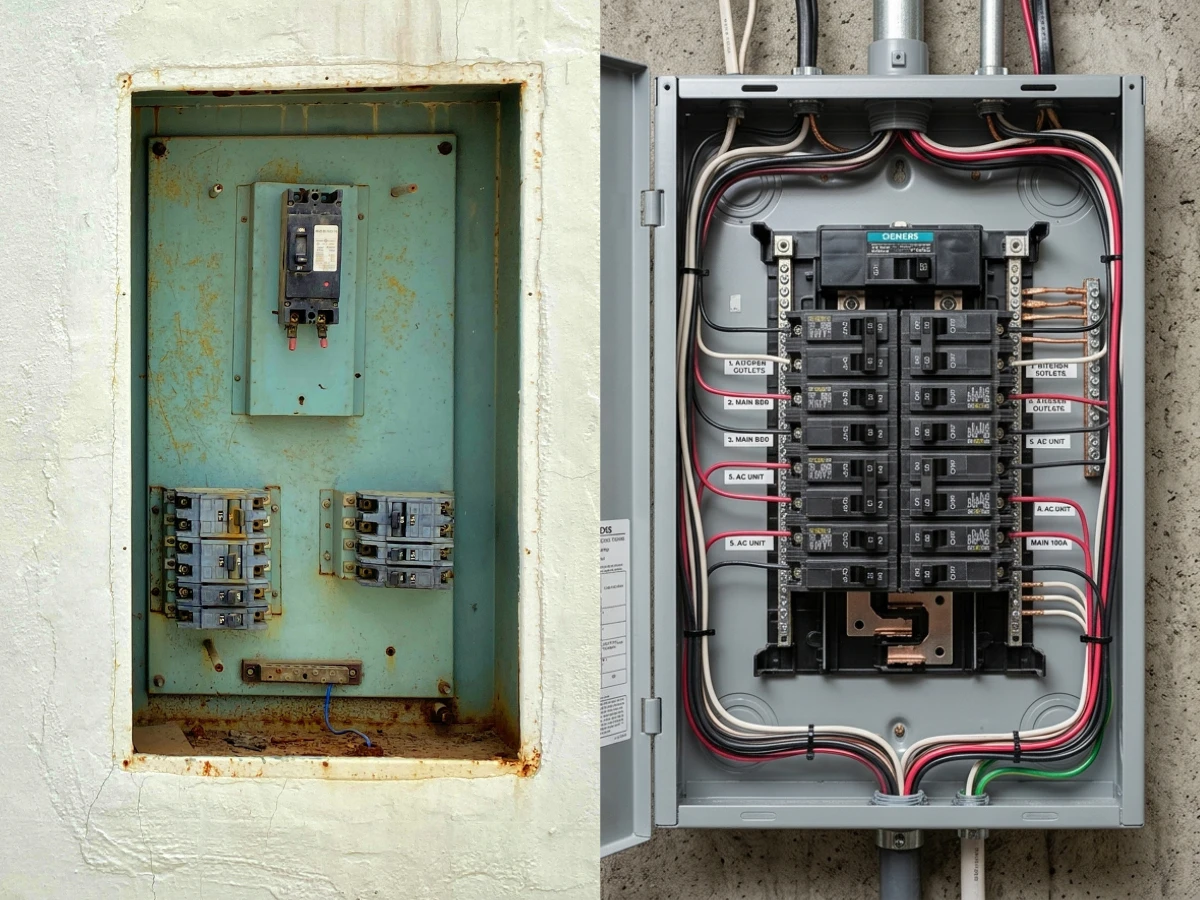
If your home was built before 1970 and still uses screw-in fuses, or if you have an old Federal Pacific Electric (FPE), Zinsco, or Challenger panel, you are sitting on a known fire hazard. These older panels are notorious for failing to trip during an overload, leading to devastating house fires.
2. Your Panel is Hot to the Touch or Smells Singed
If the bus bar inside your panel is damaged or corroded (a common issue in damp Minnesota basements), it can cause severe overheating. If you notice scorch marks or a warm panel, it’s time to upgrade.
3. You’re Constantly Juggling Appliances
If you can’t run your microwave and your coffee maker at the same time without tripping a breaker, your 60-amp or 100-amp panel simply can't keep up with modern life. Upgrading to a modern 200-amp service panel gives your home the capacity to run smart appliances, central air, and even an EV charger installation down the road.
If any of these warning signs sound familiar, don't wait for your electrical issues to turn into an emergency. Scheduling an electrical panel upgrade is the ultimate way to bring your home into the modern age, keeping your family safe and ensuring you have all the power you need.
Keep Your Twin Cities Home Safe with Loch Monster Electric
At Loch Monster Electric, we treat your home like our own. Whether you're dealing with a frustrating circuit breaker, need an urgent repair, or are ready to schedule a comprehensive breaker box replacement in the Twin Cities area, our team of friendly, experienced electricians is ready to help.
Don't live in the dark or risk your family's safety with faulty wiring. Give us a call today or visit Loch Monster Electric to schedule your residential electrical safety inspection!
Frequently Asked Questions
If a breaker trips instantly with absolutely nothing plugged into the outlets, you are likely dealing with a severe short circuit, an active ground fault, or a completely failed breaker. Keep the breaker in the "OFF" position and call a licensed electrician to safely diagnose and repair the fault.
Resetting a breaker is a safe DIY task. However, replacing a breaker, investigating a short circuit, or performing a panel replacement requires specialized diagnostic tools and a deep understanding of electrical codes. Working on a live electrical panel carries a high risk of severe shock or electrocution. Always leave these jobs to a licensed master electrician.
Heating and cooling units draw massive amounts of electricity when they start up. If your HVAC system is on a shared circuit, or if the unit's motor is failing and drawing more power than it should, it will trip the breaker. This requires an immediate professional checkup to protect your HVAC compressor from burning out.
On average, a standard circuit breaker lasts between 20 and 30 years. However, harsh environments (like high humidity in a basement or extreme temperature swings in a garage) can shorten their lifespan.