
Your Complete Electrical Inspection Checklist: What Home Inspectors Look For
Updated: Sep 7, 2026
This guide explains every part of a residential electrical inspection, from service panels and wiring to GFCI/AFCI protection, grounding, smoke detectors, permits, inspection costs, and common problems found in older Twin Cities homes. Learn what inspectors look for, how to prepare your home, and when professional repairs are necessary.
The Complete Electrical Inspection Checklist: Every System Home Inspectors Evaluate
Whether you're buying, selling, or maintaining a home, an electrical inspection helps identify safety hazards and code issues before they become expensive problems. Home inspectors perform a visual assessment of your home's electrical system to ensure it operates safely and meets current standards.
If you're buying or selling a home, own an older property, or simply want peace of mind about your electrical system, the team at Loch Monster Electric (LME) is here to help. Call 763-292-1191 to schedule a residential electrical inspection, and our licensed electricians will identify potential safety concerns, explain your options, and help ensure your home is ready for inspection.
Here's what they typically inspect:
Service panel
- Proper panel size and amperage
- Signs of corrosion or overheating
- Correct breaker labeling
- Double-tapped breakers
- Evidence of improper modifications
Wiring
- Damaged or exposed wiring
- Outdated wiring systems
- Loose electrical connections
- Evidence of amateur electrical work
Outlets and switches
- Working receptacles
- Proper grounding
- Loose or damaged outlets
- Correct polarity
- Two-prong versus three-prong outlets
GFCI protection
Inspectors verify Ground Fault Circuit Interrupter (GFCI) outlets are installed and functioning correctly in required locations such as:
- Kitchens
- Bathrooms
- Garages
- Outdoor outlets
- Basements
- Laundry rooms
AFCI protection
Arc Fault Circuit Interrupter (AFCI) protection helps prevent electrical fires and is checked where required by current electrical code.
Grounding and bonding
Inspectors confirm the home's electrical system is properly grounded to reduce shock and fire risks.
Smoke and carbon monoxide detectors
Inspectors verify detectors are installed in appropriate locations and appear operational.
Visible junction boxes
All electrical junction boxes should remain accessible and have proper cover plates installed.
Although home inspectors perform a thorough visual inspection, they do not dismantle electrical equipment or certify the entire electrical system. If concerns are found, they often recommend further evaluation by a licensed electrician.
Minnesota Electrical Code Basics Every Twin Cities Homeowner Should Know
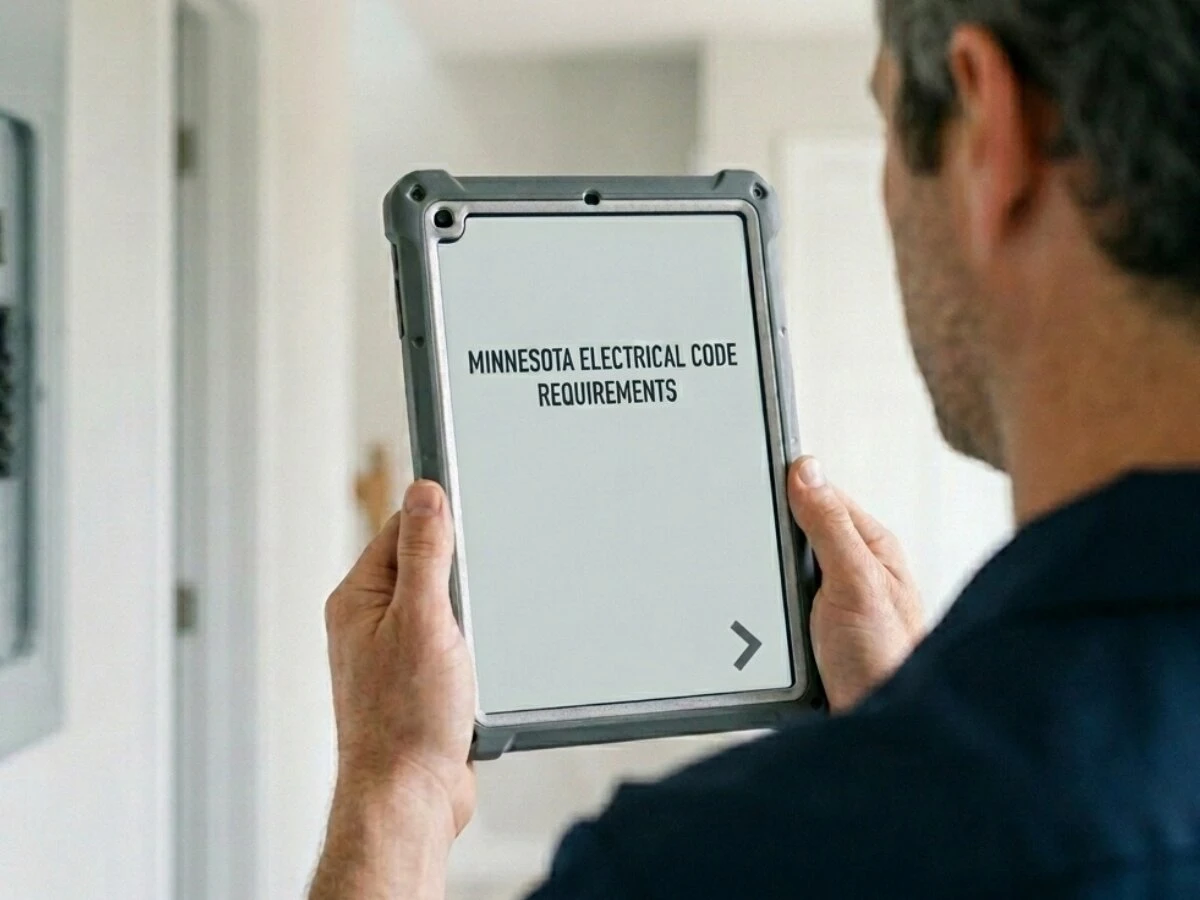
Electrical inspections in Minnesota follow the Minnesota State Electrical Code, which is based on the National Electrical Code (NEC) with state-specific amendments.
The Minnesota Department of Labor and Industry oversees electrical licensing and inspection standards, while permits and inspections are typically administered through the local Authority Having Jurisdiction (AHJ), such as your city or county.
Only qualified professionals are permitted to perform certain electrical work under Minnesota law. While homeowners may complete limited electrical work on their own property under specific circumstances, permits and inspections are often required for larger projects.
Understanding these regulations helps homeowners appreciate why inspectors focus on safety, code compliance, and proper installation—not simply whether the lights turn on.
Aging Wiring Red Flags: What Inspectors Target in Older Minneapolis–St. Paul Homes
Many homes throughout Minneapolis and St. Paul were built decades ahead of today's electrical demands. During inspections, older wiring systems receive extra attention because they may no longer meet modern safety expectations.
Common concerns include:
- Knob-and-tube wiring: Many Minneapolis bungalows built before the 1950s still contain knob-and-tube wiring, while homes in some St. Paul neighborhoods may have aluminum branch wiring installed during the 1960s and 1970s.
- Aluminum branch wiring: Common in homes built during the 1960s and 1970s, aluminum wiring expands and contracts more than copper, potentially creating loose connections that increase fire risk.
- Ungrounded two-prong outlets: Older homes may still contain ungrounded outlets that cannot safely support many modern electronics.
- Overloaded circuits: Homes originally designed for fewer electrical appliances may have circuits carrying more load than intended.
These conditions don't always require immediate replacement, but they often warrant further evaluation by a licensed electrician.
Service Panel Inspection: What Inspectors Look for in Your Electrical Box
The electrical service panel acts as your home's power distribution center. Because nearly every circuit originates here, inspectors examine it carefully.
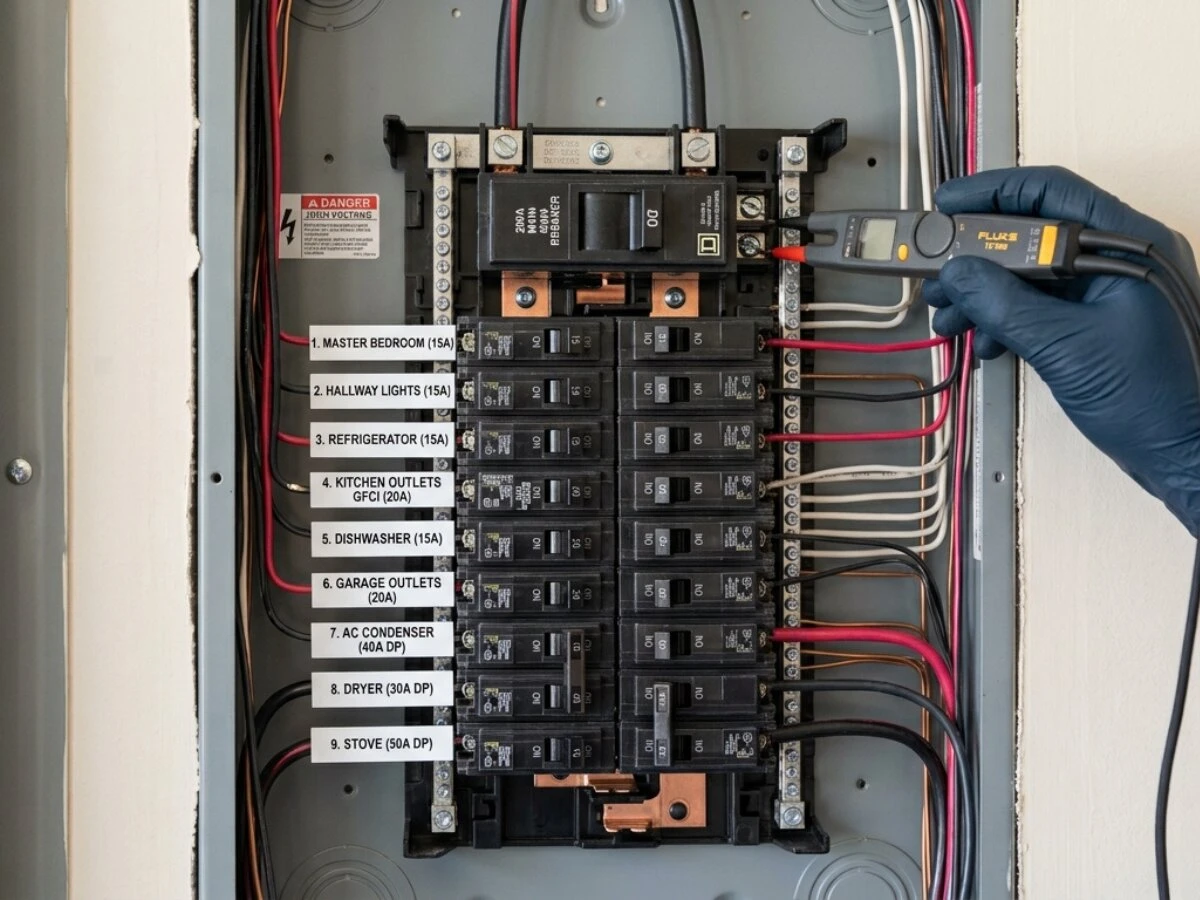
They look for:
- Adequate amperage for today's electrical demands
- Proper breaker sizing
- Double-tapped breakers
- Corrosion or moisture damage
- Burn marks or overheating
- Missing knockout covers
- Unsafe wiring modifications
- Manufacturer recalls involving older panel brands
- Overall condition and remaining service life
If deficiencies are identified, repairs or panel replacement may be recommended before a property sale can proceed.
GFCI and AFCI Requirements: Where Minnesota Code Mandates Protection in 2026
Modern electrical codes require specialized safety devices that reduce the risk of shock and electrical fires.
GFCI protection is commonly required in:
- Bathrooms
- Kitchens
- Garages
- Outdoor receptacles
- Basements
- Crawl spaces
- Laundry areas
AFCI protection is commonly required for:
- Kitchens
- Laundry rooms
- Bedrooms
- Living rooms
- Family rooms
- Dining rooms
- Hallways
- Similar living spaces
Homes built before these code requirements may not require upgrades unless significant renovations are performed. However, inspectors often recommend adding protection wherever practical to improve safety.
Electrical Inspection Costs in the Twin Cities Metro: What to Budget
Inspection costs vary depending on the property's age, size, and the scope of the inspection.
Typical price ranges include:
- General home inspection (including electrical): approximately $350–$700
- Licensed electrician inspection: approximately $200–$500
- Panel-specific inspection: approximately $150–$300
Older homes or properties with multiple electrical concerns may require more comprehensive evaluations.
Homeowners should also check whether local utility providers such as Xcel Energy or CenterPoint Energy currently offer rebates or energy-efficiency incentives before beginning electrical upgrades.
When a MN Electrical Permit Is Required and How the Local Process Works
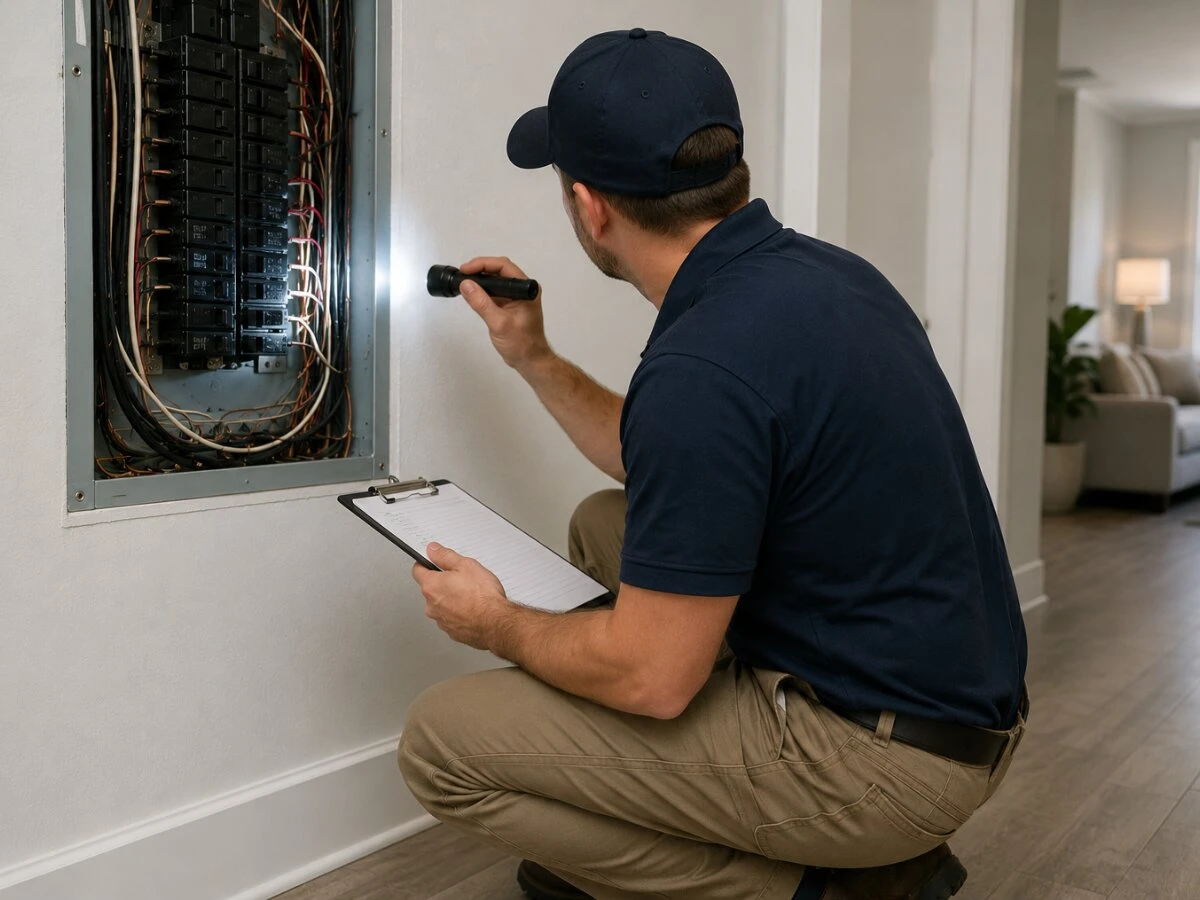
Certain electrical repairs and upgrades require permits under Minnesota law.
Projects that commonly require permits include:
- Service panel replacement
- New circuits
- Major rewiring
- Service upgrades
- New electrical installations
Permit applications are generally submitted through the local city or county building department.
Inspectors also pay close attention to evidence of unpermitted electrical work. DIY modifications that don't meet code standards may need to be corrected before a home sale can move forward.
Working with a licensed electrician helps ensure repairs are properly permitted, inspected, and compliant.
What Happens After a Failed or Flagged Electrical Inspection
Not every inspection issue requires a repair or replacement.
Some findings are simply maintenance recommendations, while others represent serious safety concerns requiring prompt attention.
After receiving the inspection report, homeowners should:
- Review all findings carefully.
- Prioritize safety-related repairs.
- Obtain quotes from licensed electricians.
- Complete recommended repairs.
- Schedule a re-inspection if required.
During a home sale, buyers and sellers often negotiate repair credits or require repairs before closing. Addressing electrical issues early helps avoid delays and unexpected costs.
When to Hire a Licensed MN Electrician Before Your Inspection (Not After)
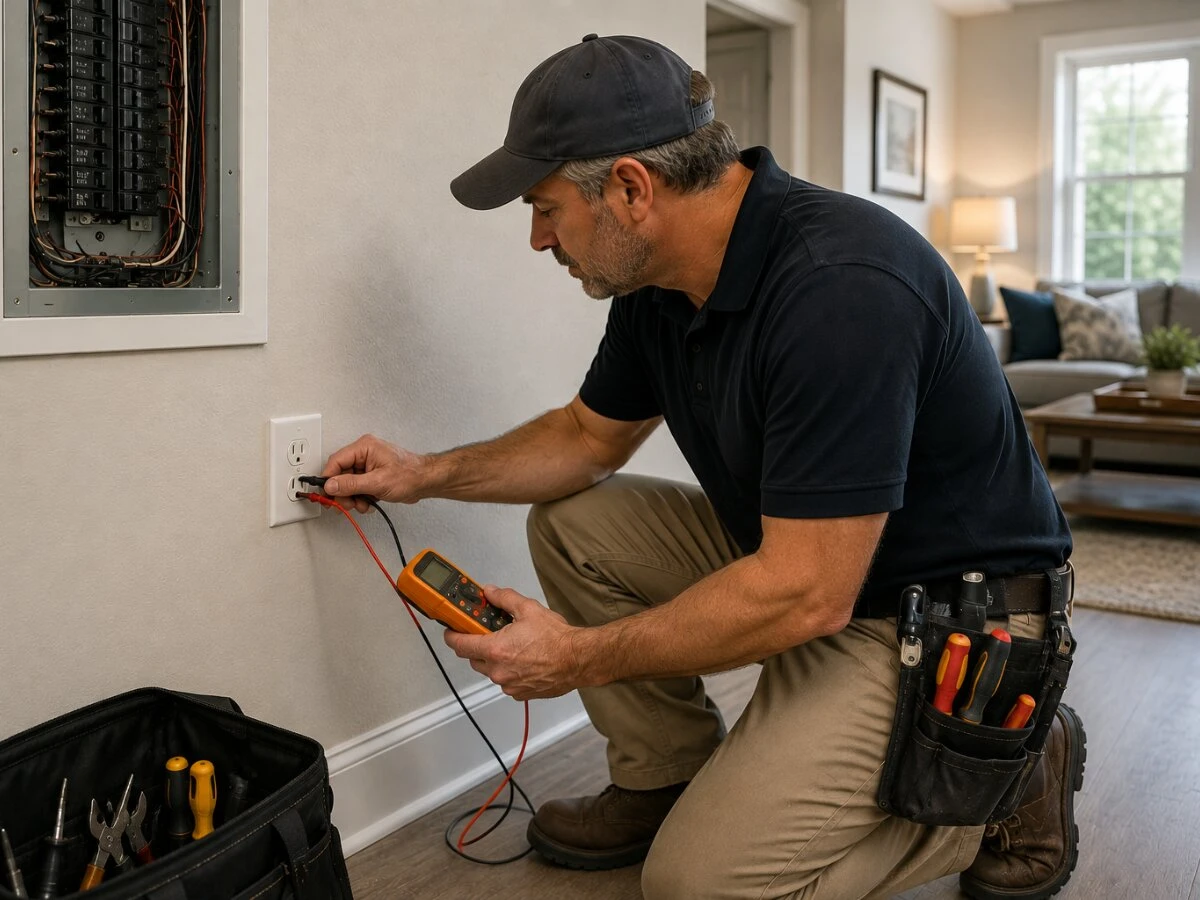
A pre-inspection by a licensed electrician can identify problems before an official home inspection takes place.
Professional electricians can:
- Diagnose hidden electrical issues
- Test circuits beyond a visual inspection
- Recommend code-compliant repairs
- Upgrade outdated components
- Help prepare your home for sale
This is especially valuable for older Minneapolis–St. Paul homes that may contain aging wiring or outdated electrical panels.
Rather than waiting for an inspection report to reveal costly surprises, scheduling an electrician beforehand can provide peace of mind and make the entire buying or selling process much smoother.
Key Takeaway
Understanding what home inspectors look for during an electrical inspection can help Twin Cities homeowners identify potential issues before they become costly repairs or safety hazards. By staying informed about Minnesota's electrical code requirements, recognizing the warning signs of aging wiring, and addressing problems proactively, homeowners can improve their property's safety, simplify the buying or selling process, and avoid unexpected delays. When in doubt, partnering with a licensed electrician ensures your home's electrical system remains safe, compliant, and ready for inspection.
Frequently Asked Questions
The cost of a residential electrical inspection in the Twin Cities depends on the size, age, and condition of the property, as well as the scope of the inspection. A general home inspection that includes an electrical evaluation typically costs between $350 and $700, while a dedicated inspection by a licensed electrician may range from $200 to $500. Older homes or properties with known electrical issues may require more detailed assessments, which can increase the overall cost.
Older homes in Minneapolis and St. Paul often have outdated electrical systems that no longer meet modern safety standards. Common issues include: Knob-and-tube wiring Aluminum branch wiring Ungrounded two-prong outlets Overloaded circuits Double-tapped breakers Outdated electrical panels Missing GFCI protection Evidence of unpermitted or DIY electrical work These issues may require further evaluation or repairs by a licensed electrician.
Many electrical repairs and upgrades require a permit under Minnesota law, particularly projects involving service panel replacements, new circuits, major rewiring, or service upgrades. Minor repairs may not require permits, but homeowners should always check with their local Authority Having Jurisdiction (AHJ) or consult a licensed electrician to ensure all work complies with Minnesota's electrical code requirements.
A home inspector performs a visual evaluation of the home's electrical system to identify visible safety concerns, defects, and potential code issues. A licensed electrician conducts a more detailed assessment that may include diagnostic testing, troubleshooting, load calculations, and recommendations for repairs or upgrades. If a home inspector identifies electrical concerns, they will often recommend a licensed electrician for further evaluation.
Not necessarily. Many older Minnesota homes still contain knob-and-tube wiring, and its presence does not automatically prevent a home sale. However, because it lacks modern grounding and may have deteriorated over time, buyers should have the system evaluated by a licensed electrician. Depending on its condition, repairs or replacement may be recommended to improve safety and meet current electrical needs.
The length of an electrical inspection varies depending on the size, age, and complexity of the property. In most cases, a residential electrical inspection takes one to three hours. Larger homes or those with older electrical systems may require additional time if inspectors identify areas that need closer examination.
Homeowners should consider scheduling a professional electrical inspection every three to five years, particularly if they live in an older home or have recently completed renovations. Additional inspections are recommended before buying or selling a property, after significant electrical upgrades, or whenever signs of electrical problems—such as flickering lights, frequently tripped breakers, or burning odours—are noticed.