Why White Bear Lake Homeowners Shouldn't Skip an Electrical Inspection in 2026
Updated: Oct 13, 2026
A complete guide to electrical inspections in White Bear Lake, MN. Covers what a licensed electrician checks, local pricing, common red flags in older homes, Minnesota code and permit rules, pre-renovation and pre-sale inspections, and what happens after your report is in hand.
If your White Bear Lake home still has its original wiring, there's a good chance it's older than you think. Between aging panels, aluminum wiring, and decades of added appliances, a lot of local homes are carrying more electrical load than they were ever built to handle.
A professional inspection is the easiest way to find out where you stand before a small issue turns into a big one. That's where Loch Monster Electric comes in. We're a licensed electrical contractor serving White Bear Lake and the greater Twin Cities metro. In this guide, we'll walk you through what an inspection actually covers, what it costs, the red flags we find most often in local homes, and what to do once your report is in hand.
Ready to get inspected? Call us today on 763-292-1191 to schedule your inspection, or fill our contact form to let us know what you need.
Why White Bear Lake Homes Make Electrical Inspections a Priority Right Now
Most homes around White Bear Lake went up between the 1940s and the 1970s. That's a wide window, and it covers some electrical practices that just don't hold up anymore:
- Knob-and-tube wiring: This is common in older homes, but was never designed for today's power demands.
- Aluminum branch circuits: This wiring is prone to loosening at connections over time.
- Undersized 60 to 100 amp panels: These panels are built for a much lighter electrical load than most households pull today.
None of this was wrong at the time. It just wasn't built for the world we live in now. Think about how much more power a household needs today with streaming devices, EV chargers, space heaters, and a kitchen full of countertop appliances. And these all draw from a power supply that, in a lot of cases, hasn't been upgraded since Nixon was president.
That gap between what the panel was built for and what it's actually powering is where problems start. These problems show up in places like:
- Bellaire Beach and the streets near the Mahtomedi border: These often carry mid-century wiring that's never been fully updated.
- The lake-cottage corridors near White Bear Lake: Many of those properties started as seasonal cabins before being converted into year-round homes, sometimes without a full electrical upgrade to match.
An inspection tells you exactly what you're working with, instead of guessing.
What a Professional Electrical Inspection Actually Covers (Panel to Outlets)
A real electrical inspection is a full walkthrough of your home's system, not a quick glance at the breaker box. Here's what a licensed electrician actually checks:
- Service entrance: the point where power enters your home, including the mast, meter socket, and the wiring running to your main panel. We check it for damage and make sure the connections are solid.
- Main panel and breakers: amperage rating, breaker sizing, double-tapped breakers, and signs of overheating or corrosion.
- Grounding and bonding: making sure your system safely sends fault current away from you and your home.
- Branch circuits: wiring condition, loose connections, and whether circuits are carrying more load than they should.
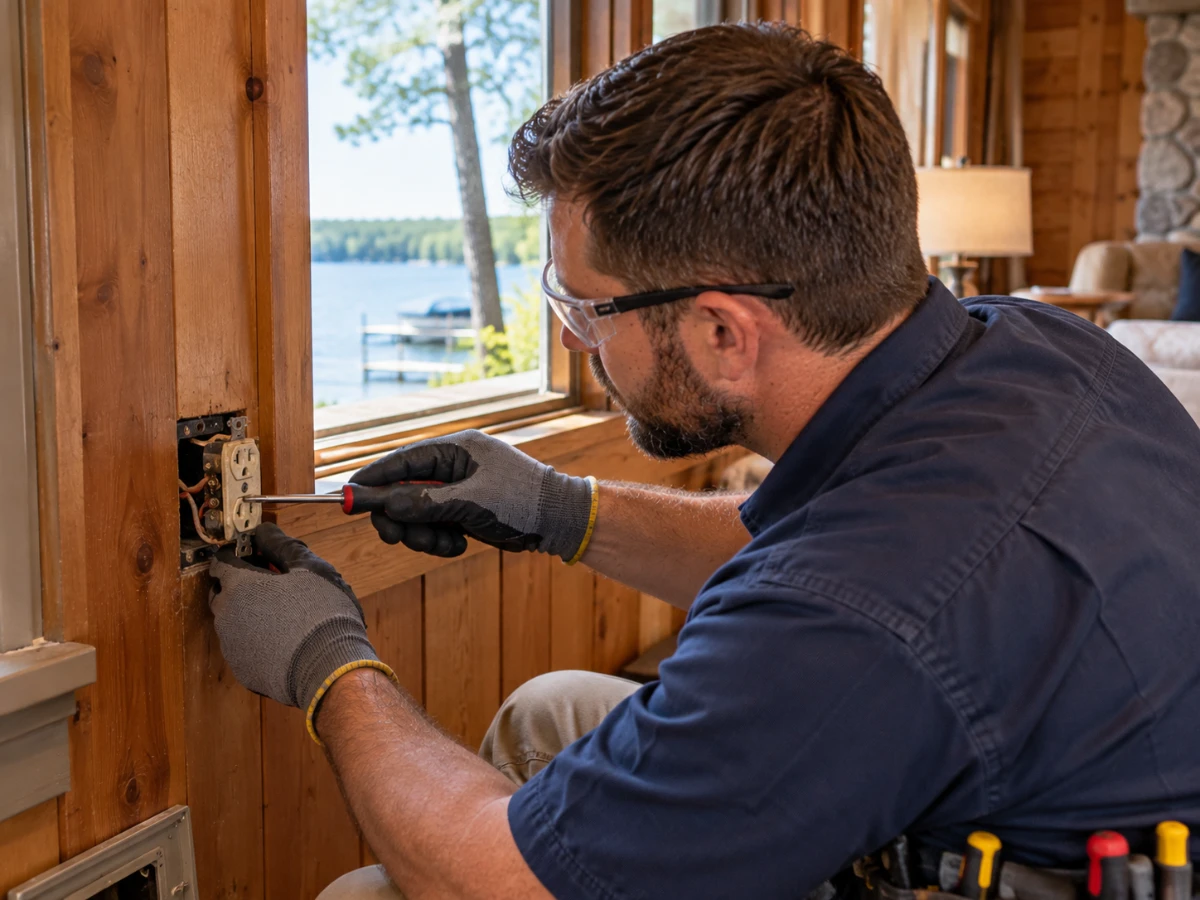
- GFCI and AFCI protection: checking that these safety devices are installed and working in kitchens, bathrooms, garages, and other required spots. We also flag two-prong outlets that are missing GFCI or AFCI protection.
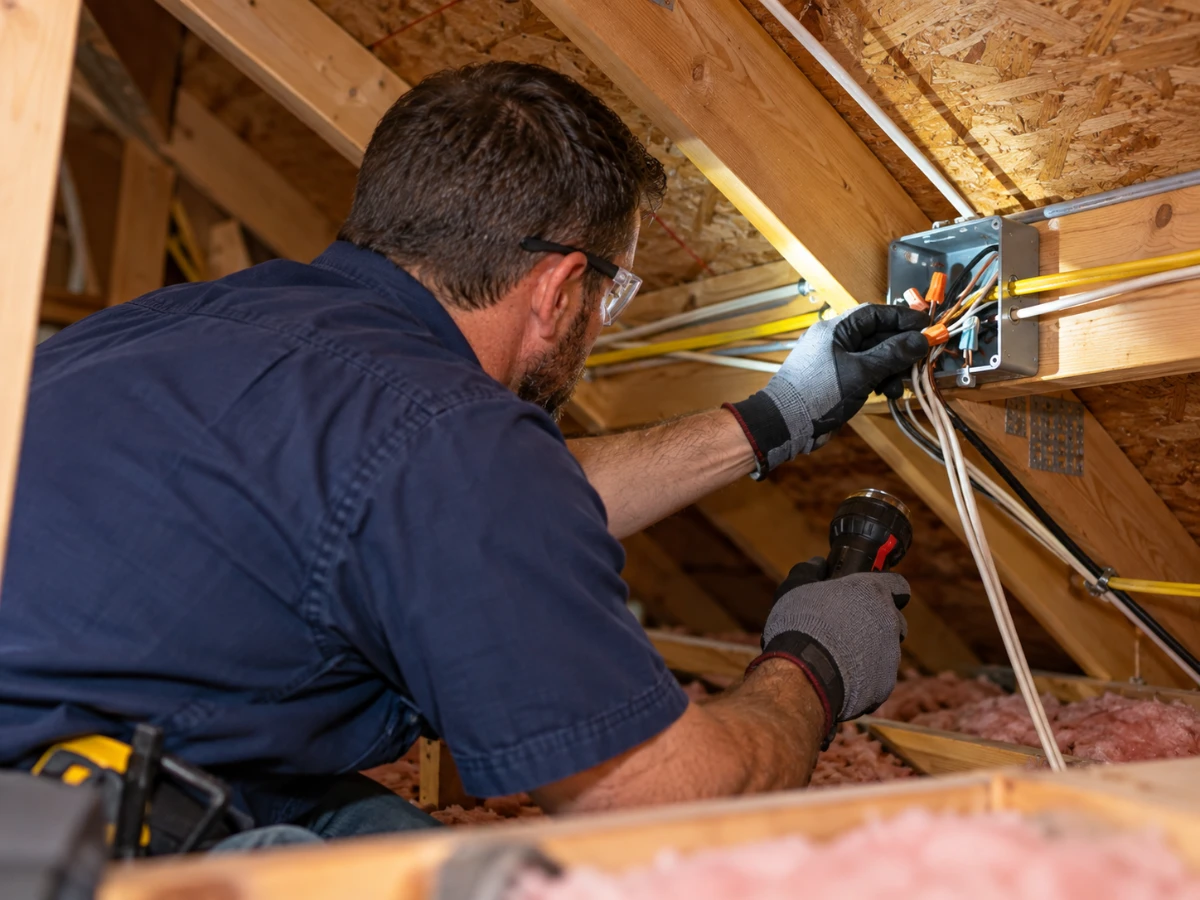
- Visible wiring in attics and basements: looking for exposed splices, damaged insulation, outdated wiring types like knob-and-tube or aluminum, and amateur repairs.
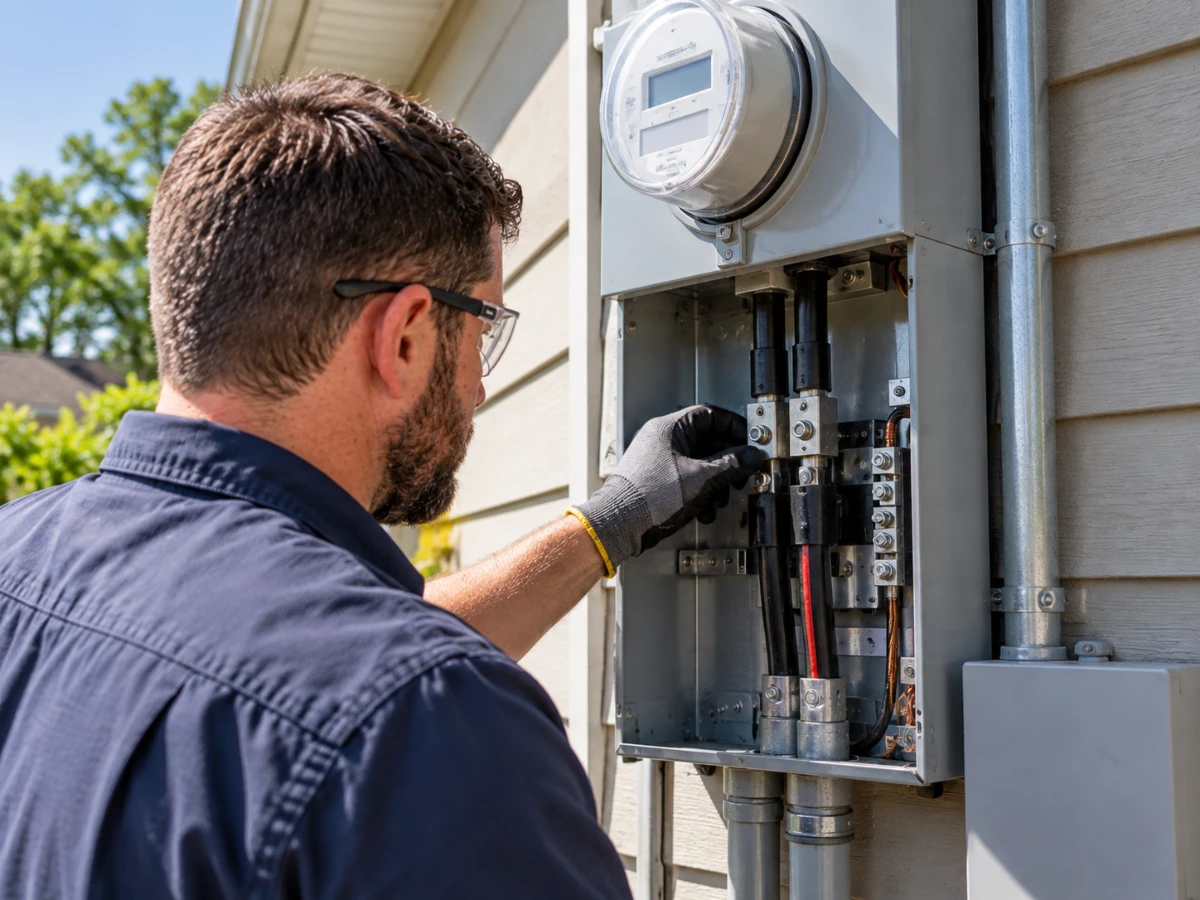
Loch Monster Electric’s electrical inspections cover every one of these systems, from the utility mast to the last outlet on the circuit.
Electrical Inspection Costs in White Bear Lake
A standard residential electrical inspection through Loch Monster Electric typically runs $360 to $550, depending on your home's size, age, and how easy the panel and wiring are to access.
A few things that move the price:
- Square footage: bigger homes simply take longer to inspect.
- Home age: pre-1990 homes often mix generations of wiring, which adds diagnostic time.
- Number of panels: a home with an original panel plus a basement subpanel takes longer to document.
- Attic or crawl space access: tight or finished spaces slow things down
For a deeper cost breakdown across the whole metro, read our residential electrical inspections cost guide which goes through what drives the pricing up or down.
Red Flags Electricians Find Most Often in White Bear Lake Homes
Given the age of housing stock in this area, a few issues show up again and again during inspections.
Federal Pacific and Zinsco Panels
These panel brands have a long history of breakers that fail to trip when they should, which creates a real fire risk. They haven't been formally recalled, but they're widely known in the trade for this failure pattern, and most electricians recommend replacement rather than repair.
Ungrounded Two-prong Outlets
Common in homes built before grounding was standard, these outlets can't safely handle a lot of modern electronics and surge protectors.
Aluminum Wiring On 15/20-Amp Branch Circuits
Aluminum wiring from the 1960s and 70s expands and contracts more than copper. Over time, that movement can loosen connections at outlets and switches, creating heat buildup behind the wall.
DIY Junction Box Work Done Without Permits
Unpermitted work is one of the most common findings in older White Bear Lake homes with a finished basement. It's not always dangerous, but it does need to be checked and often corrected before a sale or insurance renewal can move forward.
Ramsey County home insurers are paying closer attention to all four of these issues. It's becoming more common for a policy renewal or new application to get flagged, or even denied, until a licensed electrician signs off on the system.
Our electrical inspection checklist breaks down every item on this list in more detail, along with what inspectors look for at each stage.
Why Minnesota Code Requires an Electrical Inspection Before You Renovate
According to Minnesota's State Electrical Act, a licensed electrical contractor has to pull the permit, do the work, and pass an inspection before the project counts as done. Homeowners can sometimes do limited work themselves on a home they own and live in, but the rule is the same: the work isn't complete until it's been inspected and passed.
Here's where people get confused. That inspection can come from either the Minnesota Department of Labor and Industry (DLI) or the local Authority Having Jurisdiction (AHJ). White Bear Lake is its own AHJ. That means inspections here go through a contracted electrical inspector working for the city, not through Ramsey County or the state.
One thing worth knowing before you renovate: old wiring you don't touch usually doesn't need to pass a current-code inspection just because it's old. If you leave it alone, it can generally stay as it is. However, the moment you add a new circuit or change existing wiring, that work has to meet the current Minnesota Electrical Code.
This is exactly why a pre-renovation inspection matters. A licensed electrician can tell you what's grandfathered in and what will trigger a code inspection, before your project is already underway.
The Benefits of a Pre-Renovation Electrical Inspection
Kitchen remodels, basement finishes, EV charger installations, and hot tub wiring are the most common electrical projects that send White Bear Lake homeowners looking for an inspection. Getting one done before the work pays off in a few key ways:
- You know your true budget upfront: An inspection before you start tells you exactly what needs to be upgraded as part of the project, so it's built into your budget from day one instead of showing up as a surprise invoice later.
- You avoid mid-project surprises: Once you open up walls or add new circuits, that work has to meet current code, even if the rest of the house doesn't. Finding this out before demolition means no scrambling to solve a problem once the walls are already open.
- You catch capacity issues before they stall your project: Adding an EV charger or a hot tub without checking the panel first can mean discovering, mid-install, that it can't support the new load.
- You avoid a failed re-inspection: Skipping this step is how homeowners end up failing a DLI or city re-inspection after the drywall is already closed up, which means tearing it back open to fix the problem.
- You know what's still fine to leave alone: A licensed electrician can tell you exactly what's grandfathered in versus what your renovation will pull into current code, so there's no guessing once the project starts.
Planning a remodel? Our home renovation electrical guide breaks down the safety and compliance requirements to know before you start.
The Benefits of a Pre-Sale Electrical Inspection
Real estate is one of the biggest reasons homeowners look for an electrical inspection. The benefits are a little different depending on which side of the deal you're on.
For Sellers:
- You control the story: A pre-listing inspection finds problems before a buyer's inspector does. That way, you're the one offering the fix, not reacting to a surprise.
- You protect your asking price: Minnesota law requires sellers to disclose known issues. Fixing or disclosing problems early, instead of negotiating under pressure at closing, helps protect your price and your timeline.
For Buyers:
- You get a deeper look than a general inspection gives you: A home inspector checks your electrical system visually as part of a much bigger list. A licensed electrician goes further. They open panels, test circuits, and flag anything that could turn into a repair cost or a bargaining point.
- You gain leverage before you sign: Findings from an electrical inspection can become part of your negotiation, whether that means a lower price or repairs before closing.
In a fast-moving market like White Bear Lake's, where lake-adjacent and lake-cottage-style homes tend to sell quickly, having your electrical paperwork ready before you list can mean the difference between a smooth closing and a delayed one.
What Happens After the Inspection: Repair Timelines and Next Steps
Once your inspection wraps up, you'll get a written report that breaks findings into three buckets:
- Immediate safety hazards: These are the things that need attention right away, like exposed wiring or a failing panel.
- Code-compliance items: These are not dangerous today, but are required to meet current standards if you're renovating or selling.
- Recommendations: Nice-to-haves that improve safety or convenience but aren't urgent.
If your project needs a permit pulled, Loch Monster Electric can handle that on your behalf, so you're not stuck doing city paperwork on your own. Once repairs are complete, scheduling a re-inspection with the same electrician who did the original work usually speeds things up, since they already know your panel and permit history.
Ready to Schedule Your White Bear Lake Electrical Inspection?
White Bear Lake's mix of mid-century ramblers, lake cottages, and updated family homes means that no two inspections look exactly alike, and that's exactly the kind of local knowledge that matters. Loch Monster Electric inspects homes across the Twin Cities metro, from White Bear Lake to New Brighton, Mounds View, and Maplewood, and we know what to expect from this area's housing stock.
Give us a call at 763-292-1191 to schedule your inspection today!
Frequently Asked Questions
No, you don't need a permit just to have an inspection done. Permits come into play if the inspection turns up work that needs to be repaired or upgraded. White Bear Lake handles its own electrical permitting through the city's Building Department rather than routing standard residential permits through Ramsey County.
Flickering lights, warm outlets, breakers that trip often, a burning smell, or a panel that's still your home's original from the 1960s or 70s are all signs it's time to call someone. If your home hasn't been inspected in over 10 years, that's also a good trigger on its own.
Not quite. A general home inspector gives your electrical system a visual review as part of a much broader home inspection. A licensed electrician goes further, opening panels, testing circuits, and checking things a visual walkthrough simply can't catch.
Sometimes. Depending on the extent of the aluminum wiring and its condition, some homes can be corrected with connector repairs at outlets and switches rather than a full rewire. A licensed electrician can tell you which approach fits your home after taking a look.