
Is Your Outlet Not Working? Here's What Loch Monster Electric Will Check First
Updated: Oct 5, 2026
Wondering why your outlets suddenly stopped working? This guide walks Twin Cities homeowners through the first troubleshooting steps, including checking GFCI outlets, resetting circuit breakers, and identifying common causes of dead outlets. Learn when it's safe to fix the problem yourself, when Minnesota electrical code requires a licensed electrician, and the warning signs that mean it's time to stop troubleshooting and call a professional.
When an outlet stops working, the cause may be as simple as a tripped GFCI or breaker. It can also point to a loose connection, damaged wiring, or a fault elsewhere on the same circuit. But you sure need an outlet repair.
Loch Monster Electric (LME) can trace the circuit, identify where power is being lost, and determine whether the problem is a simple repair or a larger electrical safety issue. Call 763-292-1191 to schedule service.
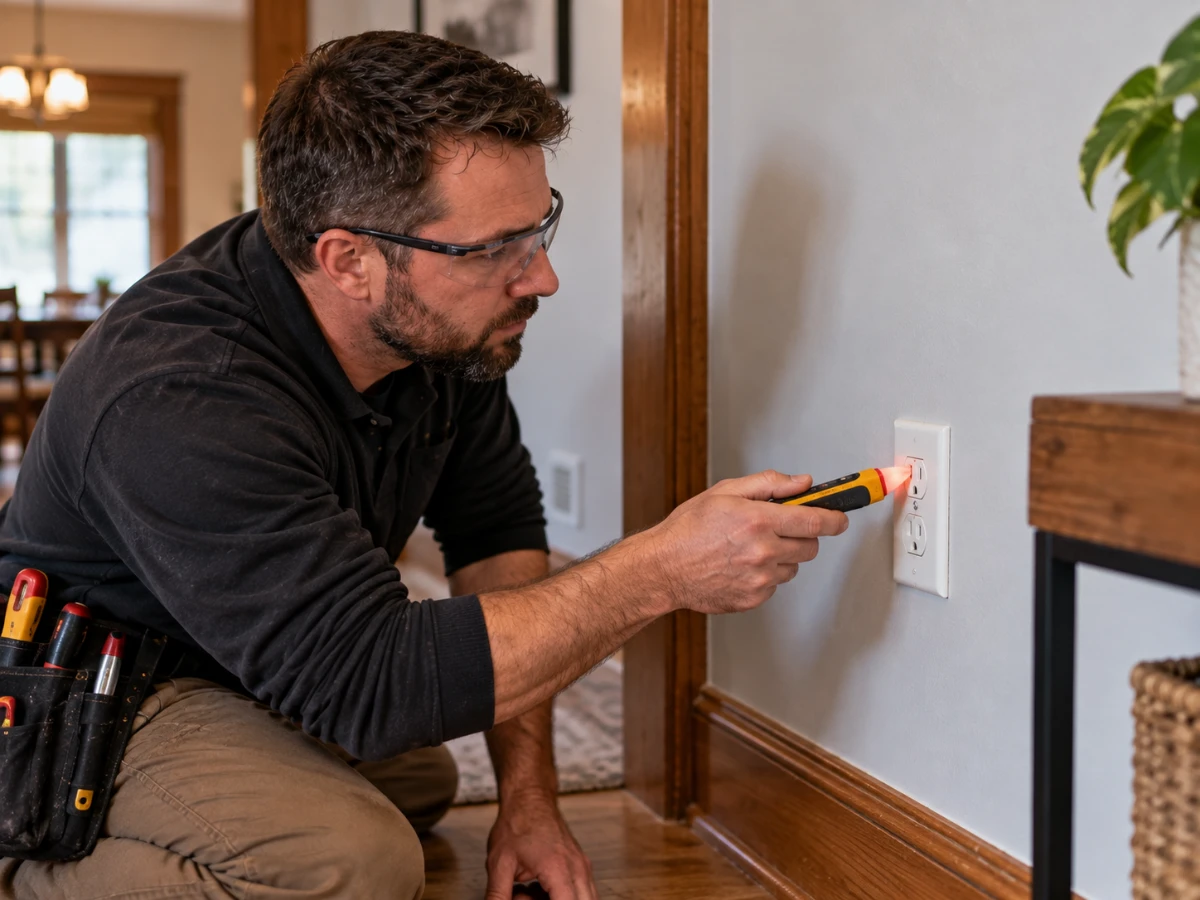
How Loch Monster Electric Diagnoses a Dead Outlet On-Site
If you have an outlet not working, start with the basic checks covered in our previous guide, “Outlets Not Working? What to Check Before You Call.” Reset the GFCI, check the breaker panel, and test the receptacle with another device. If those steps do not restore power, it is time to look beyond the outlet itself.
A dead outlet does not necessarily mean the receptacle itself has failed. The fault can be somewhere between the outlet and the circuit box, so replacing the visible outlet without testing the circuit can leave the actual problem unresolved.
We start by testing the receptacle to determine whether voltage is reaching the device. This helps establish whether the problem is at the outlet or elsewhere in the circuit.
The electrician then traces the path from the circuit box to the outlet to identify where the power interruption occurs. That can include checking:
- The breaker supplying the circuit
- GFCI devices that may be protecting the outlet from another location
- Connections at nearby receptacles, switches, and electrical boxes
- Wiring for loose, damaged, or improperly terminated connections
- The condition and configuration of the receptacle itself
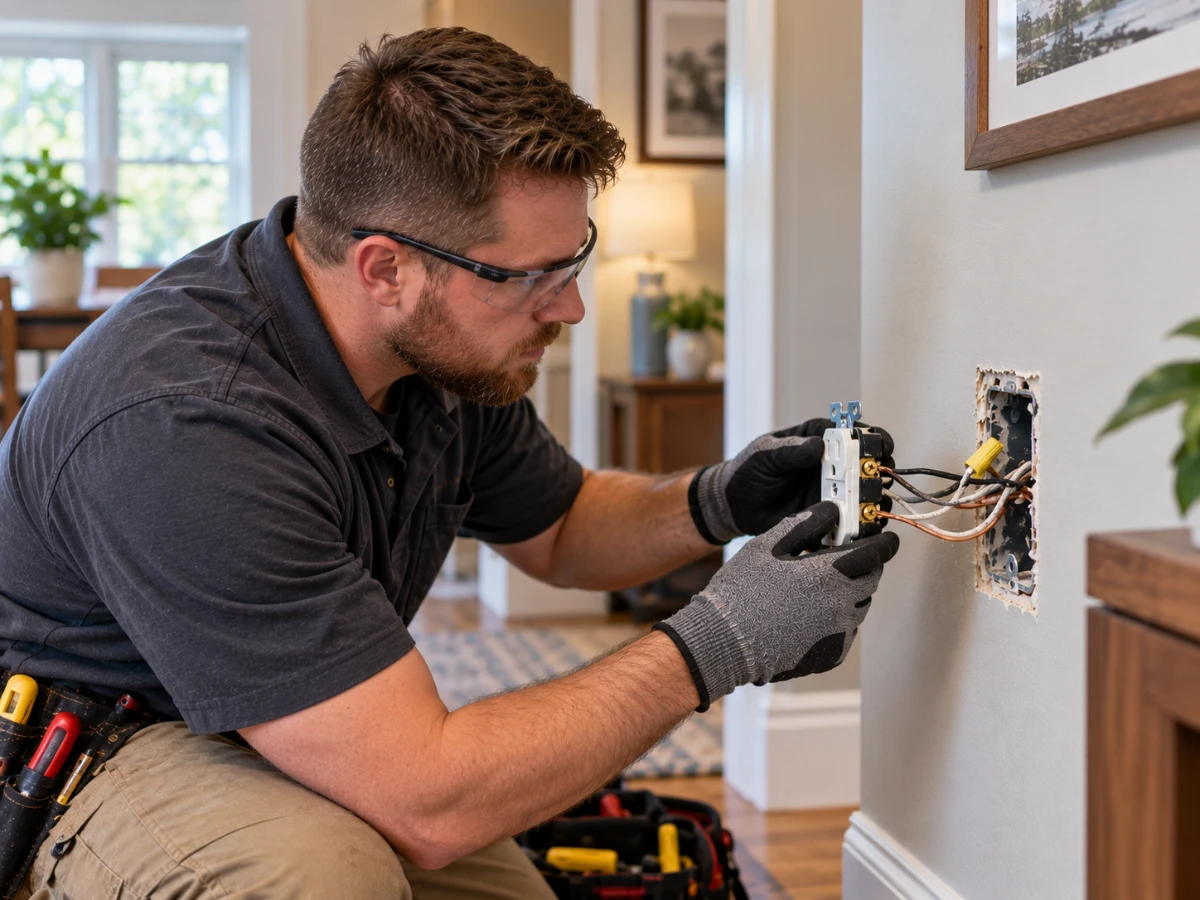
An electrician may also test continuity where appropriate to determine whether the circuit remains electrically continuous between connection points.
This process matters because a dead outlet can be the visible symptom of a problem several feet away. If an upstream GFCI has tripped, for example, several downstream outlets may lose power even though those receptacles appear normal.
The objective is not simply to get one outlet working again. It is to identify why it stopped working in the first place.
Why Older Twin Cities Homes Can Have More Complicated Outlet Problems
The age of a home can affect how an electrician approaches a dead outlet.
The Twin Cities has a significant amount of older housing. Federal Reserve Bank of Minneapolis data found that homes built before 1970 made up 39% of the occupied Twin Cities housing stock but 49% of occupied units with reported repair needs. Homes built before 1939 had roughly twice the odds of having repair needs compared with units built in later periods.
Saint Paul has particularly old housing stock. City planning data has described the city's residential housing stock as aging, with a median age of 69 years and 57% of single-family, duplex, and triplex structures built before 1930.
Older homes can contain electrical systems installed under previous versions of the electrical code. Some may also have had electrical work added or modified over several decades.
That can create situations where a modern receptacle is connected to older wiring or where different generations of electrical work exist within the same circuit. Depending on the property, an electrician may encounter ungrounded two-prong receptacles, older wiring methods, aluminium wiring, or connections that need closer inspection.
That does not mean every older Twin Cities home has an unsafe electrical system. It does mean that age and previous modifications can make diagnosis more important when an outlet repeatedly fails.
Simple Fix or Code Problem? Here's What the Electrician Looks For
Once the fault is located, the next question is whether the problem is limited to a failed component or if additional work is required.
A worn or defective receptacle may be a straightforward replacement. A tripped GFCI may restore power once the reason for the trip has been addressed.
But testing may reveal a different problem.
The electrician could find reversed polarity, a missing ground, a loose connection, damaged wiring, or another installation issue. In an older home, the existing wiring may also need to be evaluated before a new receptacle can be installed safely.
Minnesota's current residential electrical inspection checklist requires receptacles to be properly grounded and correctly polarised. It also requires tamper-resistant receptacles in many locations when 15- and 20-amp receptacles are installed or replaced, subject to specified exceptions.
This is why a replacement is not always just a matter of removing the old receptacle and connecting a new one. The electrician needs to consider the condition of the wiring and the requirements that apply to the work being performed.
Minnesota Electrical Code and Residential Outlet Requirements in 2026
Minnesota adopted the 2026 National Electrical Code (NEC) effective August 17, 2026. Electrical permits filed on or after that date must comply with the 2026 NEC, while permits filed before August 17 are subject to the 2023 NEC.
Receptacles installed or replaced in dwelling units generally need to meet current requirements for grounding, polarity, and tamper resistance, subject to applicable exceptions. AFCI and GFCI protection may also be required depending on the location and circuit.
Minnesota's 2026 residential inspection materials address GFCI protection in locations including kitchens, bathrooms, garages, basements, crawl spaces, laundry areas, and outdoor areas. AFCI protection applies to many 125-volt, 10-, 15-, and 20-amp branch circuits supplying outlets in areas such as bedrooms, living rooms, dining rooms, family rooms, kitchens, laundry areas, closets, and hallways.
The exact requirement depends on the circuit, location, existing installation, and nature of the work. That is another reason a professional diagnosis is useful when an outlet has stopped working.
GFCI vs. AFCI: Which One Could Be Behind a Dead Outlet?
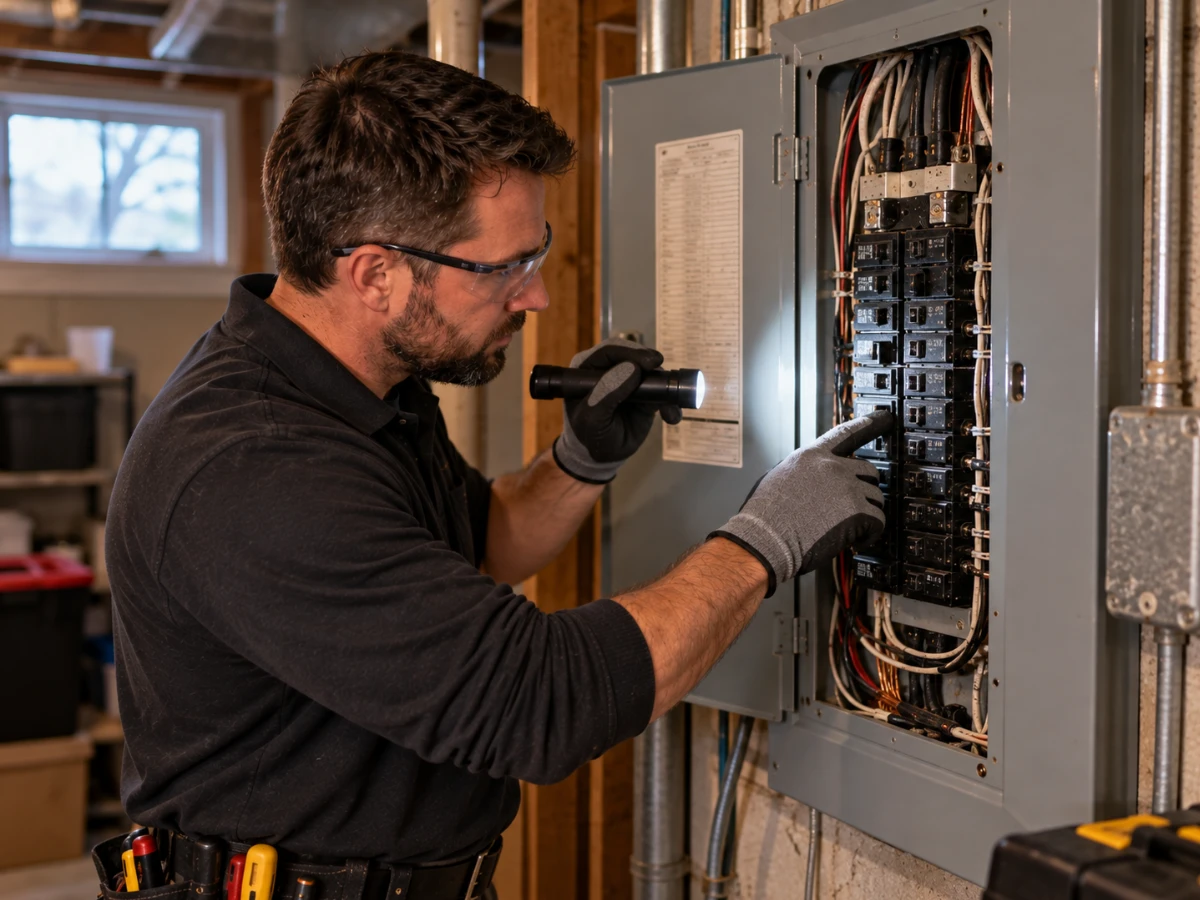
GFCI and AFCI protection serve different purposes, and either can be relevant when an outlet suddenly loses power.
A GFCI protects people from ground-fault shock hazards. It can disconnect power when it detects an imbalance in electrical current. Because one GFCI can protect downstream receptacles, a dead outlet may be caused by a GFCI located in another part of the room, or even another nearby area.
Minnesota's 2026 requirements cover GFCI protection in a range of residential locations, including kitchens, bathrooms, garages, basements, crawl spaces, laundry areas, and outdoor receptacles.
An AFCI, meanwhile, is designed to detect dangerous arcing conditions that can contribute to electrical fires. Minnesota requires AFCI protection for many branch circuits supplying outlets in residential living areas and other specified locations. The 2026 rules also address AFCI protection when existing branch-circuit wiring is modified, replaced, or extended.
So if an outlet is not working, the electrician needs to determine whether the interruption originates at the receptacle, a GFCI, an AFCI device, the breaker, or another point on the circuit.
Do You Need a Minnesota Electrical Permit to Replace an Outlet?
Not always. Minnesota treats identical receptacle replacement as electrical maintenance work, and maintenance and minor repair work are exempt from mandatory inspection. Work that may be subject to inspection and permit requirements includes new wiring, alterations, extensions, or other non-maintenance electrical work.
If the work requires a permit, Loch Monster Electric can handle the permit and inspection process. Minnesota also allows homeowners to apply for electrical permits for qualifying work on their own property.
Switch Not Working? The Problem May Be Connected
A switch that stops working can sometimes have the same underlying cause as a dead outlet.
Both devices may share a circuit, so a tripped breaker, failed connection, damaged conductor, or upstream GFCI can affect both. A problem at one electrical box can also interrupt power to devices farther along the circuit.
That means the electrician does not necessarily treat a dead switch as an isolated switch failure. Testing the circuit can reveal whether the switch itself has failed or whether the real problem is somewhere upstream.
If an outlet and switch stop working around the same time, tell the electrician. That information can help narrow down the circuit and identify a shared fault.
Why You Should Not Ignore a Dead Outlet
A dead outlet is not automatically a dangerous electrical emergency. But if you do not know why it stopped working, leaving it undiagnosed can allow an underlying problem to remain hidden.
A loose or damaged connection can create heat. Faulty wiring can contribute to arcing. Older electrical systems can also hide problems that aren't visible from the outside of the receptacle.
There is another practical problem: homeowners may start relying on extension cords or other outlets when one receptacle stops working. That can shift electrical loads elsewhere in the home rather than resolving the original problem.
Watch for warning signs such as:
- Burning smells around an outlet
- Scorch marks or discoloration
- Buzzing or crackling sounds
- A receptacle that feels unusually warm
- Sparks when plugging in a device
- Breakers or GFCIs that repeatedly trip
If you see sparks, smell burning, or suspect an active electrical hazard, stop using the affected circuit and contact a licensed electrician. Loch Monster Electric provides 24/7 emergency electrical service in the Twin Cities. If the situation is urgent, give us a call for assistance.
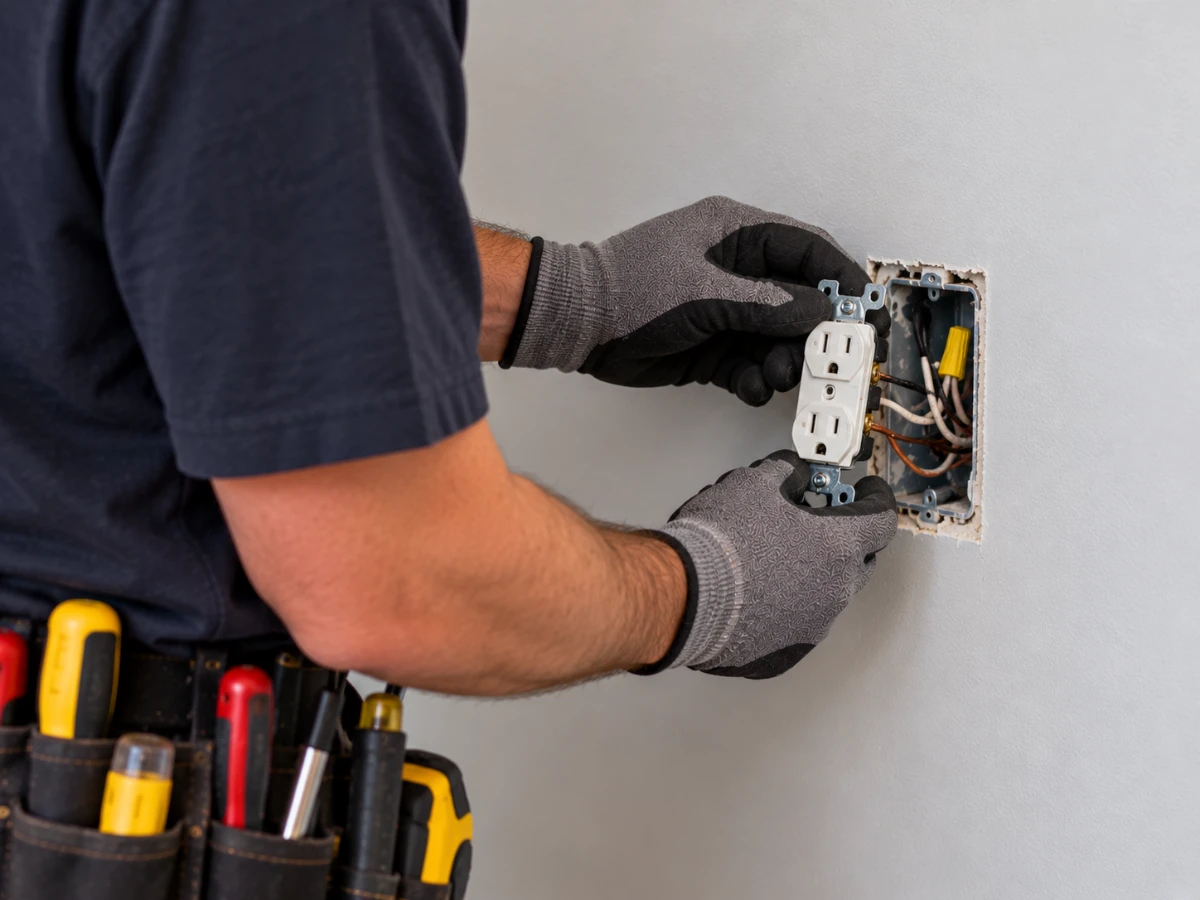
Get the Cause of a Dead Outlet Checked
A dead outlet can have a simple explanation, but the visible receptacle is not always where the problem starts. A GFCI, breaker, loose connection, damaged conductor, or fault elsewhere on the circuit can all interrupt power.
Basic checks can rule out some common causes. If those checks fail to identify the problem, professional testing can establish what is actually happening and whether the repair needs to address a wider electrical issue.
For Twin Cities homeowners, that distinction is particularly important in older properties where previous electrical work and different generations of wiring may be present.
If your outlet is still not working, call Loch Monster Electric at 763-292-1191. A professional diagnosis can help you fix the immediate problem while identifying electrical issues that should not be left hidden behind the wall.
Frequently Asked Questions
A tripped GFCI upstream, failed receptacle, loose connection, or wiring fault elsewhere on the circuit can cause an outlet to lose power without an obvious breaker trip. An electrician can test the circuit to find where the power interruption occurs.
Yes. A switch and outlet can share a circuit, so a breaker, GFCI, loose connection, or wiring fault can affect both.
Check nearby GFCI receptacles and reset any that have tripped. A GFCI can protect downstream outlets, so the controlling receptacle may not be in the same room as the dead outlet. If resetting the GFCI does not restore power, professional testing can locate the fault.