
What Residential Electrical Inspections Cost in the Twin Cities
Updated: Sep 4, 2026
This guide breaks down what residential electrical inspections cost in the Twin Cities, when homeowners need one, what inspectors check in metro homes, and Minnesota's permit and code requirements, with a focus on pre-1980 housing common across Minneapolis, St. Paul, and inner-ring suburbs.
If you own a home in Minneapolis, St. Paul, or one of the first-ring suburbs, chances are your wiring is older than you think. A residential electrical inspection is one of the cheapest and easiest ways to find out what's really going on behind your walls before things turn into a fire hazard, an insurance headache, or a stalled home sale.
Loch Monster Electric has walked through hundreds of Minnesota homes, and we know just what to expect from both vintage and modern housing. In this guide, we'll break down when to do a Twin Cities electrical inspection, what actually gets checked, and what inspectors tend to find in metro homes built before 1980.
If you’re already thinking of booking an inspection, call us at 763-292-1191 or fill out this contact form and we’ll be there.
Minnesota Residential Electrical Inspection Cost at a Glance
Here's what homeowners across the metro typically pay for a residential electrical inspection.
Item | Estimated Cost |
Standard Residential Electrical Inspection
| $ 550.00 |
Important Note: Our flat rate covers up to two hours of on-site inspection time. Larger homes, multiple subpanels, or wiring that's hard to access in a finished basement can push a job past that time-frame. This will be billed at an additional time-based rate.
Check our home electrical inspection services to learn more.
What Drives the Home Electrical Inspection Price Up
A few local factors move the needle more than anything else:
- Square footage. A 1,200-square-foot bungalow in Longfellow takes less time to inspect than a sprawling rambler in Eagan or Eden Prairie, and can affect whether a job stays within our standard 2 hour inspection window.
- Panel and subpanel count. Homes with an original panel plus a subpanel take much longer to inspect and document than a house with just one panel. This is common in remodeled basements throughout Roseville and Richfield.
- Home age. Pre-1980 homes across Minneapolis and St. Paul often have a mix of generations of wiring, which adds to the diagnostic time.
- Finished basement access. If wiring is buried behind drywall in a finished lower level, inspectors may need to check accessible panels, junction boxes, and outlets rather than open walls, which can affect scope and time.
- Time on site. Our electrical inspection rate covers up to two hours on site. Homes that need more time due to size, panel complexity, or accessibility are billed an additional time-based rate beyond that window.
- Re-inspection fees. If your first inspection turns up issues that need repair, a smaller follow-up fee may be added to confirm the fix passes.
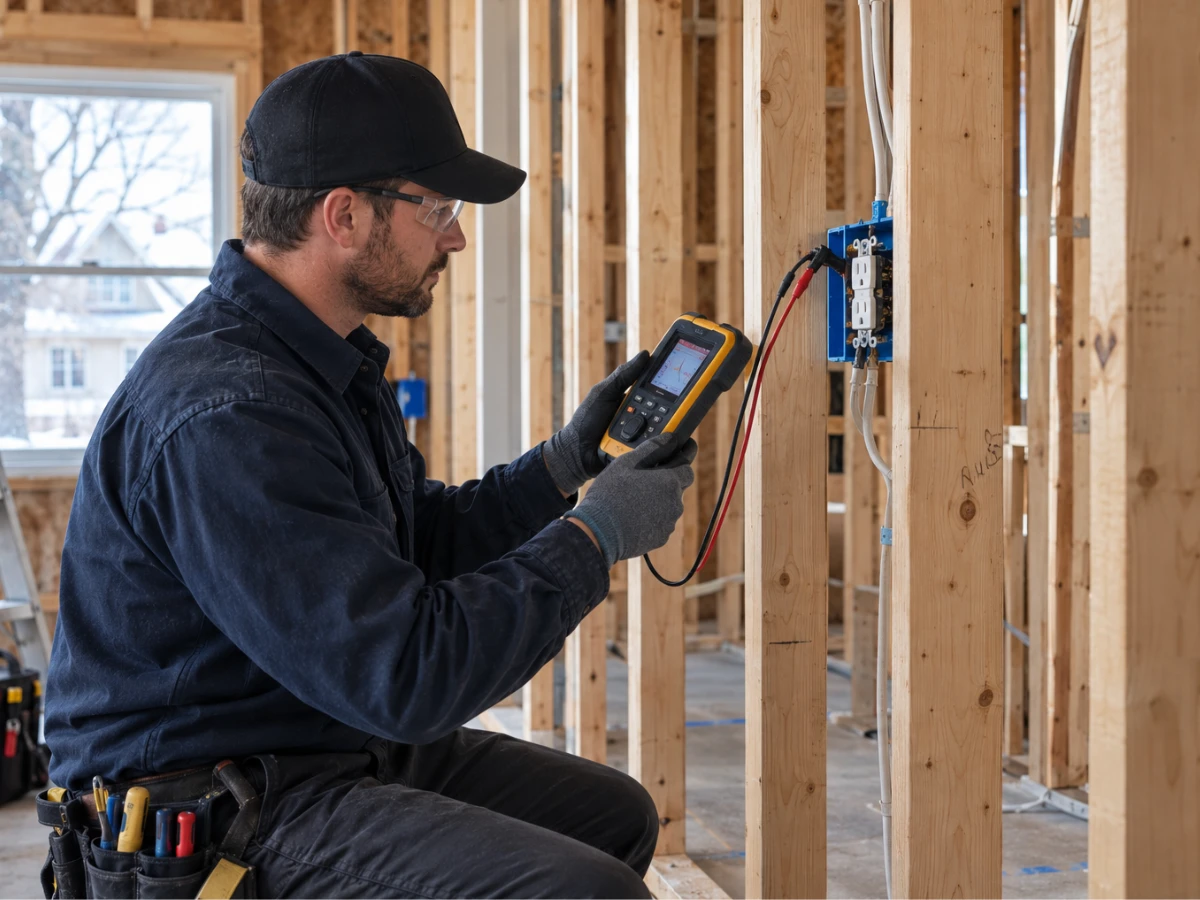
When Is an Electrical Inspection Required?
Here are all the reasons your home might need an electrical inspection.
Before Buying or Selling a Home
An inspection protects buyers from inheriting hidden electrical problems and helps sellers avoid complicating last-minute negotiations. In neighborhoods with a lot of pre-1980 housing stock (like in parts of St. Paul and Minneapolis), this step can catch issues before they become deal-breakers.
After Major Renovations or Remodeling
Finishing a basement or remodeling a kitchen almost always affects the electrical system. New outlets, lighting, and appliance circuits all need to tie into a panel that can actually handle them. Skipping the inspection step can mean failed permits down the road, or a system that looks finished but isn't safe to use. Read our home renovation electrical guide to learn more about what you need to consider, including safety and compliance requirements.
If Your Home Is Over 30 Years Old
Older wiring wasn't built for today's power demands. Back when a lot of Twin Cities homes were built, nobody was running a microwave, two laptops, and an air conditioner off the same circuit. You'll see this a lot in places like Bloomington, where many of its rambler-style homes date back to the 1950s and 60s, or Shoreview, which is known for its mid-century split-levels. Their systems were built for a much lighter electrical load than what today's homes actually use. Homes in this range benefit from an inspection every two to three years instead of the standard three to five, just to make sure the system is keeping up with modern life.
Installing High-Demand Systems
EV chargers, hot tubs, and central air all draw serious power. Adding one of these to a home without checking the panel first can trip breakers, overload circuits, or void a warranty on the new equipment. If you're planning on installing an EV charger, our home EV charger installation guide explains these electrical requirements.
Getting a Panel Upgrade
Any time you're moving to a higher-amperage service, an inspection confirms your panel and grounding can support it. This is even more important if your home still has its original panel, since older panels weren't designed for the number of devices, chargers, and appliances most households run today.
Adding Smart Home Appliances
Smart panels, Ring cameras, and networked thermostats all add demands that older circuits were not designed for. Some of that is simple capacity; panels and circuits doing more work than they were designed for. But many of these devices also need a neutral wire to work, and a lot of older Minnesota homes simply don't have one at the switch or fixture location. That's a quick fix during an inspection, but a frustrating surprise if you find out only after the new thermostat is already in the box.
After Flood or Storm Damage
Water and wind can compromise wiring you can't see. Even if the lights come back on after a storm, moisture in a junction box or a damaged line running to your house can cause problems weeks or months later. If a storm has recently hit your area, our storm repair guide covers what to check first to ensure your safety.
When You Notice Warning Signs
Flickering lights, warm outlets, or a burning smell are not wait and see situations. They mean it's time to call someone now. These signs usually point to a bigger issue hiding behind the wall, and waiting can turn a simple fix into a safety risk. For more on these warning signs, read our how to know if your house needs a rewiring guide.
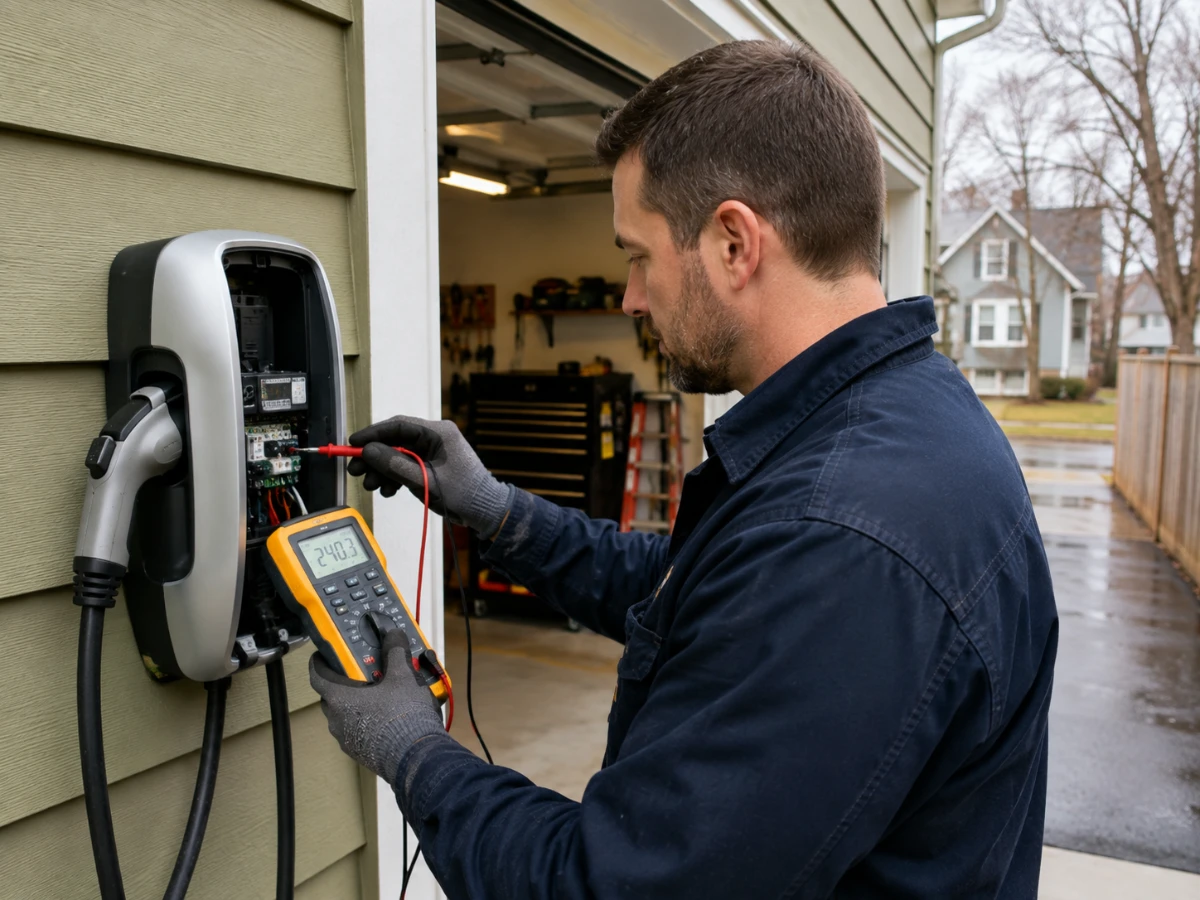
What's Included in Your House Electrical Inspection
A thorough residential electrical inspection typically covers inspecting:
- Breaker panels for overloading or corrosion
- Outlets and switches for damage or loose wiring
- Grounding systems to confirm safe discharges
- Appliance circuits for proper amperage support
- Indoor and outdoor lighting systems
- GFCI outlets near water sources
- Wiring methods used throughout the home
What This Looks Like in Older Twin Cities Homes
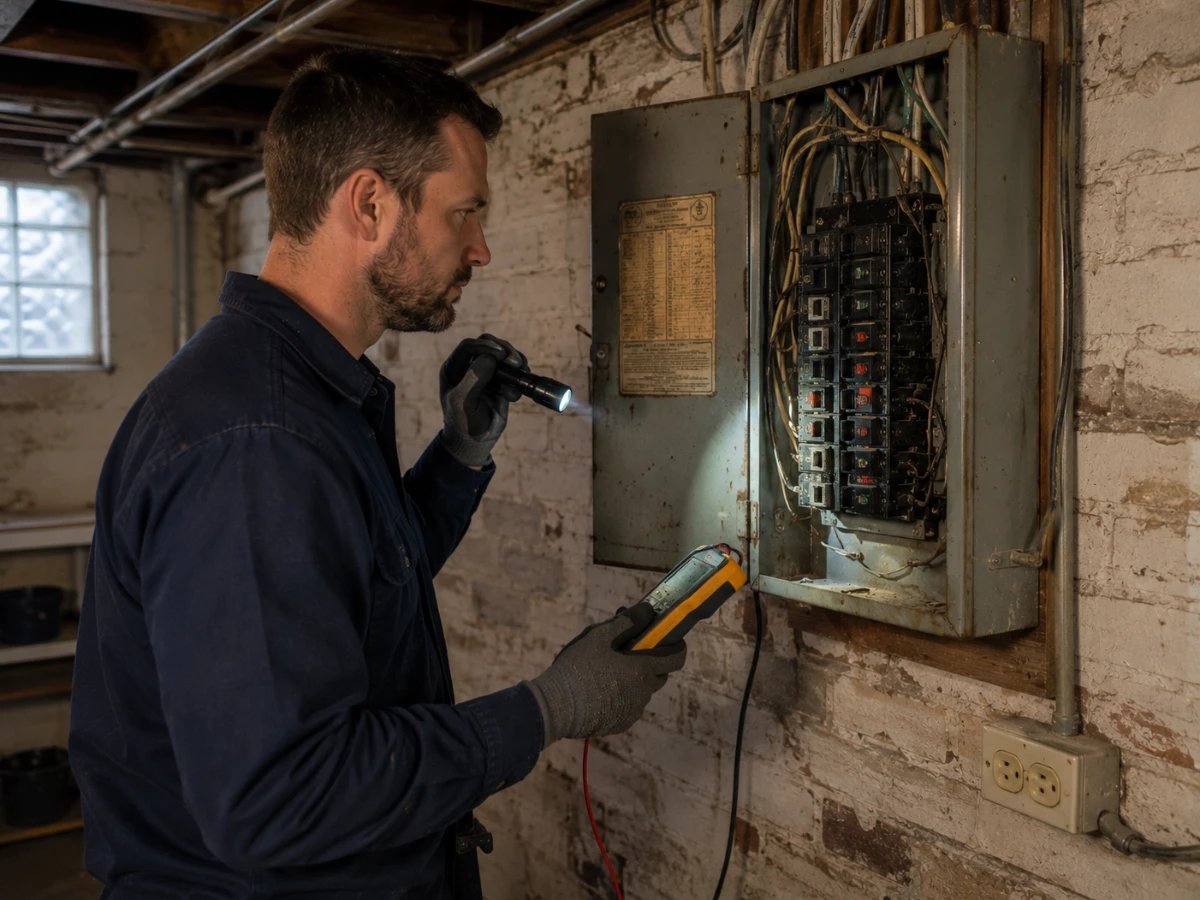
In pre-1980 homes, this is where things get interesting. Many houses in Minneapolis, St. Paul, and older suburbs like White Bear Lake or Richfield still carry knob-and-tube wiring or 1960s-to-70s aluminum branch circuits. Sometimes these are connected to a newer breaker panel by a previous owner.
Neither one means your home is automatically unsafe, but both require a closer look during an inspection. They just weren't made to handle the amount of power that today's homes use, and more insurance companies are starting to flag them. Want to know exactly what could trip up your inspection? Our residential electrical inspection requirements guide breaks down the six biggest red flags that cause a failed result.
Minnesota Electrical Code and Permit Requirements for Electrical Inspections
Minnesota follows the National Electrical Code (NEC), the rulebook electricians across the country use, with a few state-specific changes added on top. If you have already filed a permit before August 17, 2026, it needs to follow the 2023 version of that code. Anything filed on or after that date, and it needs to follow the 2026 version.
Some cities handle their own electrical inspections, while others go through the Minnesota Department of Labor and Industry (DLI). If you're in Hennepin, Ramsey, or a nearby metro county, it's worth a quick call to your city’s building department to find out which one applies to you before you schedule repair work.
Important note: If an electrician finds work in your home that was done without a permit, you may need to open up walls, get a permit after the fact, or fix the work outright. This happens a lot in older homes with a finished basement because nobody bothered to pull a permit at the time. This can hold up a home sale or an insurance renewal until it's sorted out.
Licensed Electrician Inspection Vs. General Home Inspection
Not every inspection is the same, and mixing these up can cost you time and money. Here's how the two compare:
General Home Inspector | Licensed Electrician | |
What it is | Electrical walkthrough as part of a broader home inspection | A full, hands-on electrical inspection |
Depth | Visual and surface-level | Opens panels, tests circuits, checks for code issues |
Licensing | Not electrical-specific | Licensed through the Minnesota DLI as a journeyworker or master electrician |
Best for | A quick read during a real estate transaction | Confirming your electrical system is actually safe and up to code |
At Loch Monster Electric, our team is licensed in both Minnesota and Wisconsin, so we understand the specific electrical code requirements and permit processes on both sides of the St. Croix. Whichever jurisdiction your home falls under, we know exactly what your inspection needs to check for and what your local authority expects to see.
What Happens After the Inspection: Understanding Your Report and Next Steps
Once your house electrical inspection wraps up, you'll get a report breaking down what was found. This will include three main categories of items:
- Safety-critical items — things that need attention right away, like exposed wiring or an overloaded panel.
- Code-upgrade items — not necessarily dangerous today, but required to bring the system up to current standards.
- Cosmetic or optional items — nice-to-haves that don't affect safety or compliance.
From there, you can get repair estimates and prioritize the critical items. If a re-inspection is needed, working with the same electrician who did the original inspection usually speeds things up, since they already know your panel, your permit history, and exactly what needs to be checked again.
Ready to Schedule Your Home Electrical Inspection?
For those in pre-1980 homes common across Minneapolis, St. Paul, and first-ring suburbs like New Brighton and Maplewood, getting an inspection done by a licensed electrician is a relatively low upfront cost that can prevent insurance cancellations, failed home sales, and serious safety hazards hidden inside aging walls.
If it's been a few years since your last inspection, or you're in the rough-in phase of a major renovation, Loch Monster Electric is ready to help. Call us at 763-292-1191 to book your electrical inspection today!
Frequently Asked Questions
Yes. In Minnesota, almost all electrical work requires a permit and inspection. If you do the work yourself, you can only pull a permit if you own and live in the single-family home. You must file the permit with either your city hall or the Minnesota Department of Labor and Industry (DLI), depending on who handles inspections in your town.
You do not legally need regular electrical inspections unless you are remodeling, changing your power service, or selling your home. However, having an electrician check your system every 3 to 5 years helps keep your home safe. For Twin Cities homes over 30 years old, it’s smart to get a safety check every 2 to 3 years to catch hidden hazards.
Most whole-home electrical inspections take 1 to 2 hours. The exact time depends on the size of your house, how many electrical panels you have, and how easy it is to reach your home's wiring.
Yes. Many Twin Cities homes built before 1980 contain a mix of original and newer wiring. Getting an expert inspection before you buy gives you crucial leverage to ask the seller for repairs or a lower price before you sign the final paperwork.
Not automatically. These older wiring types are not illegal just because they exist, as long as they were installed safely in the past. However, they will face strict scrutiny because home insurance companies often refuse to cover houses with this wiring until it is certified by an electrician or replaced.