
Failed Home Inspection? Common Electrical Repairs Needed to Sell a Twin Cities Home
Updated: Jun 22, 2026
Worried a failed electrical inspection will stall your home sale? Discover the six most common red flags local inspectors flag, from missing GFCI protection to fake grounds, and learn how a pre-listing inspection and quick repairs can keep your closing on track.
Here in Minnesota, our local real estate market moves incredibly fast. When a home inspector flags an issue, you don’t have weeks to mull it over. You often have just days to get things brought up to code to keep your closing on track.
Don't panic! Most of these issues are incredibly common, easy to fix, and can be resolved quickly when you have a professional in your corner. Let’s walk through the most common electrical inspection failures we see around the metro and how we can help you pass it stress-free.
Why Electrical Inspection Issues Can Stall Your Closing
In our neck of the woods, several cities like Minneapolis, St. Paul, Bloomington, and Richfield require a special kind of evaluation before you can even list your home. Whether it’s a standard buyer’s inspection or a mandatory Truth in Sale of Housing (TISH) evaluation, inspectors are looking closely at your electrical system to ensure it's safe for the next family.
If an inspector finds a hazard, it can put a screeching halt to your sale. Buyers might demand a price reduction, or worse, their lender might refuse to approve the mortgage until the hazards are fixed. That is why understanding local home electrical inspection requirements is so vital before you put that ‘For Sale’ sign in the yard.
Six Electrical Red Flags on Twin Cities Inspections
While every home has its own quirks, most electrical write-ups boil down to six main culprits.
1. Missing or Non-Functioning GFCI & AFCI Protection
There are two main types of specialized safety devices home inspectors look for: GFCI and AFCI protection. While they sound similar, they perform completely different, lifesaving jobs.
- GFCI Protection (Shock Prevention): GFCIs are those handy outlets with the Test and Reset buttons on them. They are designed to instantly shut off power if they detect an electrical shock hazard. Inspectors will always check for GFCI protection in areas where water and electricity could mix. This includes kitchens, bathrooms, unfinished basements, garages, and outdoor outlets. If your home still has standard outlets in these spots, it’s a guaranteed write-up. Fortunately, swapping these out is a quick fix for a licensed pro.
- AFCI Protection (Fire Prevention): While GFCIs protect you from shocks, AFCIs protect your home from fires. They detect dangerous, silent electrical sparking (arcing) behind your walls, often caused by damaged wire insulation, pests, or loose connections. Modern electrical codes require AFCI breakers to protect almost all living areas, including bedrooms, family rooms, and hallways.
If you need to install these devices to get your home ready for sale, learn more about our professional GFCI & AFCI Installation services.
2. Double-Tapped Breakers
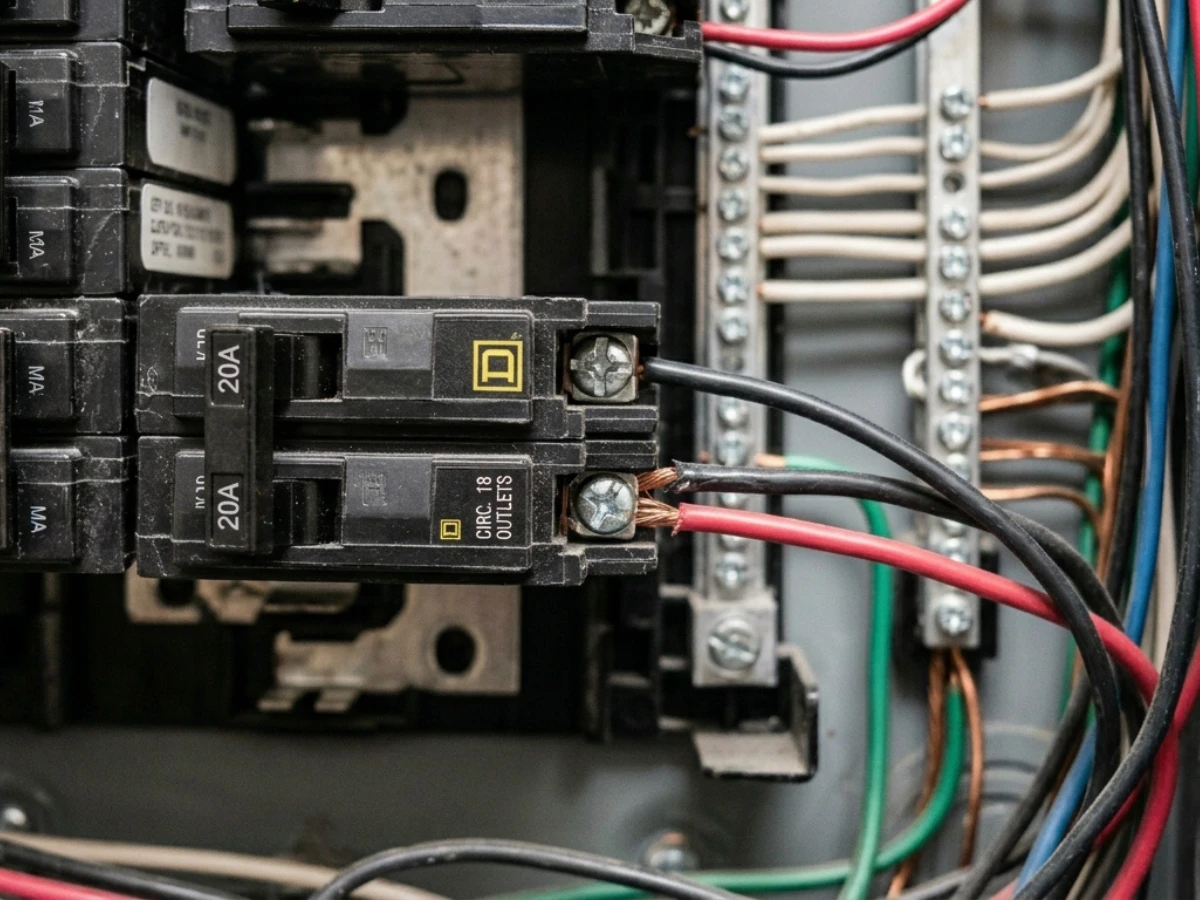
This is one of the most common Minneapolis electrical code violations we encounter. A double-tap happens when two electrical wires are connected to a single-pole breaker that was only designed for one wire.
Over time, this loose connection can overheat, arc, and potentially start a fire. It usually happens when a well-meaning homeowner or a handy neighbor tries to add a new circuit for a basement freezer or shop light without adding a new breaker.
Sellers often worry that this requires a massive, expensive panel upgrade, but it rarely does. In most cases, we can fix this quickly and affordably using a pigtail splice to safely join the wires or by installing a tandem breaker (which fits two connections into a single slot).
Only when your panel is completely full and doesn't support tandem breakers will we look at adding a subpanel to resolve the issue.
3. Open Junction Boxes and Exposed Wiring
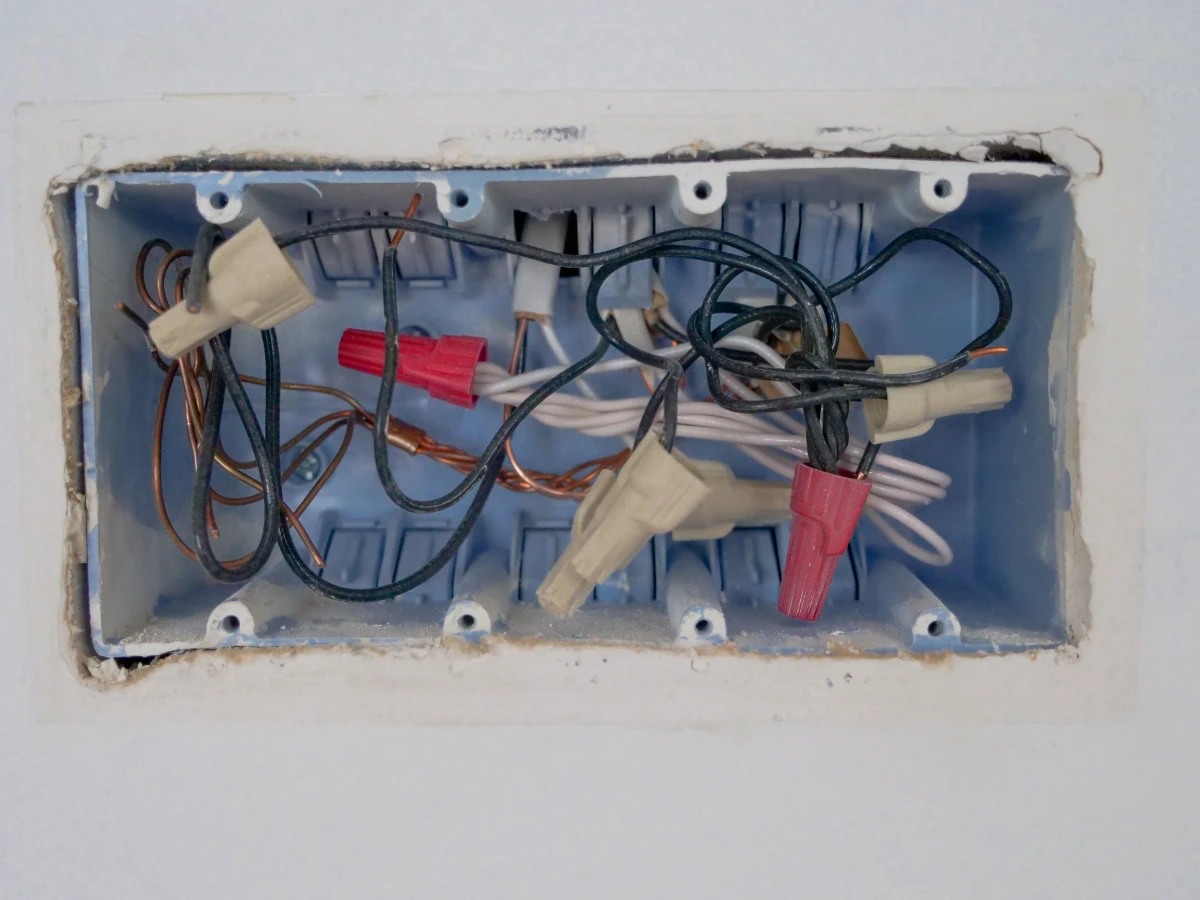
If you have an older basement or attic, you might have wire splices floating out in the open. By code, all electrical wire splices must be safely enclosed inside a covered plastic or metal junction box. Leaving wires exposed is an immediate safety hazard.
Sellers often worry about the open junction box repair cost, but the good news is that this is usually one of the most affordable repairs on an inspection list. Getting a pro to safely tuck those wires away and cover the box secures your peace of mind, and satisfies the inspector for a very reasonable fee.
4. Fake Grounds & Outdated Two-Prong Outlets
If you live in a classic, older Twin Cities neighborhood, you likely have some two-prong outlets. While these are technically "grandfathered in" under some local municipal rules, they are still a massive red flag for modern home buyers who want to plug in laptops, flatscreens, and modern appliances safely.
Even worse, we frequently encounter fake grounds (ungrounded three-prong outlets). This happens when a previous owner or a well-meaning handyman swapped out old two-prong outlets for modern three-prong ones to make plugging things in easier, but didn't actually run a ground wire.
When a home inspector plugs in their circuit tester, this immediately flags as an open ground hazard. To fix this up to code for a sale, we either have to run physical ground wires, retro-fit the circuit with GFCI protection (and label them "No Equipment Ground"), or safely ground the outlets to existing metal boxes if the home uses grounded armored (BX) cable.
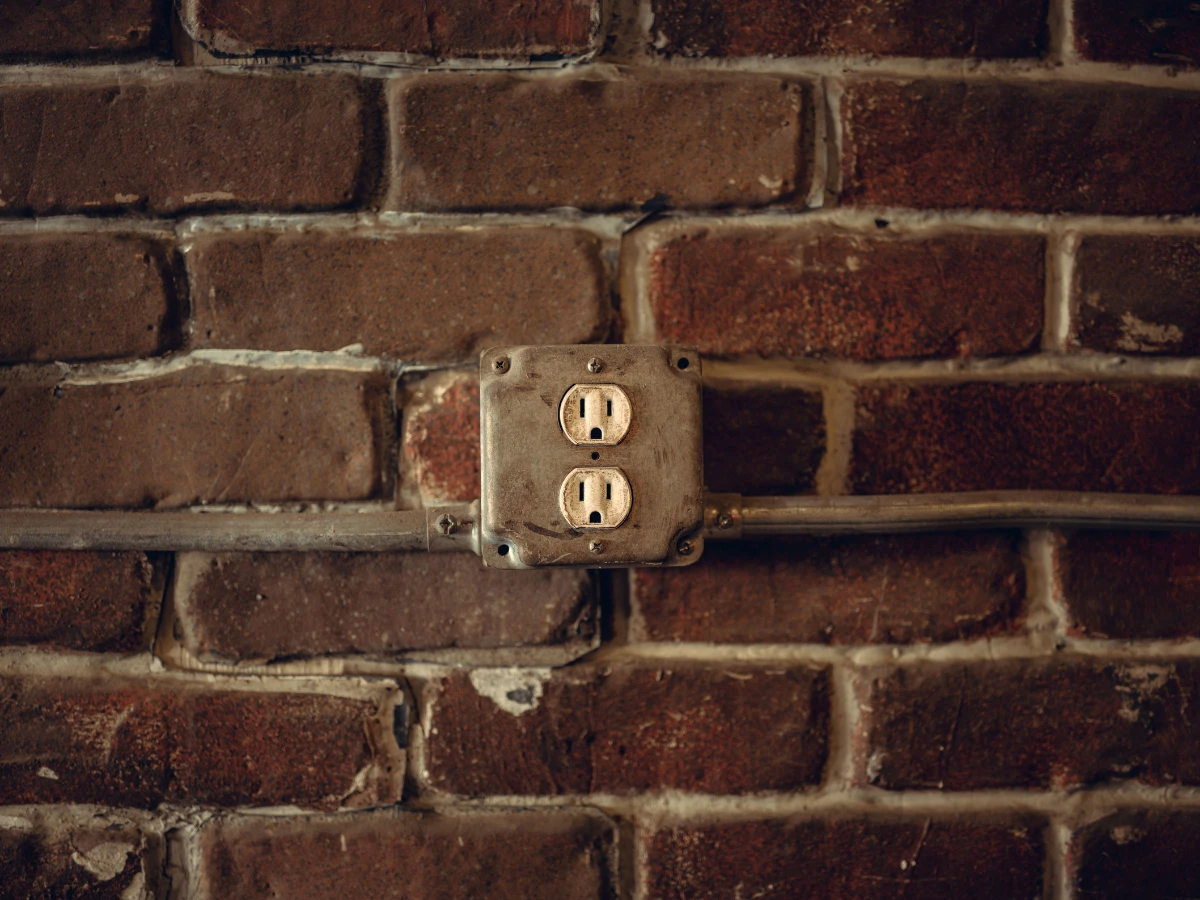
Check out our deep-dive guide on Two-Prong Outlet Replacement to see how GFCI outlets can safely bring old systems up to code without a full rewire.
5. Missing Water Meter Jumper Wire (Grounding Jumper)
In older municipal systems, your home's main electrical panel is grounded directly to the metal water pipe entering your basement. However, when the city or a plumber replaces your water meter, the plastic parts or fittings break that continuous path to the ground.
To keep your home safe, the electrical code requires a heavy copper jumper wire clamped to the metal pipe on both sides of the water meter, bridging the gap. If your jumper wire is missing, loose, or corroded, the inspector will demand it be replaced.
6. Obsolete Panels & 60-Amp Safety Checks
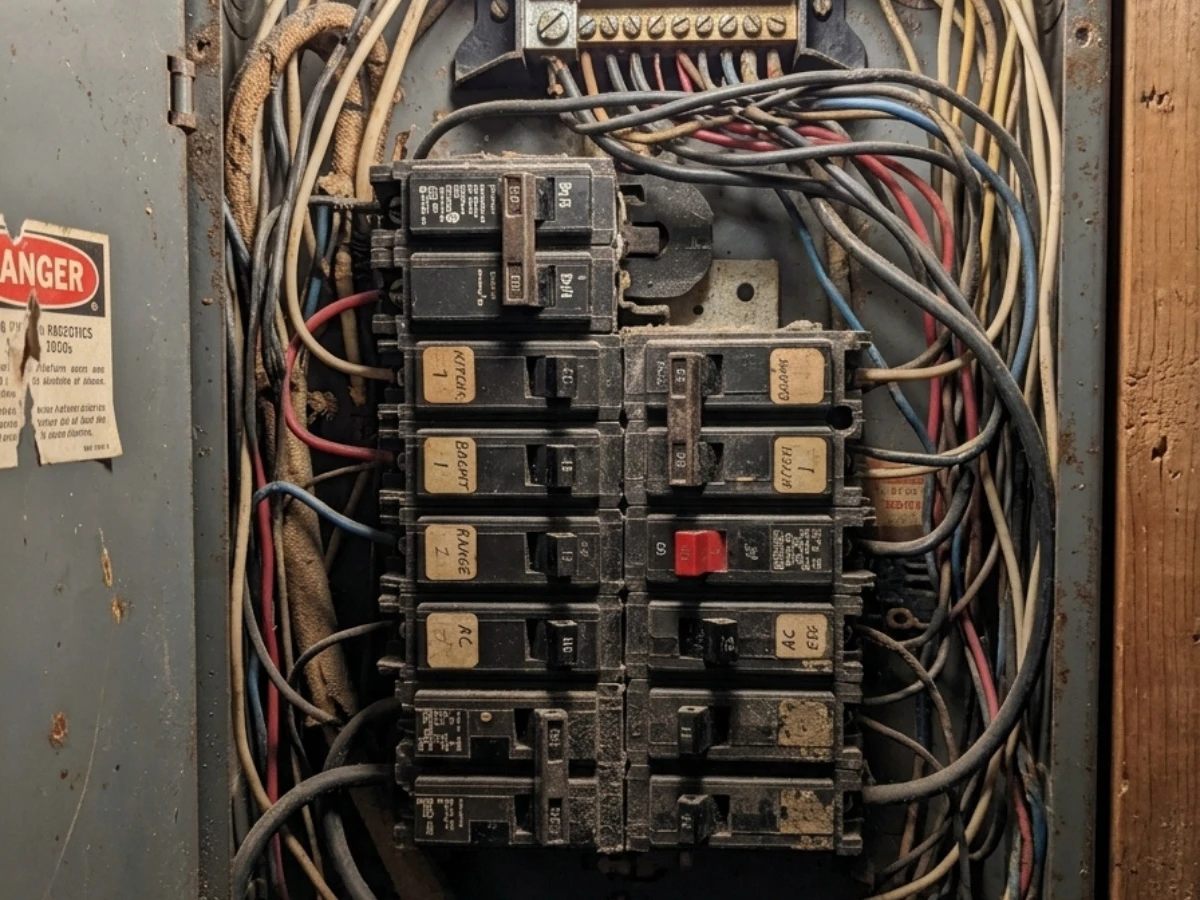
If your home still runs on an old Federal Pacific, Zinsco, or Challenger electrical panel, or if you only have 60-amp service, your inspector is going to flag it. These outdated systems are known fire hazards, and many insurance companies will not write a policy for a new buyer until they are replaced.
While a full electrical panel upgrade is a larger job, addressing it upfront prevents your home sale from falling through at the last minute.
The Importance of a Pre-Listing Electrical Inspection
Waiting for the buyer's inspection report puts you at a massive disadvantage. Here is why scheduling a proactive pre-listing walkthrough to get ahead of local home electrical inspection requirements is one of the smartest moves a seller can make:
- Avoid Surprises and Protect Your Negotiating Power: Undergoing an inspection after you accept an offer is stressful. Unseen issues can suddenly derail an otherwise perfect sale. A buyer's inspector will write these up, and the buyer may demand steep price cuts or overinflated repair credits based on worst-case estimates. Bringing in a licensed electrician early to spot and correct these issues keeps control of the negotiations firmly in your hands.
- Make Your Home Irresistible to Buyers: In a competitive market, a clean, up-to-date electrical system is a massive selling point. Providing prospective buyers with a clean electrical report backed by receipts from a professional proves the home has been meticulously cared for. This builds immediate buyer confidence, which frequently leads to faster offers and stronger, cleaner bids.
- Protect Safety and Minimize Liability: Unresolved electrical hazards aren't just code violations, they are active fire risks. Correcting these issues before you list protects your family while you still live there, prevents disastrous house fires, and minimizes any legal or insurance complications during the transfer of ownership. Furthermore, many modern homeowners' insurance companies will flat-out refuse to write a policy for a buyer if they spot unsafe panels or ungrounded wiring, making early remediation crucial for a smooth closing.
- Avoid Fast-Closing Scrambles: The real estate market moves incredibly fast. If you only have ten days to resolve code compliance issues before closing, you will be scrambling to find an available electrician. A proactive inspection gives you time to handle repairs at your own pace without emergency rush fees.
What Is Covered In a Pre-Listing Electrical Inspection
If you are getting ready to list your home, the best thing you can do is walk through your house with a critical eye. But what exactly are inspectors and professional electricians checking during an evaluation?
A typical, professional electrical inspection covers:
- The Main Electrical Panel: Checking for proper capacity, safe brands, and overall wiring integrity (ensuring no double-taps or scorched breakers).
- Grounding and Bonding Systems: Verifying that your home is safely connected to the earth, including checking your main ground rods and water meter jumper wires.
- Device Functionality and Locations: Testing GFCIs in wet areas, AFCI operations in living areas, and verifying that older two-prong outlets are either properly grounded or legally retrofitted.
- Wiring Material Integrity: Identifying unsafe, outdated systems like deteriorated cloth wiring or active knob-and-tube setups.
DIY Checks You Can Perform
By performing your own DIY check first, you can spot obvious issues. Walk through your home and ask yourself:
- Are your outdoor outlets covered with weatherproof boxes?
- Do your kitchen counters have GFCI outlets installed?
- Are there any loose outlets, flickering lights, or exposed wires in the utility room?
If your pre-listing walkthrough reveals some questionable DIY wiring from past owners, don't sweat it. We specialize in fast-turnaround, code-compliant residential electrical repairs designed to satisfy city inspectors and buyers alike.
Loch Monster Electric: Your Local, Swift Solution
LME prides itself on being fast, friendly, and reliable. We understand local home electrical inspection requirements and what Twin Cities inspectors are looking for, whether it's a Minneapolis TISH repair or a suburban city code violation. We will arrive on time, diagnose the inspector's punch list, complete the repairs safely, and provide the professional documentation you need to hand over to the buyers.
Don't let a failed inspection turn your home sale into a monster-sized headache. Reach out to the team at Loch Monster Electric today, and let's get those repairs checked off your list!
Frequently Asked Questions
A Truth in Sale of Housing (TISH) inspection is a mandatory home evaluation required by certain Twin Cities municipalities (including Minneapolis, St. Paul, Bloomington, and Richfield) before a home can be sold. If the evaluator finds an immediate safety hazard, like an ungrounded outlet, a missing water meter jumper, or unsafe wiring, they will mark it as a Repair/Replace item. You must complete a truth-in-housing inspection, electrical repair, and have it signed off by a licensed electrician before the sale can be finalized.
A standard, professional electrical inspection for an average-sized home typically takes between 1 to 2 hours. The exact time depends on the size of the property, the complexity of the historical wiring layouts, and the accessibility of the main panel, subpanels, and grounding points (like the water meter). Once finished, the homeowner receives a detailed safety report.
While it is tempting to try a DIY fix on a double-tapped breaker or a GFCI outlet, we strongly advise against it when selling your home. Twin Cities municipal code and most home buyers require proof that repairs were completed by a licensed, bonded, and insured electrical contractor. Doing it yourself without a permit can actually delay your closing even further if the buyer's inspector rejects the repair.