Smart Home Wiring Safety Risks: What Minnesota Homeowners Should Know
Updated: Oct 7, 2026
Thinking about upgrading your home with smart lighting, security, networking, or other connected technology? This guide explains the seven signs your Twin Cities home may need smart home wiring, what structured wiring actually includes, how older Minneapolis and St. Paul homes can be upgraded, what installation involves, and when Minnesota permits and a licensed electrician may be required.
Smart home technology can make your home more convenient, efficient, and secure. But installing connected devices doesn't make them automatically safe. Smart switches, dimmers, thermostats, cameras, networking equipment, and other devices still depend on properly installed electrical wiring.
That can become a problem in older Twin Cities homes, where electrical systems may not have been designed for today's technology. Missing neutral wires, overcrowded electrical boxes, outdated wiring, overloaded circuits, and aging panels can all create safety concerns when smart devices are added without first checking the existing system.
The biggest risk isn't necessarily the smart device itself. It's connecting modern technology to an older, incompatible electrical infrastructure.
If you're planning a smart home wiring installation and aren't sure whether your wiring can safely support it, call Loch Monster Electric (LME) at 763-292-1191 for an assessment before you start modifying your electrical system.
Installing a Smart Switch Without the Right Wiring Can Create Problems
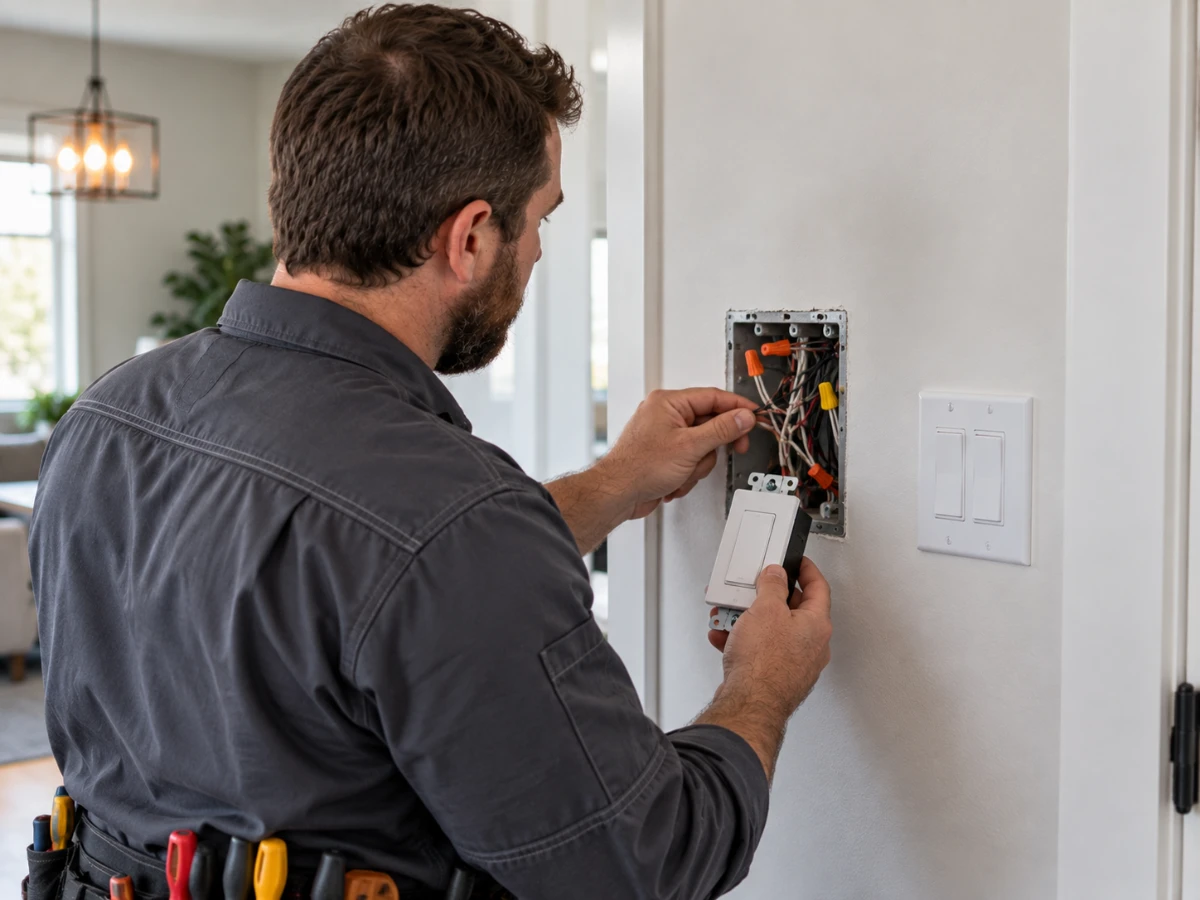
One of the most common smart-home wiring issues involves the neutral wire.
Many modern smart switches need a neutral conductor to maintain a continuous power supply to the switch's internal electronics. Older homes, however, may not have a neutral wire in every switch box.
That can create a temptation for homeowners to improvise.
A smart switch that requires a neutral should not simply be connected to whatever wires happen to be available. Using the wrong wiring configuration can cause the device to malfunction and may create a safety hazard.
LME recommends consulting a professional when a switch box doesn't contain the required neutral conductor, particularly in older Twin Cities homes where wiring methods vary significantly.
Why the switch box itself can be a safety concern
Smart switches can also be physically larger than traditional switches.
Trying to force a larger smart device into a small or already crowded electrical box can leave wiring compressed behind the device. LME notes that overcrowding can create heat and increase the risk of an electrical fire if the box and wiring aren't properly managed.
Before installing a smart switch, an electrician should confirm:
- The circuit has the wiring the device requires.
- The electrical box has enough space.
- The switch is compatible with the lighting load.
- Connections are properly secured.
- The circuit has the required protection.
A smart switch should be installed as part of the home's electrical system, not treated as a simple plug-and-play gadget.
Don't Ignore Overloaded Circuits and Aging Electrical Panels
Smart devices themselves generally don't consume huge amounts of electricity. The safety concern comes when smart-home technology is added to an electrical system that is already operating close to its limits.
A modern connected home may include smart lighting, networking equipment, security systems, entertainment equipment, HVAC controls, an EV charger, heat pumps, and other electrical loads.
Adding these systems without assessing the home's available capacity can put unnecessary strain on existing circuits.
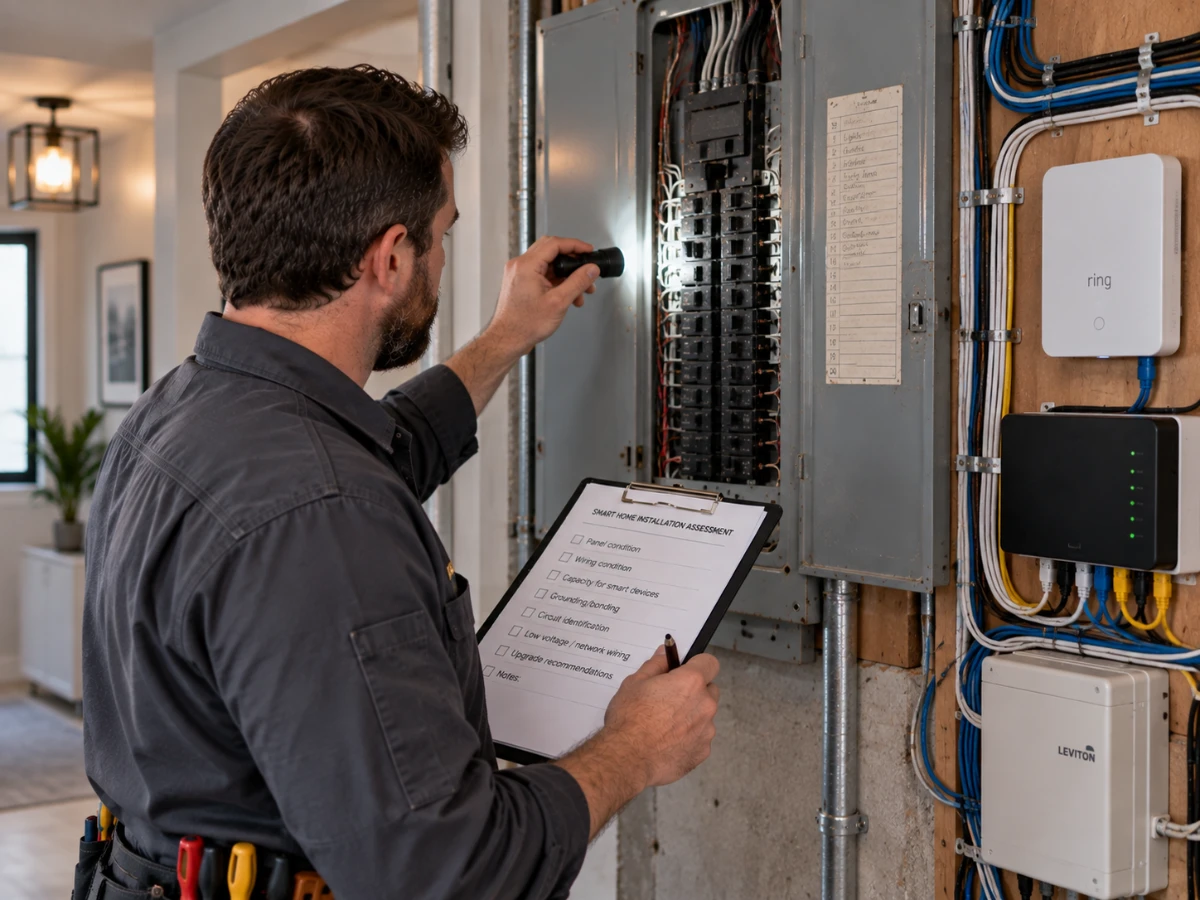
Warning signs include:
- Breakers that trip repeatedly.
- Lights that flicker when equipment starts.
- A panel with little or no available breaker space.
- An older fuse box or electrical panel.
- Circuits that already serve multiple high-demand appliances.
- Plans to add major electrical loads alongside smart-home equipment.
A panel that appears to work normally isn't necessarily adequate for a modern electrical load. Older Twin Cities homes may have panels that were designed for much lower electrical demands than today's homes, particularly when homeowners are adding equipment such as EV chargers or HVAC systems.
When an older panel becomes a smart-home safety issue
The problem isn't that smart technology automatically requires a panel upgrade. Instead, the smart-home project may reveal limitations that already exist.
If your panel is outdated, overcrowded, or unable to accommodate the additional circuits your project requires, an electrician may recommend a panel upgrade or another solution before the new equipment is connected.
This is especially important in older Twin Cities housing, where existing electrical infrastructure may already require attention.
Older Twin Cities Wiring Can Hide Safety Risks Behind the Walls
Smart-home upgrades can expose problems that aren't obvious during everyday use.
Many Minneapolis and St. Paul homes were built decades before smart technology became part of normal household electrical demand. Some older properties may still contain outdated wiring systems, ungrounded circuits, or previous modifications that don't work well with modern equipment.
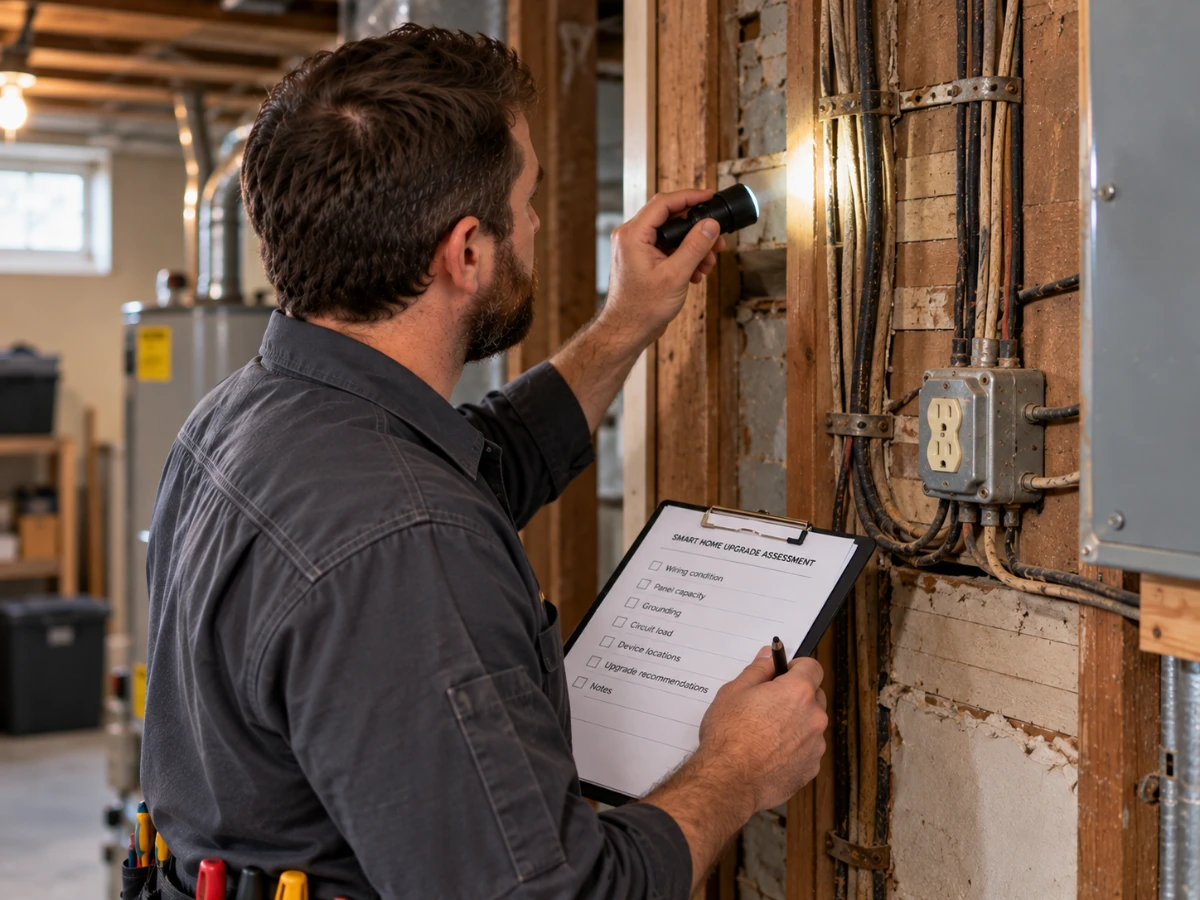
LME identifies several issues that can occur in older Twin Cities homes, including active knob-and-tube wiring, aluminum branch-circuit wiring, degraded insulation, and ungrounded branch circuits.
Knob-and-tube wiring
Active knob-and-tube wiring lacks a structural ground conductor and can have brittle insulation after decades inside a home.
Connecting modern electrical equipment to an outdated system without assessing its condition can create unnecessary safety risks.
Aluminum branch wiring
Some homes built during the 1960s and early 1970s used aluminum branch-circuit wiring.
Aluminum expands and contracts more than copper with changes in electrical load and temperature. Over time, connections can become problematic if the system hasn't been properly evaluated and maintained.
Ungrounded circuits
Older two-wire circuits may not provide the grounding arrangement expected by some modern electrical equipment.
That doesn't mean an older home cannot have smart technology. It means the existing electrical system should be evaluated before new equipment is connected.
Mixing Electrical and Low-Voltage Wiring Without Proper Planning Is Another Risk
A smart home isn't only about electrical power.
Modern systems can also involve Ethernet, networking cables, security equipment, cameras, audio systems, and other low-voltage technology. During a renovation, homeowners may want all of these systems installed together while walls are open.
That makes planning particularly important.
Electrical wiring and low-voltage communications wiring serve different purposes and should not simply be thrown into the same space without considering the applicable installation requirements.
Poorly planned cable routing can also make future repairs difficult. If electrical and communication infrastructure is installed without a clear layout, troubleshooting later can become unnecessarily complicated.
Plan before the drywall goes up
If you're renovating, the safest time to plan smart-home infrastructure is before the walls are closed.
That gives the electrician an opportunity to determine:
- Where power is required
- Where Ethernet or other communications wiring should run
- Which switches need neutral conductors
- Where smart devices will be installed
- Whether new circuits are required
- Where conduit could provide future flexibility
- Whether the existing panel can support the project
Planning ahead isn't only about convenience. It reduces the temptation to make improvised changes later when access to the wiring is limited.
Do-It-Yourself (DIY) Smart Home Wiring Can Turn a Simple Upgrade Into an Electrical Hazard
Many smart-home products are marketed as easy DIY installations. That doesn't mean every installation is safe to perform yourself.
There is a major difference between connecting a battery-powered smart sensor and modifying the electrical wiring inside a wall.
Once you're working with energized circuits, junction boxes, new wiring, circuit modifications, or electrical panels, you're dealing with electrical work rather than simply installing a consumer device.
LME recommends professional installation when homeowners encounter missing neutral wires, older wiring, multi-gang dimmers with specific load requirements, or any situation where they aren't completely comfortable working with electrical circuits.
Stop and call an electrician if you find:
- No neutral wire where your smart switch requires one
- Damaged or deteriorating insulation
- Aluminum branch wiring
- Knob-and-tube wiring
- A crowded electrical box
- Burn marks or signs of overheating
- A breaker that repeatedly trips
- An electrical panel that appears outdated or overloaded
- Wiring you cannot confidently identify
- A need to install a new circuit
Don't rely on wire color alone to determine what a conductor does, and don't assume turning off a wall switch makes the wiring behind it safe to handle.
A licensed electrician can test the circuit, identify the existing wiring configuration, determine what the smart device requires, and make the necessary changes safely.
What about permits?
Permit requirements depend on the electrical work being performed and the authority having jurisdiction.
If your smart-home project involves new circuits, panel modifications, or other substantial electrical work, your electrician will determine whether a permit and inspection are required before work begins.
Key Takeaway
Smart-home technology isn't inherently dangerous, but improper smart-home wiring can create serious electrical safety risks.
The biggest concerns are usually found in the infrastructure behind the devices: missing neutral conductors, overcrowded electrical boxes, outdated wiring, overloaded circuits, aging panels, and electrical modifications that aren't properly planned or installed.
That is particularly important in older Twin Cities homes, where electrical systems may predate the technology homeowners are now trying to install.
If you're planning smart lighting, connected controls, networking, security equipment, or other smart-home upgrades, have the electrical system assessed first rather than trying to make the existing wiring work around the device.
Loch Monster Electric can assess your home's electrical infrastructure and help you plan a safe smart-home installation. Contact Loch Monster Electric online or call 763-292-1191 to schedule an assessment.
Frequently Asked Questions
Yes, when it is properly designed and installed. The safety risks usually come from connecting smart devices to incompatible, damaged, overloaded, or outdated electrical systems. A professional assessment can identify wiring, panel, grounding, and circuit issues before installation.
Some smart switches are marketed for DIY installation, but electrical work can become hazardous quickly, especially in older homes. If the switch requires a neutral wire you don't have, the box is overcrowded, or you're unsure about the circuit, call a licensed electrician.
Don't improvise a connection. Some smart switches require a neutral conductor, while others are specifically designed to operate without one. An electrician can determine what wiring is available and whether a compatible device or new wiring is the appropriate solution.
Smart devices typically use relatively little power, but a larger connected-home project can coincide with other major electrical loads. If you're adding EV charging, HVAC equipment, or other high-demand systems, your electrician should assess panel capacity and existing circuit loads.
Yes, but the existing electrical system should be assessed first. Older homes may contain knob-and-tube wiring, aluminum branch wiring, ungrounded circuits, or outdated panels that require remediation or upgrades before modern electrical equipment is installed.
It depends on the scope of the electrical work and local requirements. New circuits, panel modifications, and substantial wiring changes may require permits and inspections. Your electrician should determine the applicable requirements before work begins.
If you're renovating, installing the infrastructure before drywall is generally easier and provides better access for wiring, conduit, and electrical boxes. Planning early can also reduce the need to open finished walls when you add technology later.