How Electrical Fire and Shock Hazards Threaten Your Twin Cities Home
Updated: Sep 28, 2026
Electrical problems can create two different threats: fire and shock. This guide helps Twin Cities homeowners understand the difference, recognise warning signs, and know what to do when an electrical hazard appears. Learn how older wiring, aluminum branch circuits, outdated panels, AFCI and GFCI protection, and Minnesota electrical requirements affect fire and shock risks—and when it is time to stop troubleshooting and call a professional.
An electrical problem in your Twin Cities home can create two very different dangers: fire or shock. An electrical fire hazard develops when heat, arcing, overloading or damaged wiring can ignite surrounding materials. An electrical shock hazard occurs when a person can come into contact with energized electricity or become part of an unintended current path.
The two hazards can exist in the same home, particularly in older properties. Knowing the difference can help you recognise the warning signs and decide how urgently you need to respond.
Fire Hazard vs. Shock Hazard: The Core Difference That Changes How You Respond
The simplest distinction is this: an electrical fire hazard is primarily a heat and ignition problem, while an electrical shock hazard is primarily a contact and current-path problem.
Fire hazards can develop behind walls or inside electrical equipment. Overloaded circuits, loose connections, damaged insulation and electrical arcing can generate enough heat to ignite nearby materials.
Shock hazards are more commonly associated with exposed conductors, damaged cords, improperly grounded outlets or inadequate GFCI protection. A ground-fault circuit interrupter (GFCI) is designed to shut off electricity when it detects a dangerous ground fault, reducing the risk of serious shock.
The immediate response differs, too. Smoke, flames, sustained arcing or a strong burning smell can indicate an urgent fire danger. A tingling sensation when touching an appliance, exposed wiring or an unprotected receptacle near water points to a shock risk.
Both situations warrant caution. Do not touch, open or attempt to repair electrical equipment simply to determine what is wrong.
Warning Signs You Have an Electrical Fire Hazard Right Now
Electrical fire hazards do not always begin with visible flames. Watch for:
- Burning or hot-plastic smells near outlets, switches or walls
- Discolored, scorched or melted outlet covers
- Buzzing, crackling or sizzling sounds
- Warm or hot outlets and switches
- Breakers that repeatedly trip
- Flickering or dimming lights when a particular circuit operates
- Loose plugs
- Frayed, damaged or pinched cords
- Visible sparks or arcing
A breaker that trips once may have responded normally to an overload. A breaker that repeatedly trips should not simply be reset. Repeated trips can indicate a fault that needs professional attention.
A burning smell, scorching, visible arcing, smoke or a hot electrical panel should be treated seriously. If there is active smoke or fire, leave the home and call 911. If there is no active fire but you suspect overheating, stop using the affected circuit and contact an electrician right away.
This matters in older Twin Cities homes, where wiring and connections may be concealed behind finished walls. Minneapolis property-evaluation guidance identifies exposed wires, improper splices and other electrical defects as safety concerns.
Warning Signs You Have an Electrical Shock Hazard Right Now
Shock hazards may be less dramatic than fire hazards but can be equally dangerous.
Watch for:
- Tingling or a shock when touching an appliance
- Damaged or exposed electrical cords
- Exposed conductors
- Missing outlet or junction-box covers
- Ungrounded two-prong receptacles where grounding is required
- Outlets near sinks, tubs or other wet areas without appropriate GFCI protection
- GFCI outlets that fail to trip or reset properly
- Electrical equipment showing signs of water damage
Minnesota's residential electrical inspection requirements include GFCI protection in locations such as bathrooms, kitchens, garages, basements, laundry areas, crawl spaces and outdoors, subject to the applicable requirements and exceptions.
In an older Twin Cities home, pay particular attention to bathrooms, kitchens and unfinished basements, where electricity and moisture can come into close proximity.
If an appliance gives you a tingling sensation, stop using it immediately. Do not touch it repeatedly to see whether the sensation happens again. Have the appliance and circuit evaluated by a qualified electrician.
How Your Twin Cities Home’s Age Relates Directly to Each Hazard Type
The age of a Twin Cities home can provide clues about its electrical system, and renovation history is an equally important clue.
Knob-and-tube wiring
Older Minneapolis and St. Paul homes may contain knob-and-tube wiring, an early electrical wiring method that predates modern systems.
Its presence does not automatically mean there is an emergency. However, its condition, modifications, circuit protection and whether it has been covered by insulation can affect safety. Minneapolis property-evaluation guidance specifically addresses knob-and-tube wiring and insulation concerns.
Depending on its condition and modifications, an older wiring system can present both fire and shock concerns. A qualified electrician can determine whether it requires repair, replacement or further evaluation.
Aluminum branch-circuit wiring
Some homes built during the 1960s and 1970s may contain aluminum branch-circuit wiring. Particular concern surrounds connections between aluminum conductors and incompatible devices or terminals, where poor connections can generate heat.
Minnesota materials have identified aluminum wiring as a potential fire hazard and addressed corrective measures for connections.
If you suspect aluminum wiring, have the installation professionally assessed rather than attempting to replace devices yourself.
Older electrical panels
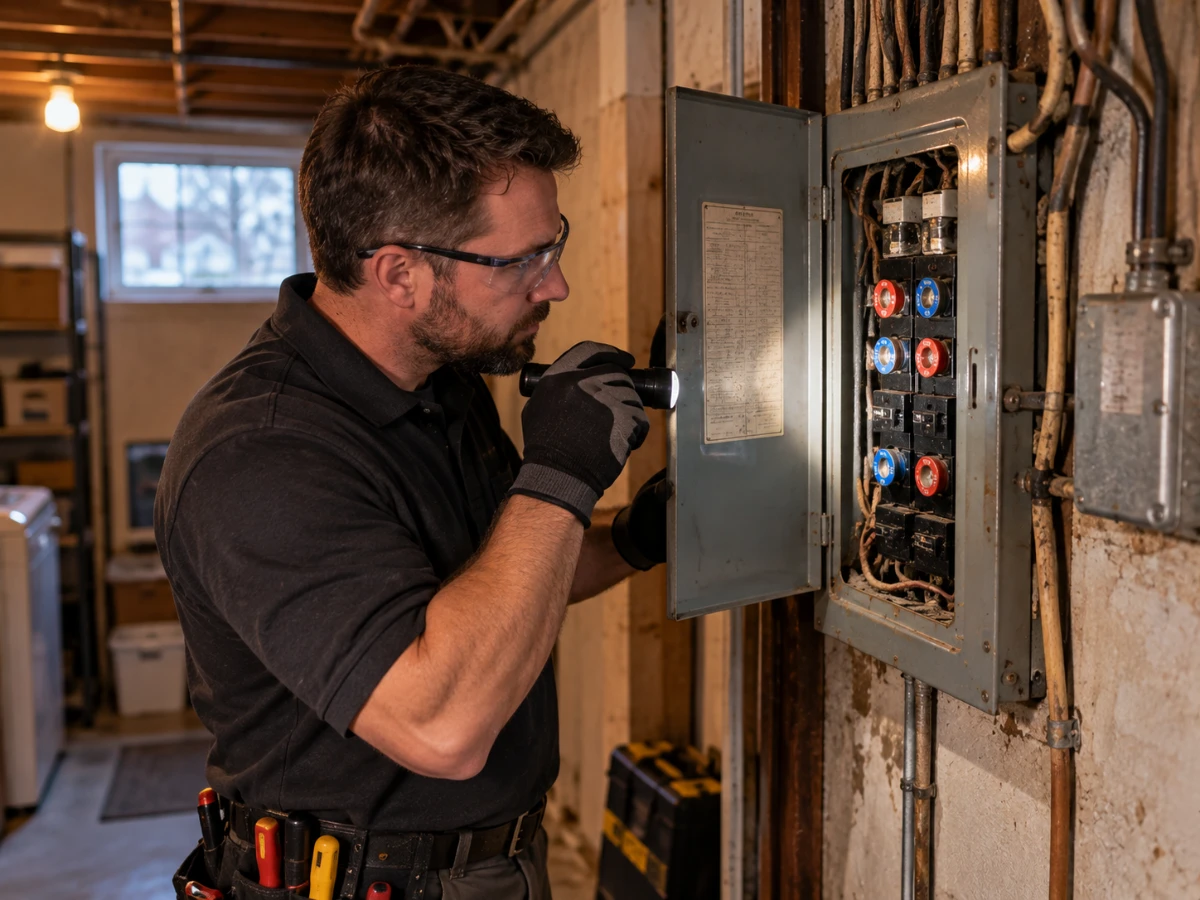
Some Twin Cities homes may also contain older Federal Pacific Stab-Lok or Zinsco panels. The presence of an older panel does not automatically establish an immediate emergency, but unfamiliar, outdated or suspect equipment should be professionally evaluated.
Ultimately, the age of a home is only part of the picture. A century-old house that has been comprehensively rewired can have a very different electrical risk profile from one that still contains substantial portions of its original system.
Minnesota Electrical Code Requirements for Electric Shock and Electrical Fire Hazards
Minnesota adopts the National Electrical Code with state amendments. The 2026 NEC took effect in Minnesota on August 17, 2026.
Two important forms of protection address different electrical hazards.
AFCI protection for fire hazards
Arc-fault circuit interrupters (AFCIs) are designed to detect dangerous arcing conditions that conventional overcurrent protection may not identify quickly enough.
Where AFCI protection is required, it addresses the fire-hazard side of electrical safety. Whether an existing circuit needs to be upgraded during a renovation depends on the scope of work and the code provisions applicable to that project.
That means homeowners should not assume every older circuit automatically needs an AFCI breaker simply because the house is old.
GFCI protection for shock hazards
GFCI protection addresses the shock-hazard side by interrupting a circuit when a ground fault is detected.
Minnesota's residential inspection identifies GFCI requirements for receptacles in bathrooms, kitchens, garages, basements, laundry areas, crawl spaces, outdoors and other specified locations.
The exact requirement depends on the location, equipment and installation, so a qualified electrician should determine what applies to an existing system or renovation.
The Permit and Inspection Process for Emergency Repairs in the Twin Cities Metro
Electrical permits help ensure regulated electrical work meets safety requirements and receives the required inspection.
Minnesota generally requires a permit before regulated electrical work begins, although exemptions exist. Homeowners should also know that being permitted to perform certain work themselves does not necessarily eliminate inspection requirements.
The applicable authority depends on the location. Saint Paul handles electrical permits and inspections through its city permitting system, while Minneapolis uses the state electrical inspection system for applicable electrical inspections.
For an emergency, safety comes first. If there is an active fire or immediate danger to life, leave the property and call 911. Once the immediate danger is controlled, permanent electrical repairs should be completed through the appropriate contractor and permitting process.
Do not assume an emergency allows you to permanently rewire an installation without the required permit or inspection.
Insurance is a separate issue. An unpermitted installation does not automatically determine whether a claim will be covered or denied; coverage depends on the policy and circumstances of the loss. Minnesota's Department of Commerce advises homeowners to report losses promptly and document damage.
What to Do Within the Next 60 Minutes If You Suspect a Hazard
If you suspect an electrical hazard, focus first on keeping people safe.
Call 911 if:
- There is an electrical fire or visible smoke.
- You see sustained sparks or active arcing.
- Someone has received a serious electrical shock.
- There is an immediate threat to life.
If someone is still in contact with an energized source, do not touch the person until the electricity has been safely disconnected. Call 911 and follow the dispatcher's instructions.
Shut down the affected circuit if it is safe
If there is no active fire and you can safely reach the electrical panel, switching off the affected circuit may reduce the immediate risk.
Do not approach a damaged, wet, smoking or actively arcing panel.
Call an emergency electrician if:
- You smell burning but see no fire.
- An outlet or switch is hot, melted or discolored.
- A breaker repeatedly trips.
- You hear buzzing, crackling or sizzling.
- Touching an appliance causes a shock or tingling sensation.
- You find exposed or damaged wiring.
When you call, describe what you observed rather than trying to diagnose the fault. Tell the electrician about burning smells, sparks, repeated breaker trips, hot outlets, exposed wiring or shocks, and identify the affected circuit or appliance if you know it.
Do not:
- Repeatedly reset a tripping breaker.
- Use a hot, damaged or discolored outlet.
- Touch exposed conductors.
- Continue using an appliance that causes a shock or tingling sensation when touched.
- Attempt concealed-wiring repairs yourself.
For Twin Cities homeowners, the rule is straightforward: treat fire symptoms as a potential ignition problem and shock symptoms as a life-safety problem. Stop using the affected equipment and call a licensed electrician.
The Bottom Line
Electrical fire hazards and shock hazards are different threats, but Twin Cities homeowners can encounter both in the same property.
Fire hazards involve overheating, arcing, overloading and deteriorated connections. Shock hazards involve dangerous contact with energized wire, or components or an unintended current path.
Older homes may contain electrical systems that predate modern safety requirements and later renovations can leave a mixture of old and new components. When warning signs appear, professional evaluation is the safest approach.
If you smell burning, see smoke or sparks, or discover a hot or damaged electrical component, act immediately. If there is an active fire or serious threat to life, call 911. For other serious electrical warning signs, stop using the affected equipment and contact a qualified Twin Cities electrician.
The goal is not simply to fix the symptom. It is to identify the hazard, eliminate its cause and ensure required electrical work is properly permitted and inspected.
Frequently Asked Questions
An electrical fire hazard can generate excessive heat or arcing that may ignite surrounding materials. An electrical shock hazard creates a dangerous situation where a person comes into contact with an energized conductor or becomes part of an unintended current path. One defect can create both risks.
Burning smells, hot or discolored outlets, buzzing, crackling, repeated breaker trips, flickering lights, damaged cords and visible sparks are important warning signs. Older wiring can also make professional inspection particularly important.
It can present both risks depending on its condition, modifications and insulation. Its presence alone does not necessarily indicate an emergency, but a qualified electrician should evaluate it, especially if the wiring has been altered or covered with insulation.
AFCI requirements can apply to renovation work, but the exact requirements depend on the work being performed and the code provisions governing the project. Minnesota's 2026 NEC took effect August 17, 2026.