
GFCI Outlet Repair Cost: What Twin Cities Homeowners Pay in 2026
Updated: Aug 20, 2026
Explore 2026 Twin Cities GFCI outlet repair costs, pricing factors, replacement reasons, and Minnesota electrical codes. Learn common failure patterns, troubleshooting steps, and when to call Loch Monster Electric for safe service in Minneapolis and St. Paul.
If you live in the Twin Cities, you probably know how fast our weather changes. From summer thunderstorms rolling across the Mississippi River to cold snaps in the suburbs during winter, our homes take a beating. These can hit your home's electrical system harder than you might think, especially your Ground Fault Circuit Interrupter (GFCI) outlets.
When a GFCI outlet trips and refuses to reset, it can throw a wrench into your morning routine. Naturally, your first thought is probably what a typical GFCI outlet repair costs in the Minneapolis-St. Paul metro area. This guide breaks down exact local pricing, why GFCI outlets are replaced rather than repaired, Minnesota electrical code rules, and common failure patterns. You’ll also understand why it's better to call a pro instead of grabbing a screwdriver yourself.
At Loch Monster Electric, our licensed electricians have seen every kind of home, from 1920s South Minneapolis bungalows with ungrounded wiring to modern suburban builds in Eagan and Woodbury. If you need a GFCI outlet repair, call us today at 763-292-1191 or fill our contact form, and we’ll get in touch with you.
What is a GFCI Outlet?
A GFCI outlet is a special wall plug designed to protect you from severe electrical shocks and electrocution. While normal breakers in your main breaker box only shut off to prevent house fires, this specific wall outlet is uniquely made to save human lives right where you plug things in.
How the GFCI Outlet Works
It constantly measures the electricity flowing into and out of whatever you plug into it. If electricity takes a shortcut through water, a broken device, or your body, the outlet instantly notices the missing power. If this happens, the GFCI cuts the power at the plug in a tiny fraction of a second, stopping the shock before it can injure you or your appliances.
Where GFCI Outlets Are Used & Required by Minnesota Code
If your home was built before 1978, it might be missing important modern safety updates. Minnesota electrical code requires GFCI protection in areas where water and electricity are likely to mix:
- Bathrooms: Within 6 feet of any sink, bathtub, or shower.
- Kitchens: All countertop outlets used for food preparation, as well as any outlets within 6 feet of a kitchen sink.
- Garages & Outbuildings: Every outlet located in a garage or detached shed.
- Basements & Crawlspaces: Unfinished basement areas and damp lower levels with concrete floors.
- Laundry Rooms: Outlets near washing machines and utility tubs.
- Outdoors: All outdoor wall receptacles, including patio and deck outlets exposed to rain and snow.
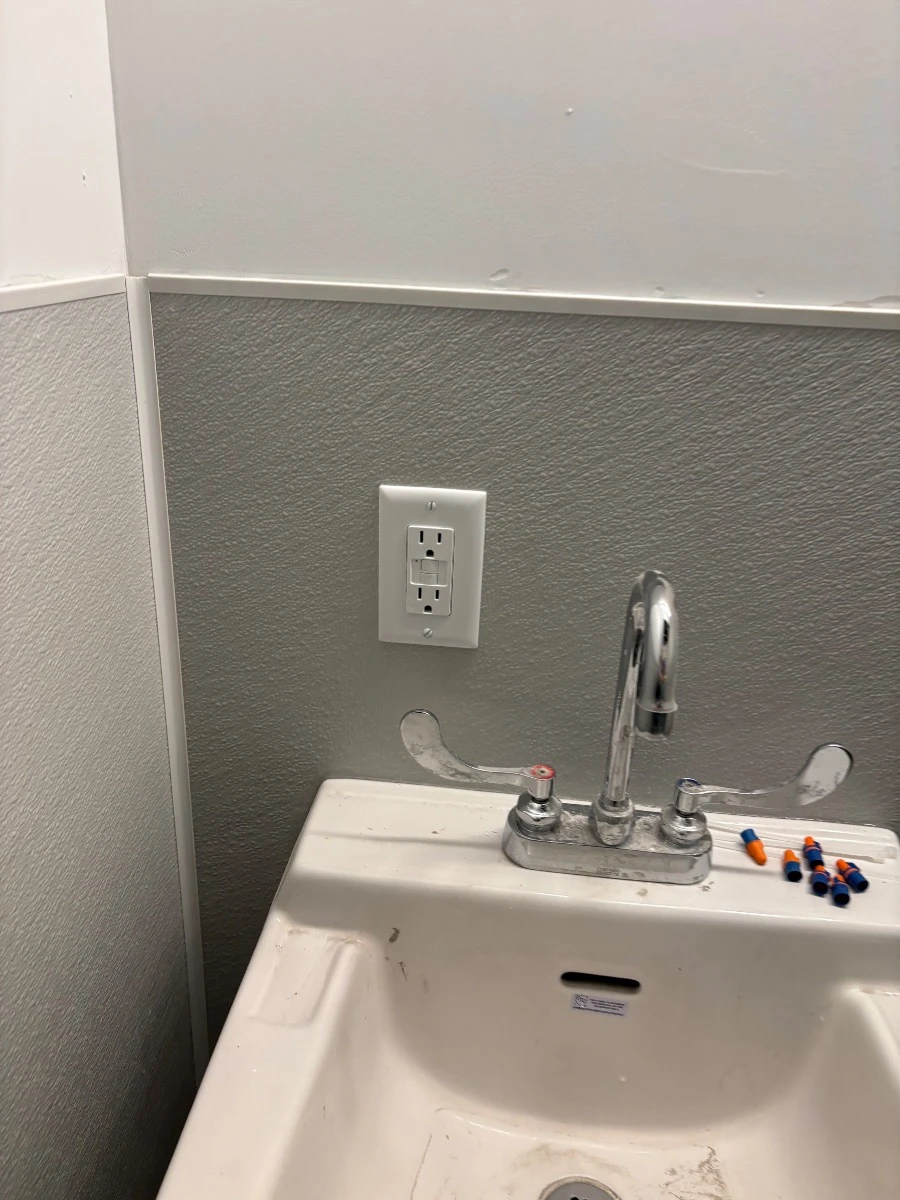
GFCI Outlet Replacement Cost in the Twin Cities
When budgeting for GFCI electrical work in the metro, sticker shock is the last thing you want. Here’s a breakdown of the GFCI outlet replacement cost.
Item | Estimated Cost |
GFCI Outlet Replacement (1 to 4 units) | $ 350.00 - $ 500.00 |
Professional Labor (1 to 1.5 hours) |
Important Note: Our pricing stays the same for up to 4 GFCI outlets replaced within that initial 1.5-hour window. If you need more than 4 outlets replaced, the job will extend into a second hour and be billed as an additional hour of labor.
If you need a GFCI outlet replacement or a new outlet installed, check out our GFCI and AFCI installation services.
Why GFCI Repair Actually Means Complete Replacement
You might wonder why an article about repair costs focuses almost entirely on replacement. Is that standard practice? Yes, replacing a failed GFCI outlet rather than trying to fix it inside the wall is the universal standard practice for all professional electricians and homeowners. Here’s why:
- No Repairable Parts Inside: GFCI outlets are sealed safety devices with tiny internal parts. You cannot take them apart, fix them, or put them back together safely by hand. They are made to be swapped out when they break.
- Strict Safety Testing Rules: Safety testing labs only approve these outlets as complete, sealed units. Opening up the plastic housing ruins the safety rating, making it unsafe to use.
- Common Sense and Safety Laws: Electrical rules require swapping out a broken safety device entirely to protect your family. Paying an electrician hours of labor to troubleshoot an internal circuit board error would cost a fortune. Buying a brand-new unit is much cheaper and safer.
- Expected Lifespan: A standard GFCI outlet lasts about 10 to 15 years. If yours stops working, it has simply reached the end of its working life and needs to be replaced.
Factors That Push Your GFCI Outlet Repair Cost Higher in the Metro
Not every home repair or GFCI outlet replacement costs the exact same amount. A few unique local factors can change the final price for your specific house:
- Home Age and Style: Older historic homes in St. Paul or South Minneapolis often have outdated wiring systems like knob-and-tube. Hooking up a modern safety outlet to old wiring takes extra time to check and test safely. Learn more about this in our
knob-and-tube wiring replacementguide. - Where the Outlet Is Located: Swapping an outlet in an open garage is quick and easy. But working inside a tight crawlspace, behind finished basement walls, or high up on an outdoor wall takes more time and physical effort.
- Daisy-Chained Downstream Outlets: A single master GFCI outlet in a St. Louis Park basement might protect five or six standard outlets in nearby rooms. If the master fails, all downstream plugs go dead, which takes extra time to trace.
- Outdated Electrical Boxes & Aluminum Wiring: Older metal or shallow boxes in 1950s homes often cannot physically fit the bulky body of a modern tamper-resistant GFCI, requiring box updates. Likewise, if your home uses aluminum wiring from the 1960s or 1970s, your electrician must use specialized anti-oxidant paste and approved connectors to prevent fire hazards.
- Your Electrical Panel: If your outlet problem points back to an old, outdated breaker box (like an old Zinsco or Federal Pacific panel found in many mid-century metro homes), your electrician might need to fix those bigger safety issues first. Read our
electrical panel upgradeguide to learn more about upgrade costs, rebates, and red flags that hint you urgently need one. - Time of Day: If your basement outlet shorts out and stops working on a freezing Sunday night during a snowstorm, calling out an emergency electrical repair team after normal business hours will cost extra.
- Electrical Code Rules: When an electrician opens up a wall box to do a repair, state rules in Minnesota may require them to bring surrounding parts like cover plates or ground wires to stay in line with today's safety codes.
Why GFCI Outlets Fail
Understanding why these devices break down can help you stop future headaches. In older metro homes, electricians often see these common problems:
- Basement Moisture Issues: Older basements and stone foundations trap a lot of damp air. Over time, moisture gets straight into the electrical boxes. This causes rust on the internal metal parts. The water damage leads to frustrating, random power trips and total failure, even when your appliances are working perfectly.
- Worn Parts: GFCI outlets contain delicate internal sensors and simple circuits built to last about 10 to 15 years. In homes built during the 1980s and 1990s, these original factory units have simply reached the end of their working life and are wearing out.
- Aluminum Wiring Problems: Many homes built in the 1960s and 1970s use aluminum wires instead of copper. Standard GFCI outlets are not designed to connect directly to aluminum. Over time, heat causes aluminum wires to expand and loosen. This creates dangerous connections that can cut off power completely, melt the outlet, or cause fires unless a proper copper-to-aluminum adapter is used.
- Installation Wiring Mistakes: During installation, it is very easy to mix up the incoming power wires with the outgoing wires. If these connections are reversed, modern GFCI outlets will automatically lock themselves down. They will cut off power and refuse to reset until the wires are fixed properly.
- Power Surges and Lightning: The sensitive electronics inside a GFCI cannot handle sudden, massive spikes in electricity. A nearby lightning strike or a severe power surge from the power grid can instantly fry the outlet's internal circuit board. This destroys the safety features and leaves the device completely dead.
- Overloaded Circuits: GFCIs are designed to detect safety leaks, not overload limits. Running too many high-powered appliances at the same time can draw too much electricity through the outlet. This creates extreme heat that warps or melts the delicate internal plastic and spring components.
- Heavy Physical Wear: In busy areas like kitchens and workshops, plugging and unplugging heavy cords hundreds of times wears down the internal metal clamps. Once these springs lose their tight grip, they create tiny sparks and unstable power connections. These loose connections trick the smart sensors into tripping constantly.
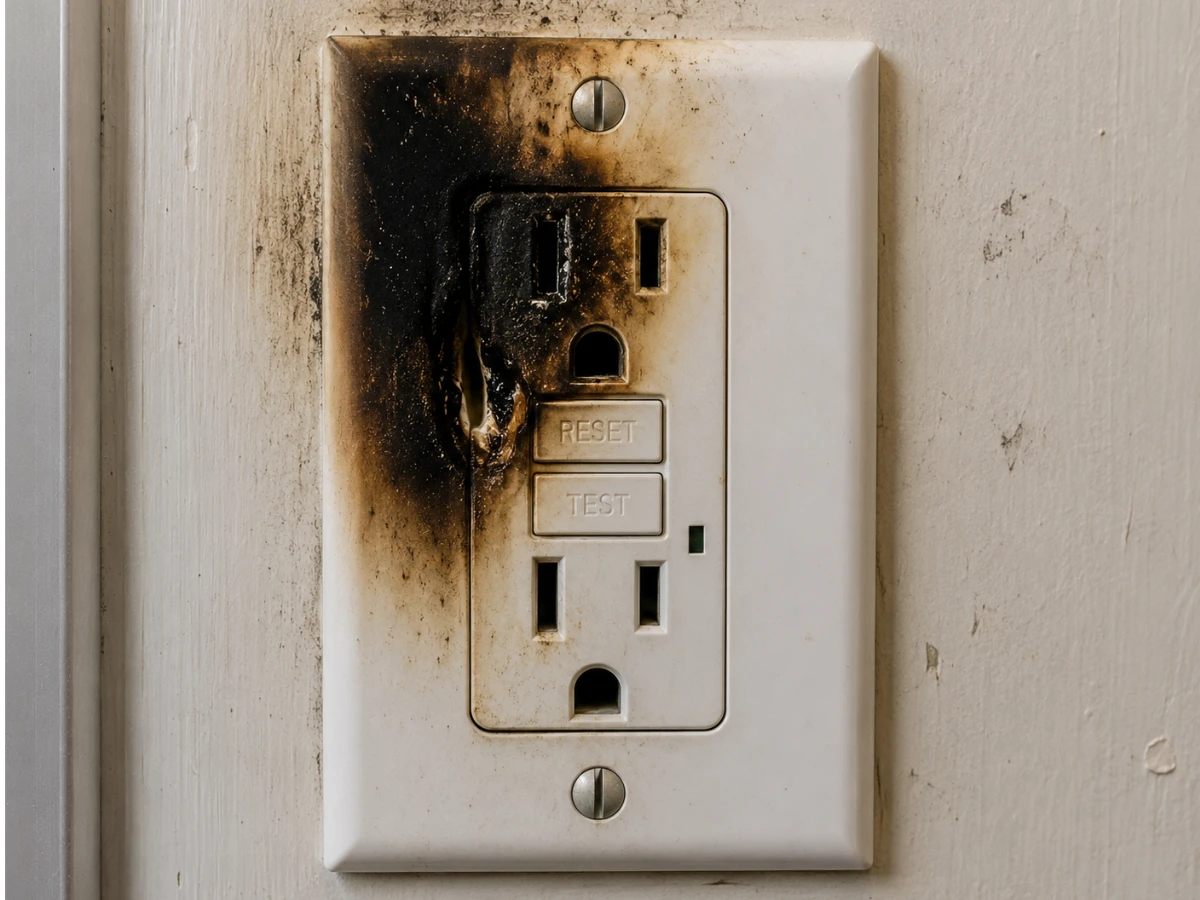
If you are dealing with general outlet and switch issues alongside your GFCI troubles, our team provides outlet and switch repair services.
How to Safely Troubleshoot a Tripped GFCI Outlet Before You Call an Electrician
Before dialing for professional help, you can run through a quick, safe troubleshooting checklist:
- Unplug Everything: Disconnect all appliances and lamps connected to that specific outlet and any downstream outlets.
- Check Your Main Circuit Breaker: Head to your main electrical panel and make sure the breaker for that room hasn't tripped. If a breaker is flipped to the middle or off position, flip it completely off and then back on.
- Locate the Buttons: Look at the face of the GFCI outlet for the Test and Reset buttons.
- Press the TEST Button: You should hear a clear click. If you do not hear a click, the outlet is probably already dead, which means it is time to call an electrician to get a replacement. It could also mean the outlet is not getting power from the breaker box.
- Press the RESET Button: Firmly press in until you hear another click. If the button feels loose, won't stay down, or doesn't click, it usually means the inside parts are completely worn out, so you will need a replacement. It could also mean that power isn't reaching the outlet.
- Test for Power: Plug a simple desk lamp into the outlet to verify if power is back.
Note: If you already checked your main breaker and confirmed the panel is working, a lack of power usually points to a broken wire or a loose connection inside the wall box. Because fixing wiring hidden behind walls involves severe electrical and fire risks, this is the time to stop and call a licensed electrician.
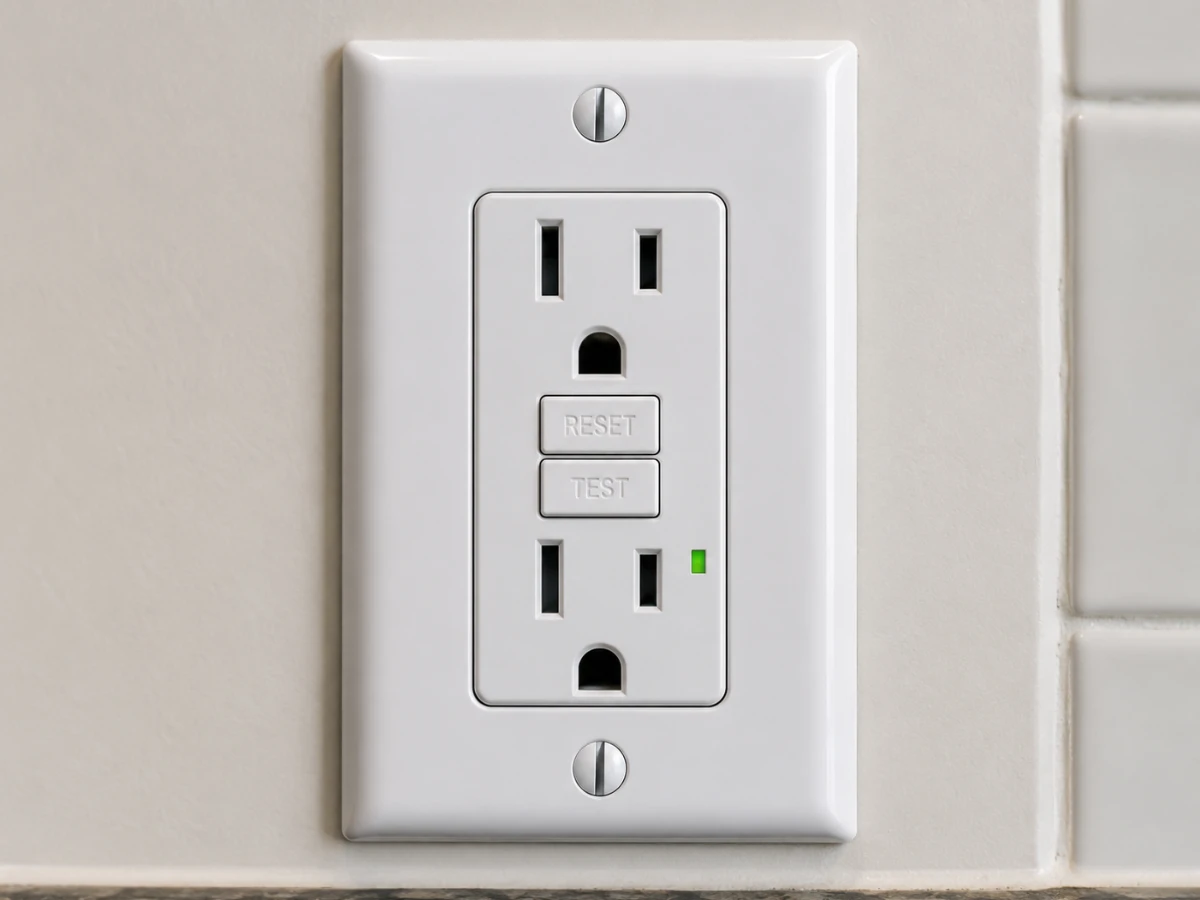
Stop and Call an Electrician Immediately If:
- You smell burning plastic or a faint fishy odor near the wall.
- You see scorch marks, discoloration, or melting around the plastic slots.
- The reset button pops right back out immediately or feels limp.
- The outlet trips repeatedly even when absolutely nothing is plugged into it.
If you’re having any of these issues, call us at 763-292-1191 or check out our emergency electrical repair services.
Permits for GFCI Outlet Work in Minnesota
Figuring out building permits can feel confusing. Minnesota Department of Labor and Industry rules usually require a permit for electrical work. However, there are some exceptions for minor fixes homeowners can do themselves in single-family houses.
When you hire a licensed master electrician from Loch Monster Electric, we take care of all the required permits and local inspections for you. Rules vary depending on your city:
- Minneapolis & St. Paul: These cities have strict rules that require digital permit filing and local approvals.
- Suburban Areas: Cities like Bloomington, Plymouth, Burnsville, and Eden Prairie have their own local building departments that follow state electrical codes and set their own inspection times.
Ready to Replace Your GFCI Outlets?
Dealing with a constantly tripping or dead electrical outlet shouldn't ruin your week. Whether you need a quick GFCI outlet install in Richfield, new wiring in Eden Prairie, or a full system upgrade in Minneapolis or St. Paul, our licensed local electricians are ready to help.
Visit Loch Monster Electric today or call us at 763-292-1191 to keep your Twin Cities home safe and powered up.
Frequently Asked Questions
If nothing is plugged in and the outlet still trips, the problem is usually caused by moisture trapped inside, a worn-out internal part, or a short circuit in the wiring behind the wall.
A GFCI outlet won't reset if there is an issue further down the line (a downstream ground fault), if the wires were hooked up backward during installation, or if the internal testing parts have completely worn out.
Standard GFCI outlets typically last between 10 and 15 years. Over time, daily use and power surges wear out their internal sensors.
While Minnesota law technically allows homeowners to do minor DIY repairs on single-family homes, working with electricity is dangerous and carries risks of shock or fire. Hiring a licensed electrician from Loch Monster Electric ensures the job is done safely and follows local codes.
Yes. In Minnesota, an electrical permit is legally required for almost all electrical work. This includes simple, direct replacements like swapping an old outlet, switch, or GFCI outlet for a new one. If you own and occupy the residential property as your primary residence, you can pull this permit yourself. However, rules can vary by municipality. Always check with your local city or county building department to confirm local permit rules.