Circuit Breaker Repair Cost: Minnesota Pricing Guide
Updated: Aug 25, 2026
This guide breaks down circuit breaker repair costs for Twin Cities homeowners, covering typical pricing, warning signs of a failing breaker, when a full panel replacement is needed, Minnesota permit and code requirements, and how to know if it's a same-day electrical emergency.
If your lights just flickered for the third time today, or a breaker in your panel won't stay on no matter how many times you tried to reset it, you're probably wondering two things: is this dangerous, and how much is this going to cost me? The good news is that we can answer both questions.
At Loch Monster Electric, we know that the total cost for a permanent fix could go beyond a simple circuit breaker replacement. It depends on your panel's brand, how old it is, and whether that cranky breaker is actually a symptom of a bigger issue hiding behind the scenes. Our licensed electricians can inspect your panel, tell you exactly what's going on, and give you a straight answer before any real work begins.
In this guide, we'll inform you about the warning signs that tell you whether it's a same-day emergency or something that can wait. Then we’ll walk you through what Twin Cities homeowners actually pay to repair or replace a circuit breaker along with the factors that can move your price up or down. If you need someone to look at your circuit breakers, call us at 763-292-1191 or fill this contact form and we’ll get in touch with you.
Circuit Breaker Repair Cost for Twin Cities Homeowners
Here's a quick breakdown of the standard circuit breaker replacement cost in the metro.
Item | Estimated Cost |
Circuit Breaker Replacement Parts | $ 215.00 - $ 400.00 |
Professional Labor (1 to 1.5 hours) | |
Visit Charges | $ 170.00 |
Total Cost | $ 385.00 - $ 570.00 |
Important Note: If you need additional breakers replaced on the same visit, you'll only pay for the additional labor and parts needed to finish the job, and the visit charge stays the same. Check out our circuit breaker repair services to learn more.
One quick clarification while we're here: residential circuit breaker repair cost almost always means breaker replacement, not an actual repair. More on that below.
Why Circuit Breakers Are Replaced and Not Repaired
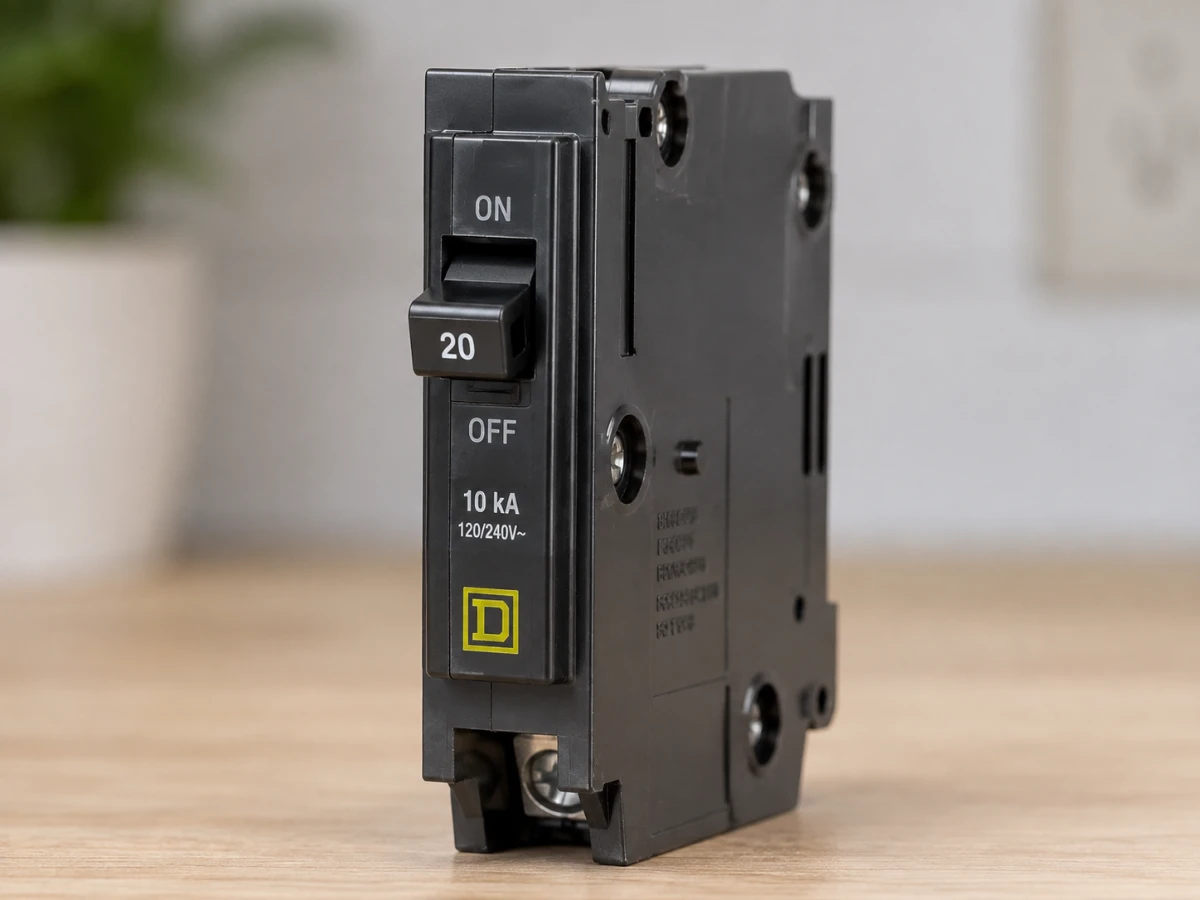
Can broken circuit breakers be repaired? The answer is, not really. Breakers are sealed safety devices, and once one fails, it gets swapped for a new one rather than opened up and fixed. This is not only the standard practice, but also cheaper and more practical.
Cost Factors That Push Circuit Breaker Replacement Cost Higher
There are a handful of factors that can explain most of the price variation you'll see in quotes from electricians around the metro.
- GFCI or AFCI breakers - These safety breakers cost more than standard circuit breakers because they can detect ground faults or arc faults. If your home's older breakers don't meet current Minnesota code, swapping in a GFCI or AFCI version is often required and will add to the bill.
- Panel brand and breaker availability - This is a big one for older Twin Cities homes, especially the ones that were built before the 1980s across cities like White Bear Lake or New Brighton. If your panel is a Zinsco, Federal Pacific Electric (FPE), or Pushmatic, compatible breakers are harder to find and cost more, if they're even still made. In some cases, a full panel replacement ends up being safer and more practical than chasing down a hard-to-find breaker.
- Labor rates by area - Electricians working in Minneapolis and St. Paul often charge slightly more than ones out in Maple Grove, Woodbury, or Lakeville, mostly due to overhead and drive time. It's not a huge gap, but it adds up.
- Permit fees - Depending on the scope of work, a permit fee may apply on top of labor and materials. (More on when that's required below.)
- Time of day - Evening, weekend, or holiday calls almost always carry an emergency premium. You can expect to pay more for an emergency Sunday night visit than a scheduled weekday morning appointment.
- Who's doing the work - Under Minnesota code, breaker replacement generally needs to be done by a licensed electrician. That licensing requirement is part of what you're paying for. Having a certified professional handle it guarantees the work is done to code, protecting your home's safety and preventing potential claim denials if faulty wiring ever causes a fire down the road.
Warning Signs Your Circuit Breaker Is Failing Before It Trips Your Whole Panel
A failing breaker rarely goes from fine to dead overnight. It usually gives you a few warnings first. Here's what to watch for, and what each warning sign is telling you.
- The Breaker Trips Constantly: If the same circuit breaker keeps tripping even when you're not overloading the circuit, that's the most common sign of a worn-out breaker. It might just need replacing. This is not an emergency, but don't ignore it. To learn more about the likely causes and how to safely reset the tripped breakers, read our
circuit breaker keeps trippingguide. - Breaker Won't Reset: A breaker that flips back off the second you reset it, or won't move at all, has usually failed internally. This one's worth calling about within a day or two.
- You Smell Something Burning: Any burning, plasticky, or hot electronics smell near your panel is a same-day call. This can mean an overloaded circuit causing overheated wiring or a breaker that's arcing internally; it's not something to sit on overnight.
- The Panel Door or Cover Feels Warm: Panels shouldn't feel warm to the touch. If yours does, especially near a specific breaker, call right away rather than waiting for a scheduled slot.
- Lights Flicker on One Specific Circuit: If it's just one circuit flickering (not the whole house), the breaker feeding that circuit, or its connection at the panel may be the culprit.
- Visible Scorch Marks or Discoloration: Black or brown marks around a breaker mean it has already arced or overheated. This is a same-day, don't-wait situation.
- Burning Rubber Smell or Buzzing Sound: A buzzing panel or a burning-rubber odor points to loose or damaged connections, which is a job for a licensed electrician, not a DIY fix. A circuit breaker repair should be done as soon as possible
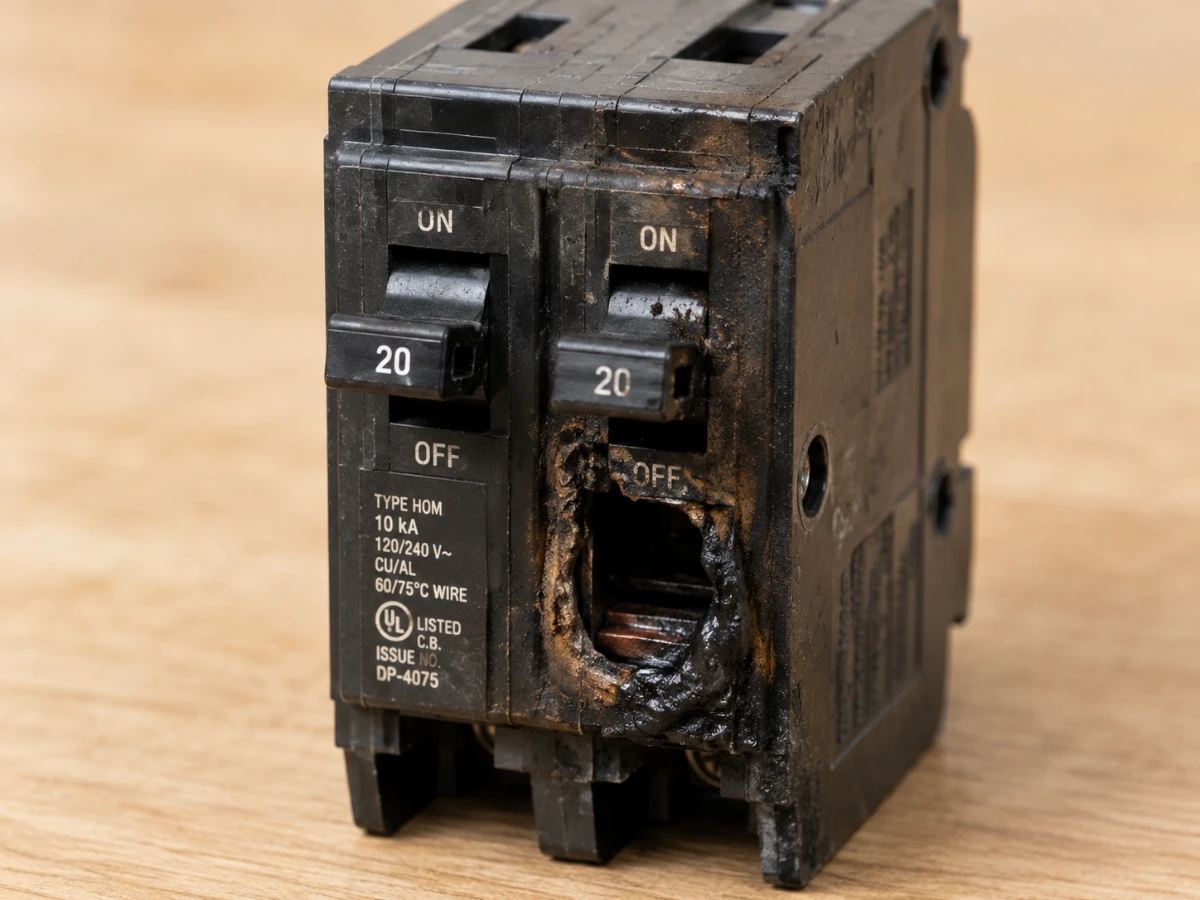
If you're dealing with any of the warning signs above, especially a burning smell, sparking, scorch marks, or total loss of power, first shut off the main breaker if you can safely do so. Then call us at 763-292-1191 for emergency electrical repair right away. Don't wait.
Important Note: emergency call volume climbs every year between November and March. Cold snaps push furnaces, space heaters, and block heaters onto circuits that weren't built for that kind of load, and older panels feel it first. If you know you've got a trippy breaker, it's smart to get it looked at before the first hard freeze rather than right after it hits, when every electrician in the metro is booked solid.
Why You May Need a Full Panel Replacement
If you live in newer developments like Stonemill Farms in Woodbury, or Pilot Knob in Eagan, where homes are typically 10 to 20 years old, your panel should have plenty of spare capacity built in. In this case, a simple circuit breaker replacement may be all that is necessary.
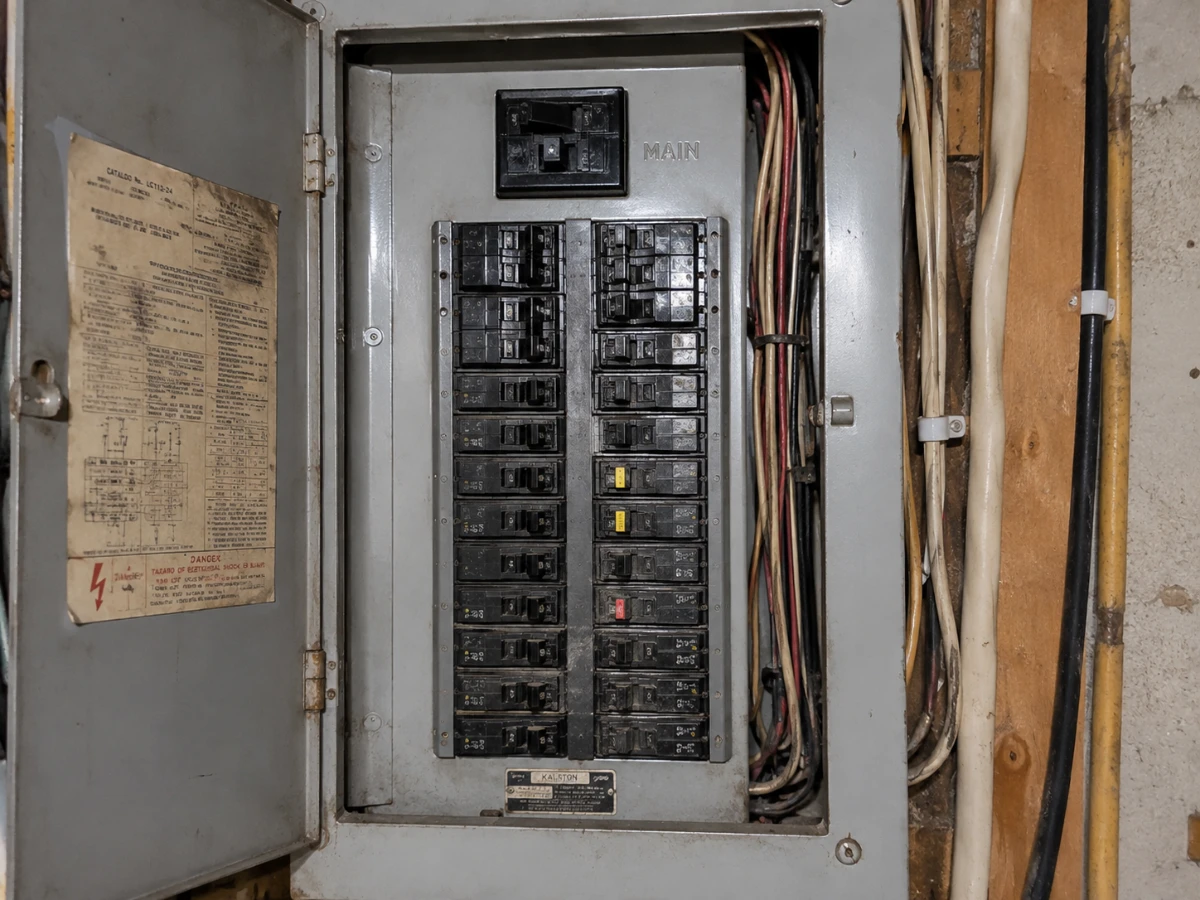
If you live in a home built before the 1980s, you’re likely still running on panels installed decades before smart thermostats and EV chargers were ever a thing. This is common in historic St. Paul neighborhoods like Crocus Hill and Highland Park. If so, you may have outdated panel brands, undersized service capacity or wiring that doesn't meet current standards. In this case, a panel upgrade may be required, pushing up repair costs.
A few red flags that point toward a panel upgrade instead of a simple circuit breaker swap:
- Double-tapped breakers: If there are two wires jammed under one breaker terminal, it is double-tapped. This is a code violation and a fire risk. A single double-tap can sometimes be resolved with the right tandem breaker, but a panel with multiple double-taps and no room to fix them properly usually means replacement.
- A panel at full capacity: If there are no open slots left for the breaker you need, this means you need either a panel upgrade or an added sub-panel.
- A recalled or discontinued panel brand: Zinsco and FPE panels have known safety concerns, and the standard fix is a full panel replacement rather than a breaker swap.
If a full panel swap is the best option, read our electrical panel upgrade guide for a breakdown of the costs, rebates, and all the things you need to consider.
Note: Replacing old wiring is something that is often addressed alongside the replacement of an outdated panel. This includes aluminum branch wiring, common in homes built during the 1960s–70s, and knob-and-tube wiring, found in many pre-1940s homes across cities like St. Paul and Minneapolis.
Read our house needs rewiring guide to learn more about aging wiring and warning signs that hint your electrical wiring is outdated.
Minnesota Electrical Code and Permit Requirements for Circuit Breaker Electrical Work
Electrical work in Minnesota falls under the state's electrical statute, which is administered by the Minnesota Department of Labor and Industry (DLI) and follows the National Electrical Code (NEC).
The General Rule of Thumb
Swapping a breaker for an identical, same-capacity replacement in the same spot does not often require a permit. But if the job involves anything beyond a simple swap (like added circuits), or panel work, a permit is typically required, and the work must be inspected before it's signed off.
GFCI/AFCI Protection
Current Minnesota code also requires AFCI protection on most bedroom and living space circuits. It requires GFCI protection in kitchens, bathrooms, garages, and other damp or high-risk locations. If your home's older breakers don't meet these standards, replacing a standard breaker with an AFCI or GFCI version may be required by code.
Visit GFCI and AFCI installation services to learn more.
Why You Shouldn’t Skip a Permit
Skipping required permits isn't just a technicality. Unpermitted electrical work can complicate insurance claims if something goes wrong later, and it can become a real headache during a home sale when a buyer's inspector flags it. It's cheaper to do it right the first time.
Ready to Replace Your Breakers?
A breaker that keeps tripping is annoying, but it's also your panel's way of asking for help before something worse happens. Whether it's a quick swap or a sign your panel's ready for an upgrade, getting it looked at by a licensed Minnesota electrician is the only way to know for sure what you're dealing with.
Loch Monster Electric helps keep the lights on and panels safe for homeowners from Woodbury to Eden Prairie, and across the Twin Cities metro. If a breaker's been giving you trouble, give us a call at 763-292-1191 and we'll get to the bottom of it right away!
Frequently Asked Questions
Most circuit breaker replacements in Minneapolis or St. Paul run $385 to $570, depending on the type of breaker, the condition and type of wiring in your home, and the accessibility of your breaker panel.
Not really. Breakers are sealed safety components, so once one fails or wears out, the standard practice is replacement rather than repair. This keeps the internal safety mechanism reliable.
It depends on the job. A like-for-like breaker swap in the same location does not often require a permit, but anything beyond that (like added circuits or panel changes) typically requires a permit through the Minnesota DLI or your local city.
No. A breaker that trips repeatedly is doing its job by protecting your home from overload or a fault. Repeatedly resetting it without finding the cause raises the risk of fire. It's best to get it checked rather than to keep flipping it back on.
A straightforward breaker swap usually takes an hour to 1.5 hours once the electrician is on-site. If a broader panel diagnosis is needed, plan for a longer visit.
Coverage varies by policy and by the cause of the damage. Sudden electrical failure may be covered, while damage tied to age, neglect, or unpermitted work often isn't. Check with your insurance provider directly, and keep any permits and inspection records from licensed work on file.