Home Electrification Explained: Heat Pumps, Induction Cooking & EV Charging in Minnesota
Updated: Sep 18, 2026
Learn what home electrification means, how EV charging, heat pumps, induction cooktops, and heat pump water heaters compare to gas, what they cost, and which rebates are actually still available in Minnesota in 2026.
Natural gas prices keep climbing up. Xcel Energy keeps pushing toward cleaner power. Now more of your neighbors in Minneapolis, St. Paul, and the surrounding suburbs are swapping gas furnaces and stoves for electric ones. So what's actually going on?
This is called home electrification, and it's one of the biggest shifts in how homes use energy. This guide walks you through what it means, what it costs, and how to get started, with a licensed Minnesota electrician checking your panel before anything gets installed.
Ready to see if your home is ready for an upgrade? Loch Monster Electric is a team of licensed electricians serving the Twin Cities metro. Call us at 763-292-1191 or fill out our contact form to get started.
What Is Home Electrification?
Home electrification means replacing the gas-powered systems in your house, like the furnace, water heater, stove, and car, with electric versions. These can be powered by the grid or by solar.
Home electrification usually covers four areas:
- Heating and cooling: swapping a gas furnace for an electric heat pump.
- Water heating: moving from a gas tank to a heat pump water heater.
- Cooking: trading a gas range for an induction cooktop.
- Transportation: charging an EV at home instead of stopping to fill up at the gas station.
You don't have to do all four at once. Most Twin Cities homeowners phase it in as old appliances wear out. Every one of these upgrades pulls more power through your electrical panel, which is why a licensed electrician's assessment should always come first.
EV Charging at Home
If you've plugged an EV into a regular wall outlet, you already know the problem. That's Level 1 charging, and it only adds about 3 to 5 miles of range per hour. Level 2 charging is the real answer for daily drivers. It runs on a dedicated 240-volt, 48-amp circuit and adds 25 to 40 miles of range per hour, enough to fully charge overnight no matter how cold it gets.
This is why most homeowners with an EV end up installing a Level 2 charger instead of relying on Level 1. A standard Level 2 setup typically costs from $1,500 to $3,200 installed, depending on how far your panel sits from your garage. Our EV charger installation cost guide breaks down exactly what drives your price up or down.
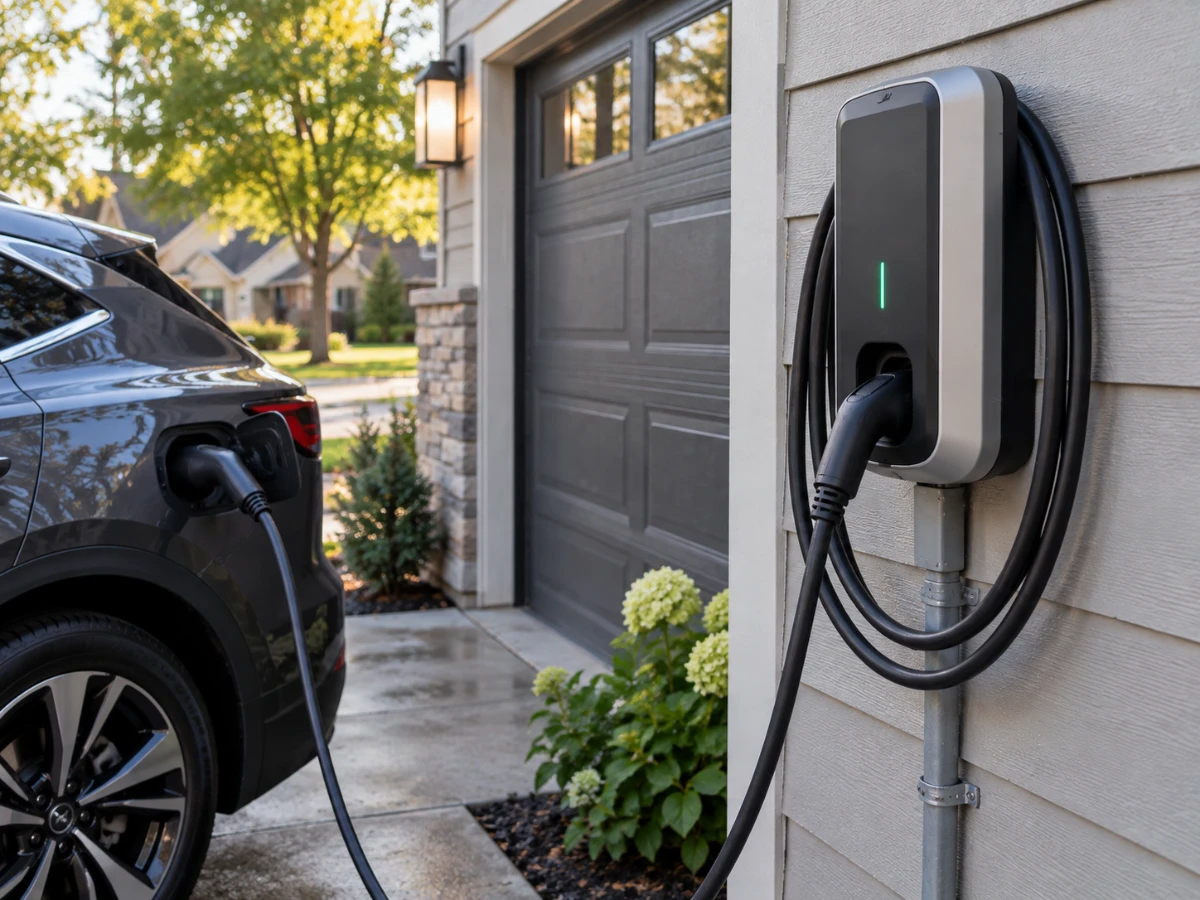
Older homes in Minneapolis, St. Paul, and first-ring suburbs like Richfield often have 100-amp panels that simply can’t supply enough power to support an EV charger. This is why it is always recommended to do a panel assessment and a load calculation by a licensed electrician before scheduling your electric vehicle charging installation.
Ready to charge at home? Check out our EV charger installation services.
Heat Pump vs. Gas Furnace
Heat pumps run on electricity and move heat instead of burning fuel, so they're typically two to four times more efficient than a gas furnace. That efficiency often means lower monthly heating costs, though your exact savings depend on your home layout, insulation, and your utility provider’s electric rates.
“Do heat pumps work in Minnesota winters?” is a question that every Twin Cities homeowner asks at some point, and the honest answer is yes, as long as you buy the right kind. A standard heat pump can't keep up once temperatures drop below freezing. A cold-climate heat pump, rated to work down to -13°F or lower, is built for exactly the winters we get around here.
Installing a cold-climate heat pump involves both HVAC work and electrical work. The electrical side means running a dedicated circuit from your panel out to the heat pump's outdoor disconnect box, plus wiring the disconnect itself so the unit can be safely shut off for service. That work alone typically runs $400 to $1,500. If your home's panel doesn't have room for the new circuit, a panel upgrade is a separate cost. More on that below.
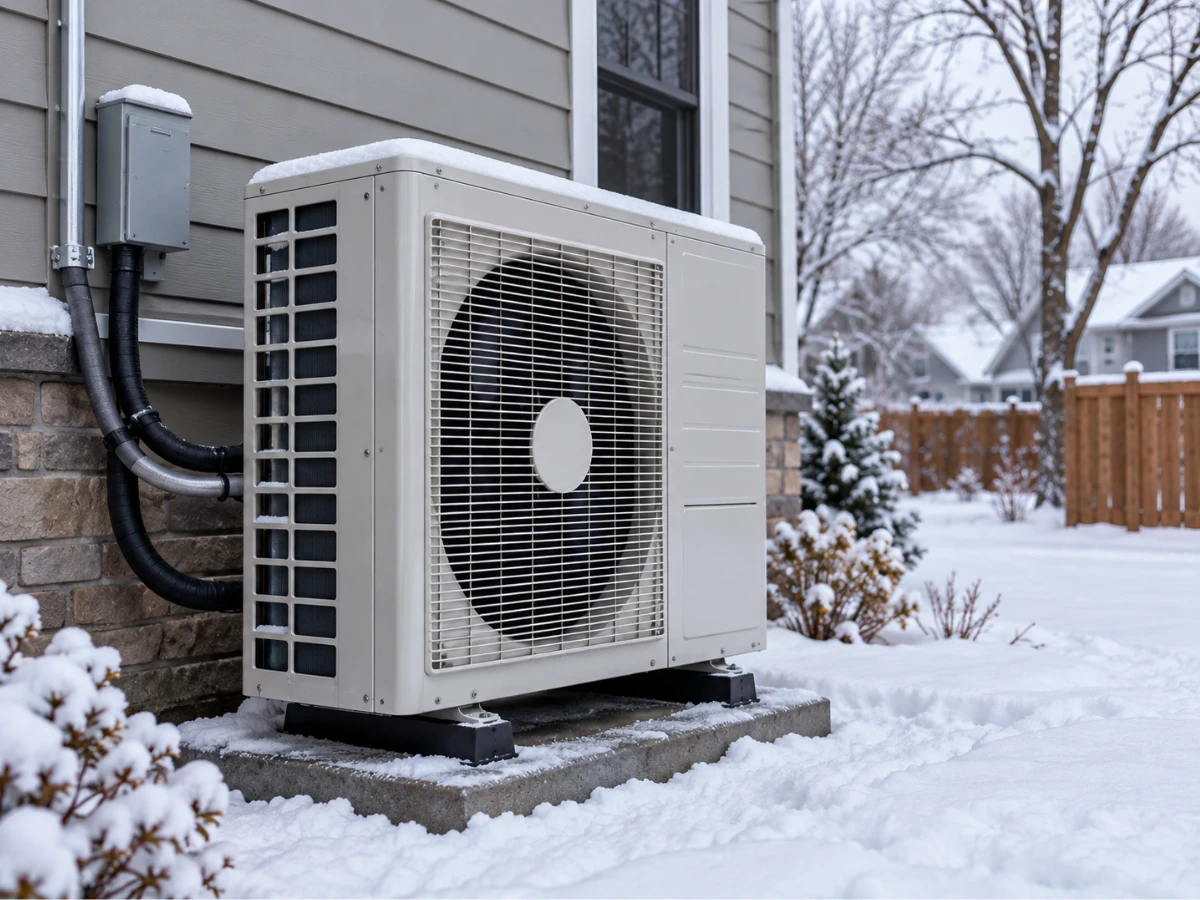
Since a heat pump handles both heating and cooling, it's doing the job of both your furnace and your central air conditioner. This means it can replace both once the heat pump is installed. Or you can choose to keep your furnace as a backup, like many homeowners do for the coldest days.
Induction Cooking vs. Gas: What Changes in Your Kitchen
Induction cooktops heat pots and pans directly, using electromagnetic energy. They boil water faster than gas. They also give you tighter temperature control.
There's a real air quality benefit too. Gas burners release nitrogen dioxide and carbon monoxide. Induction cooktops don't. That matters more in Minnesota, where homes are sealed up tight and don't get much fresh air in the winter.
The only catch to the induction cooktop benefits is the circuit. Induction ranges need a dedicated 240-volt, 40 to 50-amp circuit. A standard 240-volt circuit installation, not including the cost of the appliance itself, typically runs $500 to $1,500.
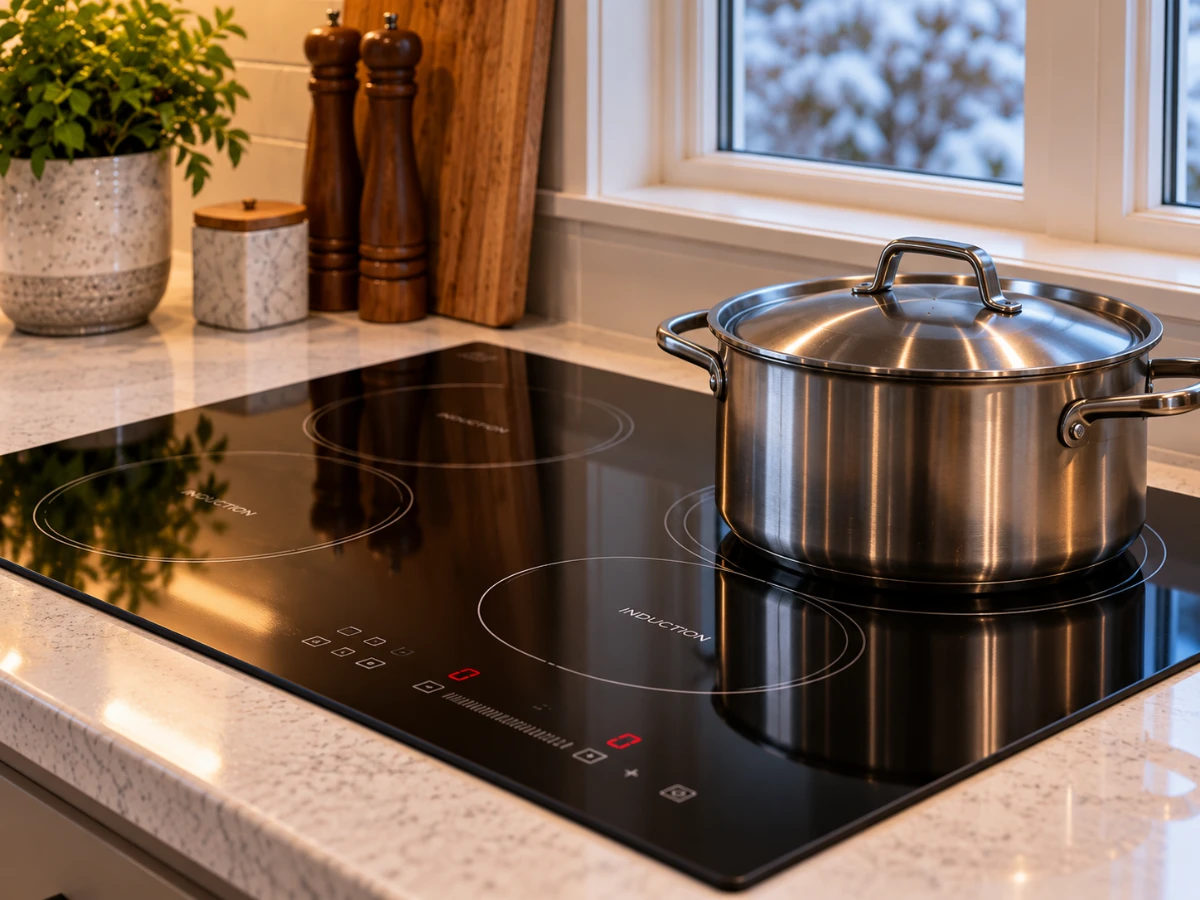
Older Twin Cities homes with a 100-amp panel usually need a subpanel or a full panel upgrade first. See our electrical panel upgrade services to learn how we can install this for you.
Electric Water Heater vs. Gas: Why Heat Pump Water Heaters Win
A heat pump water heater (HPWH) pulls warmth out of the surrounding air and uses it to heat your water, which makes it up to three times more efficient than a standard electric tank and cheaper to run than gas over time.
Here's the catch for Minnesota: a HPWH pulls heat out of the air around it, which means it needs a decent amount of warmth in that air to work efficiently. Most basements stay in the 40°F to 50°F range or higher, which is fine. But if your basement runs colder than that, the unit falls back on its built-in electric resistance heater. This works, but costs more to run and cuts into your savings.
These units need a dedicated 240-volt, 30-amp circuit. That electrical installation work of running the circuit and wiring the connection typically costs around $400 to $1000. The water heater unit itself and its plumbing hookup are a separate cost, which is usually handled by a plumber.
Alt image: Image of heat pump water heater installed in a home basement
Your Electrical Panel Is the Bottleneck
Here's the piece that trips up almost every home electrification project: your panel. A typical 100-amp panel in a 1970s St. Paul rambler was meant for lights, a furnace blower, and basic appliances. Add an EV charger, a heat pump, and an induction range on top of that, and you're asking way more of that panel than it was ever built to handle.
Most homes electrifying multiple systems end up needing a 200-amp panel. A full panel upgrade in the Twin Cities typically runs $3,000 to $7,000, covering labor, parts, and code-required grounding. If a full upgrade isn't in the budget yet, a smart load-management panel is a lower-cost bridge that shares power between circuits so you don't trip your main breaker.
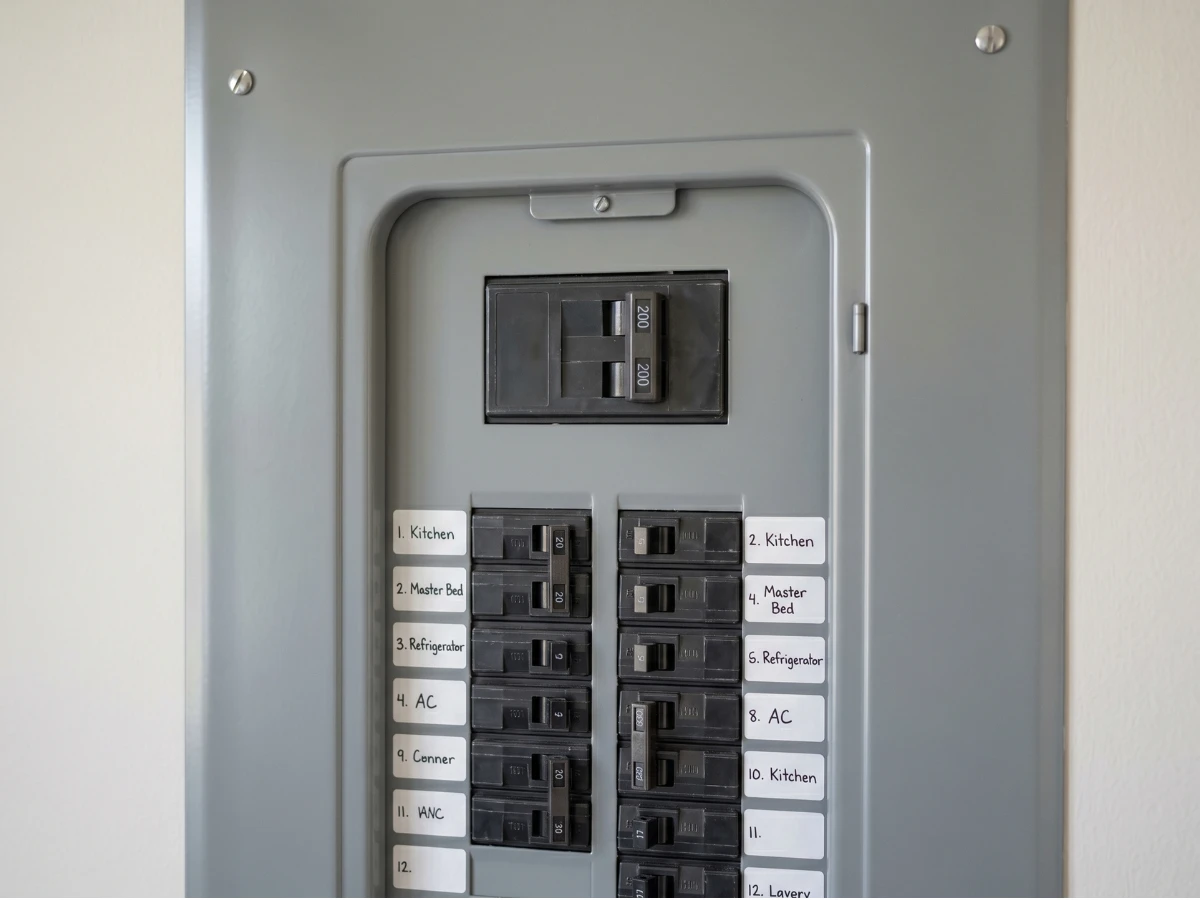
This is not a DIY project. A licensed Minnesota electrician needs to run the load calculation and confirm what your home actually needs before you buy a single appliance. Read our home electrical panel upgrade cost guide for a detailed breakdown on cost factors, and installation process.
Minnesota Permits, Codes & Inspections for Home Electrification
Nearly every type of home electrification project comes under the Minnesota's State Electrical Code, and most require a permit. This includes new EV charger circuits, panel upgrades, and any new 240-volt circuit. According to the rules, this work must be done by a licensed Minnesota electrician.
Once the job is done, an official inspector must look at the work. Cities handle this differently across the state.
- In places like Bloomington, the local town hall runs its own electrical office and sends out its own city inspectors.
- In other cities like Eagan, the local town hall does not handle electrical paperwork. Instead, you have to get your permit and your inspector straight from the Minnesota Department of Labor and Industry (DLI).
Skipping the permit is a major risk. If unapproved electrical work causes a fire, your insurance company might refuse to pay for the damage. Plus, unpermitted work will almost always show up when a buyer hires a home inspector to check the house before you sell it.
Home Electrification Rebates Available in Minnesota Right Now
The good news: there’s plenty of local utility and city rebates that you can take advantage of to reduce your.
- Xcel Energy offers up to $1,500 for a qualifying panel upgrade, up to $2,000 for a cold-climate heat pump, up to $500 (or $1,200 for income-qualified households) toward a Level 2 EV charger, and around $400 to $500 for a qualifying heat pump water heater.
- Connexus Energy offers up to $500 (or up to 50% of install costs) toward a Level 2 EV charger for members enrolled in a time-of-use rate plan. They also have a $100 for a qualifying ENERGY STAR heat pump water heater.
- The City of Minneapolis, through CEE, offers a bonus rebate of up to $3,000 in Green Zones (or up to $800 elsewhere) when a panel upgrade is paired with a qualifying heat pump or heat pump water heater project.
- A new Minnesota state grant for panel upgrades, worth up to $3,000, is pending approval but hasn't launched yet. It's best to wait for this program to open and apply then if you want to make use of it. So don't do the work early hoping to claim it retroactively.
For the full breakdown of eligibility and how to apply for these programs, read our guides on EV charger rebates and panel upgrade rebates.
Where to Start Your Home Electrification
For most Twin Cities homes, the order looks like this:
- Get a panel assessment first: This tells you what your home can actually support.
- Tackle the highest-impact swap for your fuel mix: If you're on propane or electric resistance heat, a heat pump usually pays off fastest. If you're driving daily, EV charging is often the easiest first step.
- Bundle electrical work: If an electrician is already running new circuits, adding capacity for a future appliance costs far less than a second visit later.
- Save DIY research for the planning stage: Comparing appliance models and reading rebate rules is fine to do yourself. Sizing your panel, pulling permits, and running new circuits is best left to a licensed professional.
Take a typical Minneapolis bungalow on a 100-amp panel: the smart sequence is panel assessment, then a 200-amp upgrade, and then EV charging or a heat pump. Start with whichever fits your budget and the current fuel bill first.
Ready to Electrify Your Twin Cities Home?
Home electrification isn't an all-or-nothing decision, and it doesn't have to start with guesswork. It starts with knowing what your panel can handle. Loch Monster Electric helps homeowners across Minneapolis, St. Paul, and the surrounding metro plan and install everything from EV chargers to panel upgrades, and the circuits that go with them. We do this all to code, with the permits handled for you.
If you’re ready to get started, call us today on 763-292-1191 to get your home electrified.
Frequently Asked Questions
Yes, if you install a cold-climate heat pump rated to -13°F or lower. Homes in areas that regularly see temperatures below that may want a backup heat source for the coldest nights.
Usually not without help. Most 100-amp panels need an upgrade to 200 amps, or a smart load-management panel, to safely run an EV charger and a heat pump at the same time.
Both require an electrical permit under Minnesota's State Electrical Code, pulled by a licensed electrician, along with a local inspection once the work is done.
Xcel Energy offers rebates on panel upgrades, heat pumps, and EV chargers. Minneapolis homeowners can stack a CEE bonus rebate on top.
Usually yes, as long as your basement stays above roughly 40°F to 50°F. If it runs colder than that, the unit may lean on backup resistance heat more often, which cuts into your savings.
Start with a panel assessment. From there, tackle whichever swap makes the biggest dent in your current gas bill first, and bundle any new circuits into the same electrician visit when you can.