Fuse Box vs Circuit Breaker: Which Does Your Old Home Have?
Updated: Sep 18, 2026
A guide for Twin Cities homeowners on telling a fuse box apart from a circuit breaker panel, why pre-1960 homes are most at risk, how it affects insurance and resale, and what Minnesota law requires before you upgrade.
If you've ever stood in your basement squinting at a metal box full of mystery switches (or worse, glass-topped screws), you're not alone. A lot of folks around the Twin Cities have never had a reason to look closely at their electrical panel until a home inspector, an insurance agent, or a flickering light forces them to.
So let's clear it up. This guide walks you through how to tell a fuse box from a circuit breaker panel, why it matters more than you'd think, and what Minnesota law says about fixing it.
If you'd rather just have a licensed electrician take a look, give Loch Monster Electric a call at 763-292-1191 or fill out our contact form, and we'd be happy to help.
How to Tell Which Electric System Is in Your Home
You can usually answer this question in under a minute, without touching anything.
Head to your basement, utility closet, or garage and find the gray metal box where power comes into your house. Open the cover (don't touch anything inside) and look at what's staring back at you.
You have a circuit breaker panel if you see:
- Rows of small rectangular switches, lined up like a light switch panel.
- Labels next to each switch (kitchen, bedroom, dryer, etc.).
- A main switch at the top or bottom, usually larger than the rest.
You have a fuse box if you see:
- Round glass or ceramic plugs that screw in, almost like light bulbs.
- A small metal window on each fuse where you can see a thin wire.
- Six to twelve fuses total, sometimes with a couple of larger cartridge-style fuses off to the side.
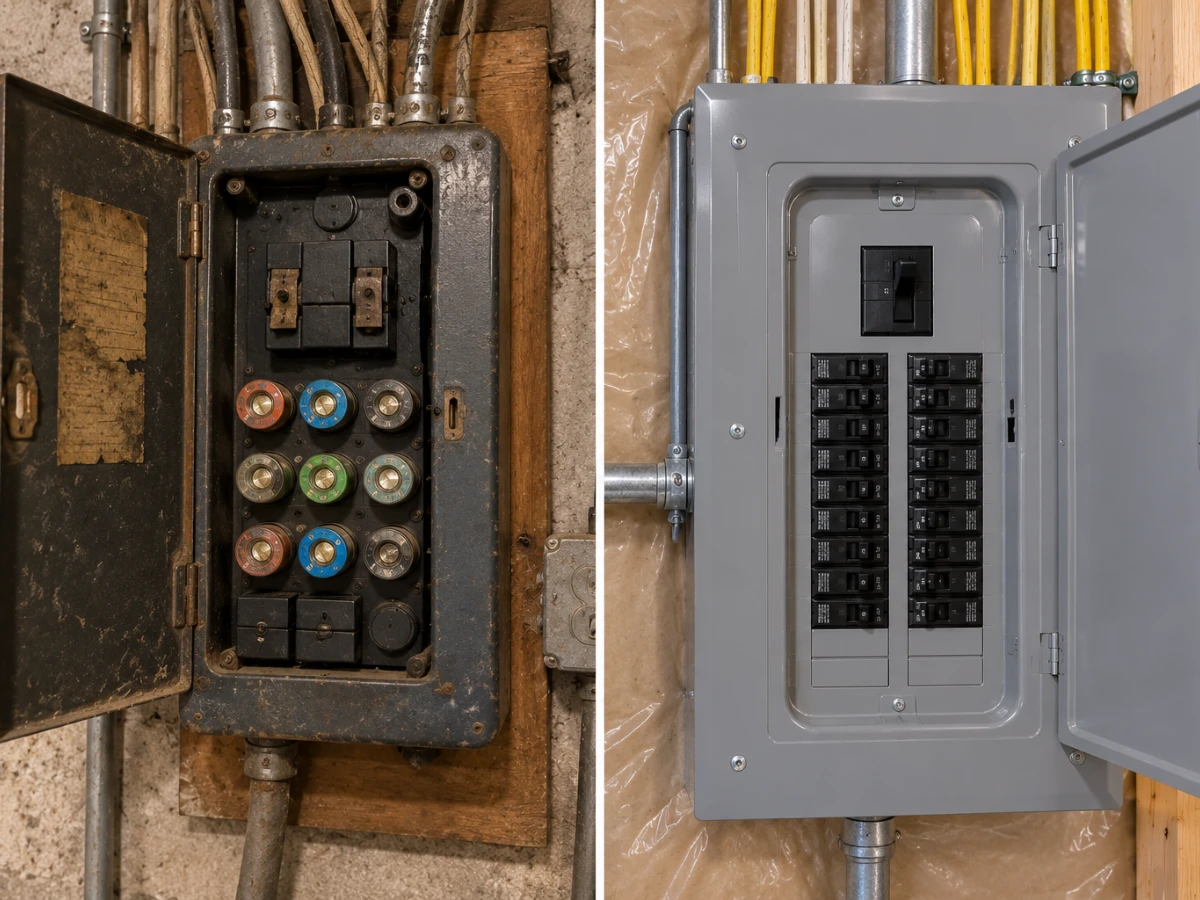
Fuse Box Vs Circuit Breaker Panel Comparison
Here's the quick side-by-side if you just want the short answer:
Fuse Box | Circuit Breaker Panel | |
How it resets | Screw in a new fuse | Flip the switch back on |
Typical amperage | 30–60 amps | 100–200 amps |
Common install era | Pre-1960 | 1960s–present |
Reusable? | No. Fuses are one-time use. | Yes. Breakers can be reset. |
Typical service life | 25–40 years. Most surviving fuse boxes are already past it. | 25–40 years |
Twin Cities risk flag | Frequent blown fuses, undersized service. | Federal Pacific or Zinsco brand. |
Breakers flip, and fuses screw in. If you're still not sure, snap a photo and send it to us. It's an easy call for a trained eye.
One more clue: age. If your home was built before 1960, there's a good chance you're looking at a fuse box, or at least an older panel that hasn't been touched since it was installed. This is especially common in the classic housing stock you'll find in South Minneapolis, St. Paul's Mac-Groveland neighborhood, and historic river towns like Stillwater and Excelsior.
If your home falls into that category, it's worth reading through the rest of this guide before you assume everything's fine.
How a Fuse Box Works (And Why It Was Built for a Different Era)
A fuse box protects your home the same way a circuit breaker panel does by stopping the flow of electricity before wires overheat and start a fire. The difference is in how it does that job.
Inside each fuse is a thin metal strip sized to a specific amount of current or amperage. When too much current tries to flow through a circuit, that strip heats up and melts, breaking the connection. Don’t forget that it's a one-time-use safety device. Once a fuse blows, you have to unscrew it and replace it with a new one of the same rating.
Older fuse boxes were typically built around a 60-amp service, sometimes carrying just six to twelve fuses total. Back in the 1940s, that was plenty of power for a home with a radio, a refrigerator, and a few incandescent light bulbs.
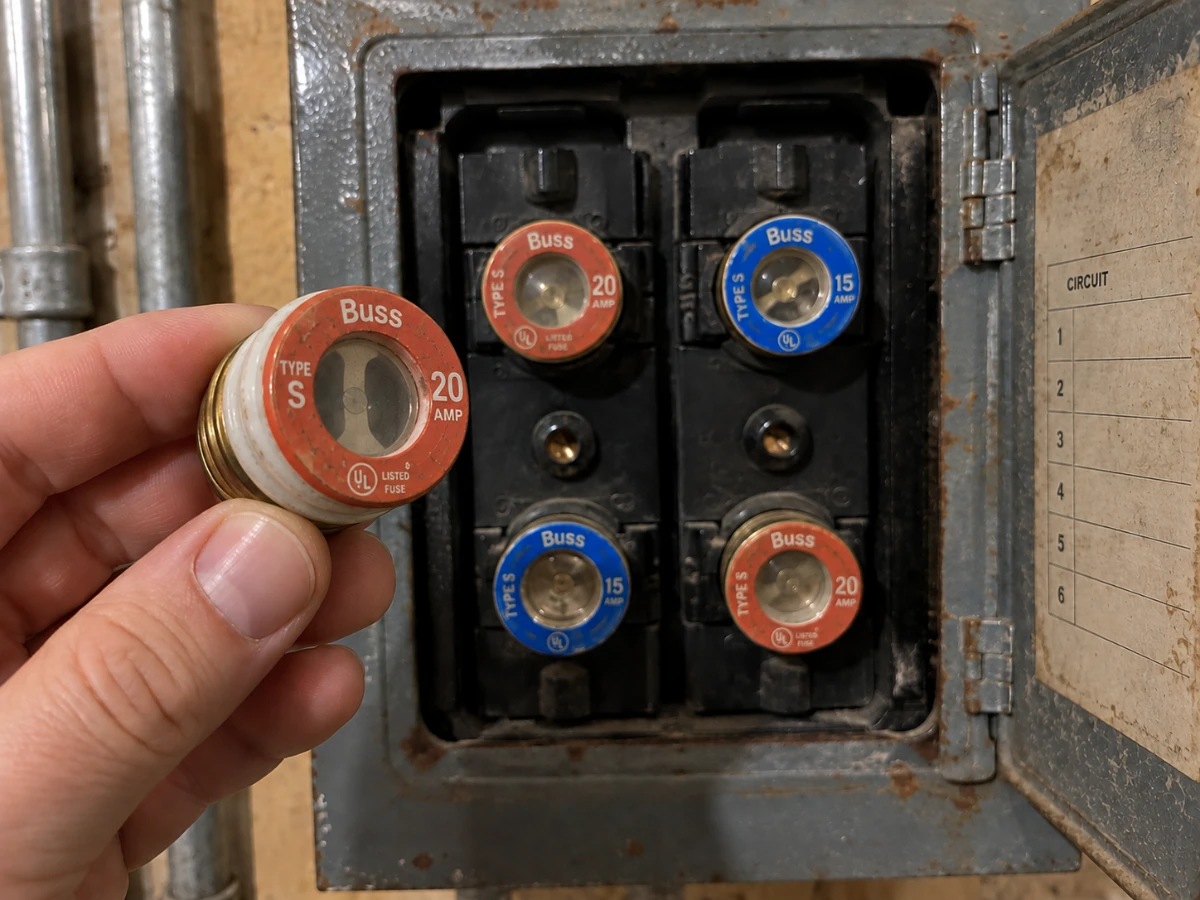
Why the 60-Amp Fuse Box Is Not Enough for a Modern Household
Today's Twin Cities households ask a lot more of that same 60-amp system:
- A central air unit alone can eat up a big chunk of available capacity.
- An electric range and a couple of space heaters can push it close to the limit.
- Add an EV charger or a heat pump, and a 60-amp panel is often maxed out before anything else even turns on.
This is exactly why so many older Twin Cities homes deal with constantly blown fuses. It's not bad luck. It's a 1940s system trying to run a 21st century household.
Circuit Breaker Panels Explained: What Modern Service Looks Like
A circuit breaker does the same core job as a fuse, but it uses a mechanical switch instead of a melting wire. When a circuit draws too much current, the breaker trips and physically flips to the OFF position. Once you've fixed the overload, you can reset it yourself by flipping it back on, so there’s no replacement parts needed.
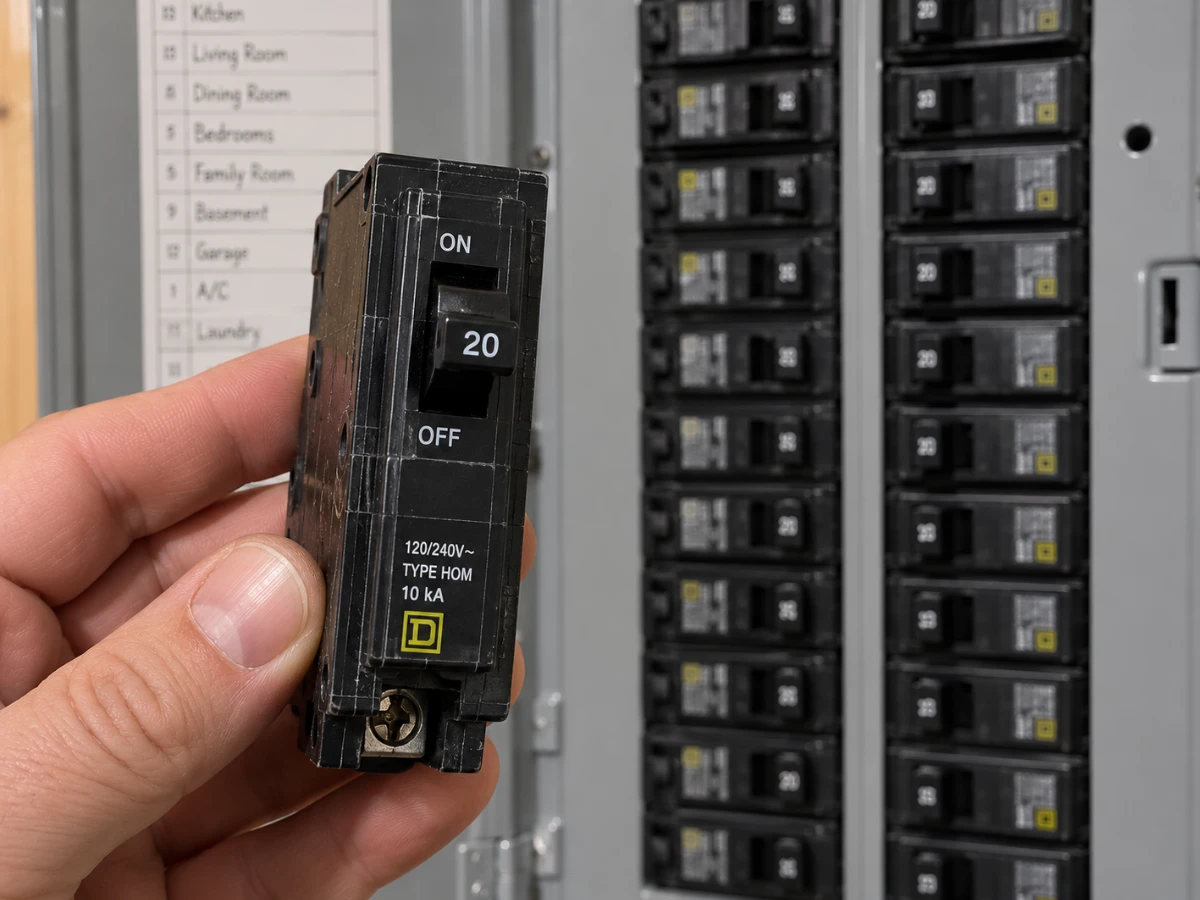
If you’re having difficulty resetting your breakers, read our circuit breaker keeps tripping guide.
Types of Circuit Breaker Panels
Most homes built after 1960 have breaker panels, and they typically come in three main sizes:
- 100-amp service: Common in smaller homes and older upgrades. These are workable, but tight if you're adding an EV charger or central air.
- 150-amp service: A step up, and often enough for a mid-size home with modern appliances.
- 200-amp service: The current standard for most Twin Cities homes, especially if you're running central air, an electric range, and any kind of EV charging setup.
If you’re wondering why you should upgrade to a 200-amp service, read our 200 amp panel upgrade guide to learn more about this process, and the benefits of getting it.
A Common Issue with Breaker Panels
Not every breaker panel is automatically safe just because it looks modern. Two brands in particular, Federal Pacific Electric (FPE) and Zinsco have a long, well-documented history of breakers that fail to trip when they should.
Federal Pacific panels were widely installed in Twin Cities homes from the 1950s through the 1980s, and Zinsco panels were common in the 1970s. Neither brand was ever officially recalled by federal regulators, but independent testing has shown high failure rates in both.
Many licensed Minnesota electricians flag them as a replacement priority the moment they spot one during an inspection. If you see Federal Pacific, Stab-Lok, or Zinsco stamped anywhere inside your panel, that's worth a second opinion even if nothing seems wrong yet.
Warning Signs Your Old Twin Cities Home Fuse Box Needs an Upgrade Now
Some of these are safety issues, and others are code violations. All of them are worth a call to a licensed electrician.
- Fuses blow regularly, even when you're not running anything unusual
- You've found pennies or foil behind a fuse. This is a dangerous workaround some past owners may have used to stop a fuse from blowing (it bypasses the safety function entirely).
- The panel only has 60-amp service and you're trying to run central air, an EV charger, or modern kitchen appliances.
- You see a Federal Pacific or Zinsco label anywhere inside the panel.
- Warm or discolored panel covers, a burning smell, or visible scorch marks.
- You're planning a kitchen or basement remodel and know the wiring hasn't been touched in decades.
If you’re experiencing any of this, call us on 763-292-1191 and we’ll take a look. The permanent solution to these issues is a panel upgrade. Our electrical panel upgrade services cover the whole process from permit filing, to utility coordination, and final inspection, so you're not chasing down city paperwork on your own.
How Old Fuse Boxes Affect Your Homeowners Insurance and Mortgage in Minnesota
This is where an outdated panel or fuse box goes from being just an inconvenience to costing you real money.
Insurance:
- Many carriers charge higher premiums for homes with an active 60-amp fuse box.
- Some carriers might flatly decline to write a new policy.
- From the insurer's perspective, an old, undersized panel is a fire risk, and so they price it that way.
- A number of carriers apply the same logic to Federal Pacific and Zinsco breaker panels, even though those are breakers, and not fuses.
Financing and Resale:
- Federal Housing Administration (FHA) loans and some conventional lenders require an outdated panel to be replaced before they'll approve financing.
- If this comes up during underwriting instead of before you list, it can delay or hold up your closing.
- In competitive Twin Cities markets like Edina, and Roseville, buyers increasingly order an electrical inspection before making an offer.
- A flagged fuse box or Federal Pacific panel can turn into a repair credit request, and sometimes a lower offer, too.
If you're planning to sell or refinance in the next few years, it's worth getting ahead of this rather than finding out about it mid-transaction.
Two More Pre-1970s Issues: Aluminum Wiring and Knob-and-Tube
A fuse box isn't the only thing that makes insurers and inspectors nervous in an older Twin Cities home. Two other wiring issues show up often, especially in homes from the same era, and neither is something to diagnose or fix yourself:
Aluminum Wiring
This is common in homes built or rewired between about 1965 and 1973, when copper prices spiked. Aluminum expands and contracts more than copper, which can loosen connections at outlets, switches, and breakers over time. This is a known overheating and fire risk that many MN insurers ask about directly.
Knob-and-tube Wiring
This is found in homes built before about 1940, identifiable by the ceramic knobs and tubes running through your joists. This system has no ground wire, and wasn't built for three-prong outlets or modern loads. Most Minnesota insurers won't cover a home with active knob-and-tube still in use.
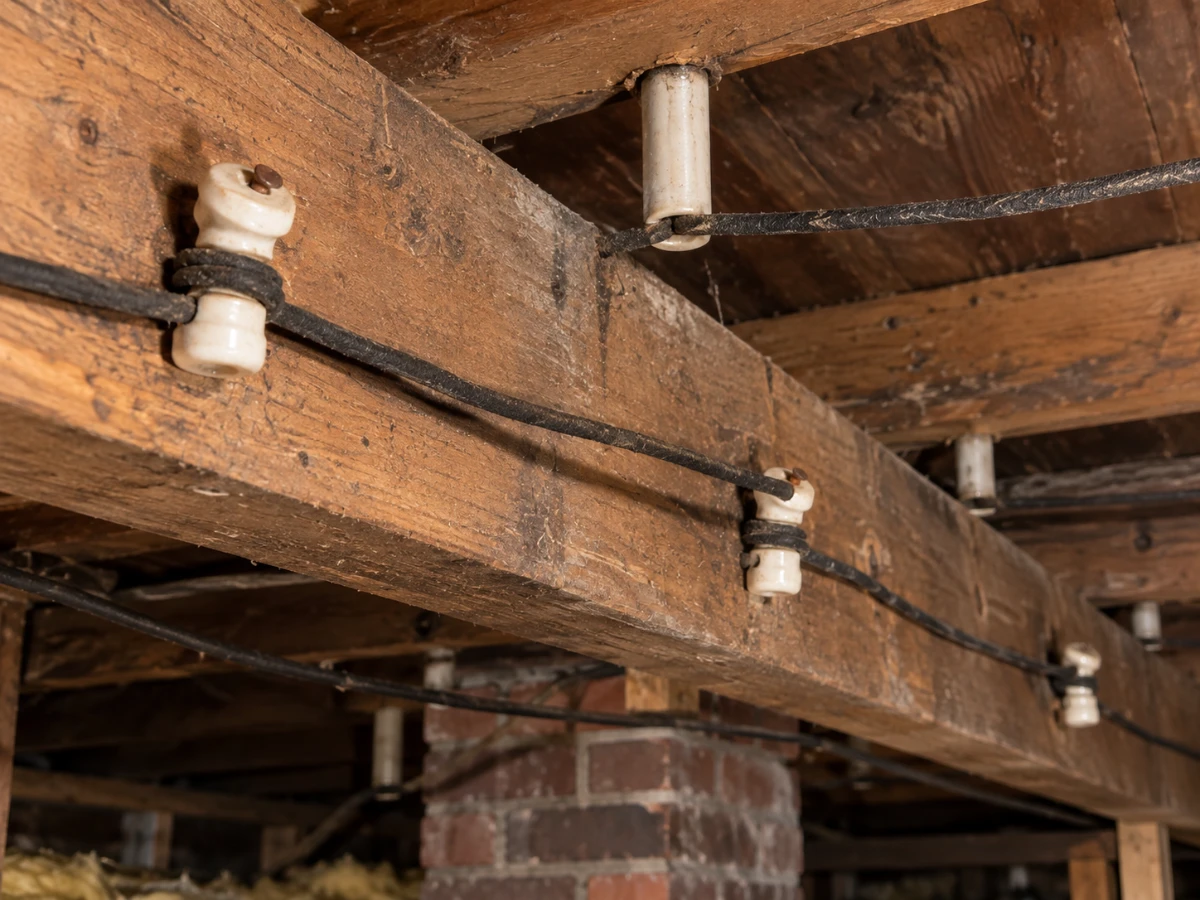
If your Twin Cities home has aluminum or knob-and-tube alongside an old fuse box, it's worth mentioning when you call for an inspection, since they're often addressed together. Our knob and tube wiring replacement guide covers both types in more depth, including what a rewire typically involves.
Panel Swap vs. Whole-Home Rewire: What's the Difference?
Not every upgrade means tearing into every wall in your house. It helps to know which project you're actually looking at before you get started.
- Panel swap: Replaces just the fuse box or outdated breaker panel with a new, correctly sized one. The wiring running to your outlets and switches usually stays as-is, as long as it's in good shape.
- Whole-home rewire: Replaces the wiring throughout the house, not just the panel. This is typically needed when a home still has knob-and-tube wiring, aluminum wiring, or wiring that's too damaged or undersized to safely leave in place.
Many older Twin Cities homes end up needing both once an electrician gets a look at what's behind the walls. Our whole-home rewiring services cover full rewires for older Twin Cities properties, from initial assessment through final inspection.
Minnesota Permit and Code Requirements for Replacing a Fuse Box or Rewiring
Minnesota law says this work must be done by a licensed electrician (MN Statute 326B). It's not a DIY project, even for a confident homeowner. Skipping this rule can cause real problems with your insurance and your next home sale.
Here's what the law requires before your fuse box or wiring can be replaced:
- A licensed electrical contractor must pull the permit.
- A state-certified inspector must approve the finished work before the job is done.
- Permit fees and inspection times vary by city. Minneapolis, St. Paul, and nearby suburbs each handle this a little differently.
- Some cities run their own inspection department. Others use the Minnesota Department of Labor and Industry.
- Check current fees and scheduling with your city before you set your budget.
For a full breakdown of what a typical panel replacement costs in the Twin Cities, along with current utility rebates, see our electrical panel upgrade guide.
Ready to Upgrade Your Old Fuse Box?
Whether you're staring at a bank of screw-in fuses or you're just not sure what's behind that metal cover in your basement, the safest first step is getting a licensed set of eyes on it.
Loch Monster Electric serves homeowners across Shoreview, Apple Valley, Plymouth, Bloomington, Eagan, and the rest of the Twin Cities metro, and we're happy to help you figure out exactly what you're working with.
Frequently Asked Questions
Not automatically. Minnesota has no state law that forces you to remove knob-and-tube wiring just because it's there. It can stay as long as it's undamaged, unaltered, and not covered by insulation. That said, many Minnesota insurance companies won't write or renew a policy on a home with active knob-and-tube. In practice, that pushes a lot of homeowners toward replacing it anyway.
Yes it is possible. Many Minnesota insurers see active 60-amp fuse boxes as a higher fire risk. The same goes for Federal Pacific and Zinsco panels. Some insurers charge higher premiums for these. Others decline coverage outright. If you're not sure where your policy stands, call your agent and ask directly.
Nothing happens immediately in most cases, but you're carrying more risk than you might realize. You'll likely keep dealing with blown fuses as your electrical demands grow, you may run into insurance complications, and if you ever sell the home, a buyer's inspector will almost certainly flag it. An aging fuse box also doesn't get safer with time since the fuses, wiring, and connections all continue to degrade.
Not exactly the same, but comparable in practice. These panels use breakers rather than fuses, so they look modern at a glance. The problem is that both brands have a well-documented history of breakers that fail to trip during an overload. Many licensed Minnesota electricians recommend replacing them proactively rather than waiting for a failure.