Smart Home Wiring in White Bear Lake: How to Upgrade Your 1950s–90s Home
Updated: Oct 14, 2026
This guide covers what smart home wiring means for White Bear Lake homes built between the 1950s and 1990s, the wiring safety risks by era, which smart devices actually need an upgrade, the installation process, costs, and local permits.
If you live in a White Bear Lake home built anytime between the 1950s and the late 1990s, you've probably run into this problem: you buy a brand-new smart switch, a video doorbell, or a fancy thermostat, install it, and it just doesn't work. The device flickers, drops offline, or won't even power on. This is usually not because of a bad product, but more likely due to your home wiring.
In this guide, we'll cover what smart home wiring really means and why White Bear Lake's 1950s bungalows, 60s–70s split-levels, and 90s ramblers each bring their own quirks. You’ll understand the real safety risks of aging wiring, which devices actually need an upgrade, and what the process, cost, permits, and inspections look like locally.
Before you buy another gadget, it's worth having a licensed electrician take a look at what's really going on behind your walls. Give Loch Monster Electric a call at 763-292-1191, or fill our contact form to let us know what you need.
What Smart Home Wiring Actually Means for a Pre-2000 House
Most White Bear Lake homes built before 2000 are missing the crucial electrical backbone smart gadgets need to work properly, including:
- Dedicated neutral wires at switch boxes for smart switches and dimmers.
- A dedicated C-wire at the thermostat location for continuous low-voltage power.
- Dedicated circuits for high-draw items like EV chargers and home theater gear.
- Grounded, modern outlets instead of old two-prong versions.
- Sufficient panel capacity to run everything at once without tripping breakers.
Plug-and-play smart devices assume all of this is already in place. In older homes, it often isn't. That’s the gap a smart home wiring upgrade closes.
Why White Bear Lake's Housing Stock Creates Real Safety Risks
White Bear Lake features a unique mix of housing stock: lakeside bungalows from the 1950s, split-levels from the 60s and 70s, and ramblers built through the 80s and 90s. Each era brings distinct wiring traits:
Pre-1960s Lakeside Homes: Knob-and-Tube and Ungrounded Outlets
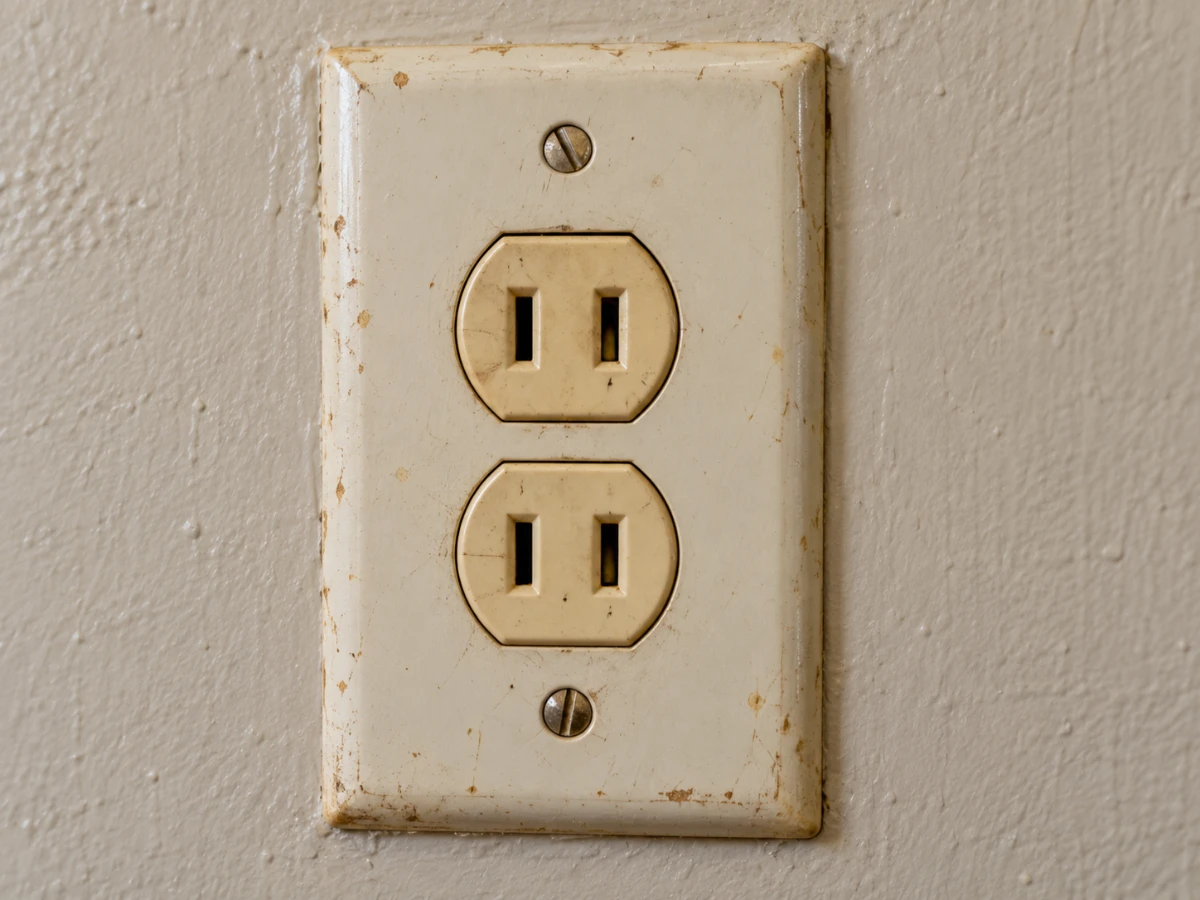
The Wiring: These houses still have remnants of knob-and-tube wiring, a system that predates grounded outlets and neutral wires at the switch.
The Smart Home Risk: Some smart plugs and hubs need a proper ground to function safely and reliably. If you plug one into an old two-prong outlet using a cheap adapter, you might get flickering, false alerts, or a device that completely burns out.
1965–1975 Split-Levels: The Aluminum Wiring Hazard
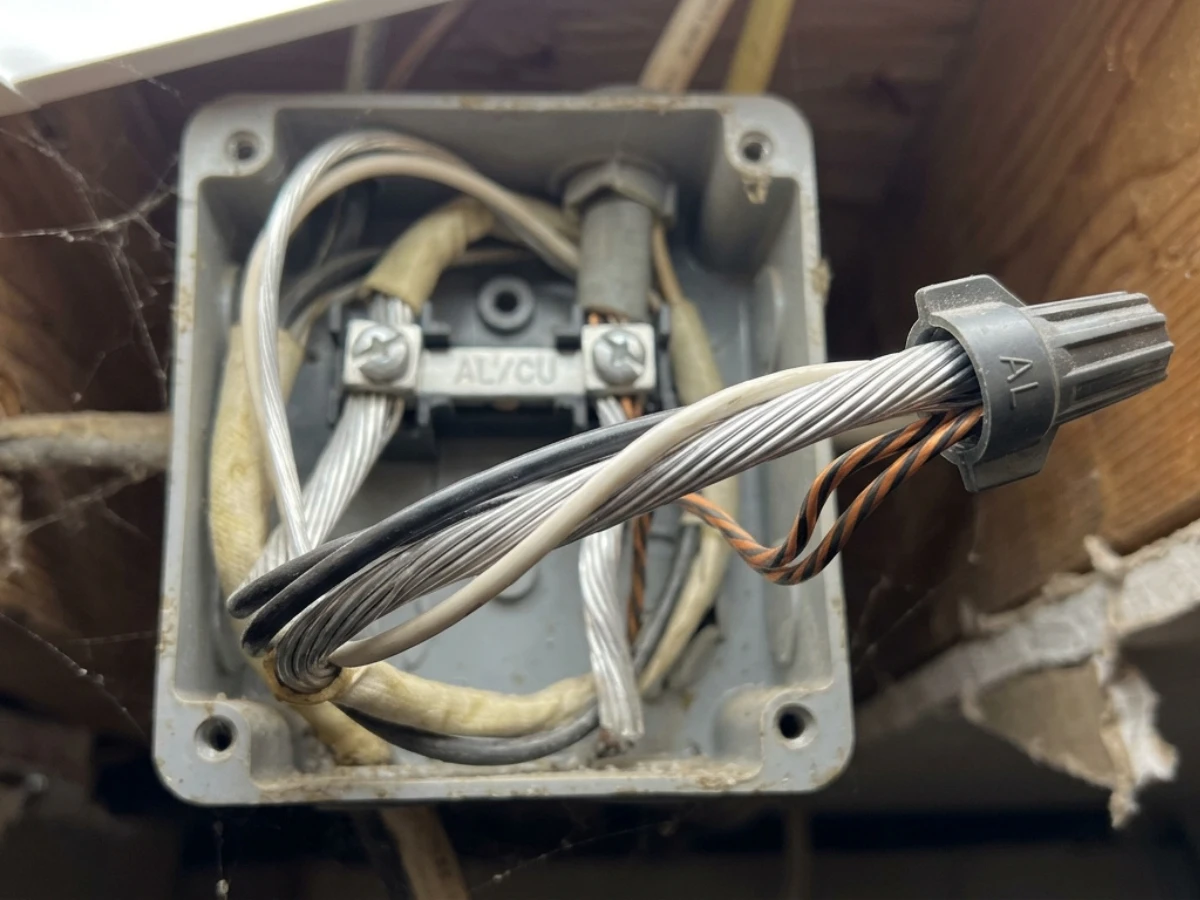
The Wiring: Driven by a historical copper shortage, these homes frequently feature aluminum branch wiring.
The Smart Home Risk: Because aluminum expands and contracts more than copper, connections loosen over time. The Consumer Product Safety Commission (CPSC) notes that pre-1972 aluminum-wired homes are roughly 55 times more likely to develop fire hazard conditions at wire connections compared to copper-wired homes.
The Complication: Add a smart dimmer's tighter, more sensitive terminal connections into that mix, and the risk of a loose, overheating connection goes up even higher. If your split-level still has its original aluminum branch wiring, this is not the time to cut corners.
Homes Wired in the 1990s: The Panel Limitation
The Wiring: While built with safer copper wiring, many feature original 100-amp electrical panels.
The Smart Home Risk: While 100 amps was plenty for a house with just a fridge, a TV, and a furnace decades ago, it might not be enough today. An EV charger pulls a massive amount of power. If your 100-amp panel is already crowded with double-tapped breakers from years of additions, adding a big new load can push it past what it is built to handle safely, causing your breakers to constantly trip.
Not sure if your panel can handle that new EV charger? Check out our guide on how to calculate panel capacity for EV charging to learn more.
What You Should Do Next
If your home has aluminum wiring, an older panel, ungrounded outlets, or suspected legacy wiring issues, get it looked at by a professional before you build out a whole smart home system on top of it.
None of this means your home can't support smart technology. It just means you might need to make a few changes before you plug those in. If you're not sure where your home stands, our guide on signs it's time to upgrade to smart home wiring walks through the warning signs worth watching for before you sink money into new devices.
Which Smart Home Systems Actually Require a Wiring Upgrade and Which Don't
Not every smart device needs electrical work. Here's how it breaks down by system.
Smart Lighting (Switches And Dimmers)
This is where a wiring upgrade is often needed the most. Most smart switches require a neutral wire at the switch box to stay powered, and a lot of older White Bear Lake homes simply don't have one there. Our guide to smart switch and dimmer wiring requirements breaks down what a neutral wire is, how to spot whether you have one, and when it makes sense to call a pro to install it.
Smart Thermostats
Modern thermostats need a small, steady trickle of low-voltage power to stay connected, and a lot of older HVAC setups don't have that extra C-wire run. Our smart thermostat C-wire installation guide explains what that wire does and how to tell if yours is missing.
EV Chargers
A dedicated 50-amp circuit is essentially mandatory for a Level 2 home charger. This is not a shared-circuit job, and it's one of the fastest ways an older 100-amp panel gets pushed past capacity.
Solar-Ready Panels and Battery Backup
These almost always call for a panel or service upgrade to handle the load calculations and grid-tied connections involved.
Smart Home Wiring Upgrade Process
Here's what the typical upgrade and installation process is like when you hire a licensed electrician for smart home wiring in White Bear Lake:
- Panel inspection and load calculation: We look at what your panel is rated for and add up what your new devices will actually pull, to ensure it can safely handle new smart loads.
- Permit application: Securing required electrical permits through the City of White Bear Lake's Building Department. This puts the project on official record and sets up the inspections that come later.
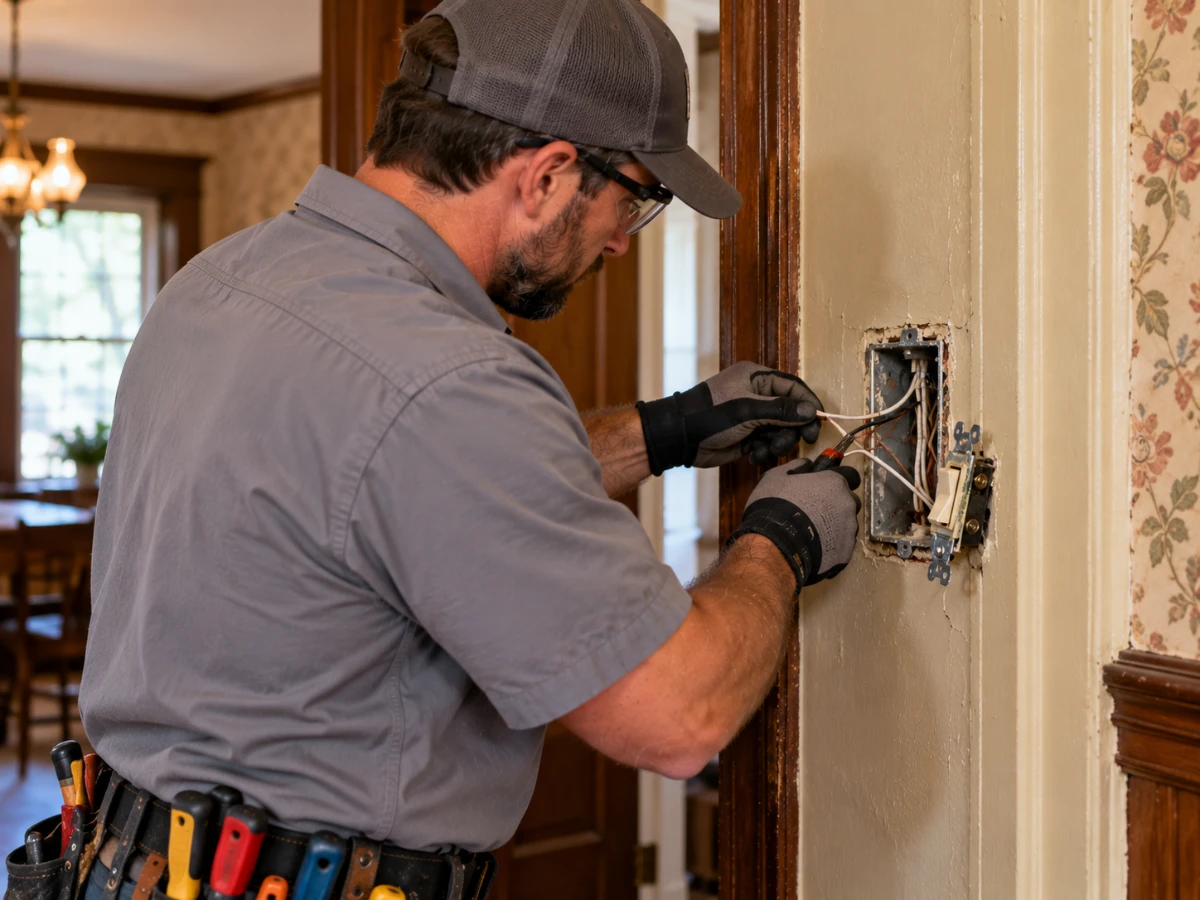
- Running new circuits: Installing dedicated lines for high-draw devices and missing neutral conductors. This is the hands-on part, running new wire through the attic, basement, or wall cavities to get power where it's needed.
- Device installation: Upgrading switch boxes and integrating smart tech safely. Your new switches, outlets, or other hardware get wired in and tested to make sure everything works the way it's supposed to.
- Final city inspection: Ensuring a local code official signs off on the completed work. Once that happens, your new wiring is officially good to go.
A Note on Permits: Minnesota law and local White Bear Lake codes require electrical permits for new circuits or panel work. More on this later.
If you're ready to get this scheduled, visit our smart home wiring services to learn more.
Smart Home Wiring Cost in White Bear Lake: What Drives Your Price
There's no single price tag for a project like this, because a single-room switch upgrade and a whole-home rewire are two very different jobs. The price can go up depending on the following.
- Home age: Older wiring generally means more prep work before new circuits go in.
- Aluminum vs. Copper: Aluminum branch wiring often needs replacement before smart devices go on those circuits.
- Finished vs. unfinished walls: Running new wiring through open basement joists is a lot faster than fishing it through a finished ceiling.
- Number of switches and outlets: The total count of devices directly drives up labor time and hardware expenses. Swapping every switch in the house will cost significantly more than upgrading just a single room.
- Permit and inspection fees: These are set by the city and by the state, not by your electrician.
Because smart automation places a higher demand on your electrical system, you might discover that your main service is maxed out. A 100-amp panel that needs upgrading to 200 amps adds real cost. Check out our electrical panel upgrade cost guide to see how increasing your home's power capacity affects your budget.
Minnesota Electrical Code for Smart Home Wiring in White Bear Lake
Smart home wiring must follow the National Electrical Code (NEC). These are the same state safety laws that apply to installing new circuits or changing any electrical wiring in Minnesota.
Electrical Permits in White Bear Lake
The state requires an electrical permit for new circuits or electrical panel work. In White Bear Lake, you apply for this permit through the city’s Building Department. Once the work is done, you must schedule an inspection with the city's official electrical inspector.
If you own and live in your home, you are allowed to apply for your own permit. However, hiring a licensed electrician is usually the better choice. No matter who does the job, the wiring must pass the exact same safety code.
Why You Shouldn’t Skip the Permit
Skipping a permit is risky. If unpermitted wiring causes a fire or accident, your homeowner's insurance company can refuse to pay for the damage. Unpermitted work will also show up as a major red flag when a home inspector checks your house before you sell it. In a city like White Bear Lake, where lakeside homes sell quickly, taking this shortcut is not worth the risk.
Hidden Edge-Case Surprises for White Bear Lake Homeowners
Beyond the usual problems found in homes from certain decades, there are a few hidden wildcards to watch out for. Even though these issues are not as common, they can still catch White Bear Lake homeowners completely off guard when they try to upgrade to smart technology:
Old Wiring with Asbestos Insulation
Some homes built before 1980 use old, cloth-covered wiring that contains asbestos. If an electrician finds this while changing a switch or a panel, they have to stop work in that area and bring in a licensed abatement professional before continuing. You will have to pause your project and pay for professional removal, which adds unexpected time and money to your budget.
Service Entrance Upgrades
When you do major work on your main electrical panel, your power company will temporarily shut off power to your home. Before they turn the electricity back on, they will inspect the outside wires and meter box on your wall. In older homes, that equipment might be outdated. You will need to upgrade the service entrance to modern standards before your utility company restores power.
Mixed-Gauge Wiring in 1990s Homes
Many homes from the 1990s have gone through years of DIY basement projects or quick renovations by past owners. Because of this, it is very common to find a messy mix of different wire thicknesses shoved into a single wall box. Linking the wrong wire sizes together can cause the wires to overheat and create a hidden fire hazard. It also makes installing a new smart dimmer switch much more complicated.
How Loch Monster Electric Approaches Smart Home Wiring Projects in White Bear Lake
We're licensed electricians who work in White Bear Lake MN and the neighborhoods around the lake. That means we're familiar with the city's building department process and the mix of housing stock here, from older bungalows to newer builds.
Here's what you get from Loch Monster Electric:
- Good-faith estimates over the phone based on the issue you describe, so you get a reasonable range for the budget needed.
- A free on-site assessment before any work starts, so you know the real scope of your project.
- Licensed and insured electricians who pull the permits and coordinate inspections with the city.
- Clean, code-compliant work with a warranty on our workmanship.
- Straightforward communication about what we're doing and why.
If you're ready to get your White Bear Lake home wired for the latest smart home tech, give Loch Monster Electric a call at 763-292-1191.
Frequently Asked Questions
Yes, for new circuits or panel work. White Bear Lake's Building Department handles electrical permits for the city, and a licensed contractor typically manages the permit and inspection process for you.
Not safely without addressing the aluminum first. The connection points where aluminum meets a smart dimmer's terminals are a common failure spot, so most electricians will recommend pigtailing with copper or replacing the affected circuits before installing smart dimmers.
It depends on your home's total electrical load, but a lot of older 100-amp panels need to be upgraded to 200 amps once an EV charger, smart hub, and other always-on devices are added. A licensed electrician can run a load calculation to tell you exactly where your home stands.
A small project, like a handful of switch upgrades, might take just a day or two. A larger project involving a panel upgrade and structured cabling can take longer once permits and inspection scheduling are factored in.
Often closer than an older home, since most 1990s wiring is copper. The main limiting factor tends to be panel capacity, since many homes from this era were built with 100-amp service that gets tight once you add modern smart devices and an EV charger.
Updated, code-compliant wiring and panel capacity are generally seen as a plus by buyers and inspectors in the Twin Cities market, since they remove a common repair item that shows up on a home inspection report.