Electrical Inspections in Brooklyn Park: Home Safety Guide for '70s–'90s Wiring
Updated: Oct 27, 2026
This guide details residential electrical inspections in Brooklyn Park, Minnesota. It covers what inspections include, warning signs of aging wiring (such as aluminum branch wires and outdated panels), costs, Minnesota DLI permit rules, and phased repair priorities.
Do your lights flicker when the dryer kicks on? Does a breaker trip every time you use the microwave? Or maybe you're buying a home and your inspector recommended an electrician take a closer look? If your house in Brooklyn Park was built between the 1970s and 1990s, these little things can point to a bigger problem behind the walls.
This guide will help you understand electrical inspections in Brooklyn Park, from what gets checked to what it costs, what the permit rules are, and how to fix problems without blowing your budget. We'll also cover how to handle aluminum wiring, outdated panels, and lack of GFCI/AFCI protection, three things we flag most often in older houses.
Loch Monster Electric is a team of licensed electricians serving Minnesota and Wisconsin. We do whole-home electrical inspections that spot hidden hazards before they cause trouble, and handle everything from repairs and panel upgrades to rewiring and EV charger installs.
Ready to get started? Call us at 763-292-1191 or fill out our contact form.
What a Residential Electrical Inspection in Brooklyn Park Covers
A residential electrical inspection is a hands-on safety check of your home's whole electrical system by a licensed electrician. This is different from a general home inspection, which is mostly a quick look.
Here's what gets checked:
- The service entrance and meter base outside.
- The main panel and any subpanels.
- Branch circuits and the wire type used in them.
- Outlets and switches.
- Grounding and bonding.
- GFCI outlets (shock protection) and AFCI breakers (arc and fire protection).
- Smoke and carbon monoxide alarms.
After the inspection, you get a written report that says what's safe, what's not, and what to fix first. Our electrical inspection services page shows what a full licensed-electrician visit includes.
Why Brooklyn Park's 1970s–1990s Homes Need to be Inspected
Brooklyn Park grew fast from the 1960s through the 1990s. That gave the city lots of ramblers, split-levels, and townhomes, from the older streets near Shingle Creek to the newer golf-course neighborhoods around Edinburgh. These homes tend to share three problems.
1. Aluminum Branch Wiring
Builders used aluminum wire in many homes from the mid-1960s to the mid-1970s because copper was pricey. Aluminum expands and shrinks more than copper as it heats and cools. Over the years, this can loosen connections and create heat in the wiring. If your Brooklyn Park home dates to the mid '70s or earlier, this problem is worth inspecting.
2. Old Federal Pacific and Zinsco Panels
Federal Pacific Stab-Lok and Zinsco panels went into plenty of homes through the 1980s. Both have a track record of breakers that may not trip when they should. A professional electrician will almost always recommend replacing them if found during an inspection.
3. Homes Without GFCI/AFCI Protection
AFCI breakers first became a code requirement for bedrooms in the early 2000s, and then spread to more rooms. So a house from the '90s likely has none. GFCI protection also grew in stages, so many older homes are missing it in places like garages, basements, and kitchens. Untouched wiring usually doesn't have to be upgraded, but new or changed circuits require GFCI/AFCI protection, so this is worth paying attention to during an electrical inspection.
8 Warning Signs Your Brooklyn Park Home Is Overdue for an Electrical Inspection
Not sure if it's time for an electrical inspection? Check for these warning signs:
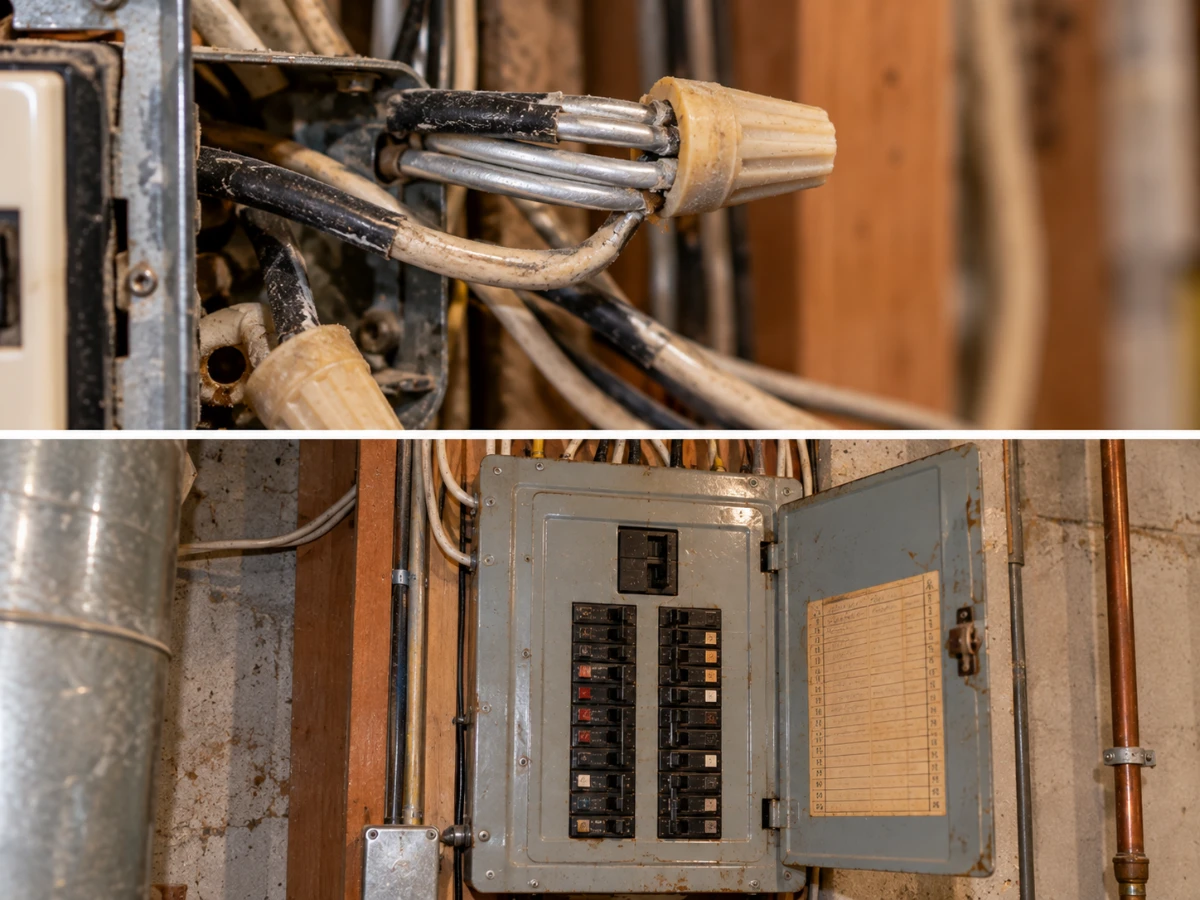
- Flickering or dimming lights: This often happens when big appliances turn on. It's usually a loose connection or overloaded circuit that’s doing this. And loose connections make heat that can start a fire in the wall.
- Breakers that trip a lot: The same breaker tripping over and over means the circuit is overloaded or damaged, or the breaker is worn out. Read our
circuit breaker keeps trippingguide to learn more about what’s causing this. - Two-prong outlets: These outlets have no ground wire to send stray current safely away. Without one, you can get a shock when you touch an appliance plugged into one and your equipment is at risk too.
- Warm or discolored cover plates: This means that heat is building behind the plate on an outlet or switch. It can melt wire insulation and ignite nearby wood or dust.
- A faint burning smell: Something near the panel or an outlet is already overheating, often hidden in the wall or panel. If you smell burning or see scorch marks, call right away on 763-292-1191. If you see smoke or flames, get out and call 911.
- A Federal Pacific, Zinsco, or Pushmatic panel: Open the panel door and check the label for the brand name. Federal Pacific panels often say ‘Stab-Lok’.
- Aluminum Wiring: Look at the cable going into your panel, or any exposed wire in an unfinished basement or attic. Aluminum wire is silver-colored, and the cable jacket is printed with ‘AL’ or ‘Aluminum’.
- A main breaker rated under 100 amps: Open the panel door and look at the big breaker at the top. The number on this main circuit breaker is your panel's size. Under 100 is too small for most modern homes, and central air, a dryer, and an EV charger can easily overload it.
Some of these signs mean it's time for a bigger fix for your home wiring. Our guide on how to know if your house needs rewiring helps you tell a simple repair from a full rewire.
What Electrical Inspections Cost in Brooklyn Park
At Loch Monster Electric, an electrical inspection visit costs $550. That covers a standard 2-hour on-site inspection. Bigger or trickier jobs can take longer and cost more.
A few things can push the price up:
- Larger square footage.
- More than one panel or subpanel.
- A finished basement that hides wiring.
- A detached garage or outbuildings.
- Aluminum wiring that needs extra checking.
Our residential electrical inspections cost guide explains what's included and what we typically look out for across the Twin Cities.
What Happens During an Electrical Inspection
Most of our inspections take about one to two hours for a single-family home. Bigger houses, extra subpanels, and finished basements can add time.
Here's what our electricians do, in order:
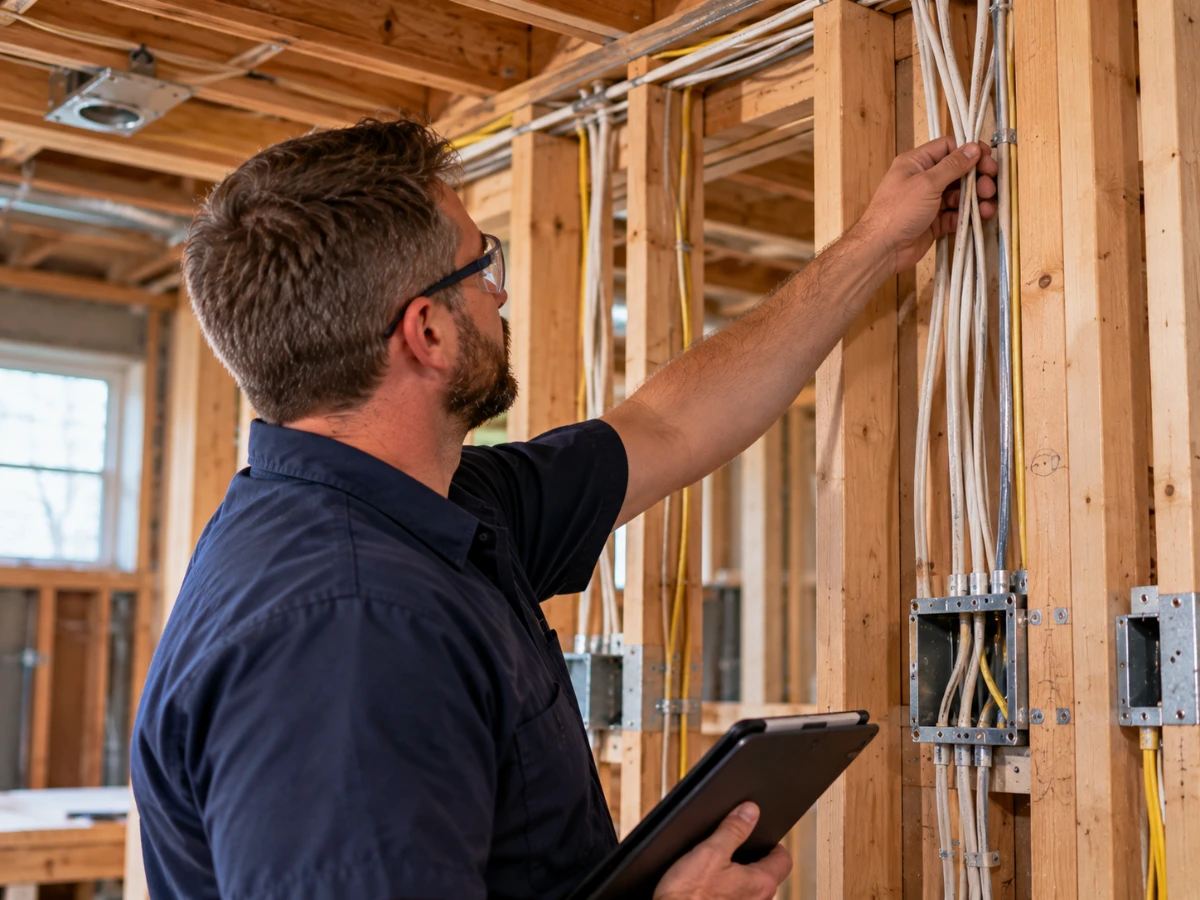
- Outside first: We start at the meter base, the service mast, and the wires coming into your house. We look for damage, loose parts, and wear from Minnesota weather.
- Main panel: We take the cover off and check for rust, burn marks, double-tapped breakers, and mismatched parts. We also note the panel brand and size. It also helps if you clear a path to your panel before we arrive.
- Branch circuits: We check the wire type and size on your circuits. We watch for signs of overheating and poor quality DIY work.
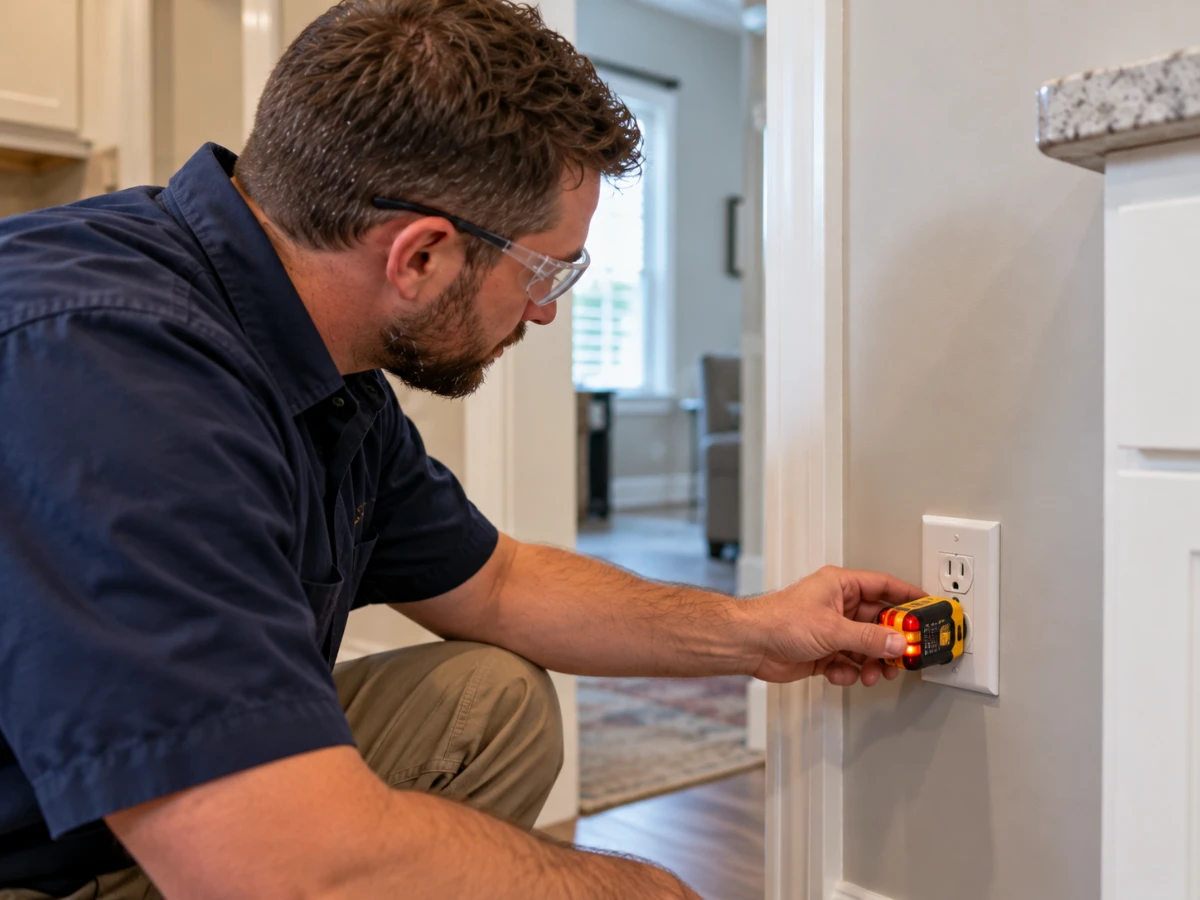
- Outlets and switches: We plug an outlet tester to check for wiring mistakes, weak grounds, and reversed wires. We test your switches too.
- GFCI and AFCI protection: We test each GFCI outlet and AFCI breaker to make sure it shuts power off like it should.
- Grounding and bonding: We confirm your system is grounded and bonded the right way, so stray current has a safe path out.
When we finish the inspection, we go over what we found, and provide a report to help you get an idea of the condition of your home wiring, panel, outlets, and switches.
Read our electrical inspection checklist guide to learn more about each electrical system we check and the common reasons homes get flagged.
Minnesota Code and Permit Rules for Brooklyn Park Homeowners
Minnesota follows the National Electrical Code, with a few changes of its own. One thing to note is that the City of Brooklyn Park doesn't do electrical inspections. An inspector from the Minnesota Department of Labor and Industry (DLI) handles the electrical permits and inspections.
Here's how it works:
- Inspection only: You don't need a permit. We're only looking and testing to find problems with your electrical system.
- Repairs, new circuits, panel swaps, and rewires: These need a permit and a state inspection.
In Minnesota, only licensed electricians can pull permits for most jobs. Homeowners can pull one only for work on their own single-family home. Get the full details in our electrical permit requirements guide.
The Three Repairs We Flag the Most in Brooklyn Park Inspections
Three problems come up more than any others when we inspect Brooklyn Park homes: aluminum wiring, aging panels, and lack of GFCI/AFCI protection. Here's how each one gets fixed.
Fixing Aluminum Wiring
You have two main choices of how to handle this:
- Whole-home Rewire: This is a complete fix and the most costly since it means all the aluminum wiring in the house needs to be replaced with modern copper wiring. We have a helpful read on how to
rewire a house without removing wallsif drywall damage worries you. - Pigtailing with AlumiConn Connectors: An electrician joins a short copper tail to each aluminum wire with a special connector. This costs less than a rewire, but it requires many connections to do properly, and they must all be reachable.
Which one fits? It depends on your budget, your home, and what the inspection finds. Aluminum wiring isn't automatically a five-alarm fire, but it needs the right fix, not a quick wire-nut job.
Replacing an Old Panel
If your inspection finds a Federal Pacific or Zinsco panel, replacing it is the safe call, even if it has run fine for 40 years. A move up to 200-amp service also gives you room for modern amenities like an EV charger, a heat pump, or a hot tub. Here's what it usually involves:
- A new panel and breakers.
- A new meter socket and service cable, if needed.
- Updated grounding.
- An electrical permit and state inspection.
- Xcel Energy coordination for a short power shutoff and reconnection.
Want the full picture? Our 200 amp panel upgrade guide covers what drives the price, why homes need the bigger panel, and what the installation process looks like.
Adding GFCI and AFCI Protection
We replace standard outlets with GFCI outlets where water is a risk, like kitchens, bathrooms, garages, and basements. We also install AFCI breakers in your panel to protect the living areas and bedrooms. Many homeowners do this at the same time as a panel upgrade. Our GFCI and AFCI installation page covers how the work is done.
What to Do After the Electrical Inspection
A long electrical inspection report can feel overwhelming, but it doesn't have to be. You can sort the issues in phases:
- Safety hazards: This should be done as soon as possible, typically within 30 days. Think overheating panels, loose aluminum connections, and open junction boxes. It’s best not to wait too long to fix these problems.
- Code upgrades: This can be done within 6 to 12 months. Adding AFCI or GFCI protection and fixing grounding are good examples.
- Modernizing: You can do this whenever you're ready. This covers nice-to-haves like more panel capacity, EV charging, a generator hookup, or extra circuits.
You don't have to fix everything at once, but you do need to know where you stand. If you live in Brooklyn Park, our local team can walk you through your report and help you plan each step. Visit Brooklyn Park services to learn more about how we help residents across the city.
Ready to Schedule Your Brooklyn Park Electrical Inspection?
A licensed inspection finds aluminum wiring, tired panels, and missing protection before they turn into fires, failed sales, or big repair bills. Whether you live in Brooklyn Park, Maple Grove, Plymouth, Minneapolis, or Bloomington, the smart move is the same. Get it checked, then fix things in order. Loch Monster Electric is the licensed electrician that can handle this. Call 763-292-1191 to book your inspection.
Frequently Asked Questions
With Loch Monster Electric, an inspection visit typically costs $550. Larger homes, extra panels, and hard-to-reach wiring can raise the price.
It can be, because aluminum connections can loosen and heat up over time. It isn't an emergency by itself, though. Your choices are a full copper rewire, or install copper pigtails with AlumiConn connectors.
An inspection alone doesn't need a permit. Electrical work recommended after the inspection like a panel replacement does. The permit and work inspection go through the state (DLI), not the city, and your electrician can file it for you.
It's an older panel brand whose breakers may not trip during an overload. No law says you must replace it before a sale. But buyers, inspectors, and insurers often push back, so replacing it up front can keep the deal on track.
Every three to five years is a good rule. For homes over 30 years old, every two to three years is smarter. Also book one before you buy or sell, after a big remodel, or when you spot warning signs.
Yes, it can. Some insurers ask about aluminum wiring, older panel brands, or knob-and-tube wiring. They may ask for an electrician's report, charge more, or decline coverage until it's fixed. Ask your agent what they require.