MONDAY–FRIDAY: 8:00 AM – 5:00 PM |
EMERGENCY SERVICE AVAILABLE 24/7
CALL NOW!  763-292-1191
PRICINGJOURNALMEDIAGLOSSARYABOUT USCONTACT US

Compliance & Infrastructure

GENERATORINSTALLATION

Be Ready to Power Through Any Outage.

A standby generator with an automatic transfer switch is not the same thing as a portable generator plugged into an extension cord. When utility power fails, a properly installed standby system detects the outage, starts the generator, and transfers your critical loads to backup power — automatically, within seconds, without anyone having to be on-site to make it happen.

Loch Monster Electric sizes generators for your specific critical loads, installs the transfer switch, coordinates the gas connection, and load tests the complete system before we leave — so you know it works before you need it to.

Phone Is Usually The Fastest Way To Reach You, But We're Happy To Follow Up However Works Best.
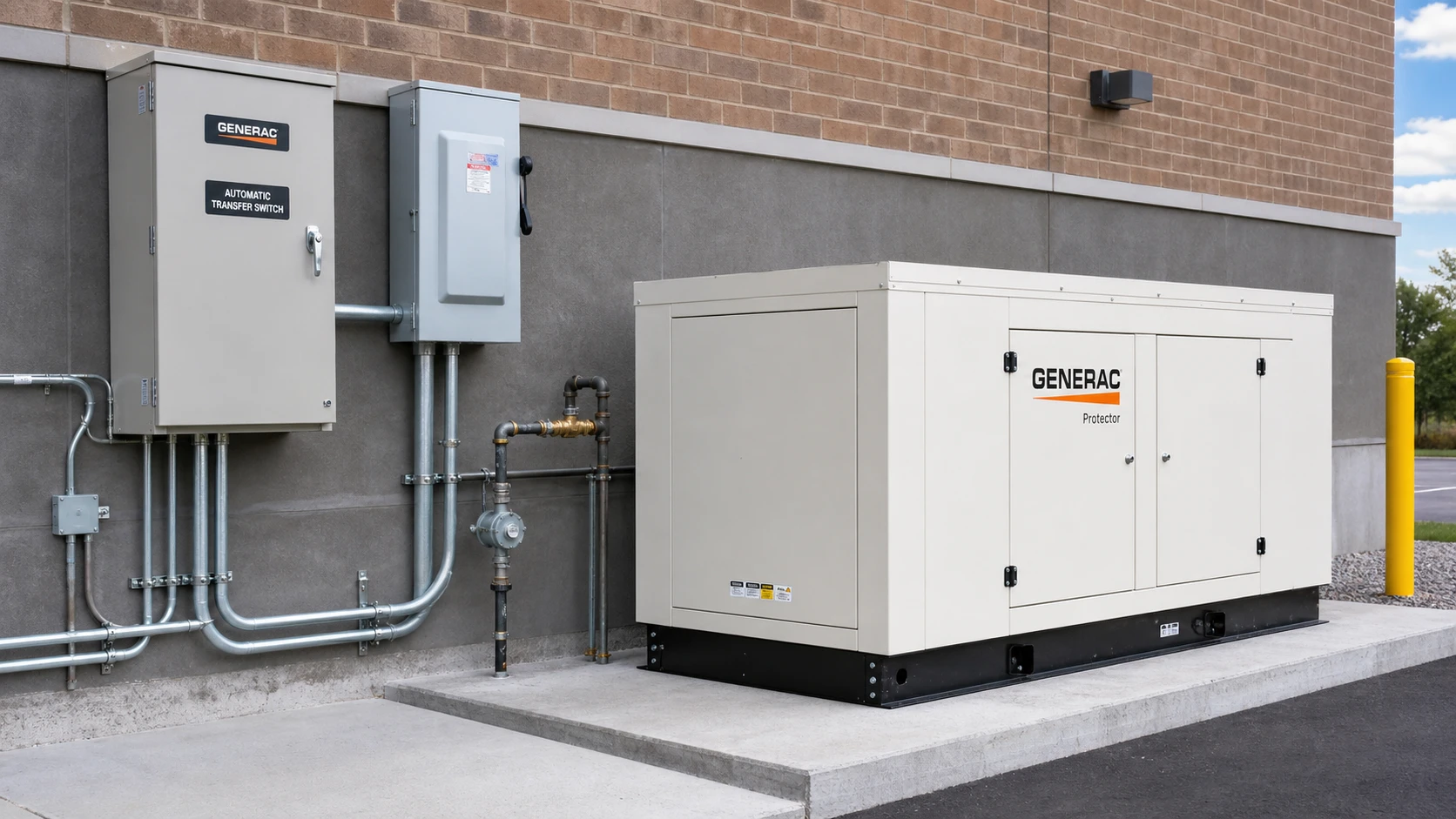
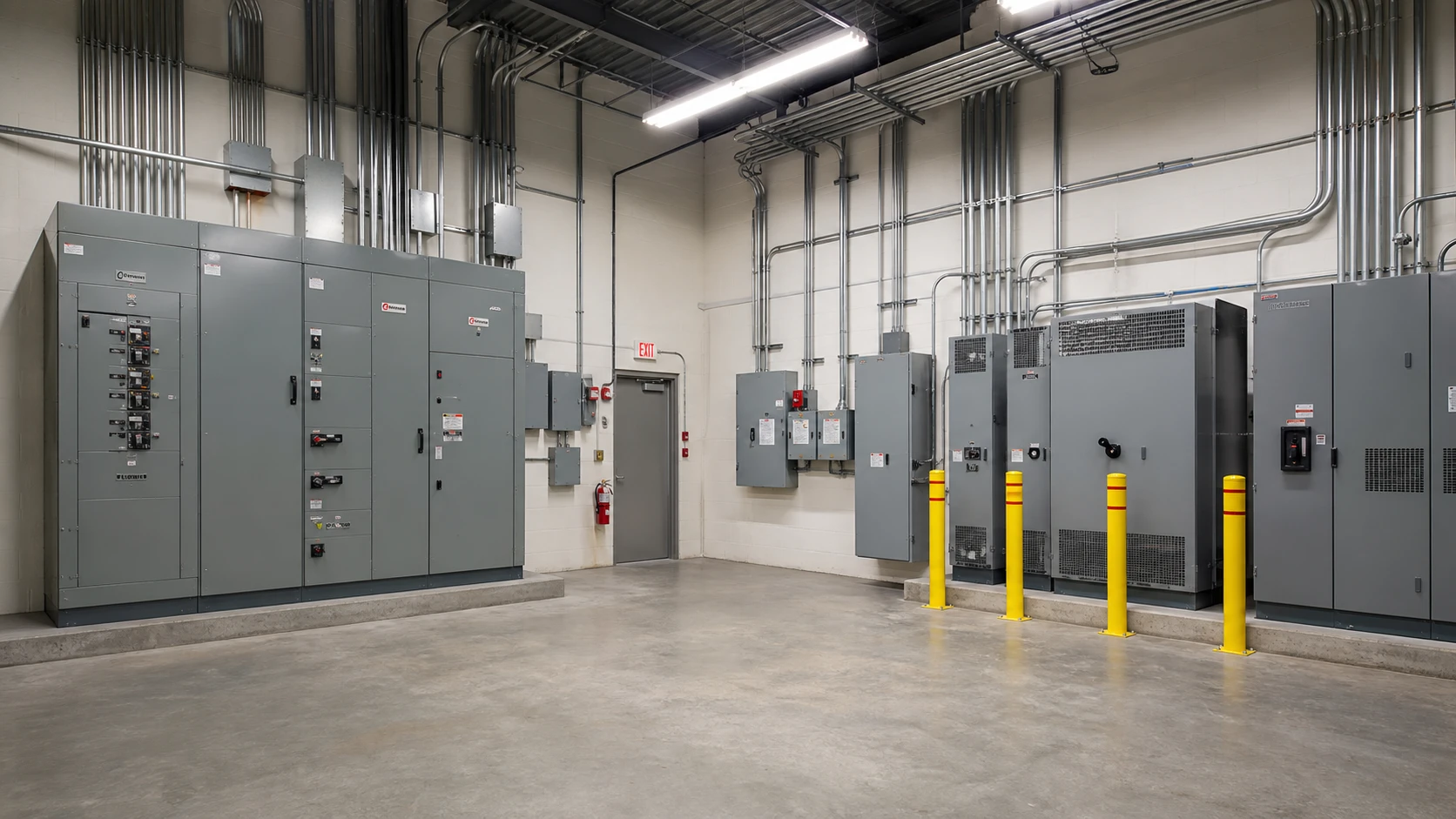
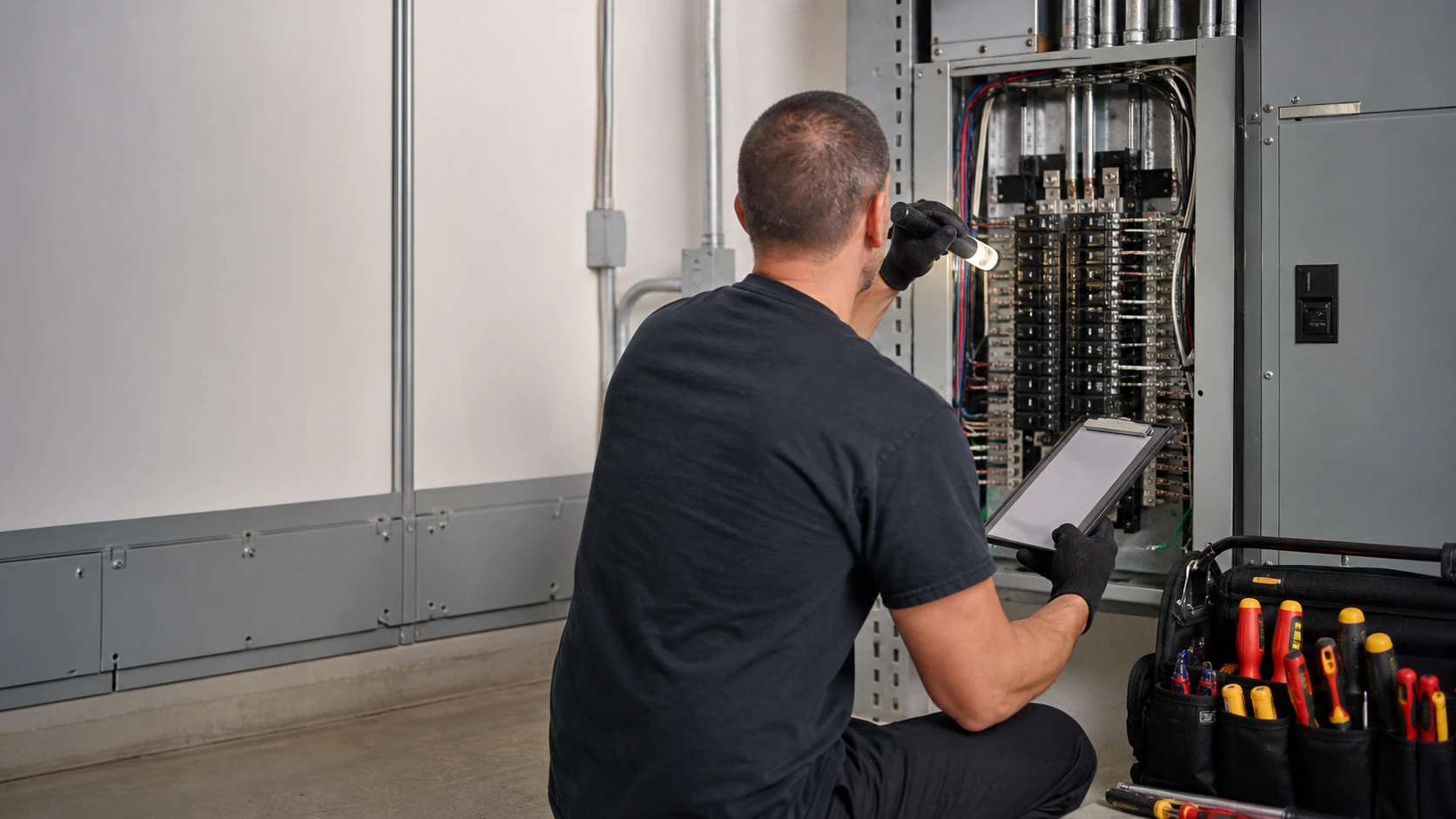
Commercial standby generator and automatic transfer switch installed for reliable backup power in Minnesota.

When Do You Need A COMMERCIAL GENERATOR INSTALLATION?

YOUR BUSINESS CANNOT OPERATE DURING A POWER OUTAGE

For restaurants, medical offices, data centers, cold storage facilities, and any business where continuous power is the difference between operating and losing revenue or inventory, an outage is not an inconvenience — it is a direct financial loss that accumulates by the hour. A manual response to a power failure — calling someone in, locating a portable generator, running extension cords — adds delay on top of that loss. A standby generator with automatic transfer restores power to your critical loads within seconds of an outage, without any manual intervention and without anyone needing to be on-site. Your operation continues. Your refrigeration stays cold. Your systems stay online.

YOU'VE EXPERIENCED COSTLY OUTAGES IN THE PAST

A single outage at the wrong time — during a dinner service, a peak retail period, or while temperature-sensitive inventory is in storage — can cost more than a generator installation. Two or three outages over a few years almost certainly do. The question for most businesses is not whether a generator makes financial sense, but whether the next outage will happen before or after the installation. We size the generator to cover your actual critical loads — refrigeration, lighting, POS systems, HVAC, or whatever your operation cannot function without — without oversizing the unit and the fuel costs that come with it. Right-sized equipment at the right cost, tested and ready before we leave the job.

YOU NEED TO MEET LIFE SAFETY OR CODE REQUIREMENTS

Certain commercial occupancies are not permitted to operate without a code-compliant standby power system. Healthcare facilities, assisted living, memory care, and many assembly occupancies are required by the NEC and NFPA 110 to maintain backup power for specific life-safety loads — emergency lighting, egress systems, medical equipment circuits, and fire alarm systems among them. A generator installed without the correct transfer switch configuration, load separation, and testing documentation does not satisfy those requirements regardless of its size. We design standby power systems to the applicable code requirements for your occupancy type, install the transfer switch and distribution correctly, and provide the test documentation your inspectors and licensing bodies require.

Want A Commercial Generator Installation?

WHERE MINNESOTA & WISCONSIN
LIVE, WORK & MANAGE—WE'RE THERE

If you've got an emergency—sparking wires, no power, or something that just doesn't feel right—call our 24/7 emergency line. We'll get someone out as soon as possible.

WE RESPOND FAST. NO RUNAROUND.

CALL NOW! 763-292-1191

Who We Are

WHAT YOU CAN EXPECT

Time And Materials Pricing—So You Only Pay For What Your Job Actually Needs.

Licensed And Insured Electricians Who Treat Your Home Or Building With Respect

Clear Communication—We'll Walk You Through What We're Doing And Why

Local Folks Who Care About Doing Things The Right Way—Not Just The Fast Way

FREQUENTLY
ASKED
QUESTIONS

A standby generator is permanently installed, connected to your building's electrical system through a transfer switch, and runs on natural gas or propane from a fixed supply line. It starts automatically when utility power fails and transfers your selected loads without any manual action. A portable generator requires someone to start it, connect it manually, and run extension cords or a temporary connection — and without a proper transfer switch, connecting it to your building's wiring creates a serious backfeed hazard for utility workers. For commercial applications, a standby system with an automatic transfer switch is the only practical and code-compliant solution.

A transfer switch is an electrical device that disconnects your building from the utility grid before connecting the generator to your circuits. This prevents generator power from backfeeding onto the utility lines — a condition that creates a lethal hazard for utility workers restoring power and can damage the generator. The NEC requires a transfer switch for any permanently installed generator connection. We install both manual and automatic transfer switches, depending on the application and whether automatic failover is required.

Generator sizing starts with a load analysis — identifying which circuits and equipment need to be on backup power and adding up their electrical demand. For most commercial applications, the goal is not to power the entire building but to cover the critical loads: refrigeration, essential lighting, life-safety systems, POS or server infrastructure, and whatever else the business cannot function without during an outage. Oversizing a generator increases both the equipment cost and ongoing fuel consumption. We perform the load analysis as part of our scoping process and size the generator to match the actual critical load — not a round number.

The electrical work itself — transfer switch installation, wiring, and load testing — typically takes one to two days, depending on the scope. The longer variable is the generator lead time. Commercial standby generators often have lead times of several weeks to a few months, depending on the size and the manufacturer's current availability. We recommend starting the process well before the severe weather season in Minnesota, when demand for generators tends to spike and lead times extend further.

Standby generators need periodic exercise — typically a weekly automatic self-test — to keep the engine components lubricated and confirm the system will start when needed. Beyond that, they require scheduled oil changes, coolant checks, battery inspection, and load bank testing on an annual or bi-annual basis, depending on the manufacturer's recommendations and the criticality of the application. We can set up a maintenance schedule as part of the installation so the generator is serviced on the right interval and documented for compliance purposes.

Why Choose Us

WE OFFER A WIDE RANGE OF ELECTRICAL SERVICES,
FROM NEW CONSTRUCTION TO TROUBLESHOOTING.

Review Us On

GOOGLE

Our Electrical Services

Where We Work

WE SERVE THE ENTIRE TWIN CITIES METRO FROM MINNEAPOLIS AND ST. PAUL TO MAPLE GROVE,
WOODBURY, EDEN PRAIRIE,
AND EVERYWHERE IN BETWEEN.

VIEW OUR SERVICE AREA

THE ELECTRICAL JOURNAL

EXPLORE